ASUS TUF Gaming FX506LU-HN106T RAM upgrade specifications
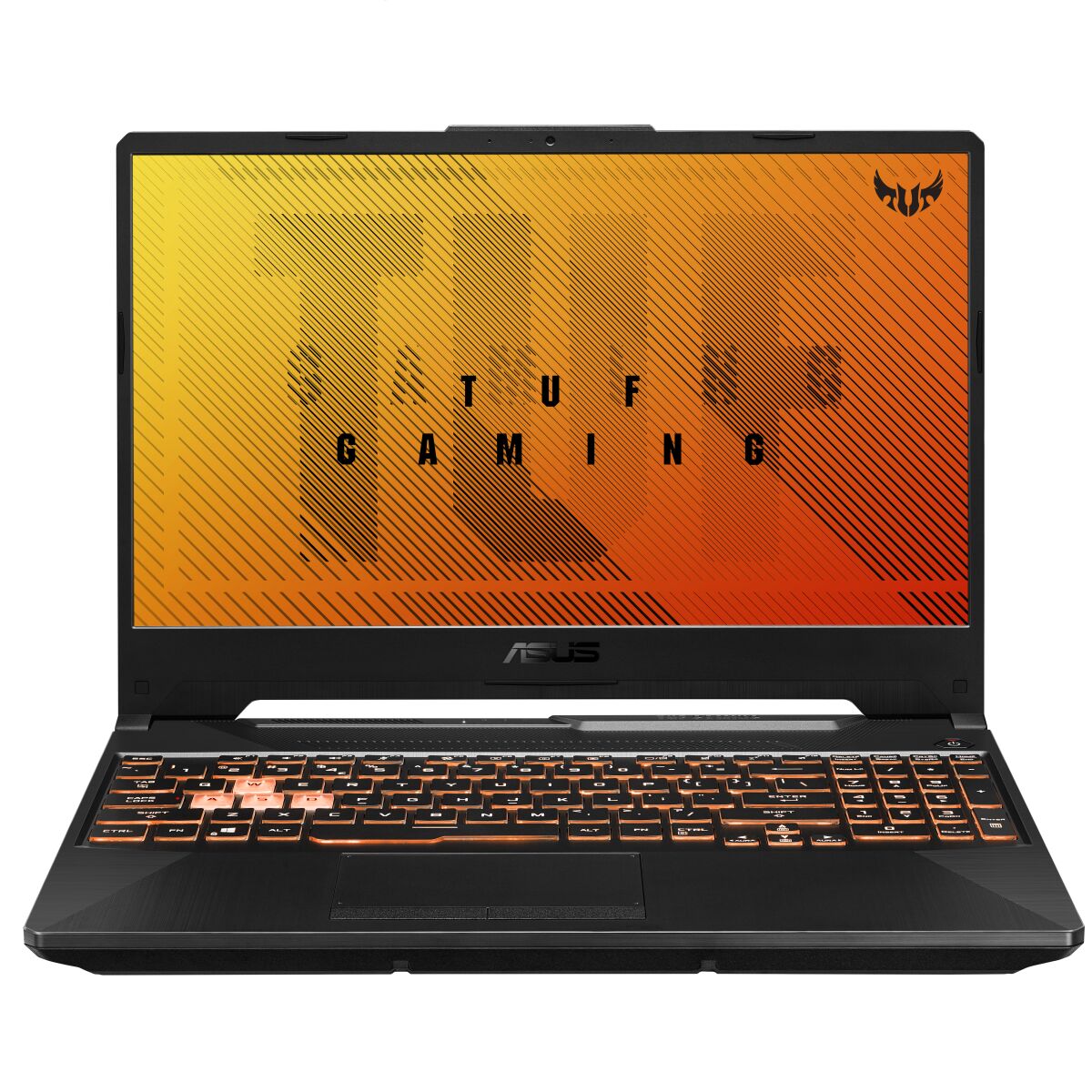
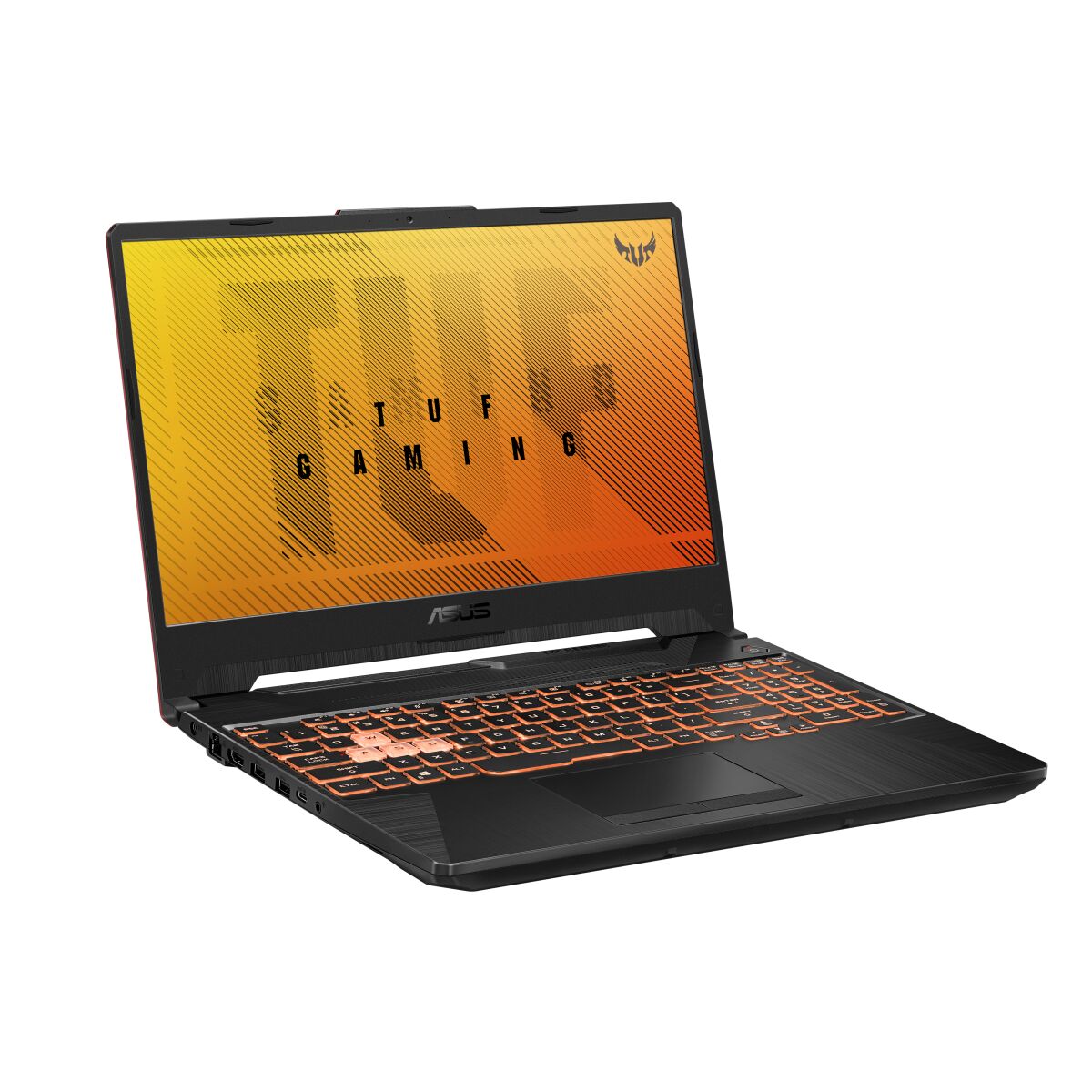
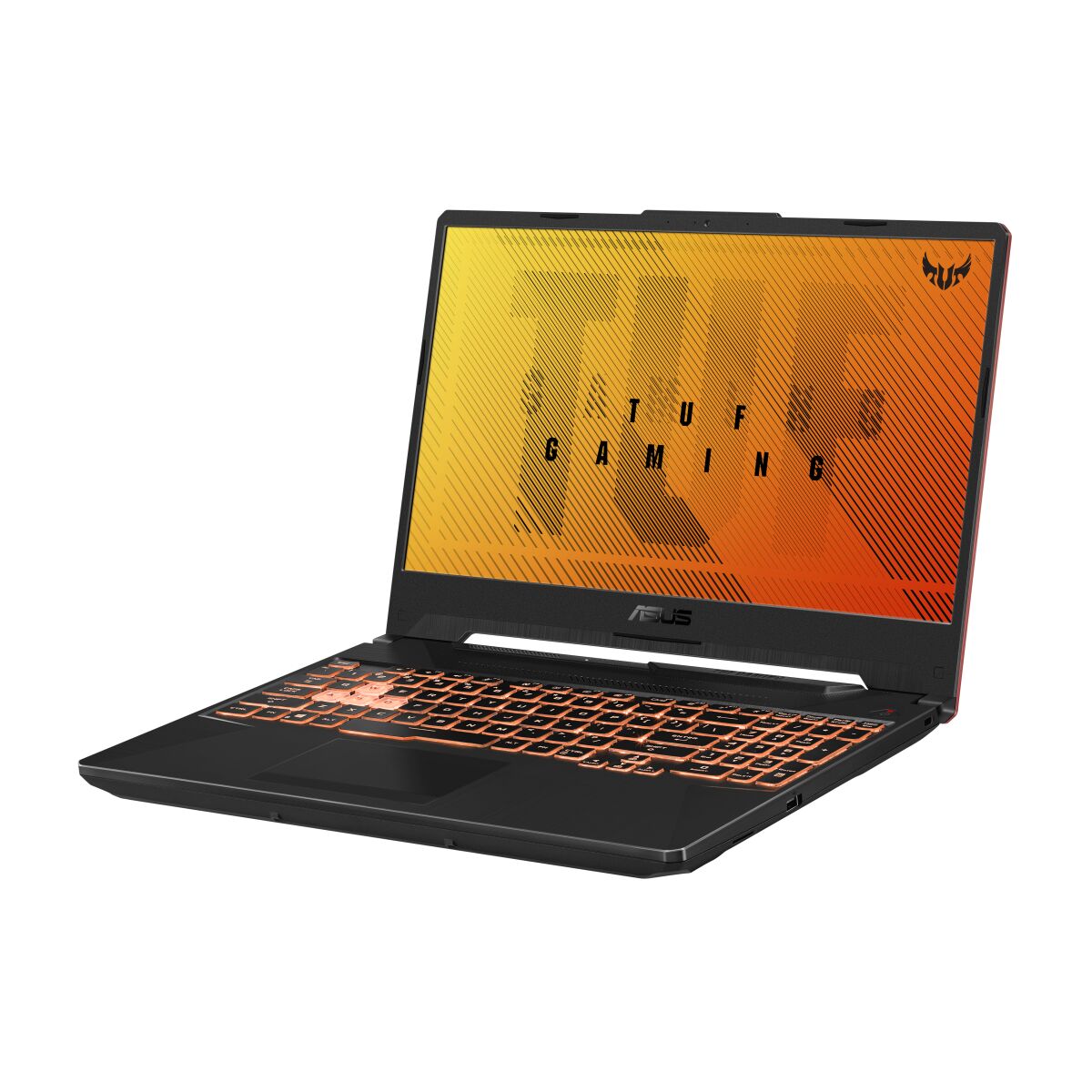
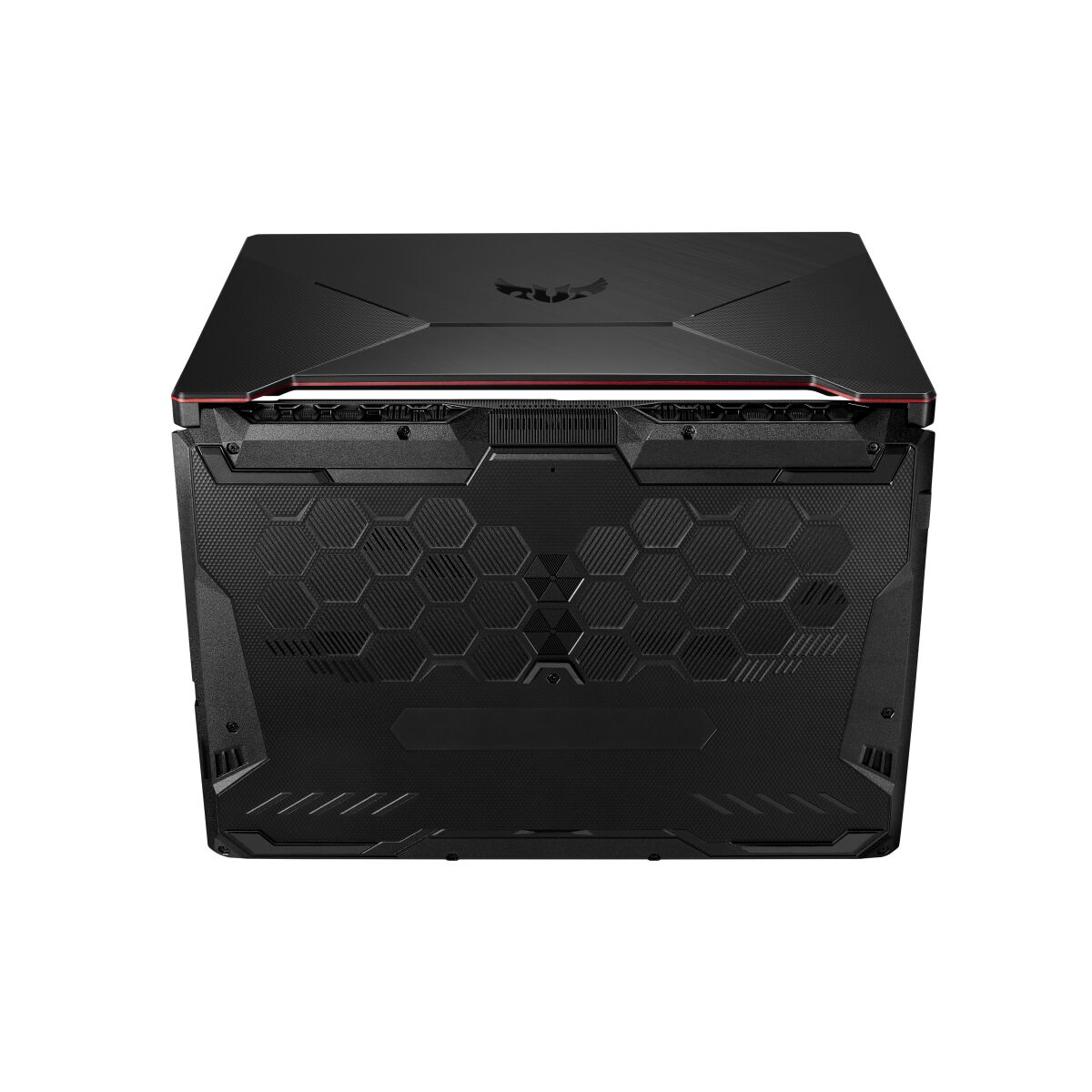
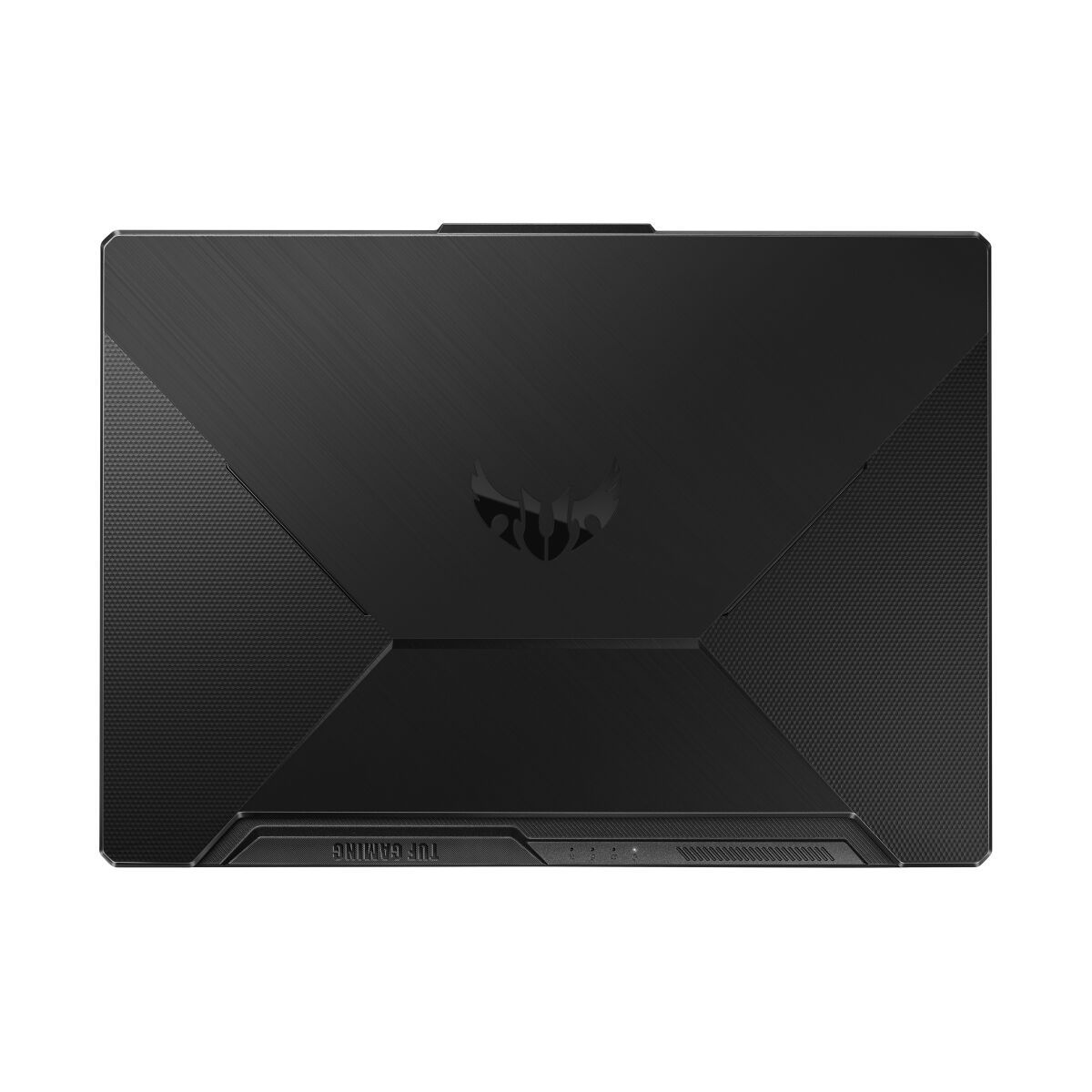
The ASUS TUF Gaming F15 FX506LU-HN106T features DDR4-SDRAM memory specifications with 2 SO-DIMM slots for upgrade capacity. Maximum supported memory reaches 32 GB, with compatible modules operating at 2933 MHz frequency. The laptop accommodates SO-DIMM form factor memory modules, allowing users to expand RAM capacity beyond factory configuration through compatible DDR4 upgrades installed in available memory slots.
Memory Upgrade Specifications
| Specification | Value |
|---|---|
| Memory slots | 2x SO-DIMM |
| Form factor | SO-DIMM |
| Memory type | DDR4-SDRAM |
| Frequency | 2933 MHz |
| Maximum RAM | 32 GB |
| Voltage | 1.2V |
| Number of pins | 260-pin |
| Interface | PC4 |
| PC Speed Rating | PC4-2933 (PC4-23464) |
| Bandwidth | 23.5 GB/s |
| Laptop Release date | 29 January 2021 |
Additional Notes
- The ASUS TUF Gaming FX506LU-HN106T accepts only SO-DIMM modules, which excludes standard desktop DIMM memory despite identical DDR4 technology.
- The 32 GB ceiling implies a chipset limitation requiring 2x16 GB configuration, as single 32 GB SO-DIMM modules exceed platform support.
- Modules faster than 2933 MHz will function but downclock to match the supported frequency, wasting the premium paid for higher-rated components.
- Both SO-DIMM slots are accessible through the bottom panel, eliminating the need for keyboard or motherboard removal during installation.
- Mixing modules with different CAS latencies forces all memory to operate at the slowest timing, reducing dual-channel efficiency.
- The absence of ECC specification confirms non-buffered memory requirement, as unbuffered SO-DIMMs maintain compatibility with consumer-grade platforms.
- Dual-channel architecture requires matched pairs in both slots to achieve full 2933 MHz bandwidth, while single-module operation halves memory throughput.
- Voltage specification defaults to 1.2V for DDR4, but modules rated at 1.35V or higher risk compatibility rejection during POST.
- The platform supports single-rank and dual-rank configurations, though mixing densities may trigger asymmetric mode with reduced performance.
- Third-party modules void no hardware warranty when meeting JEDEC DDR4-2933 standards, though non-standard XMP profiles require BIOS support verification.