ASUS TUF Gaming FX507VU-LP141W-GAMING RAM upgrade specifications
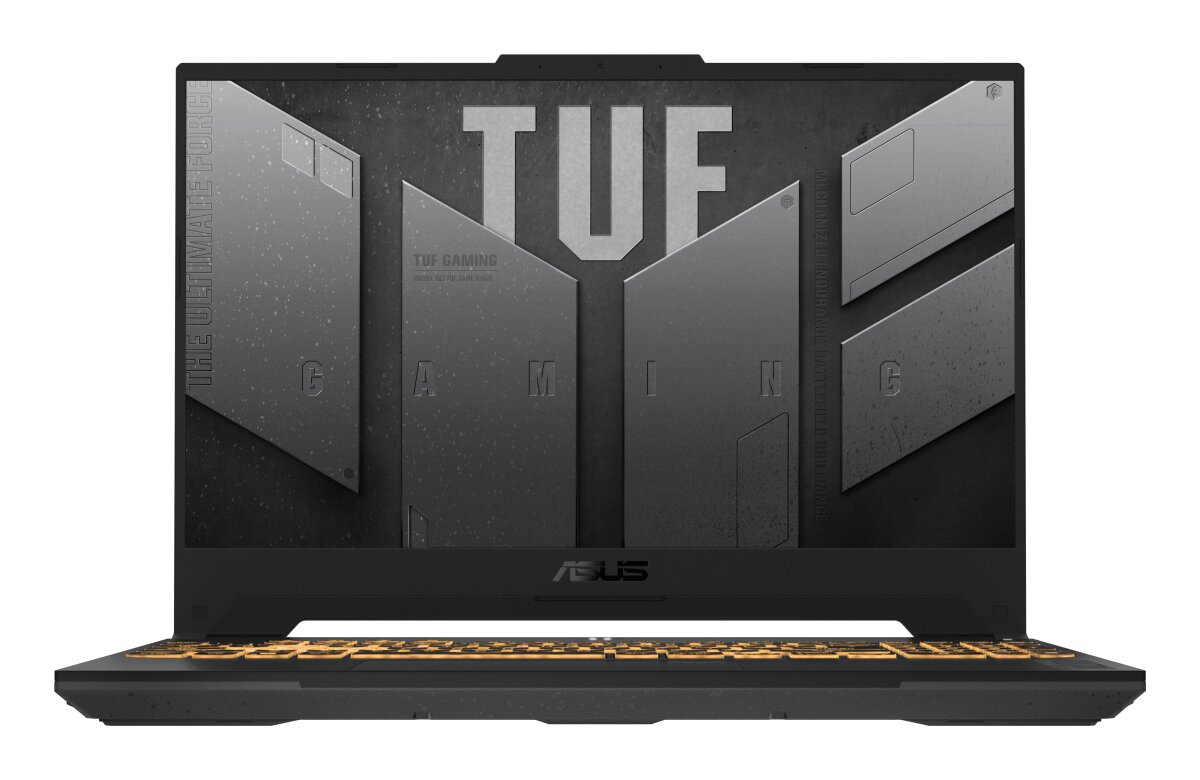

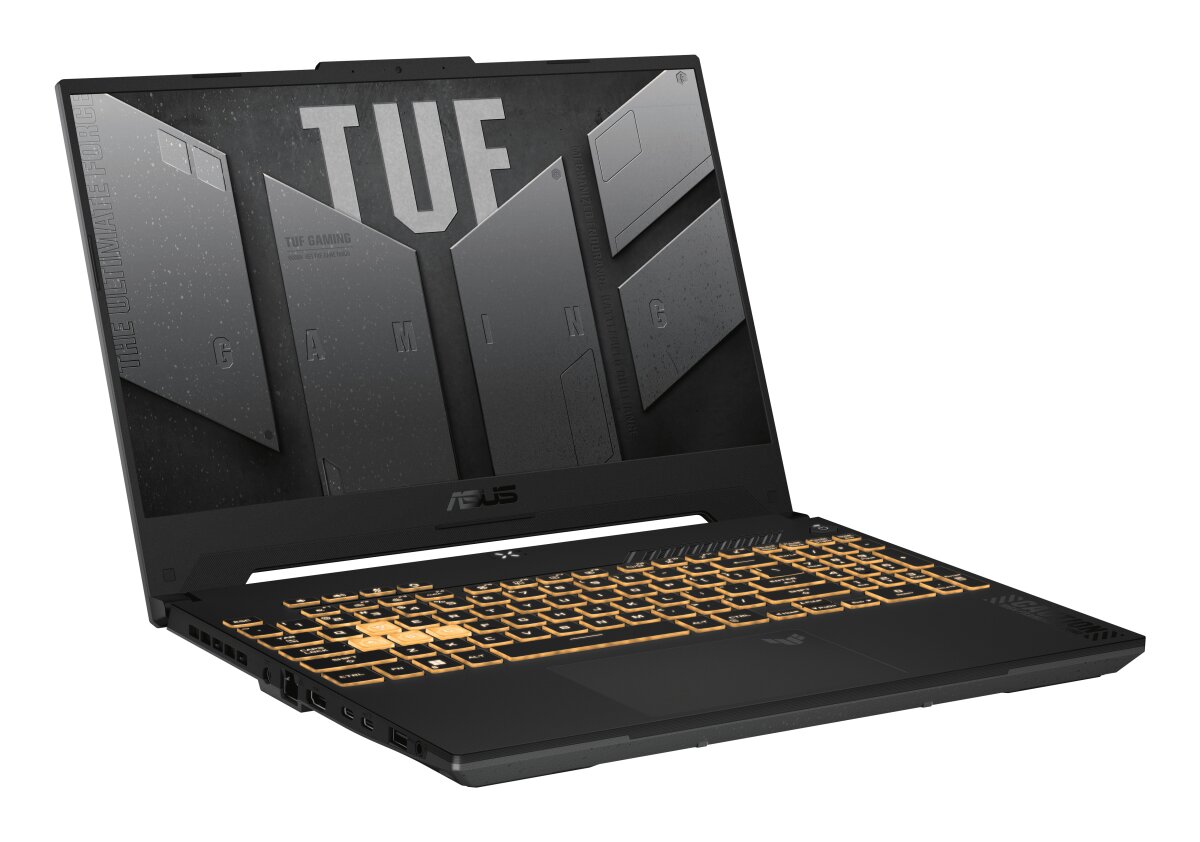

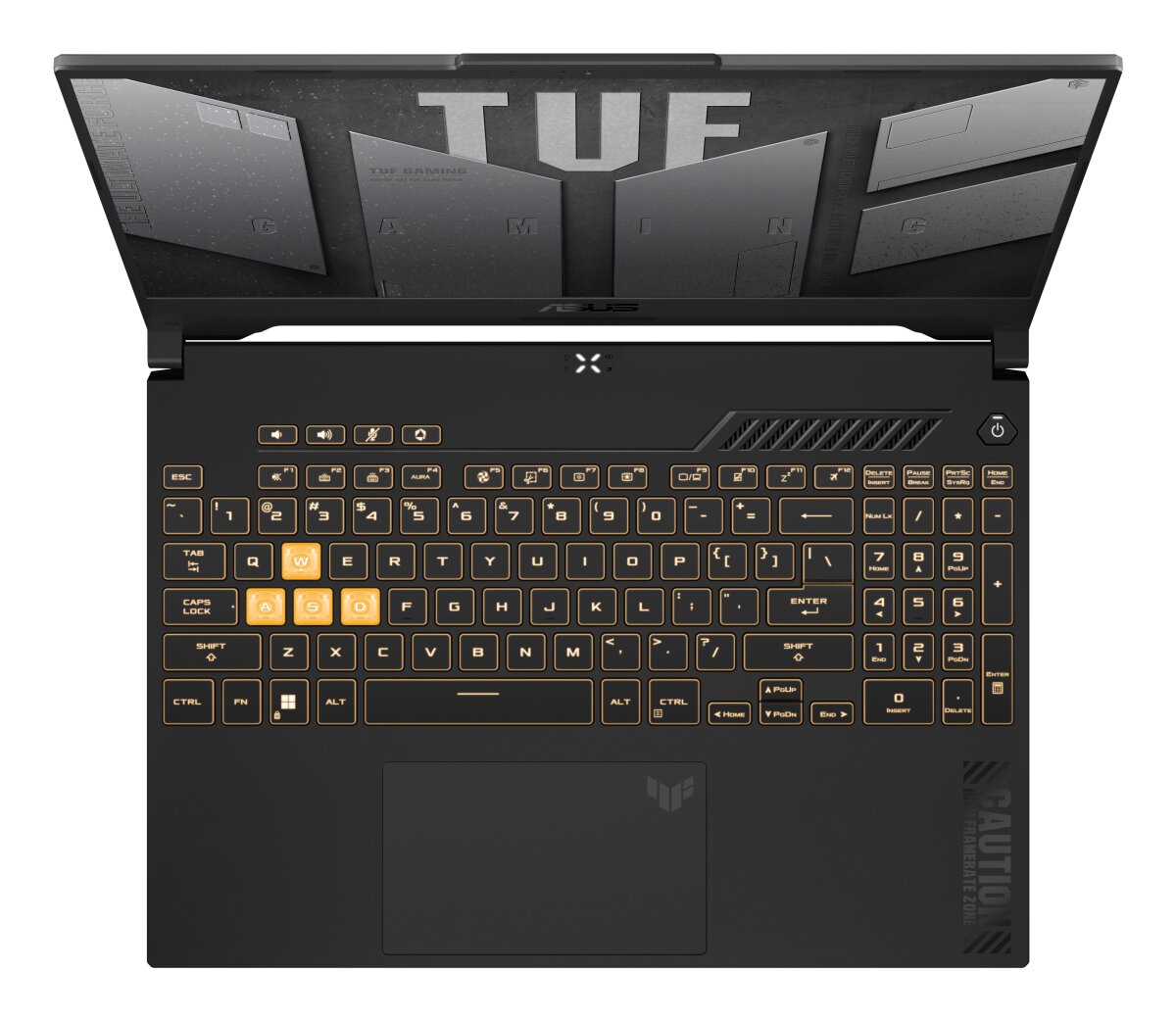
The ASUS TUF Gaming FX507VU-LP141W-GAMING laptop features DDR5-SDRAM memory upgrade capabilities with two SO-DIMM slots supporting maximum RAM capacity of 32 GB. Compatible memory specifications include DDR5 operating at 4800 MHz frequency. The upgrade slots accommodate SO-DIMM form factor modules, enabling users to expand memory configurations for enhanced multitasking and gaming performance on the F15 series gaming platform.
Memory Upgrade Specifications
| Specification | Value |
|---|---|
| Memory slots | 2x SO-DIMM |
| Form factor | SO-DIMM |
| Memory type | DDR5-SDRAM |
| Frequency | 4800 MHz |
| Maximum RAM | 32 GB |
| Voltage | 1.1V |
| Number of pins | 262-pin |
| Interface | PC5 |
| PC Speed Rating | PC5-4800 (PC5-38400) |
| Bandwidth | 38.4 GB/s |
Additional Notes
- The ASUS TUF Gaming FX507VU-LP141W-GAMING utilizes SO-DIMM slots, which means only laptop-specific memory modules will fit; desktop DDR5 UDIMM modules cannot be installed regardless of speed rating.
- DDR5-4800 memory operates at a higher latency cycle compared to DDR5-5600 or faster variants, resulting in marginally reduced random-access performance; however, sequential bandwidth remains adequate for gaming workloads at this clock speed.
- The 2-slot configuration supports a maximum of 32 GB total capacity (16 GB per slot), leaving no headroom for future expansion beyond this ceiling without replacing existing modules entirely.
- Upgrading to the full 32 GB capacity requires removing the factory-installed module and replacing it with 2x16 GB SO-DIMM sticks; this process voids warranties if not performed by authorized service centers, depending on regional ASUS policy.
- DDR5-4800 SO-DIMM modules are commoditized components with wide OEM availability, reducing cost barriers for upgrades but creating compatibility verification requirements with the BIOS version installed at purchase.
- The bandwidth ceiling of 4800 MHz will not saturate the PCIe Gen 4 or Gen 5 connection to discrete GPUs in this chassis, meaning memory speed is not a performance limiting factor for graphics rendering tasks.