ASUS TUF Gaming FX507VU-DS91-CA RAM upgrade specifications
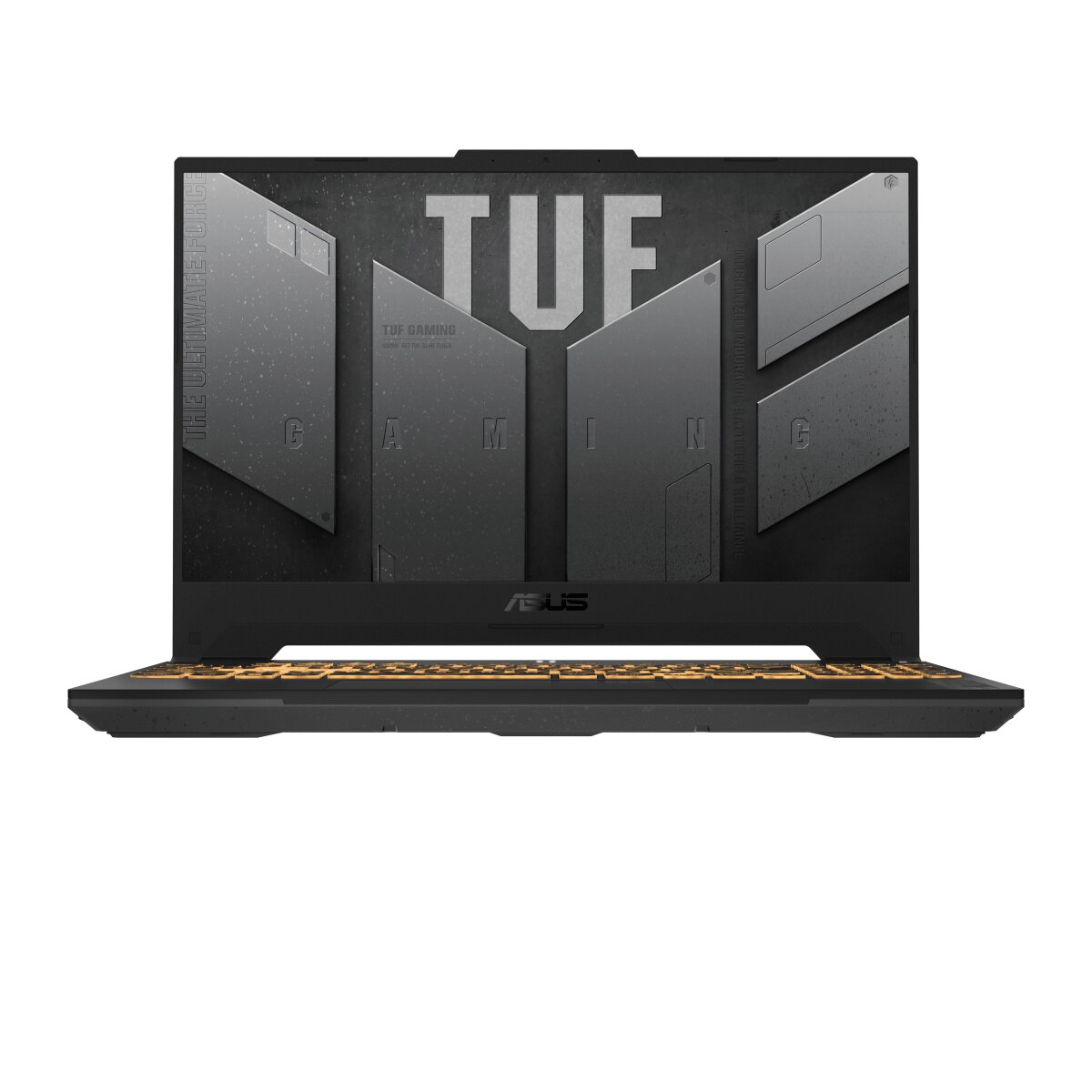
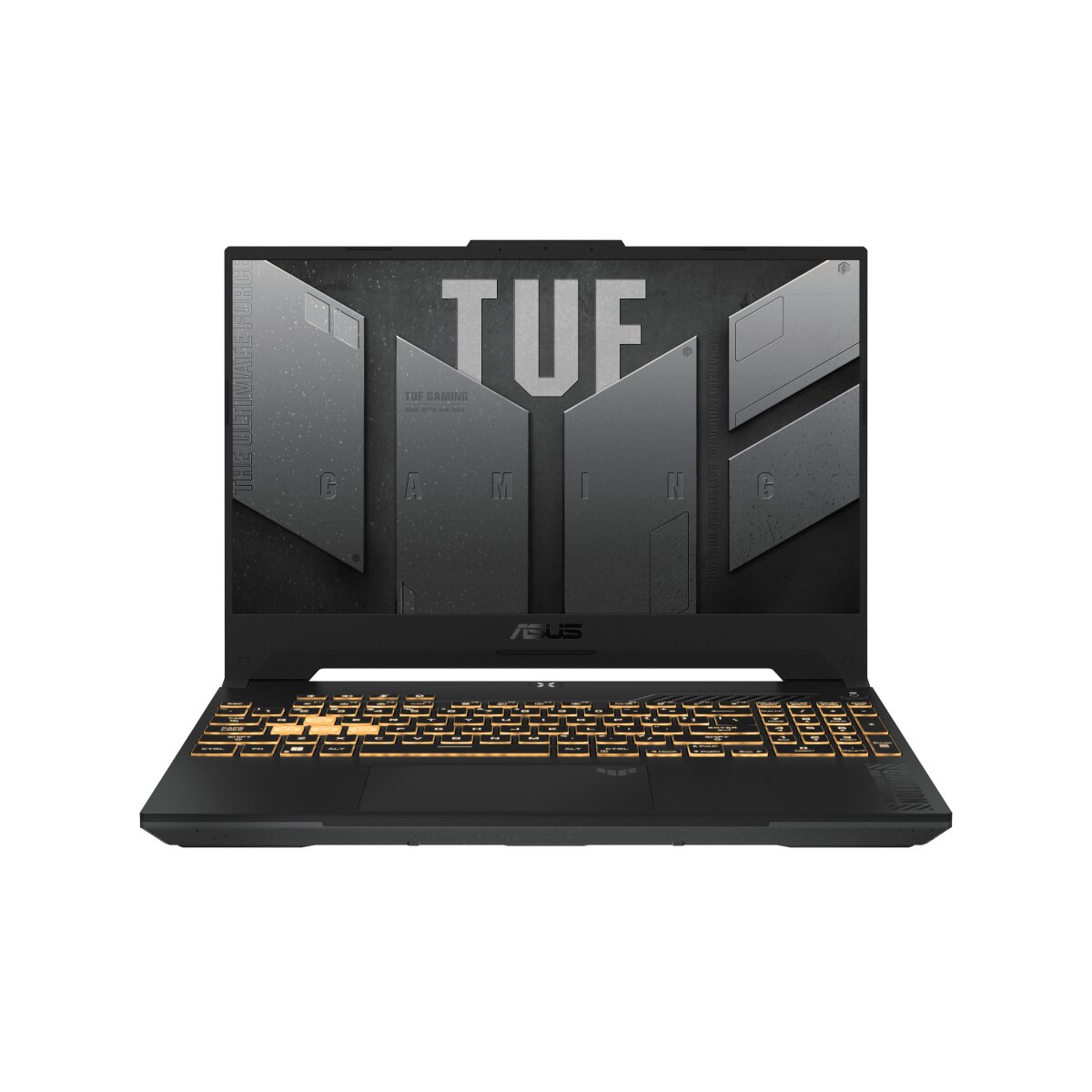
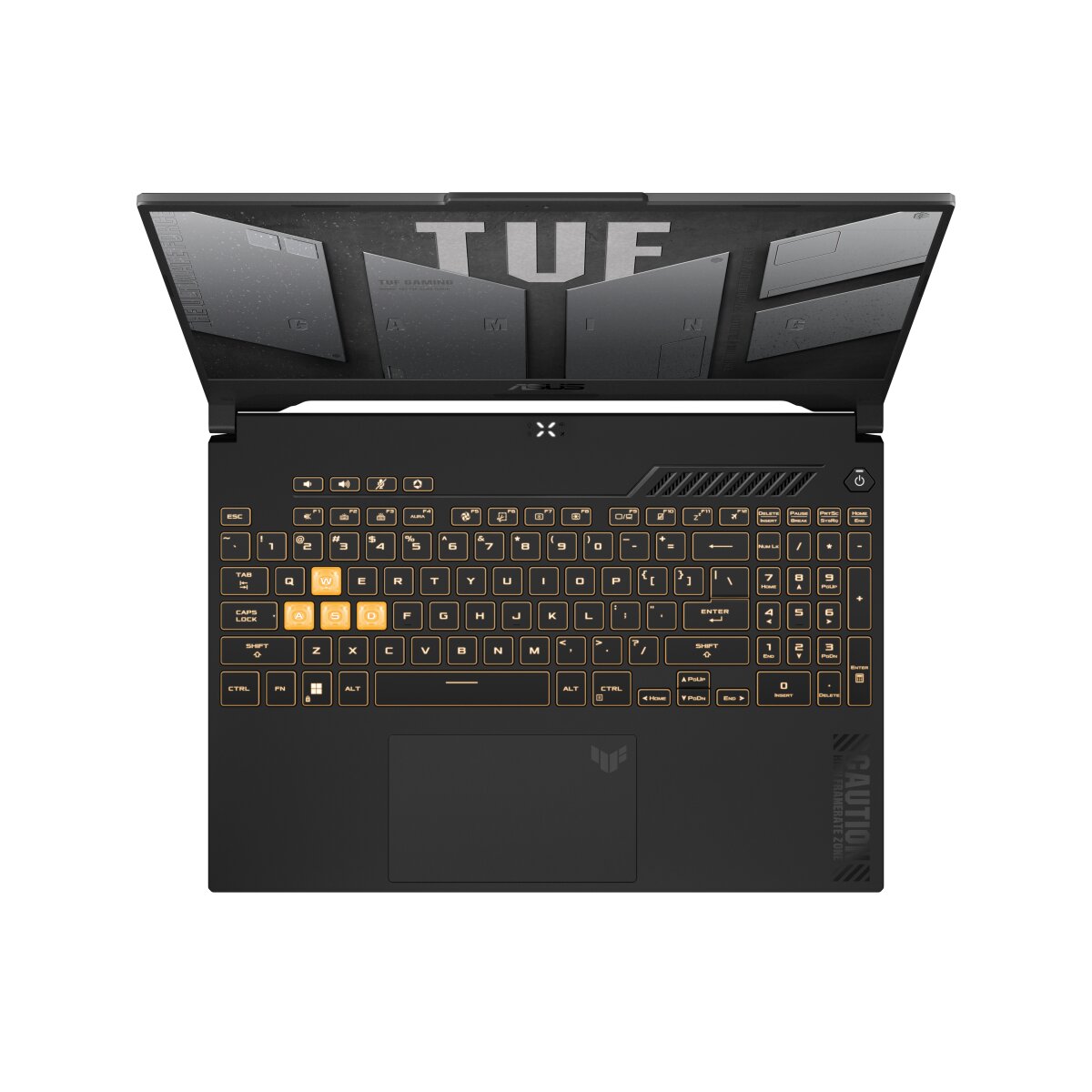
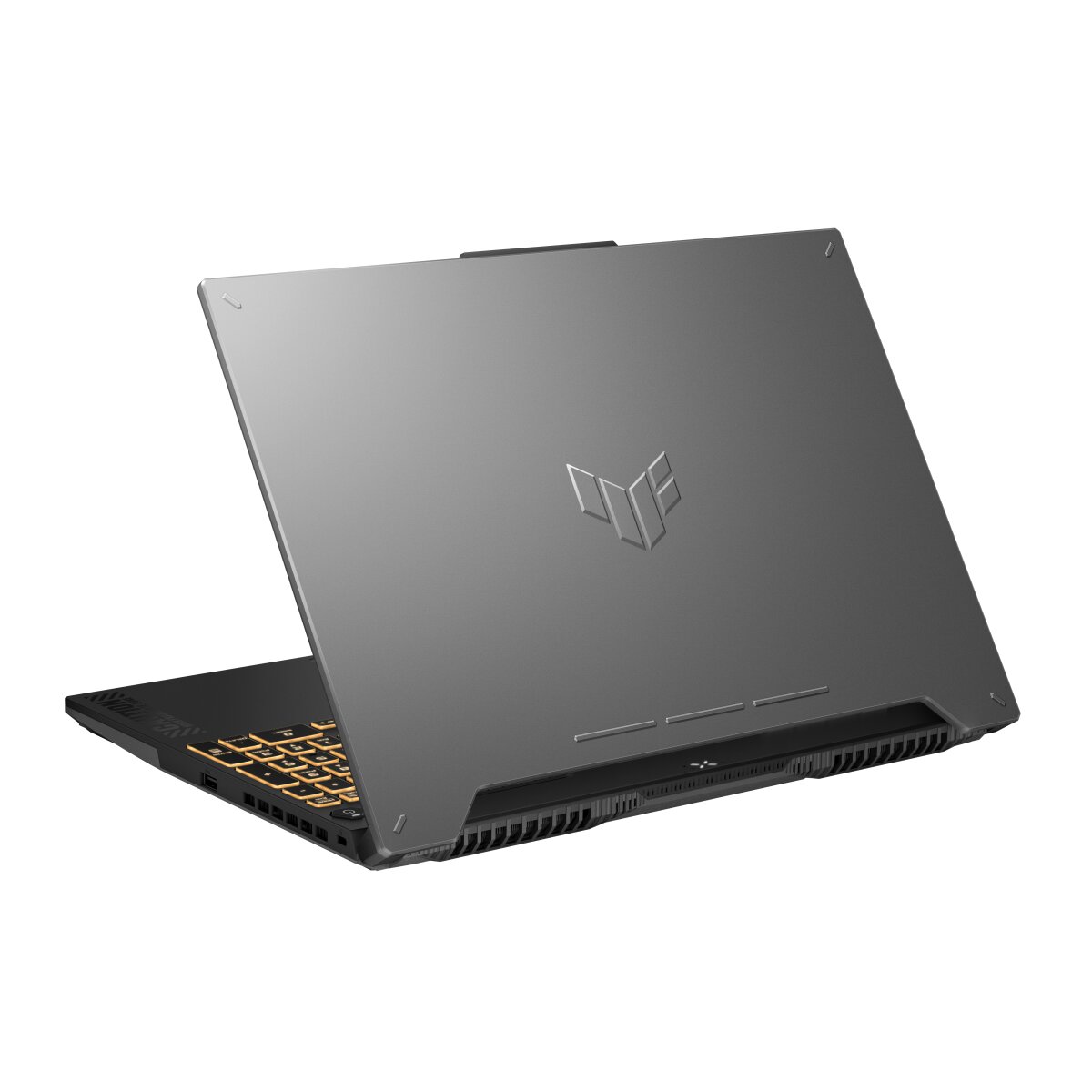
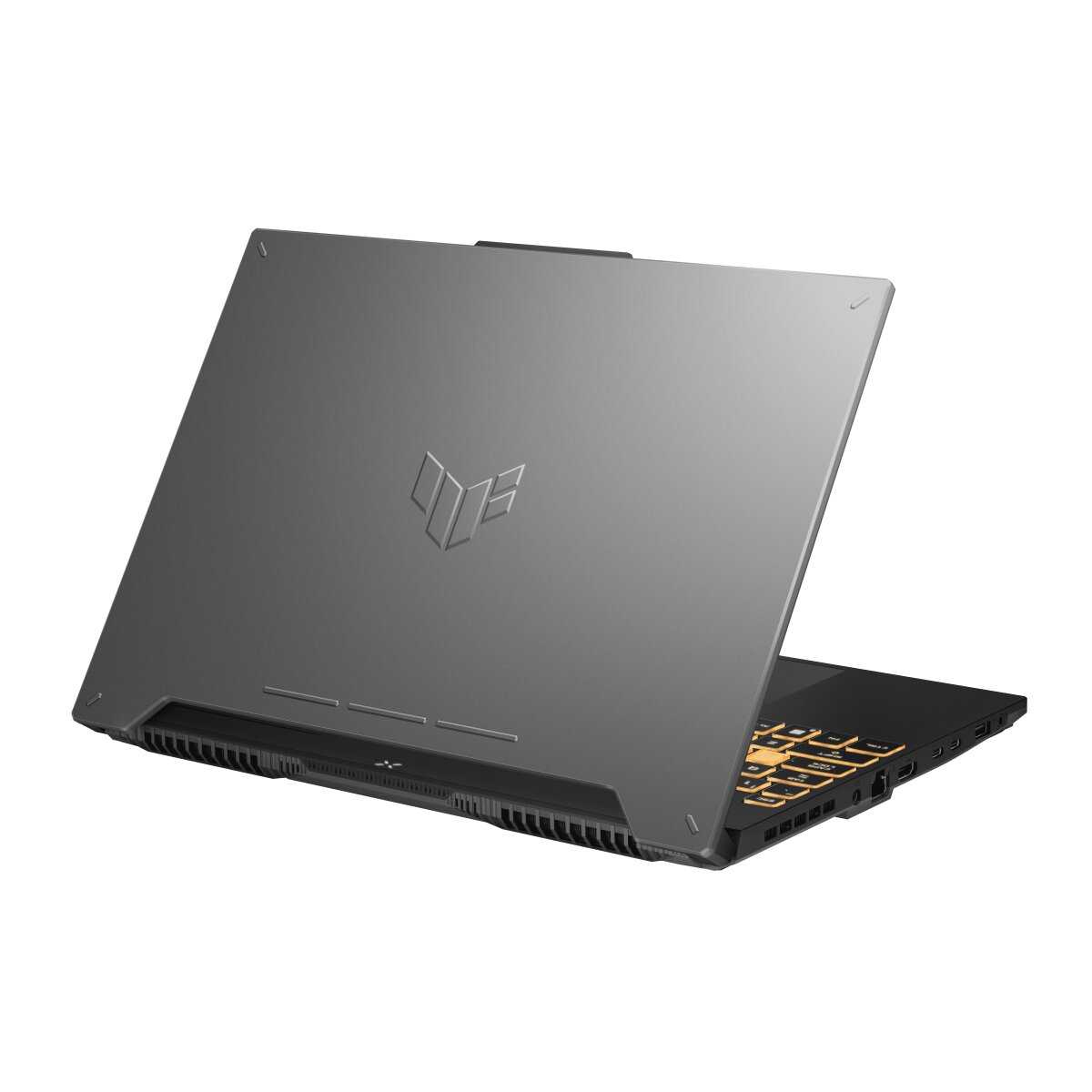
The ASUS TUF Gaming F15 FX507VU-DS91-CA features two SO-DIMM slots supporting DDR4-SDRAM memory modules. The laptop specifications indicate maximum RAM capacity of 32 GB, with compatible memory operating at 3200 MHz frequency. Memory upgrade configurations allow installation of matched pairs up to the supported maximum capacity. The SO-DIMM form factor defines the physical specifications for compatible RAM modules. Existing memory can be upgraded by removing and replacing modules in available slots to enhance system performance and multitasking capabilities.
Memory Upgrade Specifications
| Specification | Value |
|---|---|
| Memory slots | 2x SO-DIMM |
| Form factor | SO-DIMM |
| Memory type | DDR4-SDRAM |
| Frequency | 3200 MHz |
| Maximum RAM | 32 GB |
| Voltage | 1.2V |
| Number of pins | 260-pin |
| Interface | PC4 |
| PC Speed Rating | PC4-3200 (PC4-25600) |
| Bandwidth | 25.6 GB/s |
| Laptop Release date | 12 March 2023 |
Additional Notes
- The ASUS TUF Gaming FX507VU-DS91-CA uses DDR4 technology, which cannot be replaced with DDR5 modules due to incompatible physical notch positions and voltage requirements.
- The 32 GB ceiling reflects controller limitations in the system chipset, meaning installation of higher-capacity modules will either fail to boot or recognize only 32 GB total.
- Both memory slots share bandwidth with the integrated memory controller, so single-channel operation with one occupied slot will halve throughput compared to dual-channel configurations.
- The 3200 MHz specification represents the maximum validated speed, though modules rated higher may downclock automatically to this frequency without BIOS intervention.
- SO-DIMM form factor compliance is mandatory, as standard DIMM modules are physically incompatible with laptop-sized slots and will not fit regardless of electrical specifications.
- Memory controller architecture typically reserves specific address ranges for integrated graphics, reducing usable capacity from installed totals in systems with shared video memory.
- Access to both slots may require complete bottom panel removal rather than a dedicated service door, potentially affecting warranty status if security seals are disturbed.
- The dual-slot configuration allows asymmetric capacity pairing, though unequal module sizes will limit dual-channel mode to the lowest common capacity between slots.
- DDR4-3200 operates at 1.2 volts standard, so modules requiring XMP profiles or higher voltage may cause instability if the BIOS lacks manual timing adjustment options.
- Thermal constraints in compact chassis designs may throttle sustained memory-intensive workloads even with matched specifications, particularly when combined with simultaneous CPU and GPU loads.