ASUS TUF Gaming FX507VI-LP143-GAMING RAM upgrade specifications
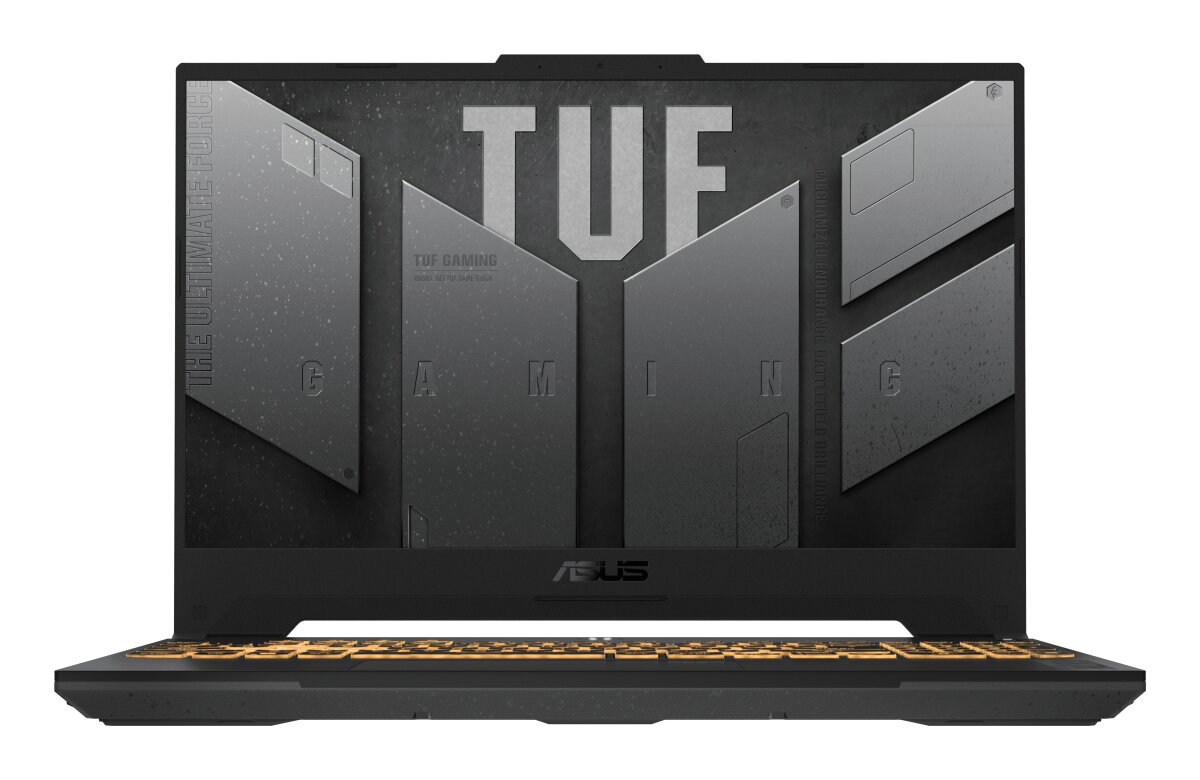
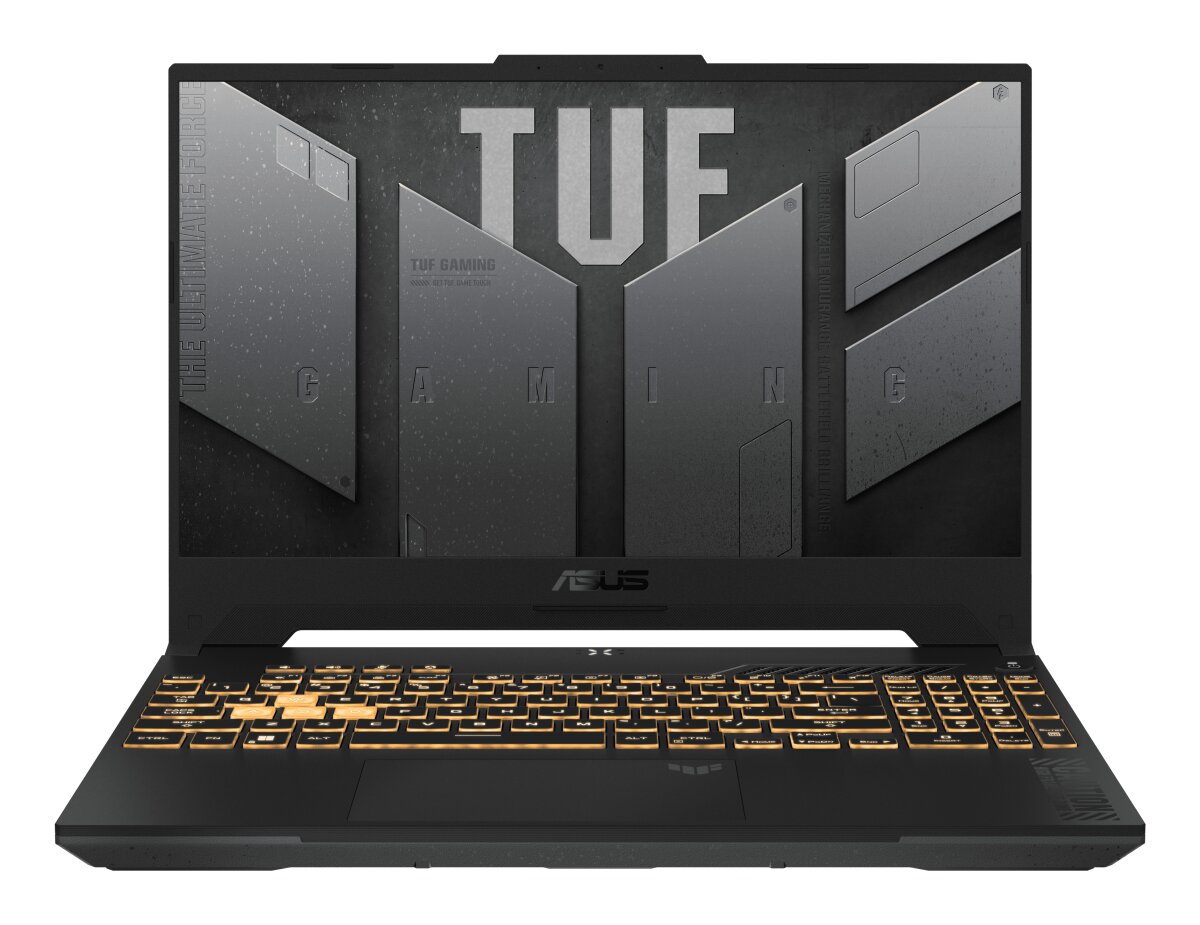
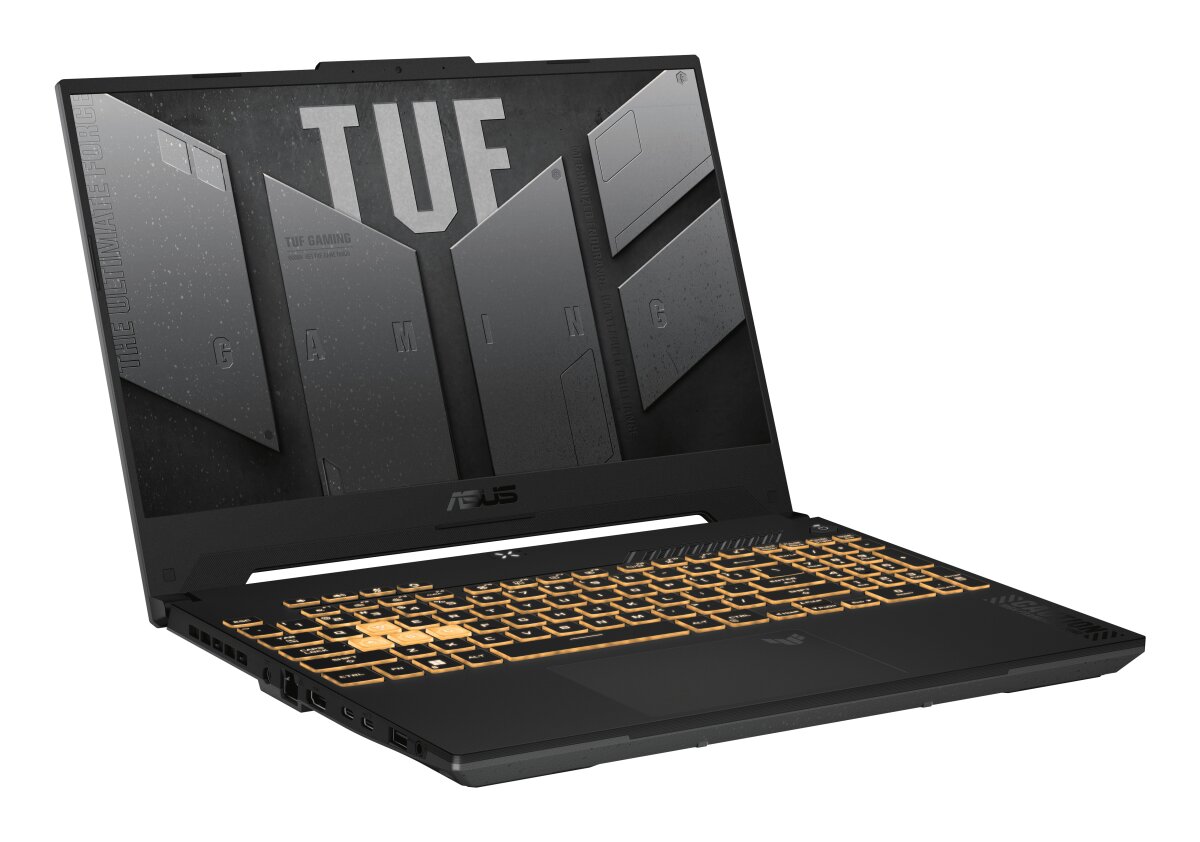
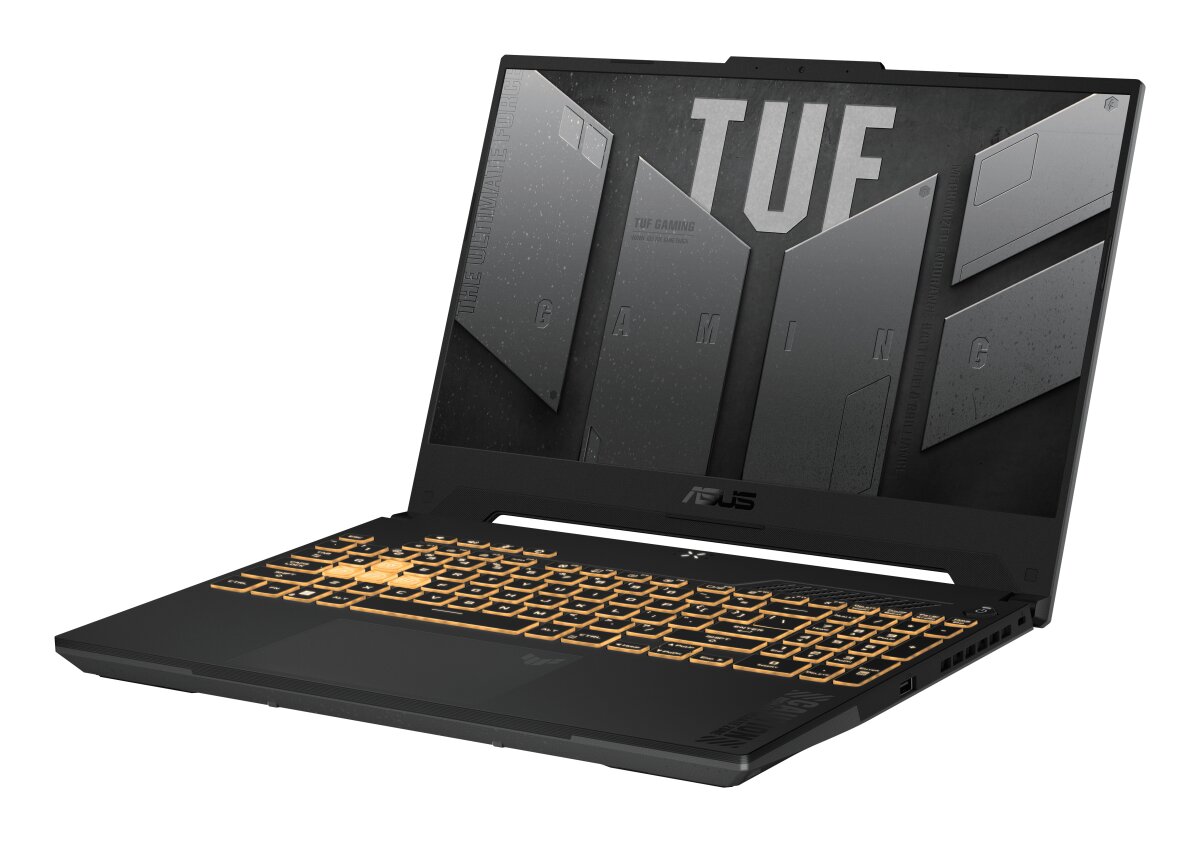
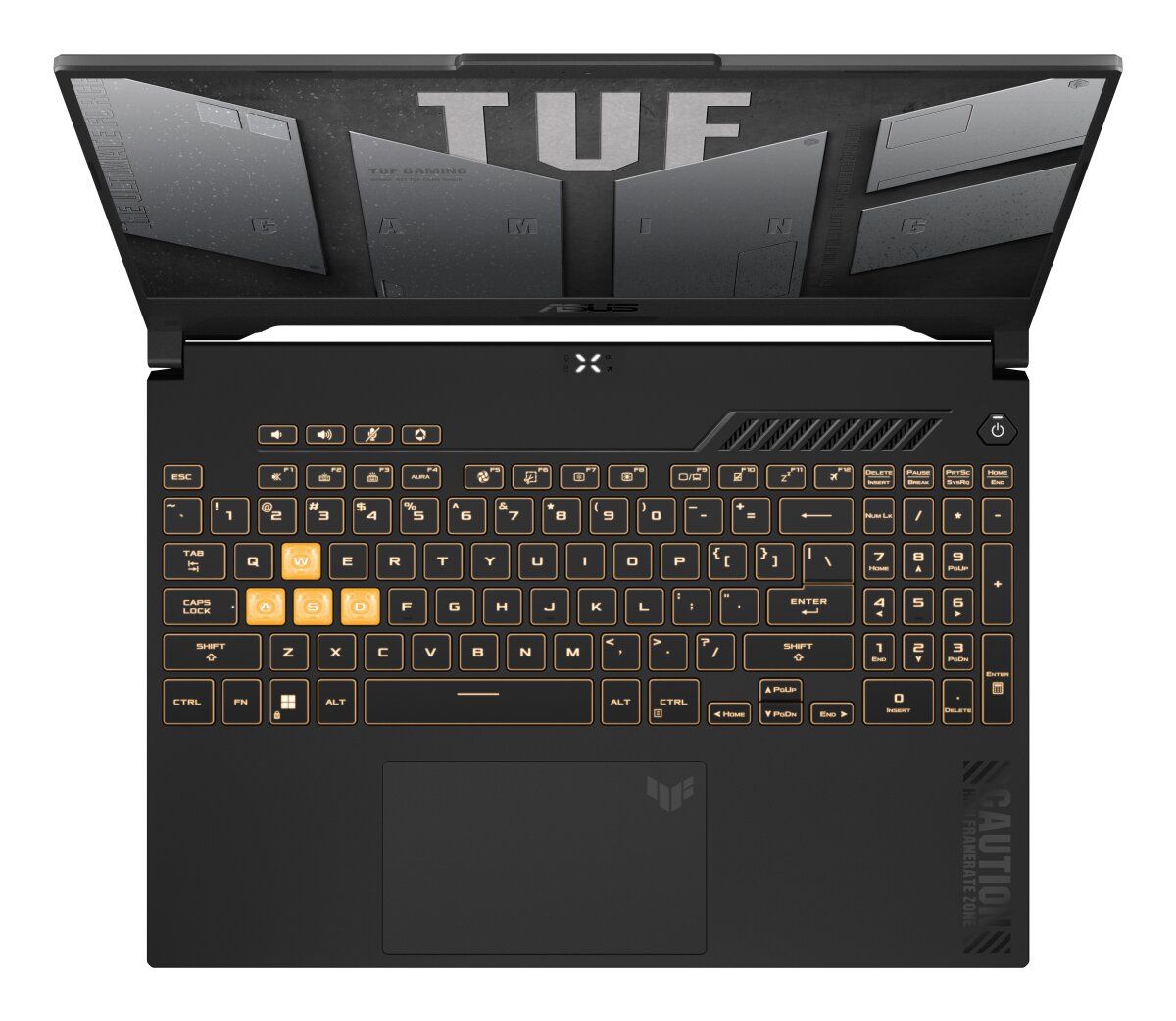
ASUS TUF Gaming F15 FX507VI-LP143-GAMING laptop features DDR5-SDRAM memory upgrade specifications. The gaming notebook includes two SO-DIMM slots supporting maximum RAM capacity of 32 GB. Compatible memory modules operate at 4800 MHz frequency. Upgrade specifications enable installation of DDR5 SO-DIMM memory sticks to increase system performance. Maximum memory configuration reaches 32 GB total capacity across the available slots. Memory upgrade compatibility requires DDR5-SDRAM modules in SO-DIMM form factor operating at specified frequency rates.
Memory Upgrade Specifications
| Specification | Value |
|---|---|
| Memory slots | 2x SO-DIMM |
| Form factor | SO-DIMM |
| Memory type | DDR5-SDRAM |
| Frequency | 4800 MHz |
| Maximum RAM | 32 GB |
| Voltage | 1.1V |
| Number of pins | 262-pin |
| Interface | PC5 |
| PC Speed Rating | PC5-4800 (PC5-38400) |
| Bandwidth | 38.4 GB/s |
Additional Notes
- The presence of 2 SO-DIMM slots allows for a dual-channel memory configuration which doubles the theoretical bandwidth available to the processor compared to a single module.
- Upgrading the ASUS FX507VI-LP143-GAMING requires the removal of the bottom chassis panel which may involve proprietary screws or plastic clips that necessitate specific prying tools to avoid physical damage.
- The 32 GB capacity threshold suggests a BIOS level or chipset limitation that prevents the utilization of 32 GB or 48 GB high-density modules in each slot.
- Installing modules with frequencies higher than 4800 MHz will result in the system downclocking the RAM to match the internal bus speed limitations of the motherboard.
- Mixing modules with different timings or ranks can cause the system to default to the slowest common latency values or lead to boot instability in a DDR5 environment.
- Accessing the memory slots typically requires disconnecting the internal battery first to prevent short circuits during the installation of new hardware components.
- The 4800 MHz base frequency indicates a first-generation DDR5 implementation where stability is prioritized over extreme overclocking profiles.