ASUS TUF Gaming FX507VI-LP142W-GAMING RAM upgrade specifications
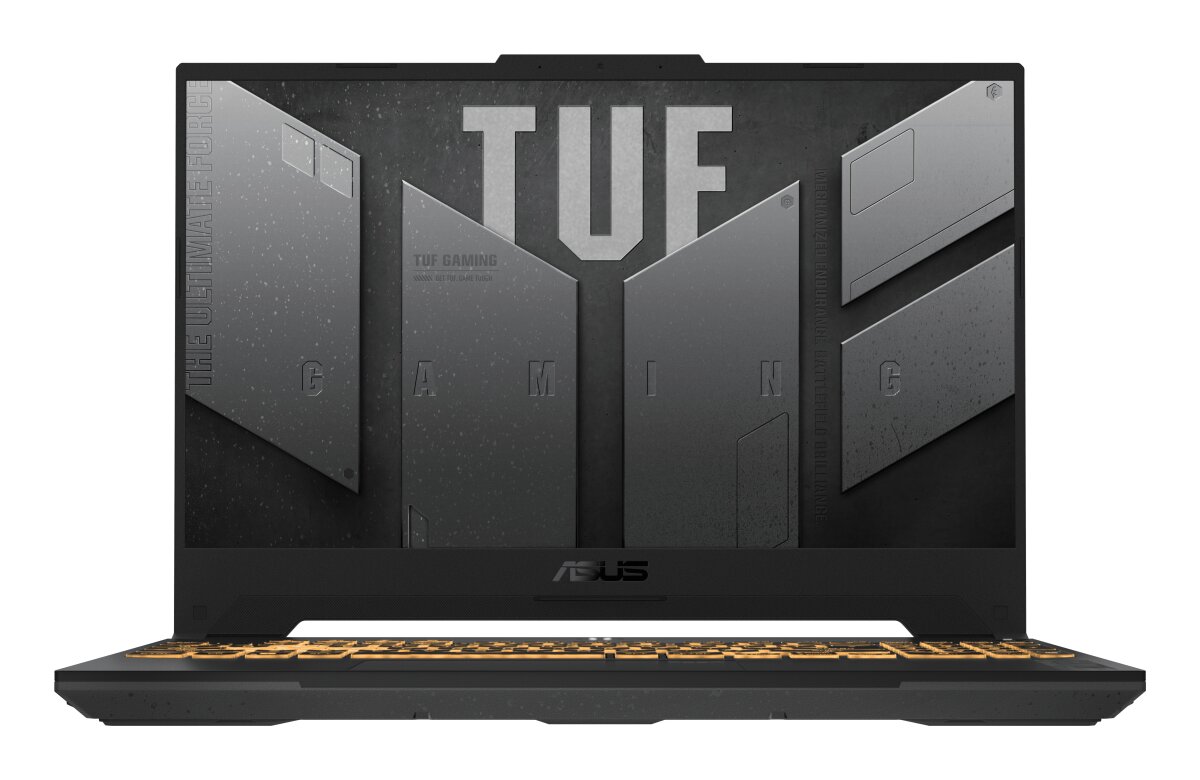
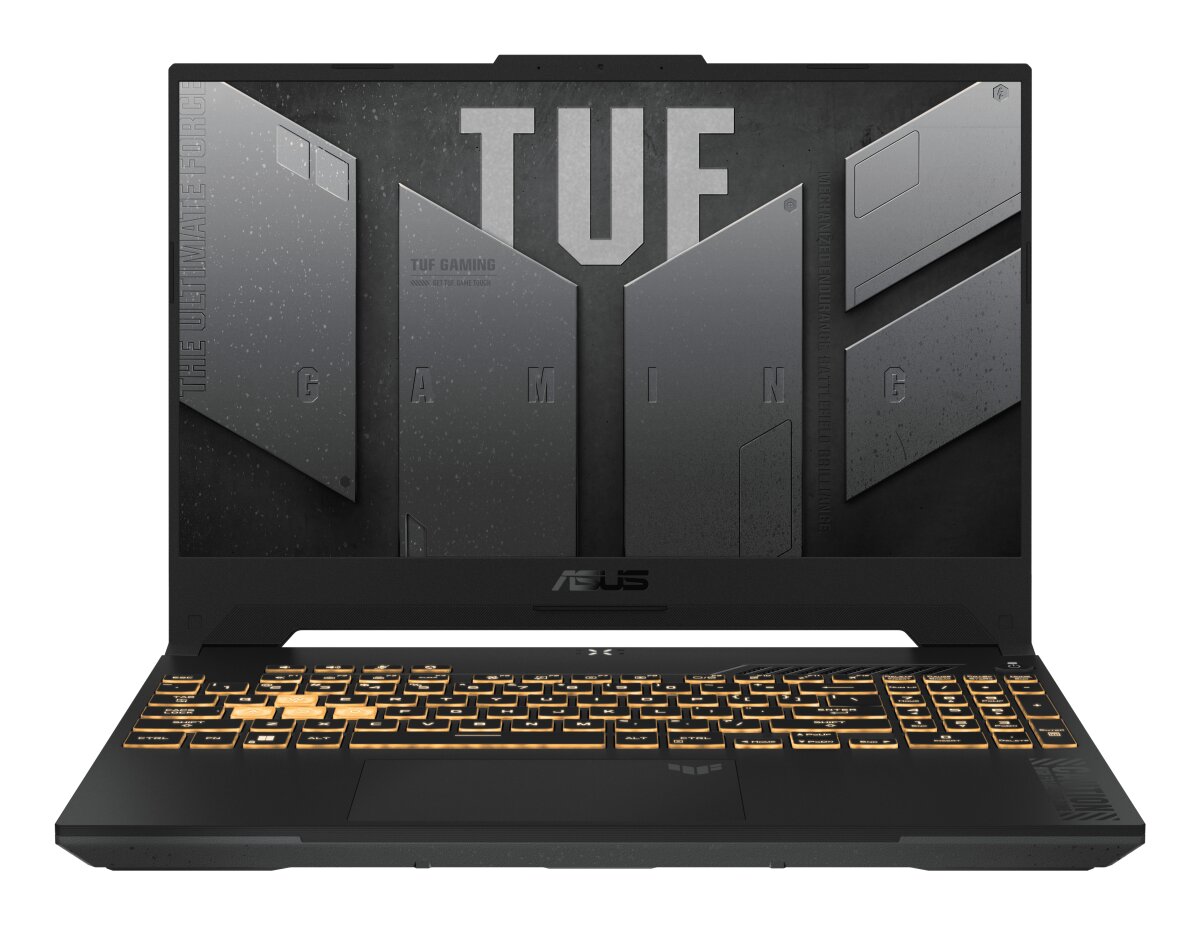
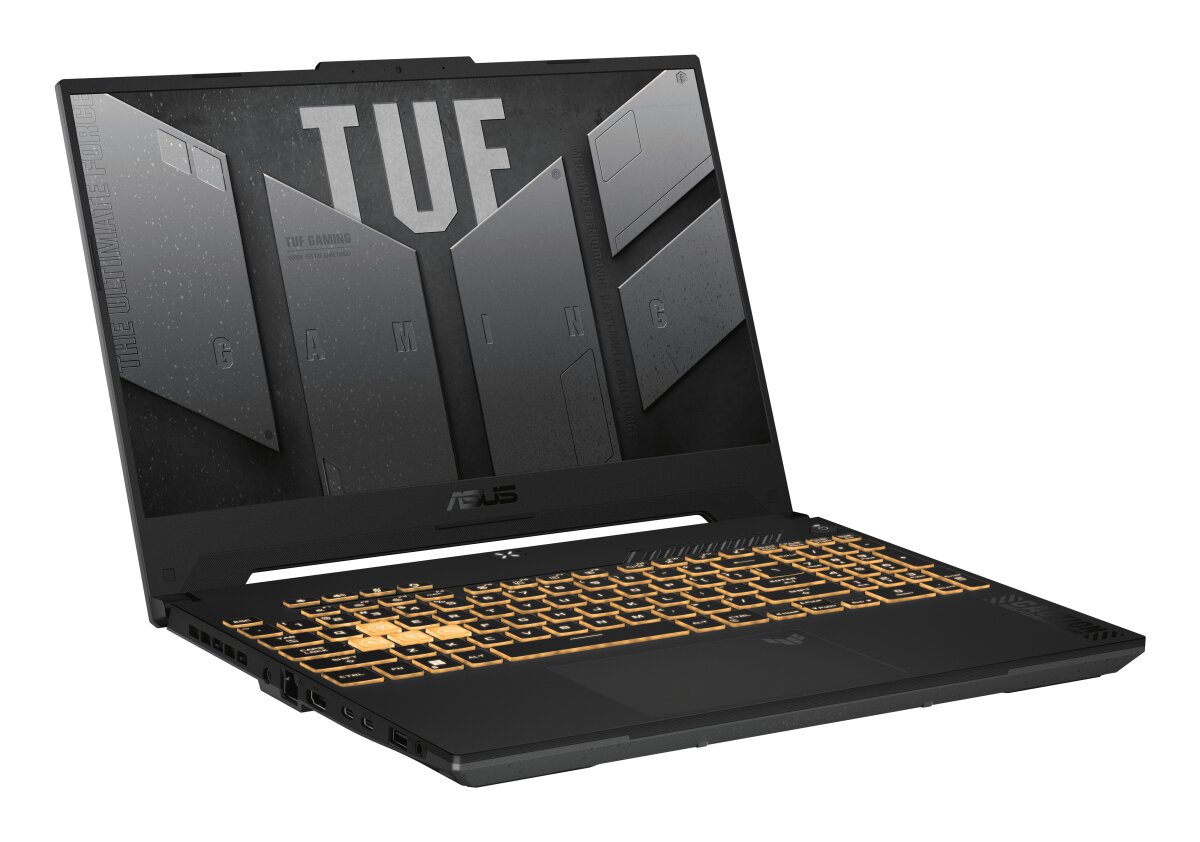
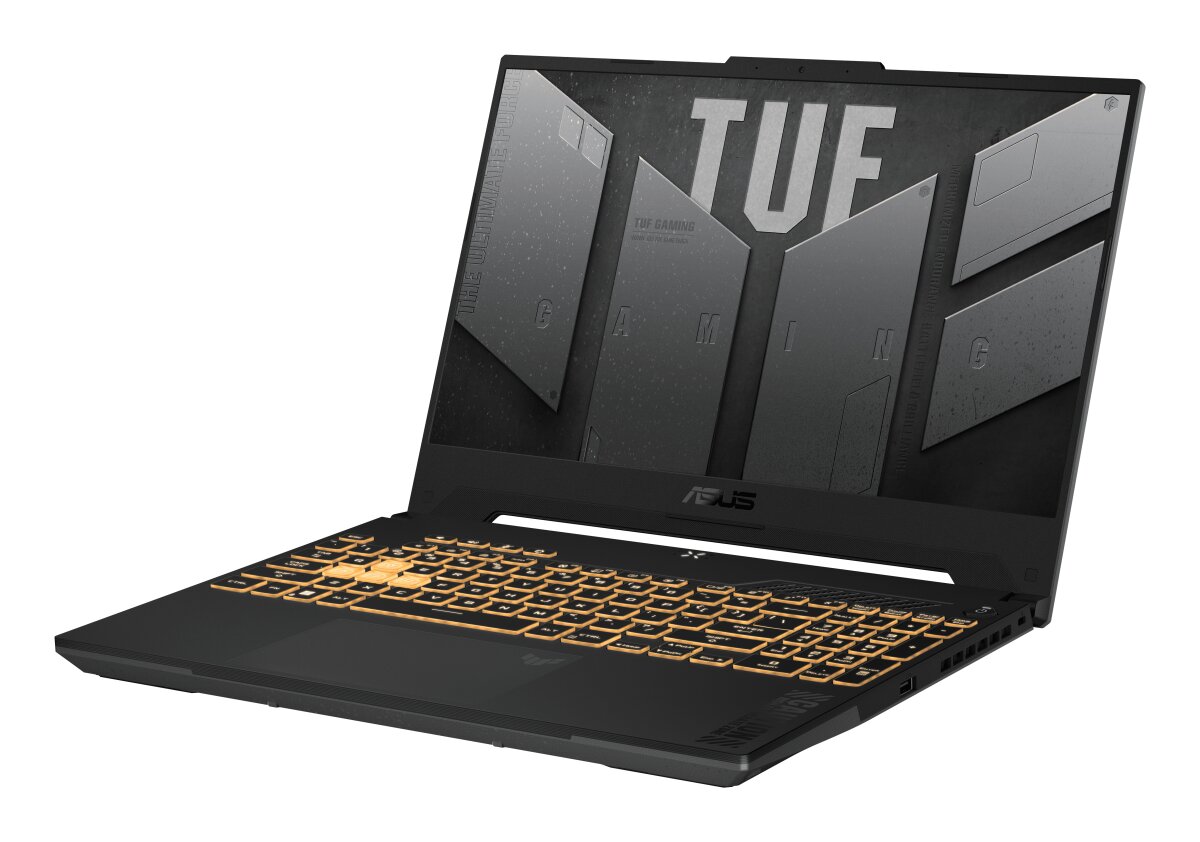
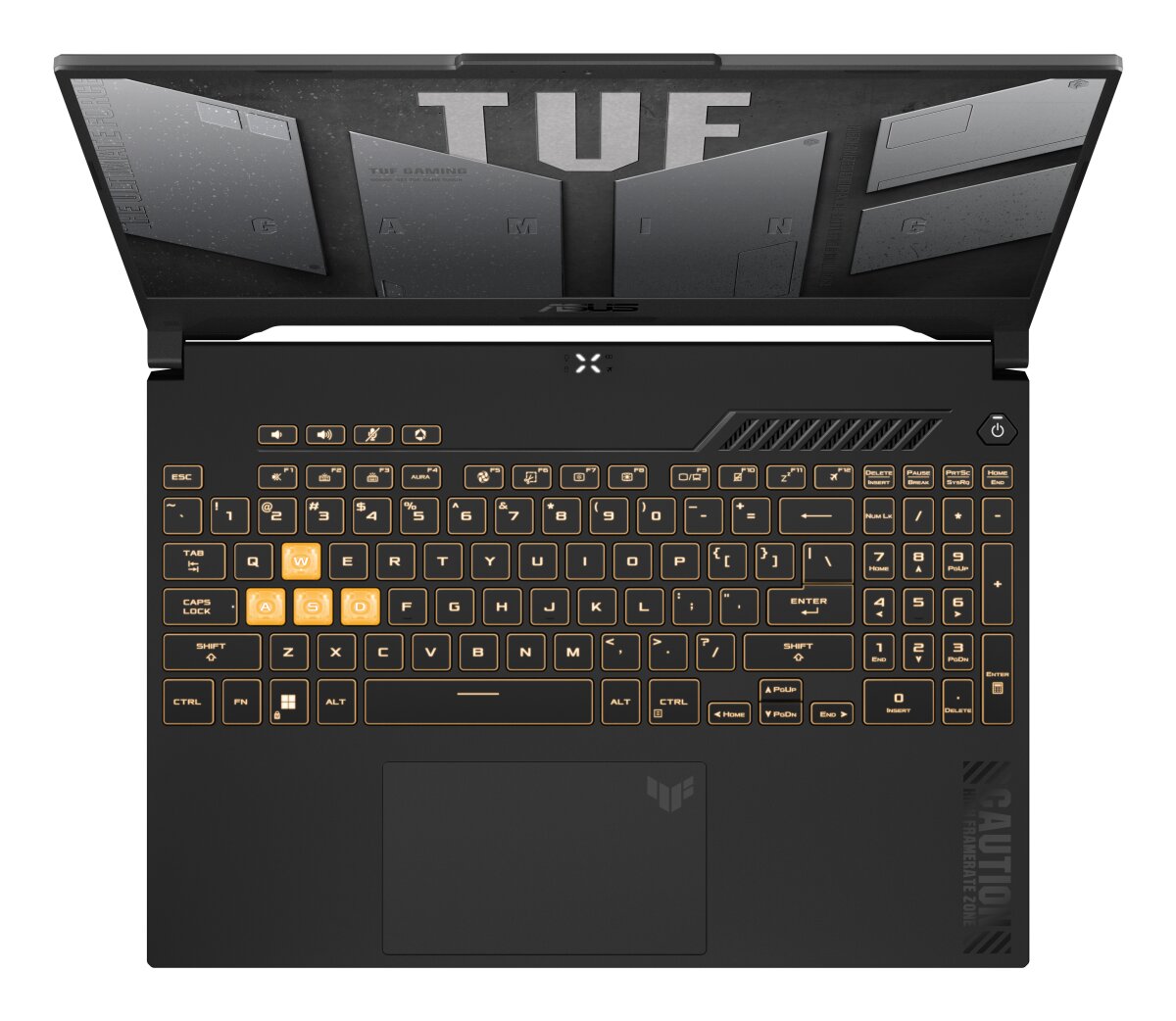
ASUS TUF Gaming FX507VI-LP142W-GAMING laptop RAM upgrade specifications feature DDR5-SDRAM memory with two SO-DIMM slots. Maximum memory capacity reaches 32 GB total, supporting DDR5-4800 MHz frequency. Compatible memory modules must match SO-DIMM form factor specifications. Upgrade options allow installation of matching pairs to achieve maximum RAM capacity. Memory slots accept standard DDR5 SO-DIMM modules operating at 4800 MHz specifications.
Memory Upgrade Specifications
| Specification | Value |
|---|---|
| Memory slots | 2x SO-DIMM |
| Form factor | SO-DIMM |
| Memory type | DDR5-SDRAM |
| Frequency | 4800 MHz |
| Maximum RAM | 32 GB |
| Voltage | 1.1V |
| Number of pins | 262-pin |
| Interface | PC5 |
| PC Speed Rating | PC5-4800 (PC5-38400) |
| Bandwidth | 38.4 GB/s |
Additional Notes
- DDR5 memory operates at reduced latency compared to DDR5-4800 standard specifications when paired with 13th-generation Intel processors, enabling tighter timing configurations that benefit sustained gaming workloads and content creation tasks.
- The 2-slot SO-DIMM configuration in the ASUS TUF Gaming FX507VI-LP142W-GAMING requires matching capacity modules for dual-channel operation; mismatched configurations force single-channel bandwidth degradation, reducing effective memory throughput by approximately 40 percent.
- Upgrading from factory configuration to 32 GB necessitates replacing both existing SO-DIMM modules rather than adding a single stick, as slot availability limits expansion to 2 physical positions.
- SO-DIMM DDR5-4800 modules designed for laptop form factors carry different electrical specifications than desktop UDIMM equivalents; desktop memory installation causes immediate system failure and potential component damage.
- The 32 GB ceiling creates a hard memory constraint for memory-intensive applications such as 3D rendering, virtual machine hosting, or large dataset processing; workloads exceeding this threshold cannot be accommodated through hardware upgrades on this platform.
- Warranty coverage on third-party memory upgrades typically requires component-level documentation from the manufacturer; installing non-certified DDR5 modules may void hardware support claims on memory-related failures.
- Memory frequency headroom remains limited at 4800 MHz; enthusiast-class DDR5-5600 or DDR5-6400 modules exhibit incompatibility with this platform's memory controller and boot into default 3200 MHz frequencies, negating performance gains from premium specifications.