ASUS TUF Gaming FX507VI-LP141-GAMING RAM upgrade specifications
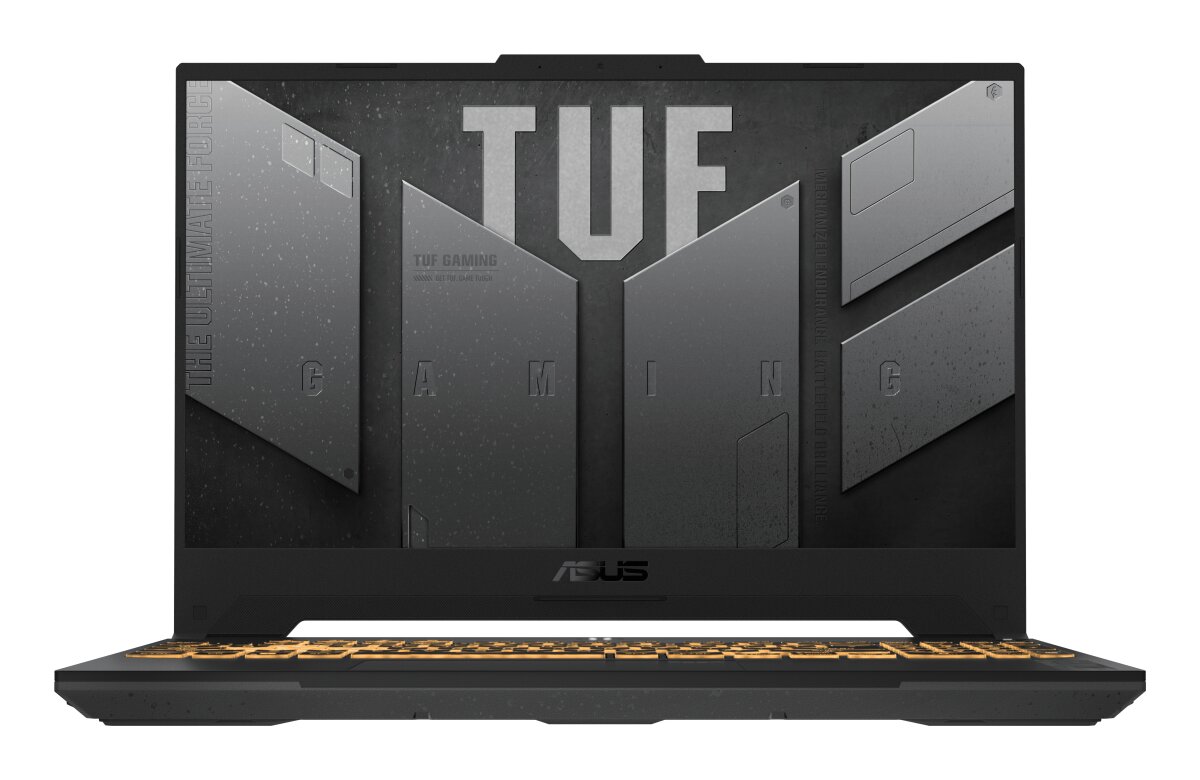

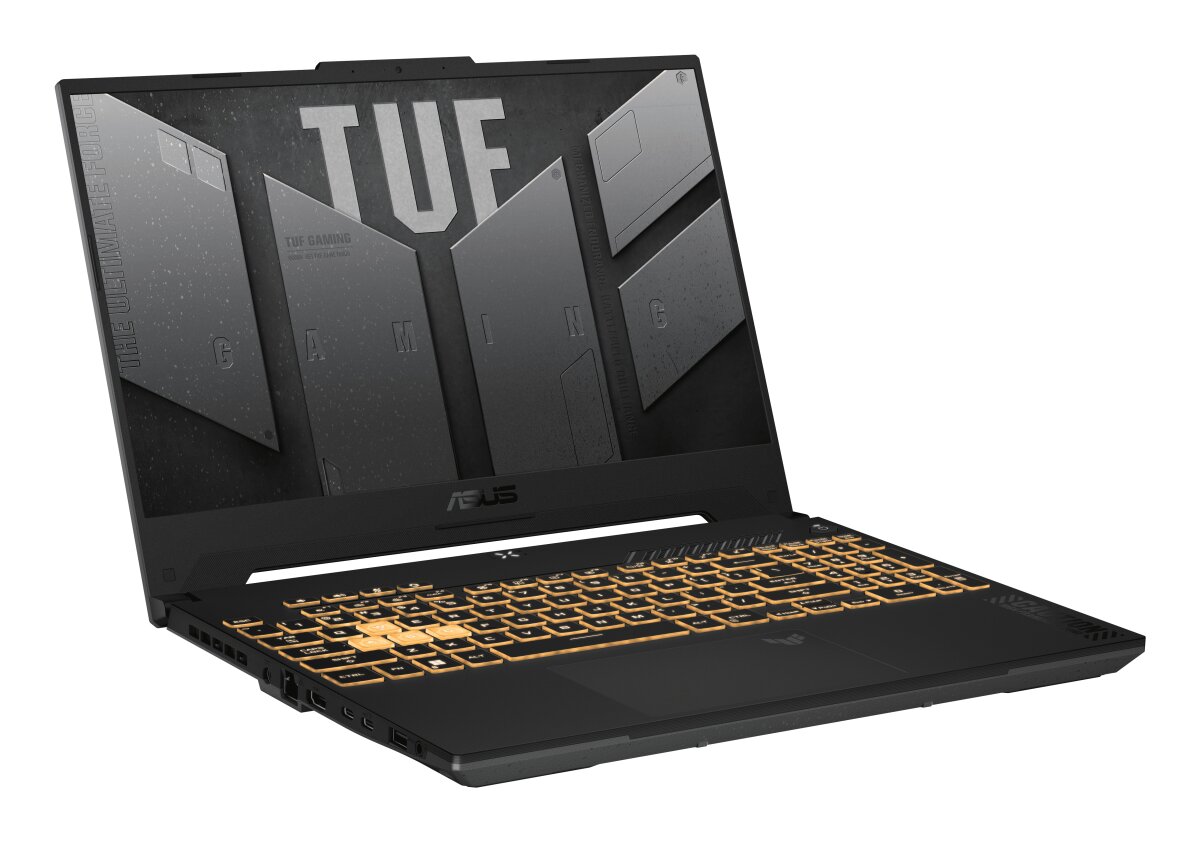

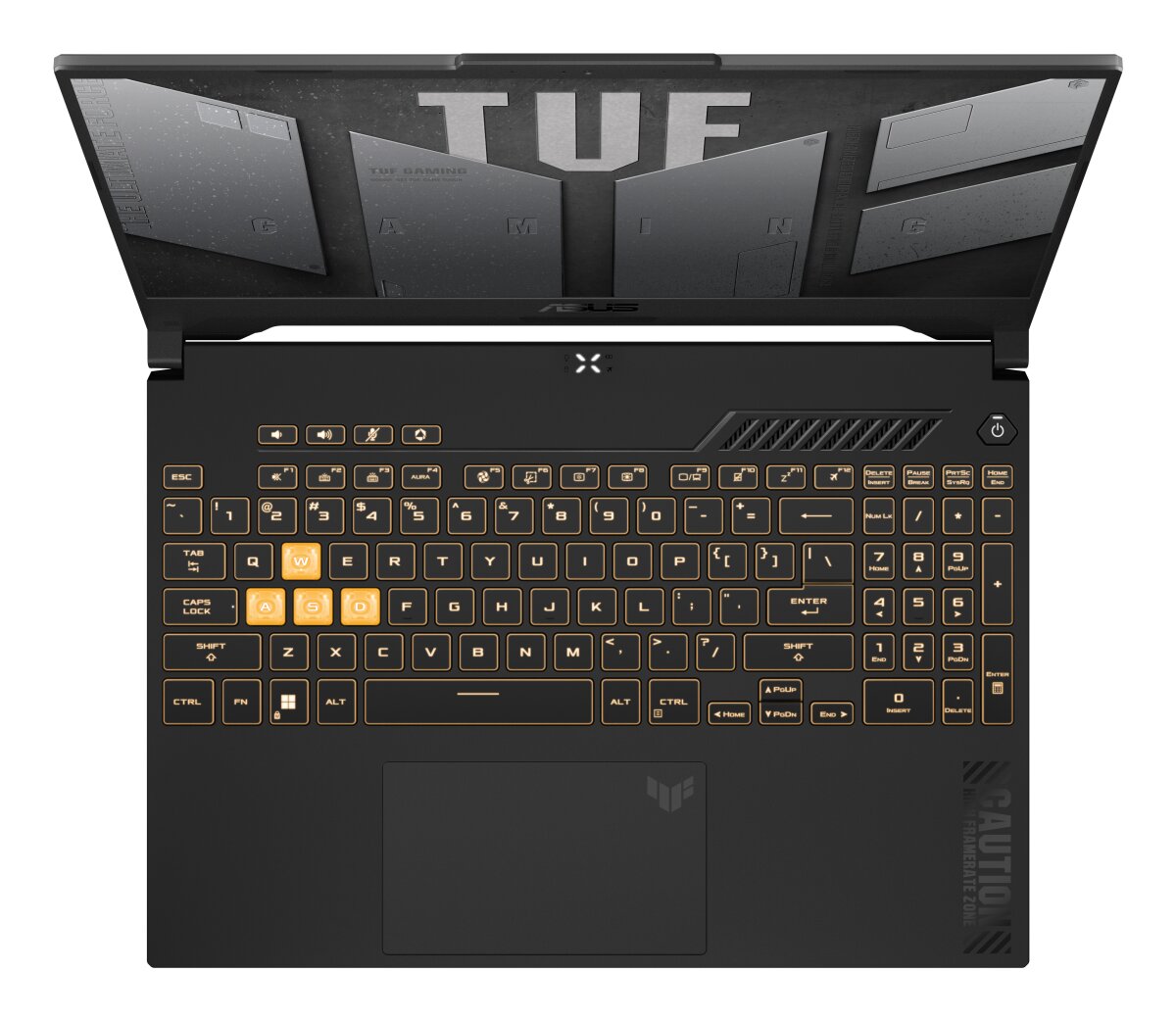
ASUS TUF Gaming F15 FX507VI-LP141-GAMING supports DDR5-SDRAM memory upgrades through two SO-DIMM slots. Maximum RAM capacity reaches 32 GB total. Memory specifications include 4800 MHz frequency operation. Compatible upgrade modules utilize SO-DIMM form factor. Existing memory configurations can be expanded by replacing or supplementing installed modules in available slots. Specifications support dual-channel memory architecture for optimized performance in the TUF Gaming F15 series laptop.
Memory Upgrade Specifications
| Specification | Value |
|---|---|
| Memory slots | 2x SO-DIMM |
| Form factor | SO-DIMM |
| Memory type | DDR5-SDRAM |
| Frequency | 4800 MHz |
| Maximum RAM | 32 GB |
| Voltage | 1.1V |
| Number of pins | 262-pin |
| Interface | PC5 |
| PC Speed Rating | PC5-4800 (PC5-38400) |
| Bandwidth | 38.4 GB/s |
Additional Notes
- The dual channel architecture requires symmetrical module pairs to achieve maximum integrated memory controller bandwidth.
- Physical memory expansion is limited to 2 slots necessitating the replacement of existing modules rather than adding to them for top capacity builds.
- Operating the ASUS FX507VI-LP141-GAMING at the specified 4800 MHz frequency relies on the processor internal memory controller stability and JEDEC standard profiles.
- The use of SO-DIMM form factor restricts hardware selection to laptop specific modules as desktop DIMM components are electronically and physically incompatible.
- Upgrading beyond the 32 GB threshold represents a configuration exceeding factory validated thermal and stability parameters for the motherboard chipset.
- The DDR5 implementation provides higher base data rates but introduces higher initial CAS latency compared to previous generation DDR4 systems.
- Accessing the memory slots requires removal of the bottom chassis cover which may involve static sensitive components and specific screw tension requirements.
- Power consumption efficiency increases in this configuration due to the lower operating voltage inherent to the DDR5 standard compared to older memory technologies.