ASUS TUF Gaming FX507VI-LP098 RAM upgrade specifications




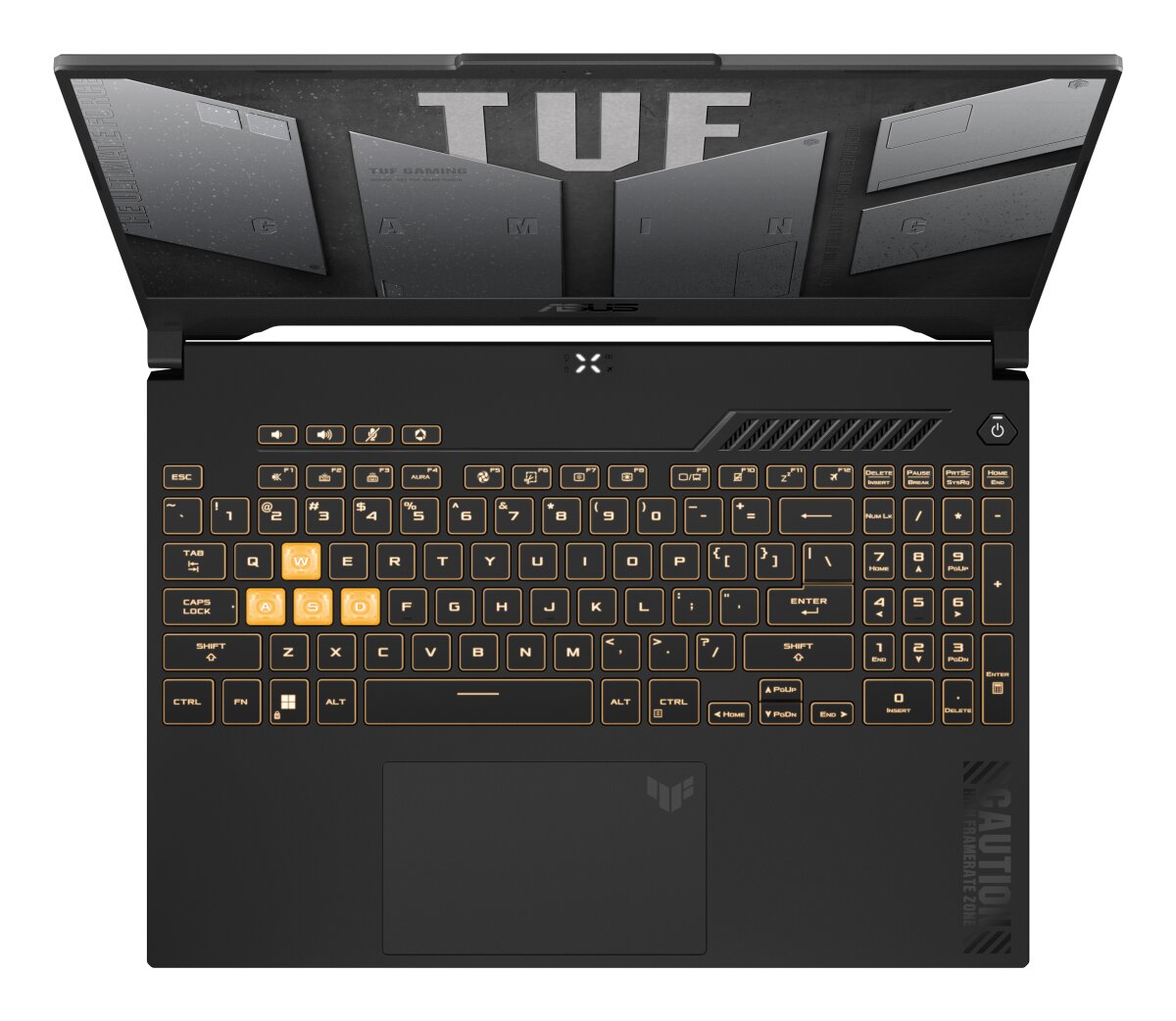
ASUS TUF Gaming F15 FX507VI-LP098 laptop features two SO-DIMM memory slots supporting DDR5-SDRAM upgrade specifications. The notebook accommodates maximum RAM capacity of 32 GB total memory configuration. Compatible memory modules operate at 4800 MHz frequency standard. Specifications indicate SO-DIMM form factor compatibility for RAM upgrade installations on FX507VI-LP098 model.
Memory Upgrade Specifications
| Specification | Value |
|---|---|
| Memory slots | 2x SO-DIMM |
| Form factor | SO-DIMM |
| Memory type | DDR5-SDRAM |
| Frequency | 4800 MHz |
| Maximum RAM | 32 GB |
| Voltage | 1.1V |
| Number of pins | 262-pin |
| Interface | PC5 |
| PC Speed Rating | PC5-4800 (PC5-38400) |
| Bandwidth | 38.4 GB/s |
Additional Notes
- The ASUS TUF Gaming FX507VI-LP098 utilizes SO-DIMM modules exclusively, preventing compatibility with standard DIMM memory found in desktop systems.
- DDR5 architecture operates with dual-channel mode requiring matched pairs for optimal bandwidth utilization, though single-module configurations remain functional at reduced throughput.
- The 32 GB ceiling limits workloads requiring larger memory pools, such as virtual machine hosting with multiple simultaneous instances or large-scale 3D rendering projects.
- DDR5 modules running at 4800 MHz represent the base JEDEC specification, indicating potential compatibility with higher-frequency modules that downclock to this speed automatically.
- Two SO-DIMM slots mandate choosing between dual 16 GB modules for maximum capacity or lower-capacity pairs, with no intermediate expansion path available without replacing existing modules.
- DDR5 voltage requirements differ from DDR4 standards, making cross-generation module installation physically impossible due to notch repositioning on the contact edge.
- The on-die ECC feature inherent to DDR5 operates transparently without BIOS configuration, providing error correction unavailable in DDR4 architectures.
- Module access typically requires bottom panel removal on this chassis design, with potential warranty implications if seal stickers are disturbed during self-installation.
- Mixing modules with different CAS latencies or primary timings may force all installed memory to operate at the slowest common denominator specifications.
- The 4800 MHz transfer rate delivers 38.4 GB/s theoretical bandwidth per channel, totaling 76.8 GB/s in dual-channel configuration when populated symmetrically.
- Non-XMP standard modules ensure compatibility without requiring BIOS profile activation, though performance-oriented modules may offer unused overclocking headroom.
- Thermal considerations become relevant when maximizing capacity, as fully populated slots generate more heat within the constrained laptop chassis compared to single-module configurations.