ASUS TUF Gaming FX507VV-LP139W-BE RAM upgrade specifications
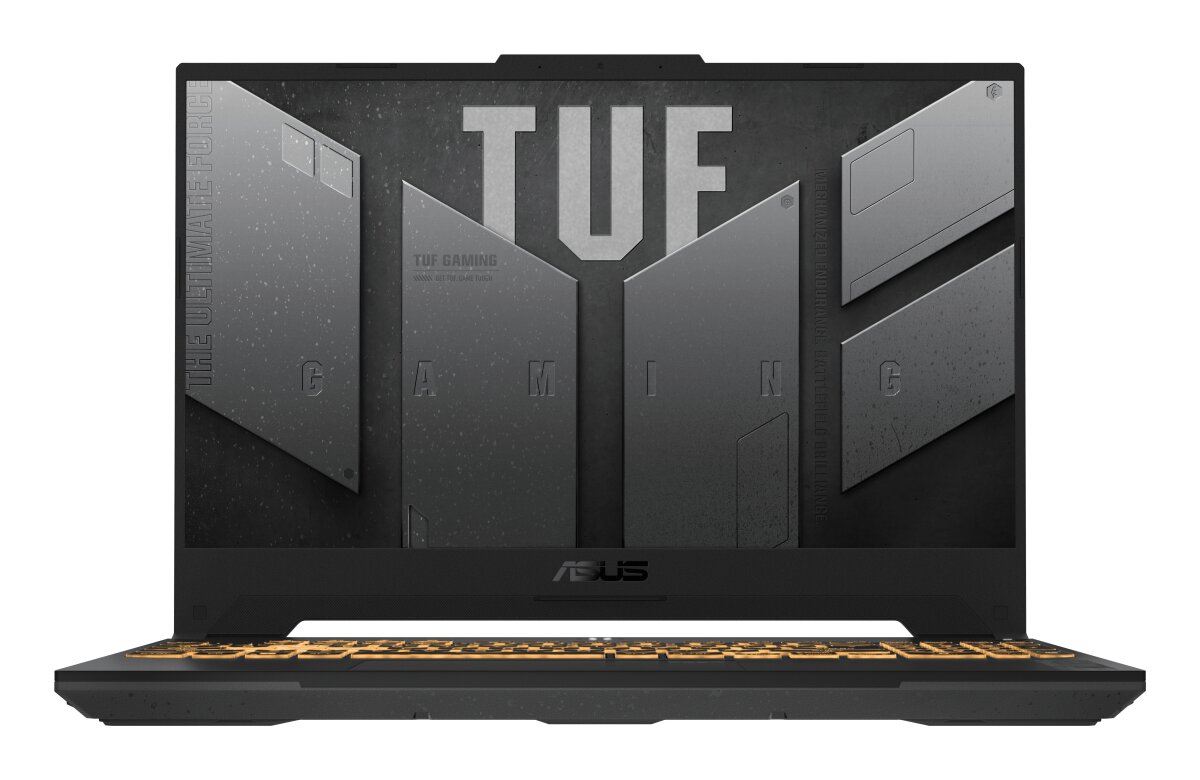
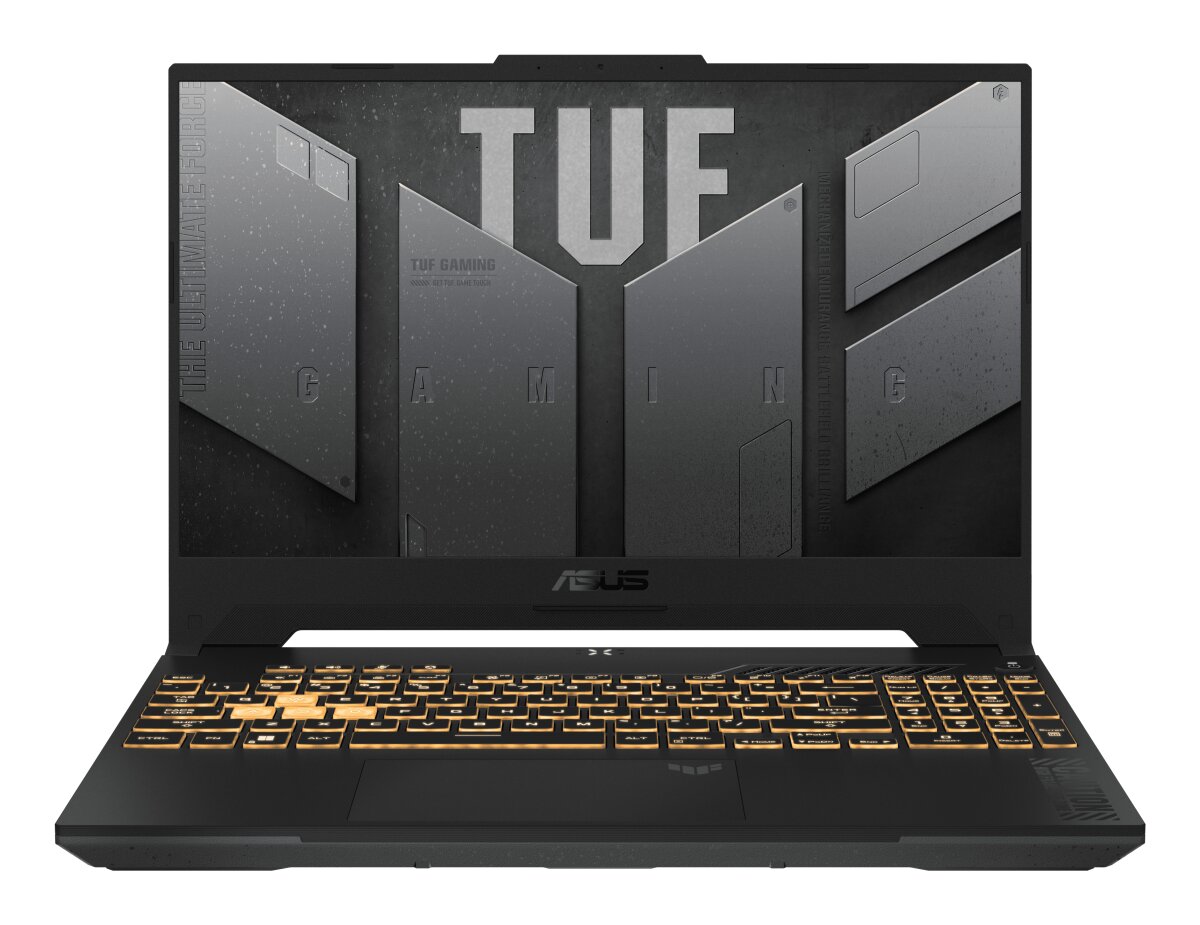
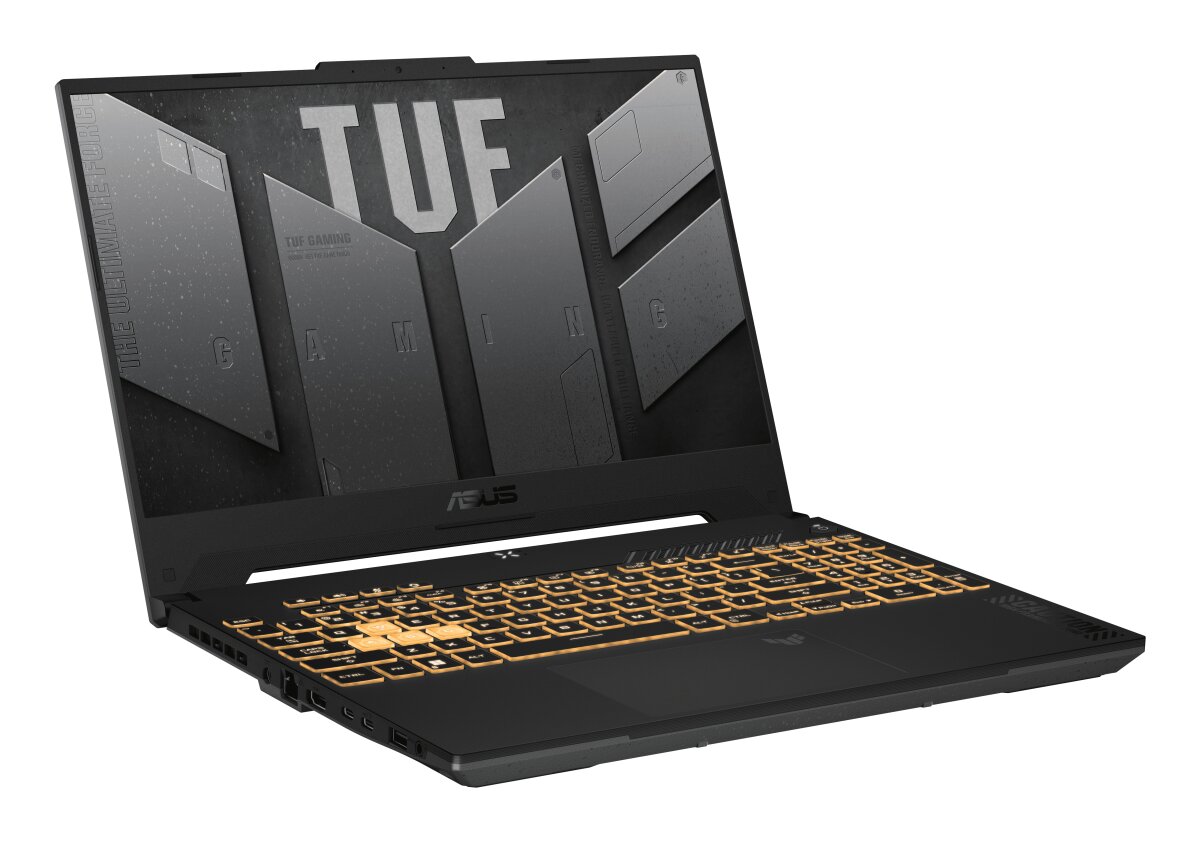
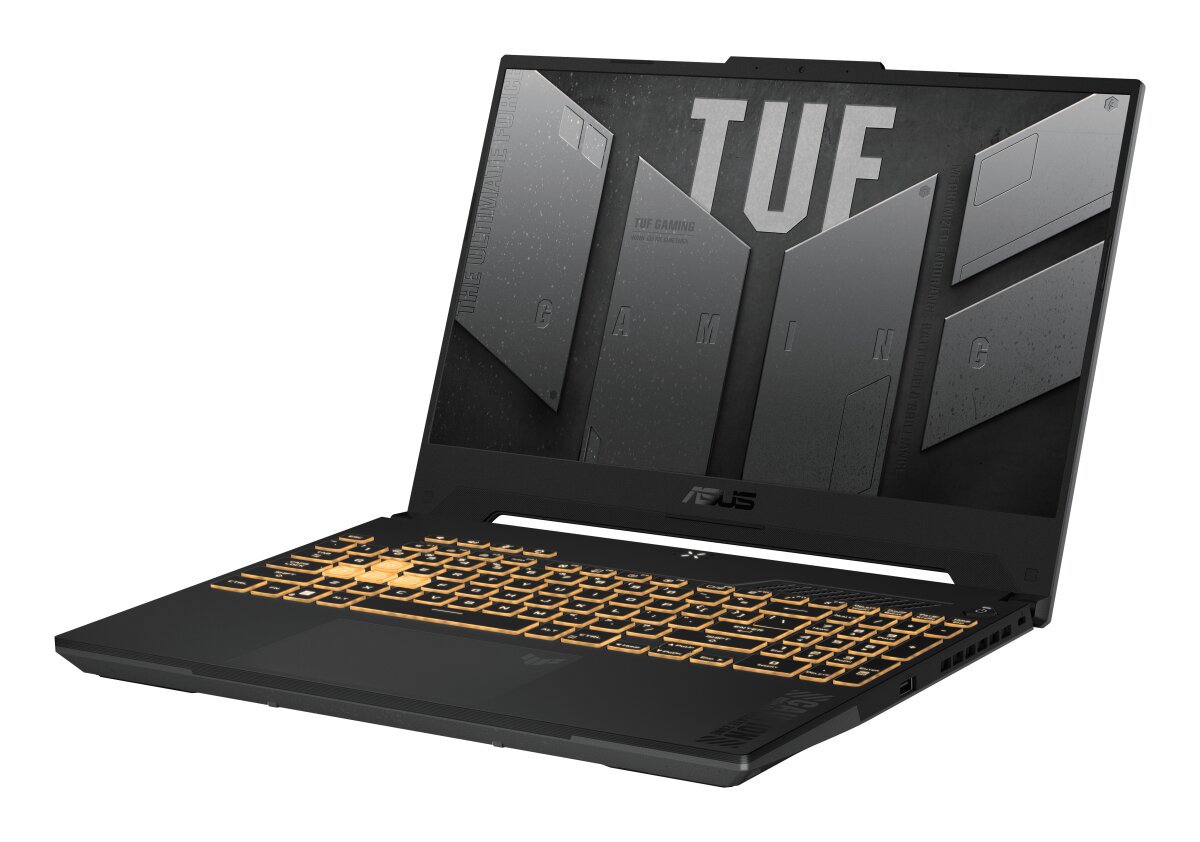
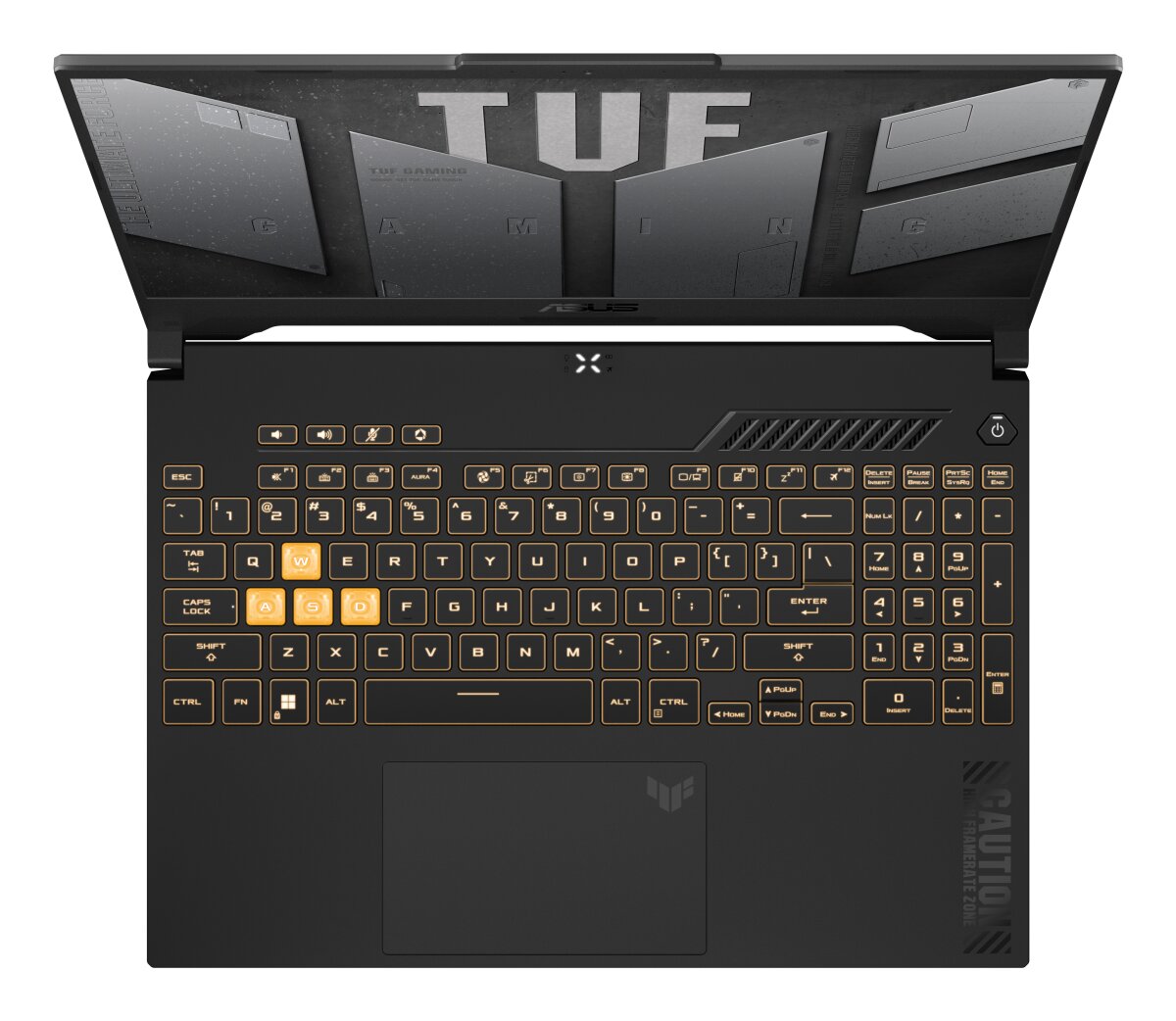
ASUS TUF Gaming F15 FX507VV-LP139W-BE laptop RAM upgrade specifications include two SO-DIMM memory slots supporting DDR5-SDRAM modules. The upgrade capacity reaches maximum RAM of 32 GB total. Compatible memory operates at 4800 MHz frequency. Each slot accommodates SO-DIMM form factor specifications for DDR5 upgrades. Existing memory modules can be replaced to achieve maximum capacity configurations.
Memory Upgrade Specifications
| Specification | Value |
|---|---|
| Memory slots | 2x SO-DIMM |
| Form factor | SO-DIMM |
| Memory type | DDR5-SDRAM |
| Frequency | 4800 MHz |
| Maximum RAM | 32 GB |
| Voltage | 1.1V |
| Number of pins | 262-pin |
| Interface | PC5 |
| PC Speed Rating | PC5-4800 (PC5-38400) |
| Bandwidth | 38.4 GB/s |
Additional Notes
- The 32 GB ceiling reflects chipset or motherboard trace limitations rather than DDR5 technology constraints, as the standard supports higher capacities.
- DDR5-4800 represents the JEDEC baseline specification, meaning compatibility with faster modules is likely but they will downclock to 4800 MHz operation.
- Both SO-DIMM slots must accommodate identical frequency and timing specifications to maintain dual-channel bandwidth at 76.8 GB/s theoretical maximum.
- Mixing memory ranks (single-rank with dual-rank modules) may force the controller to operate both at lower performance settings or single-channel mode.
- The ASUS TUF Gaming FX507VV-LP139W-BE requires DDR5 modules with 1.1V operation, as higher voltage XMP/EXPO profiles typical of desktop memory will not function in SO-DIMM laptop configurations.
- Thermal constraints within the chassis may prevent sustained operation at maximum rated speeds during extended workloads, causing thermal throttling before CPU limits are reached.
- User-accessible RAM slots preserve warranty coverage for memory upgrades in most regions, unlike soldered configurations common in ultraportable designs.
- Non-ECC unbuffered modules are mandatory, as server-grade or workstation memory will cause POST failures despite matching physical dimensions.
- Asymmetric capacity configurations such as 8 GB plus 16 GB will enable flex mode operation, maintaining dual-channel only for the matched portion and reverting to single-channel for the excess.
- Installation requires complete power disconnection and battery removal where applicable, as residual charge can corrupt the memory training sequence during first boot.
- The 262-pin SO-DIMM form factor differs physically from older DDR4 modules despite similar dimensions, preventing accidental incompatible installations through keying notch repositioning.