ASUS TUF Gaming FX507VV-LP142W RAM upgrade specifications



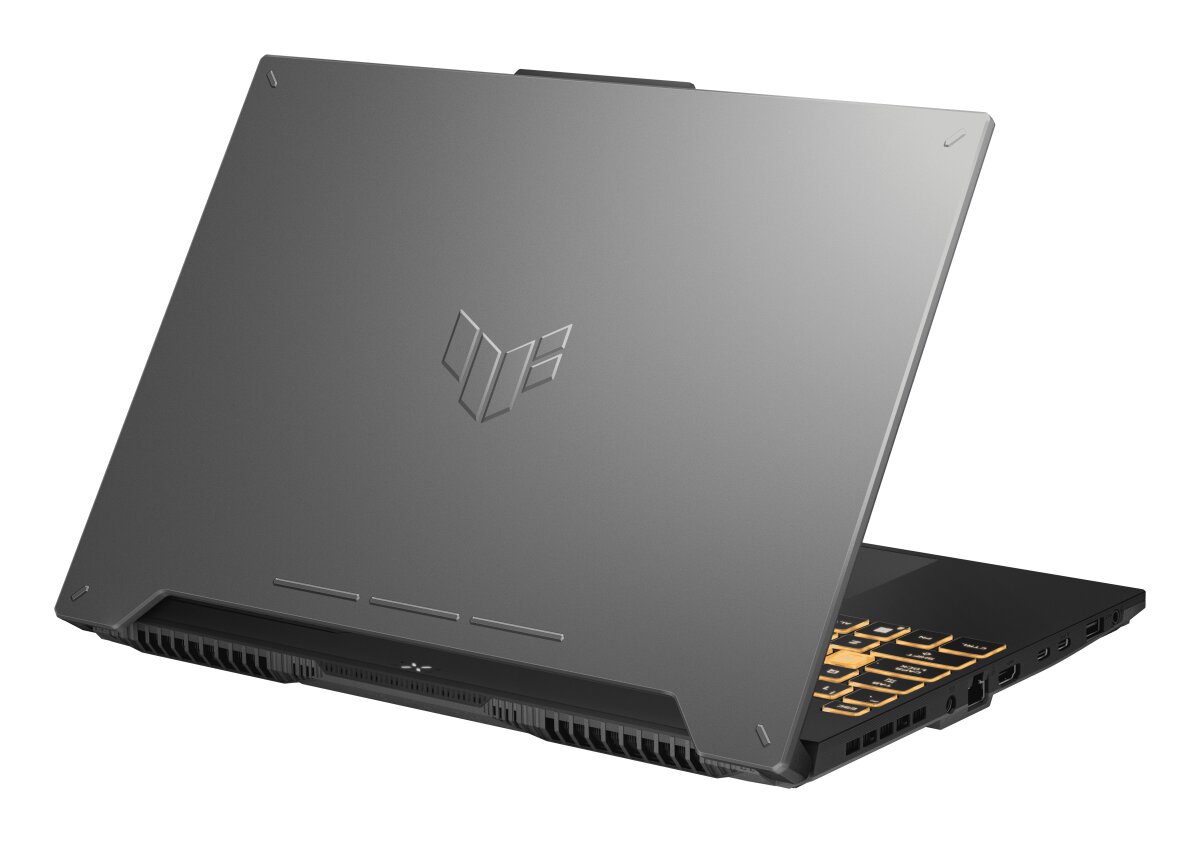
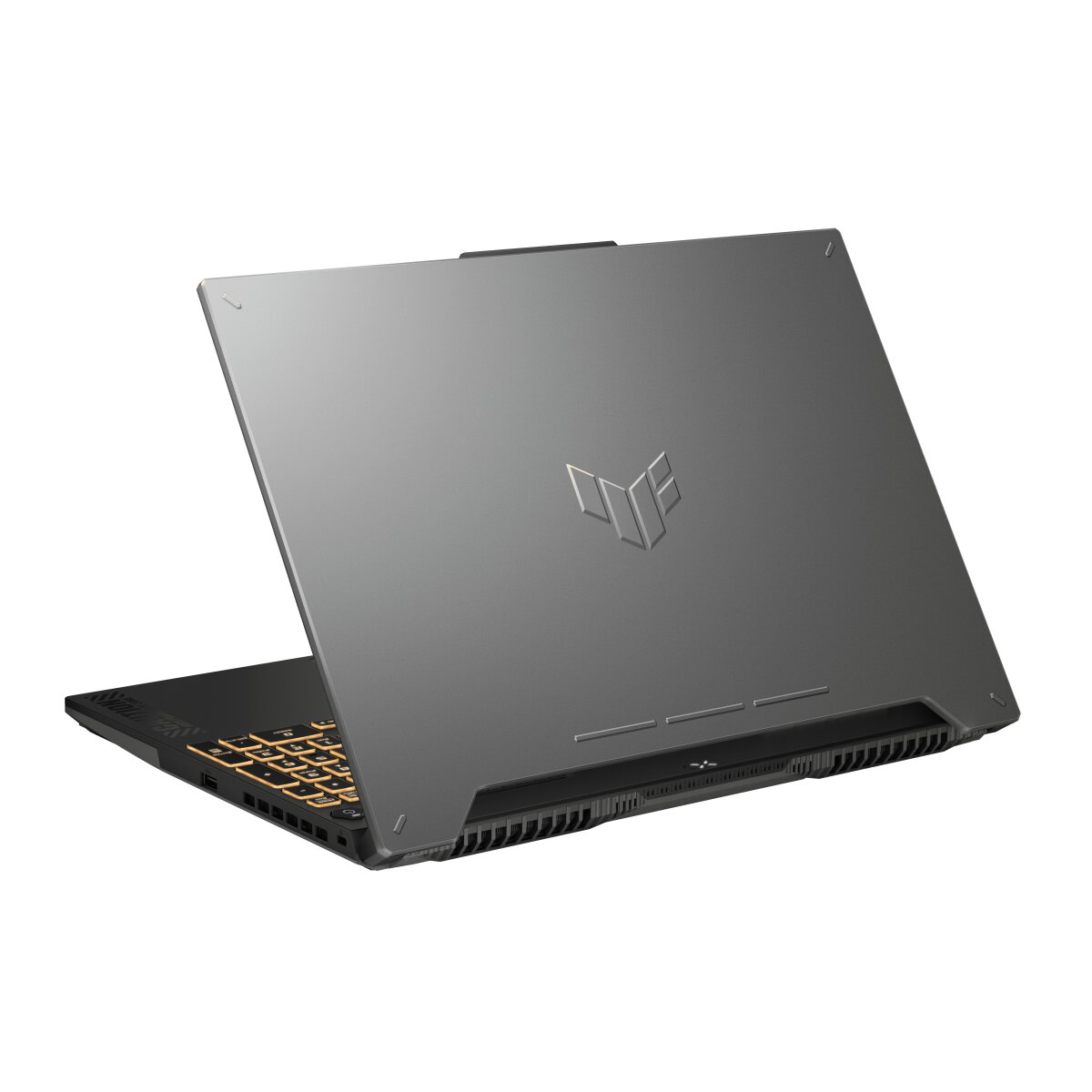
The ASUS TUF Gaming F15 FX507VV-LP142W features DDR5-SDRAM memory specifications with 2x SO-DIMM slots supporting a maximum RAM capacity of 64 GB. The compatible memory operates at 4800 MHz frequency and uses SO-DIMM form factor. Upgrade specifications indicate support for DDR5 technology, enabling enhanced performance capabilities for the TUF Gaming F15 series. The laptop's dual-slot memory configuration allows for flexible expansion and configuration of compatible DDR5 modules up to the specified maximum capacity threshold.
Memory Upgrade Specifications
| Specification | Value |
|---|---|
| Memory slots | 2x SO-DIMM |
| Form factor | SO-DIMM |
| Memory type | DDR5-SDRAM |
| Frequency | 4800 MHz |
| Maximum RAM | 64 GB |
| Voltage | 1.1V |
| Number of pins | 262-pin |
| Interface | PC5 |
| PC Speed Rating | PC5-4800 (PC5-38400) |
| Bandwidth | 38.4 GB/s |
Additional Notes
- The ASUS TUF Gaming FX507VV-LP142W employs DDR5 technology, which operates at significantly lower voltages than DDR4, reducing power consumption but requiring modules incompatible with previous generation slots.
- Both SO-DIMM slots support dual-channel operation, which doubles theoretical memory bandwidth when populated with matching capacity modules.
- The 64 GB ceiling translates to a maximum module density of 32 GB per slot, limiting configurations to either 2x32 GB or smaller paired combinations.
- DDR5 at 4800 MHz represents JEDEC baseline specifications, meaning modules rated for higher speeds will downclock to this frequency due to platform constraints.
- Installing non-matching modules may force the system into asymmetric dual-channel mode or single-channel operation, reducing memory subsystem throughput by approximately 50 percent.
- SO-DIMM DDR5 modules with integrated voltage regulators generate more heat than DDR4 equivalents, potentially affecting thermal performance in sustained workloads.
- The platform supports on-die ECC within DDR5 architecture for internal error correction, though this differs from traditional server-grade ECC functionality.
- Accessing memory slots typically requires bottom panel removal, which may void warranty seals depending on regional service policies.
- Installing modules exceeding 4800 MHz native speed provides no performance benefit unless the motherboard firmware supports XMP 3.0 or equivalent overclocking profiles.
- The 2-slot configuration offers no expansion headroom once both slots are populated, requiring complete module replacement for future capacity increases.