ASUS TUF Gaming FX507VV-LP148 RAM upgrade specifications




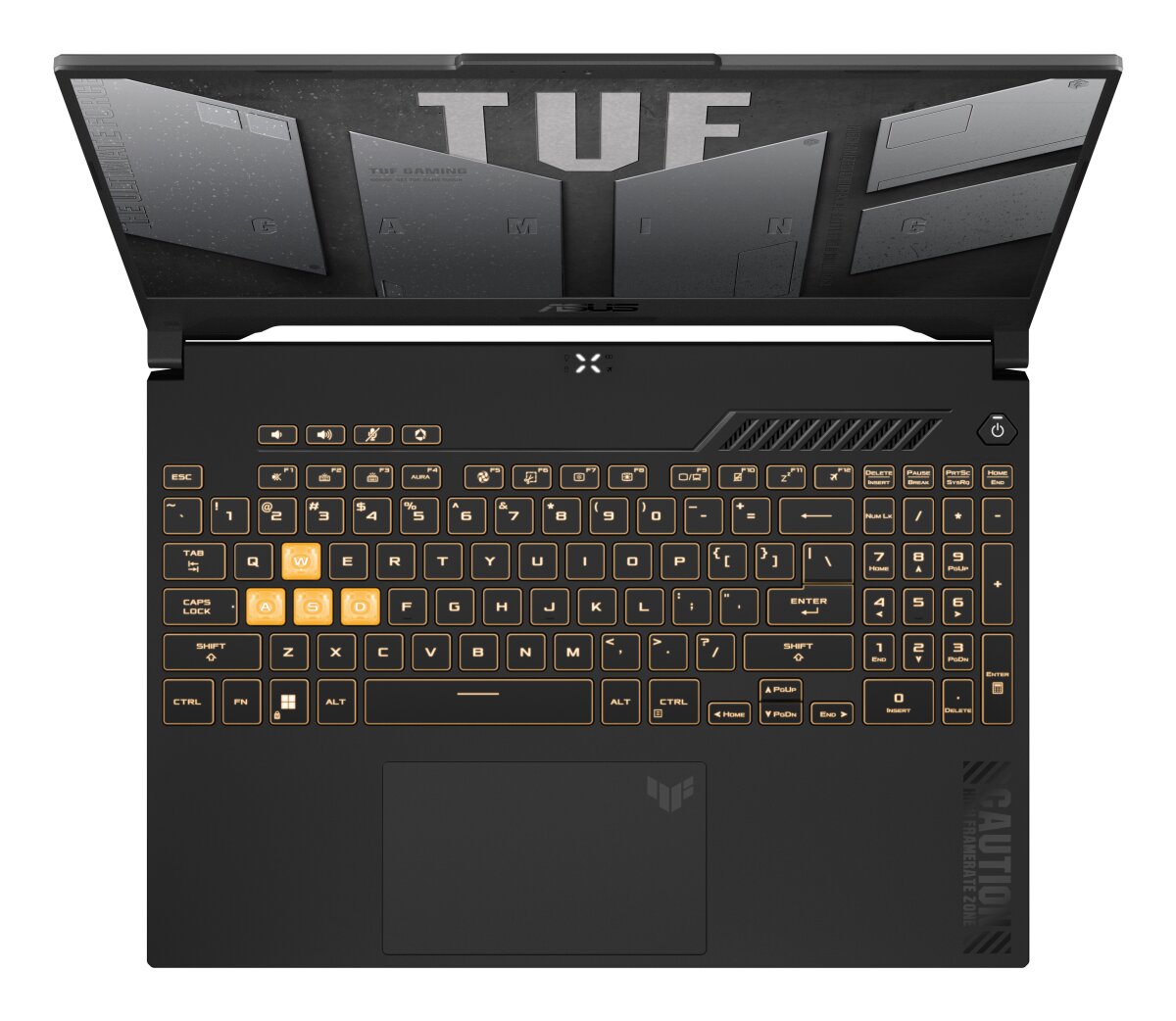
ASUS TUF Gaming F15 FX507VV-LP148 laptop features two SO-DIMM memory slots supporting DDR5-SDRAM upgrade specifications. The system accommodates maximum RAM capacity of 32 GB total, with compatible modules operating at 4800 MHz frequency. Current memory configuration and upgrade options utilize SO-DIMM form factor components. Specifications enable RAM expansion for enhanced multitasking and performance capabilities in the FX507VV-LP148 model.
Memory Upgrade Specifications
| Specification | Value |
|---|---|
| Memory slots | 2x SO-DIMM |
| Form factor | SO-DIMM |
| Memory type | DDR5-SDRAM |
| Frequency | 4800 MHz |
| Maximum RAM | 32 GB |
| Voltage | 1.1V |
| Number of pins | 262-pin |
| Interface | PC5 |
| PC Speed Rating | PC5-4800 (PC5-38400) |
| Bandwidth | 38.4 GB/s |
Additional Notes
- The ASUS TUF Gaming FX507VV-LP148 accepts only DDR5 modules, preventing use of any DDR4 inventory due to physical notch incompatibility and voltage differences between the two standards.
- Both memory slots are socketed SO-DIMM type, allowing user-accessible replacement without soldering, though chassis disassembly requires removing bottom panel screws and potentially voiding seals.
- The 32 GB ceiling limits configurations to either 2x16 GB dual-channel or a single 32 GB module in single-channel mode, with the latter reducing memory bandwidth by approximately 50 percent in bandwidth-sensitive applications.
- Operating at 4800 MHz represents DDR5's entry-level JEDEC standard speed, leaving headroom for faster modules rated at 5200 MHz or 5600 MHz if motherboard firmware supports XMP or EXPO profiles, though gains may be minimal without BIOS updates.
- Dual-channel population requires matched capacity modules in both slots to activate interleaved mode, whereas mismatched sizes will either run in flex mode with reduced performance or default to single-channel depending on controller behavior.
- SO-DIMM DDR5 modules generate more heat than DDR4 predecessors during sustained loads, potentially thermal-throttling in compact laptop chassis unless internal airflow paths remain unobstructed by dust accumulation.
- Mixing modules with different primary timings or voltage profiles may force all installed RAM to operate at the slowest common specification, negating any benefit from premium-binned kits.
- The 4800 MHz base frequency sets minimum latency expectations around CL40, meaning tighter timings like CL38 could reduce true latency if supported, though compatibility with non-standard timings varies by motherboard vendor implementation.
- Upgrading from factory-installed capacity requires verifying whether existing modules are single-rank or dual-rank, as rank configuration affects maximum stable frequency on some memory controllers.
- DDR5's on-die ECC functions independently of system-level ECC support, providing background error correction unavailable in DDR4 SO-DIMMs but transparent to the operating system.