ASUS TUF Gaming FX507VV-LP232W RAM upgrade specifications
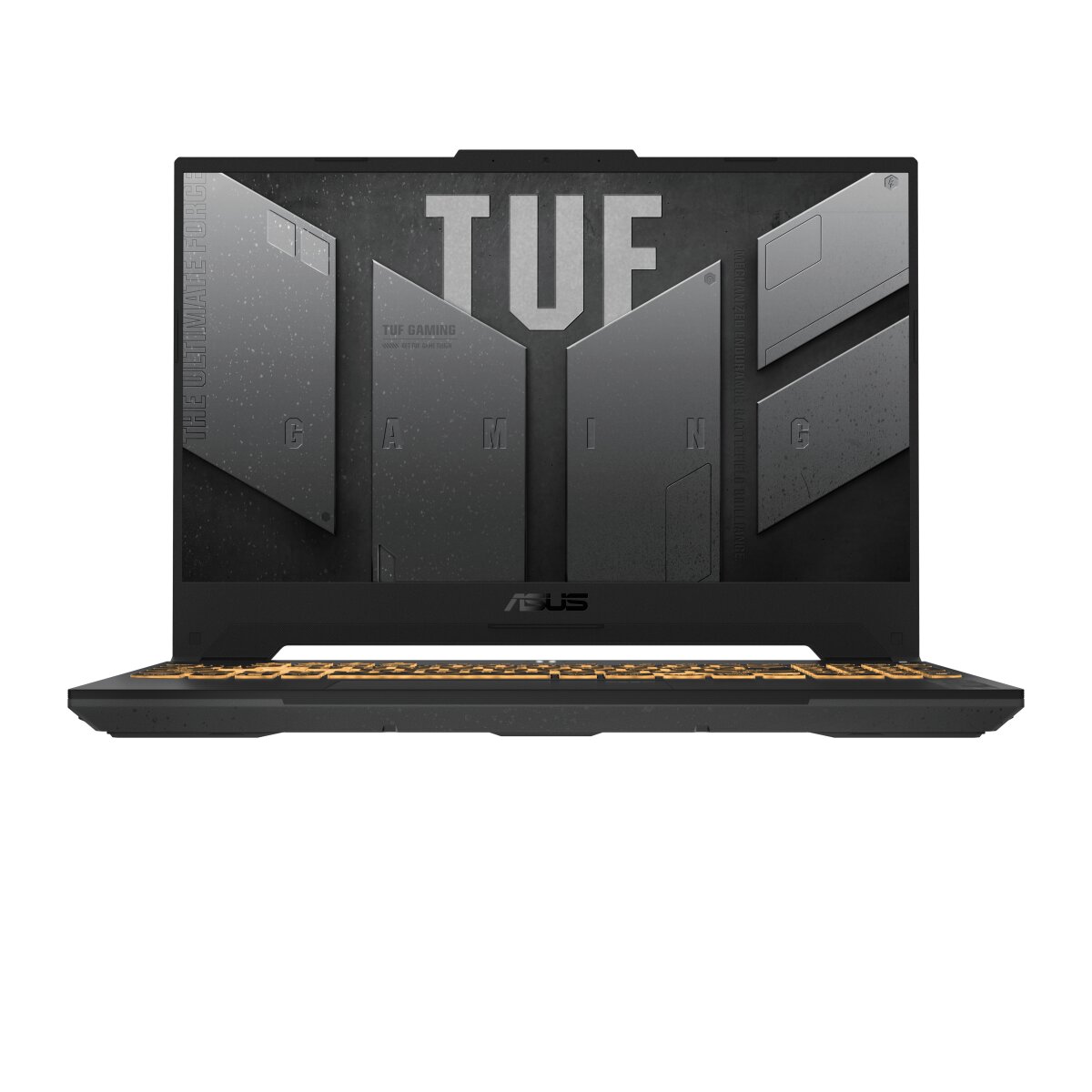



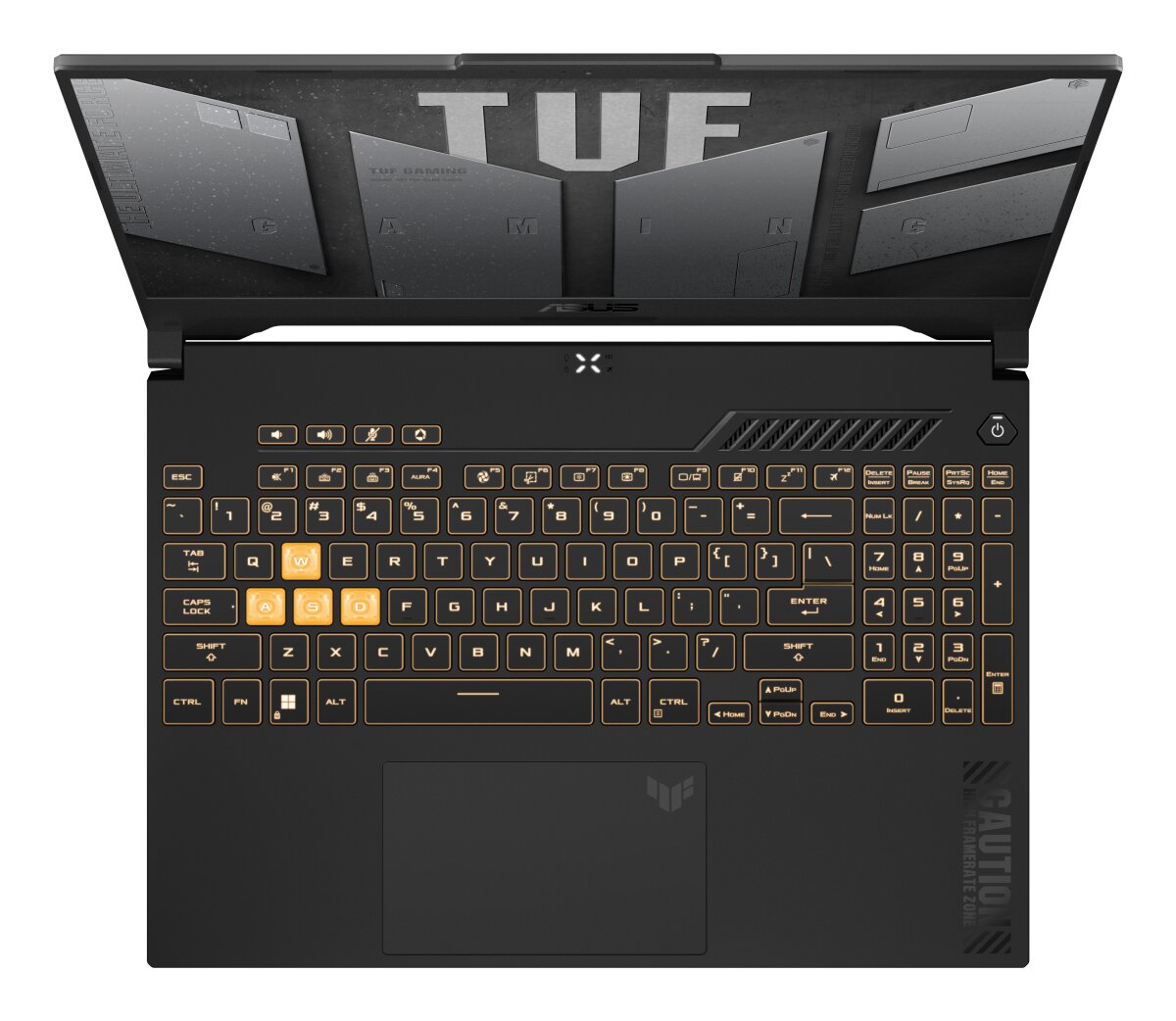
ASUS TUF Gaming F15 model FX507VV-LP232W features DDR4-SDRAM memory with two SO-DIMM slots supporting maximum RAM capacity of 32 GB. Memory specifications include 3200 MHz frequency and SO-DIMM form factor. Compatible upgrade memory modules must match DDR4-SDRAM specifications and frequency requirements for optimal system performance. Maximum memory capacity represents the upgrade limit for this specific laptop model.
Memory Upgrade Specifications
| Specification | Value |
|---|---|
| Memory slots | 2x SO-DIMM |
| Form factor | SO-DIMM |
| Memory type | DDR4-SDRAM |
| Frequency | 3200 MHz |
| Maximum RAM | 32 GB |
| Voltage | 1.2V |
| Number of pins | 260-pin |
| Interface | PC4 |
| PC Speed Rating | PC4-3200 (PC4-25600) |
| Bandwidth | 25.6 GB/s |
Additional Notes
- The ASUS TUF Gaming FX507VV-LP232W imposes a 32 GB ceiling across both slots combined, requiring 16 GB modules to reach maximum capacity rather than higher-density configurations.
- DDR4-3200 represents the validated frequency threshold, though the memory controller may accept DDR4-3600 modules by downclocking them to 3200 MHz if installed.
- Both SO-DIMM slots typically share bandwidth through a dual-channel architecture, meaning unmatched module capacities will force single-channel operation and halve theoretical memory throughput.
- The SO-DIMM 260-pin standard excludes compatibility with desktop DDR4 DIMMs despite identical frequency ratings, as the physical connector differs by 28 pins.
- DDR5 modules are electrically incompatible regardless of speed ratings, as the slot keying notch occupies a different position and voltage requirements differ substantially.
- Accessing the memory compartment likely requires complete bottom panel removal rather than a dedicated service door, affecting the complexity of user-performed upgrades.
- Mixed-brand module installations may function but introduce potential timing mismatches, as each manufacturer programs different CAS latency values into the SPD chip even at identical frequencies.
- Operating voltage remains fixed at 1.2V for standard DDR4, while low-voltage DDR4L variants at 1.05V may cause POST failures if the motherboard firmware lacks adaptive voltage control.
- Single-rank versus dual-rank module architecture affects performance differently depending on whether 1 or 2 modules are installed, with dual-rank pairs sometimes delivering marginal bandwidth improvements in memory-intensive workloads.
- Heat spreaders on SO-DIMM modules must remain below approximately 31 mm in total height to avoid physical interference with the keyboard assembly when the bottom cover closes.
- Factory-installed modules soldered directly to the motherboard would reduce available SO-DIMM slots to 1 or 0, making pre-purchase verification of the specific configuration critical before ordering upgrade components.