ASUS TUF Gaming FX507VV-LP241-GAMING RAM upgrade specifications


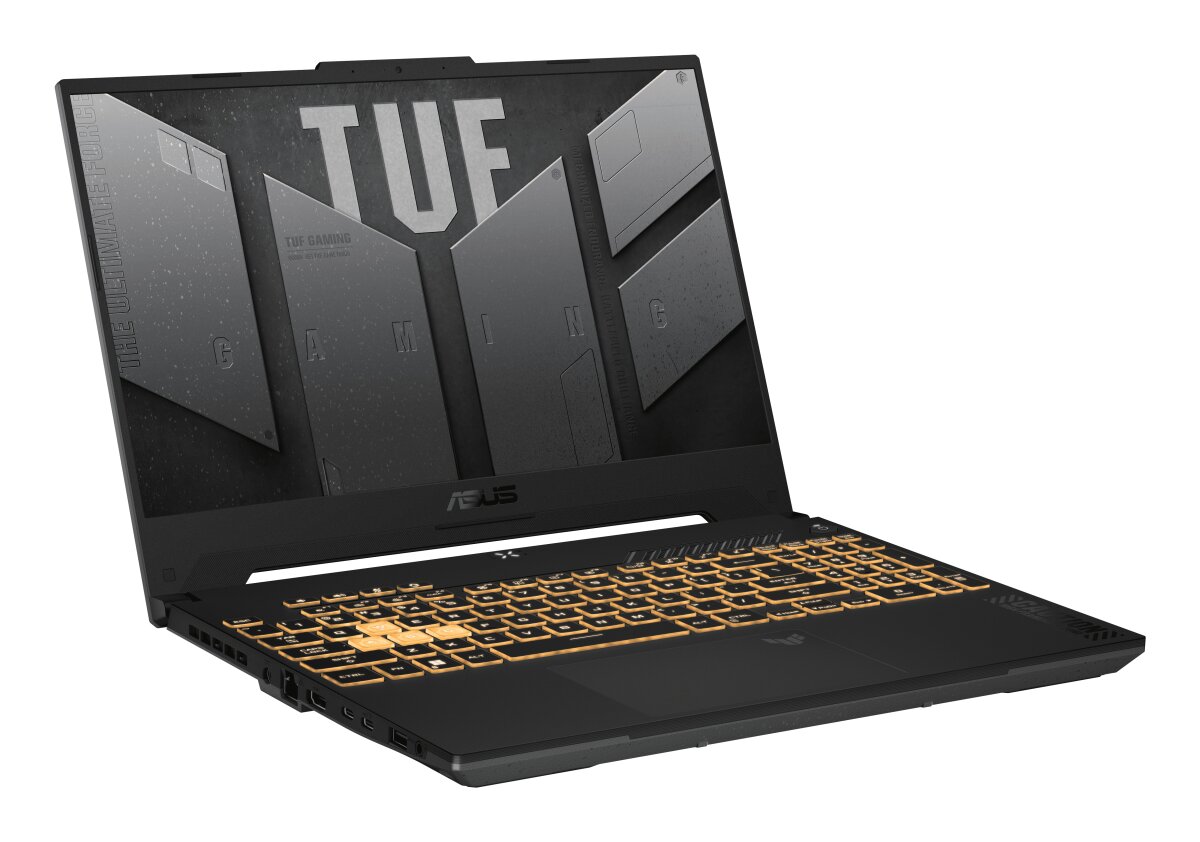

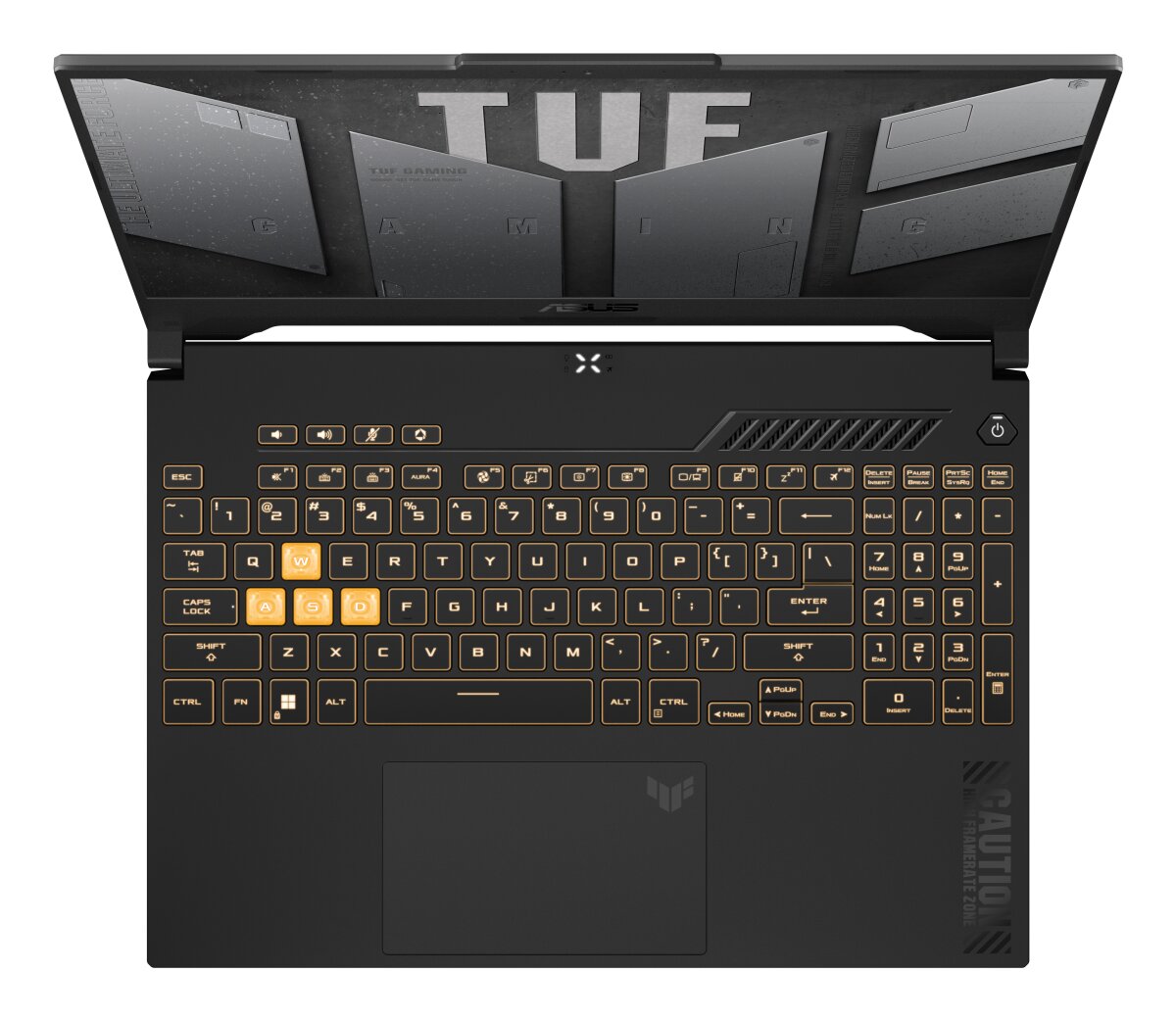
The ASUS TUF Gaming F15 FX507VV-LP241-GAMING laptop features DDR5-SDRAM memory upgradeable through two SO-DIMM slots. Maximum supported RAM capacity reaches 32 GB total, with memory operating at 4800 MHz frequency. Compatible DDR5 SO-DIMM modules can be installed to expand system memory. Specifications indicate upgrade slots support dual-channel memory configuration for optimal performance. Current memory configuration and available capacity determine upgrade requirements for the FX507VV-LP241-GAMING model.
Memory Upgrade Specifications
| Specification | Value |
|---|---|
| Memory slots | 2x SO-DIMM |
| Form factor | SO-DIMM |
| Memory type | DDR5-SDRAM |
| Frequency | 4800 MHz |
| Maximum RAM | 32 GB |
| Voltage | 1.1V |
| Number of pins | 262-pin |
| Interface | PC5 |
| PC Speed Rating | PC5-4800 (PC5-38400) |
| Bandwidth | 38.4 GB/s |
Additional Notes
- Dual channel architecture requires matching module pairs to achieve full memory bandwidth and prevent system latency during high load gaming scenarios.
- The absence of soldered memory on the ASUS TUF Gaming FX507VV-LP241-GAMING motherboard allows for the total replacement of factory modules if faulty or when seeking lower latency timings.
- Installation of modules exceeding the 32 GB threshold will lead to a failure to boot or system instability due to firmware addressing limitations.
- The 4800 MHz frequency ceiling indicates that installing higher clocked RAM will result in automatic downclocking to remain compatible with the integrated memory controller.
- Upgrading memory requires the removal of the bottom chassis cover which exposes internal components to electrostatic discharge risks if grounded precautions are not taken.
- Memory modules must utilize the 262 pin physical interface to fit into the existing sockets while maintaining a low voltage profile for heat management.
- Utilizing a single slot for memory creates a single channel bottleneck that can significantly reduce frame rates in CPU intensive applications compared to a dual slot configuration.