ASUS TUF Gaming FX507ZC4-HN220W RAM upgrade specifications
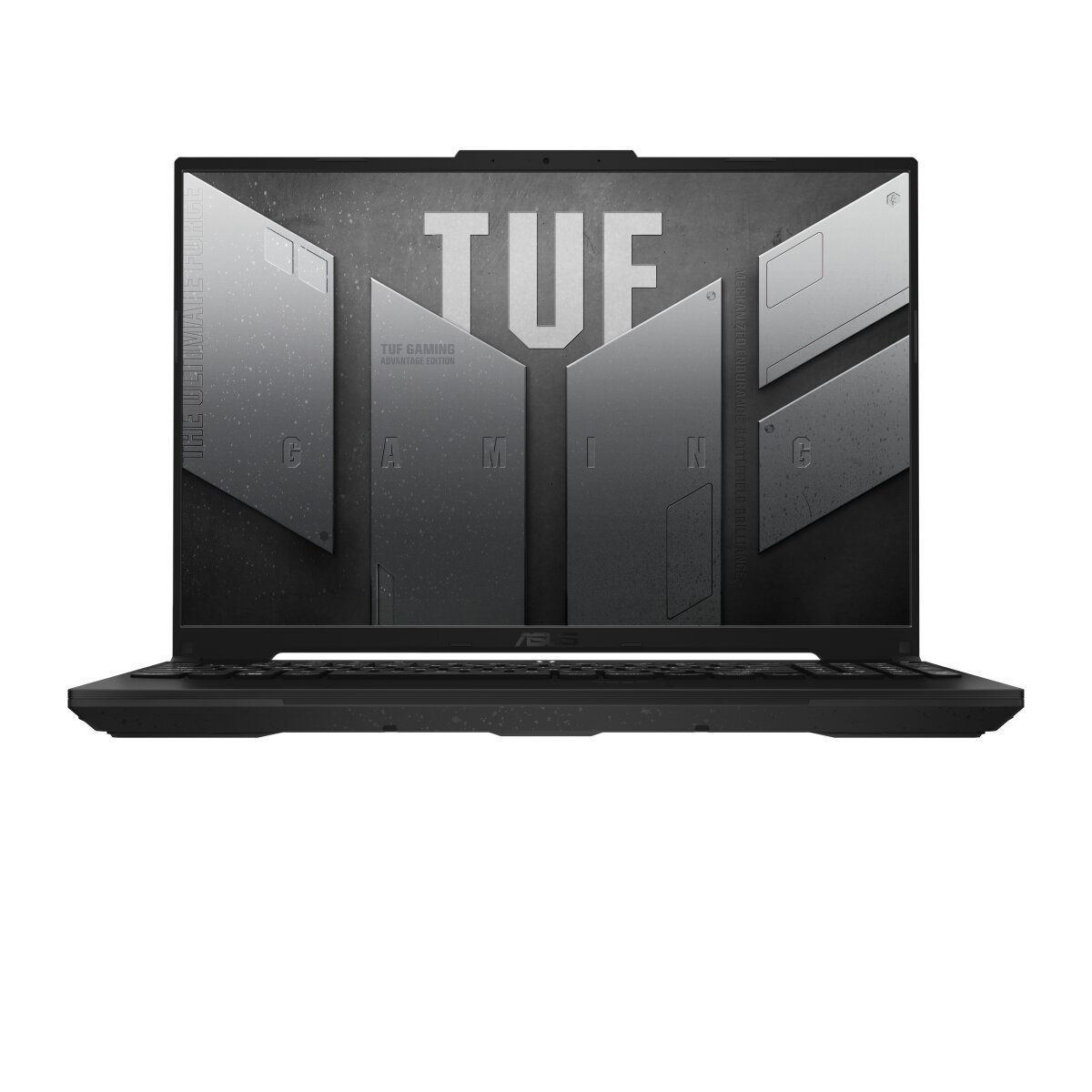

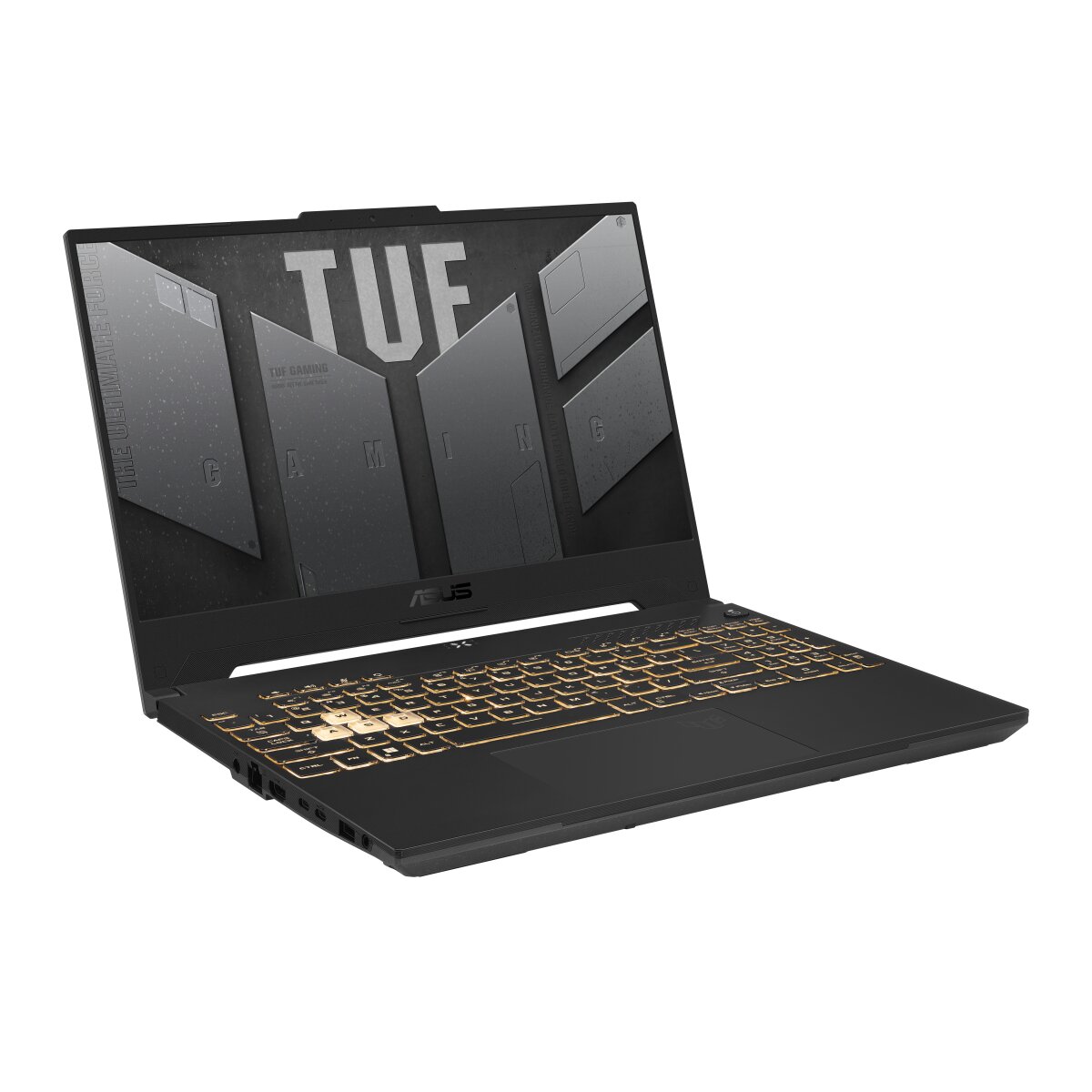
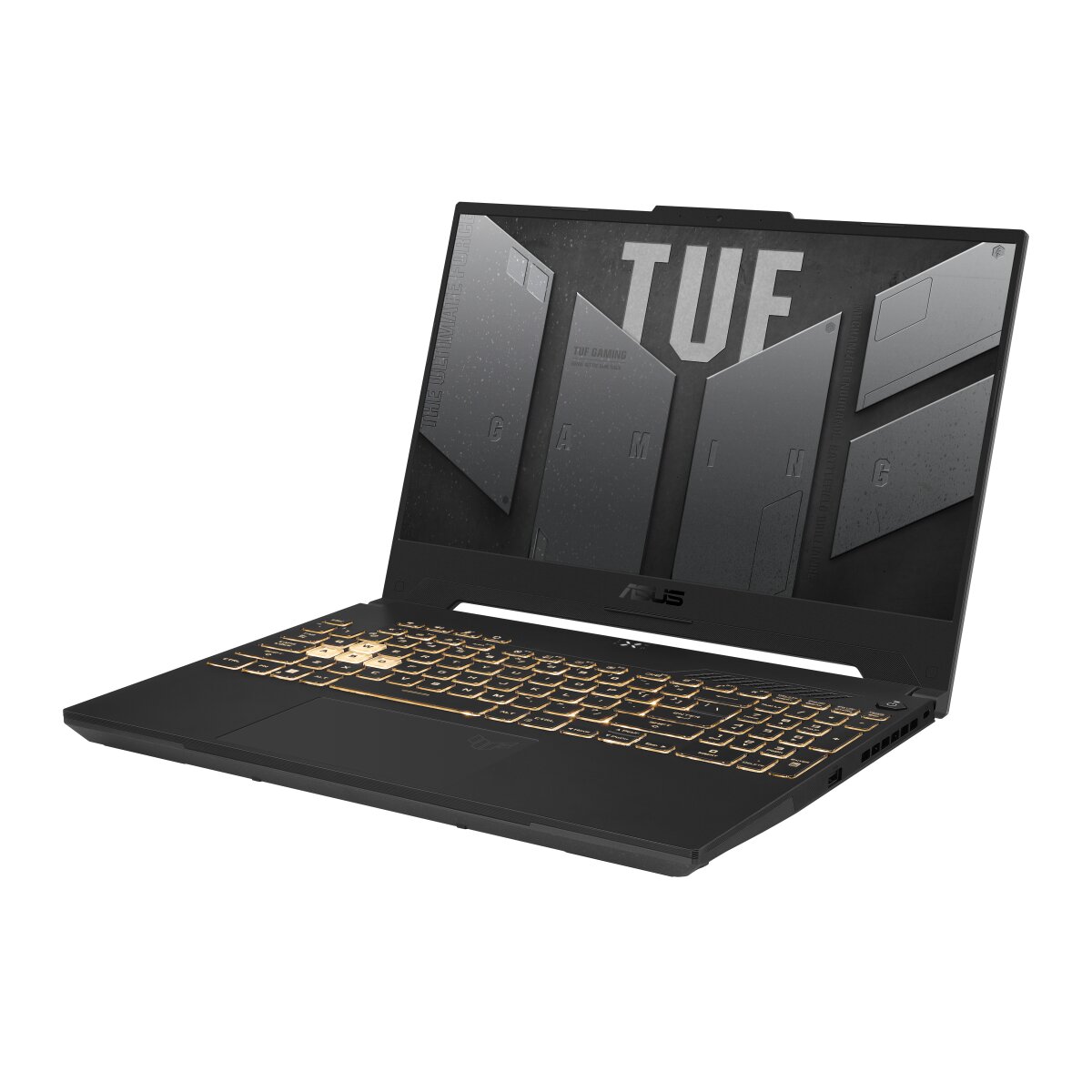
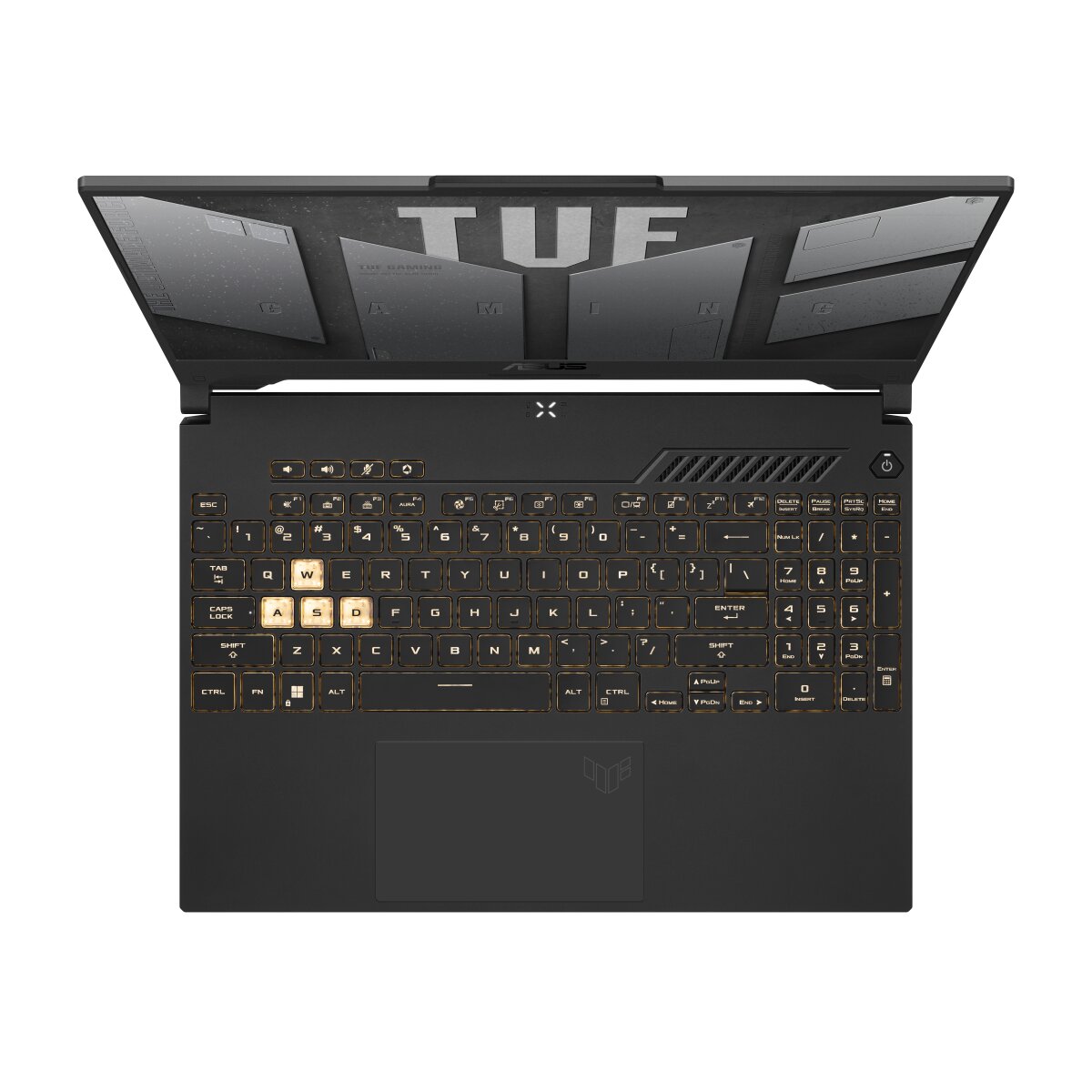
The ASUS TUF Gaming F15 FX507ZC4-HN220W laptop features DDR4-SDRAM memory specifications with two SO-DIMM slots for RAM upgrade compatibility. Maximum memory capacity reaches 32 GB total, supporting DDR4 modules operating at 3200 MHz frequency. Compatible SO-DIMM form factor modules enable memory expansion for enhanced multitasking and performance capabilities. Specifications allow for flexible upgrade options within the dual-slot architecture, accommodating various memory configurations up to the 32 GB maximum capacity threshold.
Memory Upgrade Specifications
| Specification | Value |
|---|---|
| Memory slots | 2x SO-DIMM |
| Form factor | SO-DIMM |
| Memory type | DDR4-SDRAM |
| Frequency | 3200 MHz |
| Maximum RAM | 32 GB |
| Voltage | 1.2V |
| Number of pins | 260-pin |
| Interface | PC4 |
| PC Speed Rating | PC4-3200 (PC4-25600) |
| Bandwidth | 25.6 GB/s |
Additional Notes
- The presence of 2 physical SO-DIMM slots confirms that the system operates in a dual-channel memory configuration, which significantly increases memory bandwidth compared to single-channel setups.
- The 32 GB limit indicates a hardware-level firmware restriction on the maximum addressable density per slot, preventing the use of 32 GB high-capacity modules.
- Utilizing DDR4 technology over newer standards results in lower power efficiency and higher latency but ensures broader compatibility with affordable aftermarket parts for the ASUS TUF Gaming FX507ZC4-HN220W.
- Hardware upgrades require 260-pin non-ECC unbuffered modules to ensure system stability and boot success.
- Operating at a 3200 MHz frequency restricts the CPU to synchronous 1:1 clock ratios, avoiding the performance penalties associated with asynchronous memory gearing.
- Installation of memory modules with higher rated speeds will result in automatic downclocking to the system-defined 3200 MHz limit due to motherboard chipset constraints.
- Replacing factory-installed memory does not void the standard manufacturer warranty provided that no physical damage occurs to the internal headers or adjacent components during the process.
- The physical form factor requires low-profile modules to fit within the restricted vertical clearance of the chassis internal layout.