ASUS TUF Gaming FX507ZU4-LP057W RAM upgrade specifications



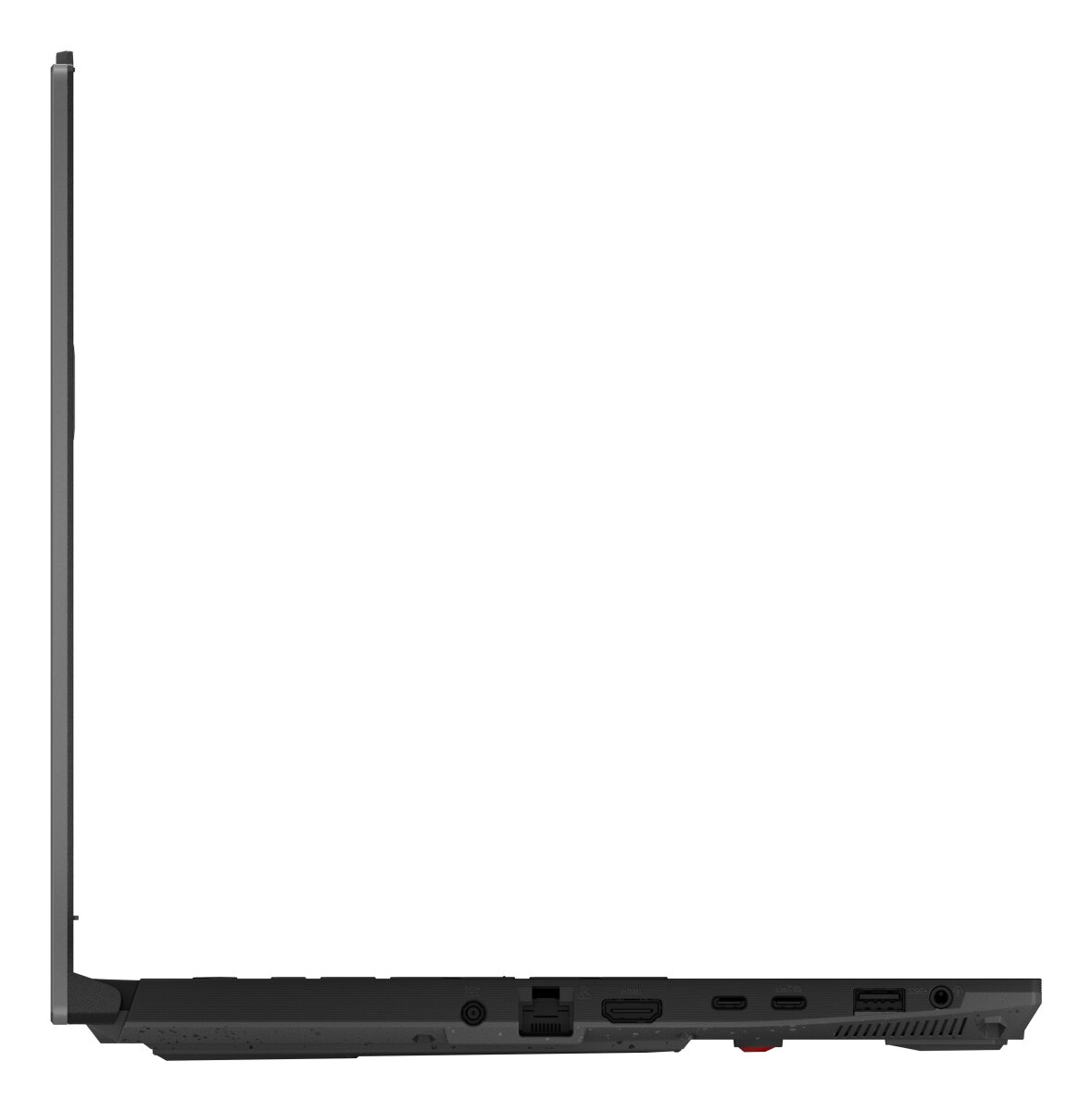

The ASUS TUF Gaming F15 FX507ZU4-LP057W features DDR4-SDRAM memory configuration with two SO-DIMM slots supporting maximum RAM capacity of 32 GB. The laptop specifications accommodate memory upgrades at 3200 MHz frequency. Compatible RAM modules must match the SO-DIMM form factor and DDR4 specifications. The upgrade slots allow users to expand memory capacity by replacing or supplementing existing modules, with maximum capacity reaching 32 GB total when both slots are populated with appropriate DDR4 memory modules.
Memory Upgrade Specifications
| Specification | Value |
|---|---|
| Memory slots | 2x SO-DIMM |
| Form factor | SO-DIMM |
| Memory type | DDR4-SDRAM |
| Frequency | 3200 MHz |
| Maximum RAM | 32 GB |
| Voltage | 1.2V |
| Number of pins | 260-pin |
| Interface | PC4 |
| PC Speed Rating | PC4-3200 (PC4-25600) |
| Bandwidth | 25.6 GB/s |
Additional Notes
- Dual slot architecture necessitates removing existing modules to reach maximum capacity because no memory is soldered to the mainboard.
- The 3200 MHz frequency ceiling indicates the internal memory controller will downclock faster modules to match the system bus limit.
- Utilizing both SO-DIMM slots with identical modules activates dual channel mode which doubles theoretical memory bandwidth compared to single module configurations.
- Physical access to the RAM slots on the ASUS TUF Gaming FX507ZU4-LP057W requires a standard Phillips head screwdriver and non-conductive prying tools to release the bottom chassis clips without damaging the cooling assembly.
- Power delivery constraints on the motherboard favor standard 1.2V modules over high voltage overclocking kits which may fail to boot or lack XMP profile support.
- Upgrading to the 32 GB limit provides the necessary overhead for high resolution video editing and complex multitasking that exceeds standard gaming requirements.
- The DDR4 interface prevents the installation of newer DDR5 hardware due to different notch positions and electrical signaling protocols.