ASUS TUF Gaming FX507ZV4-LP001W RAM upgrade specifications
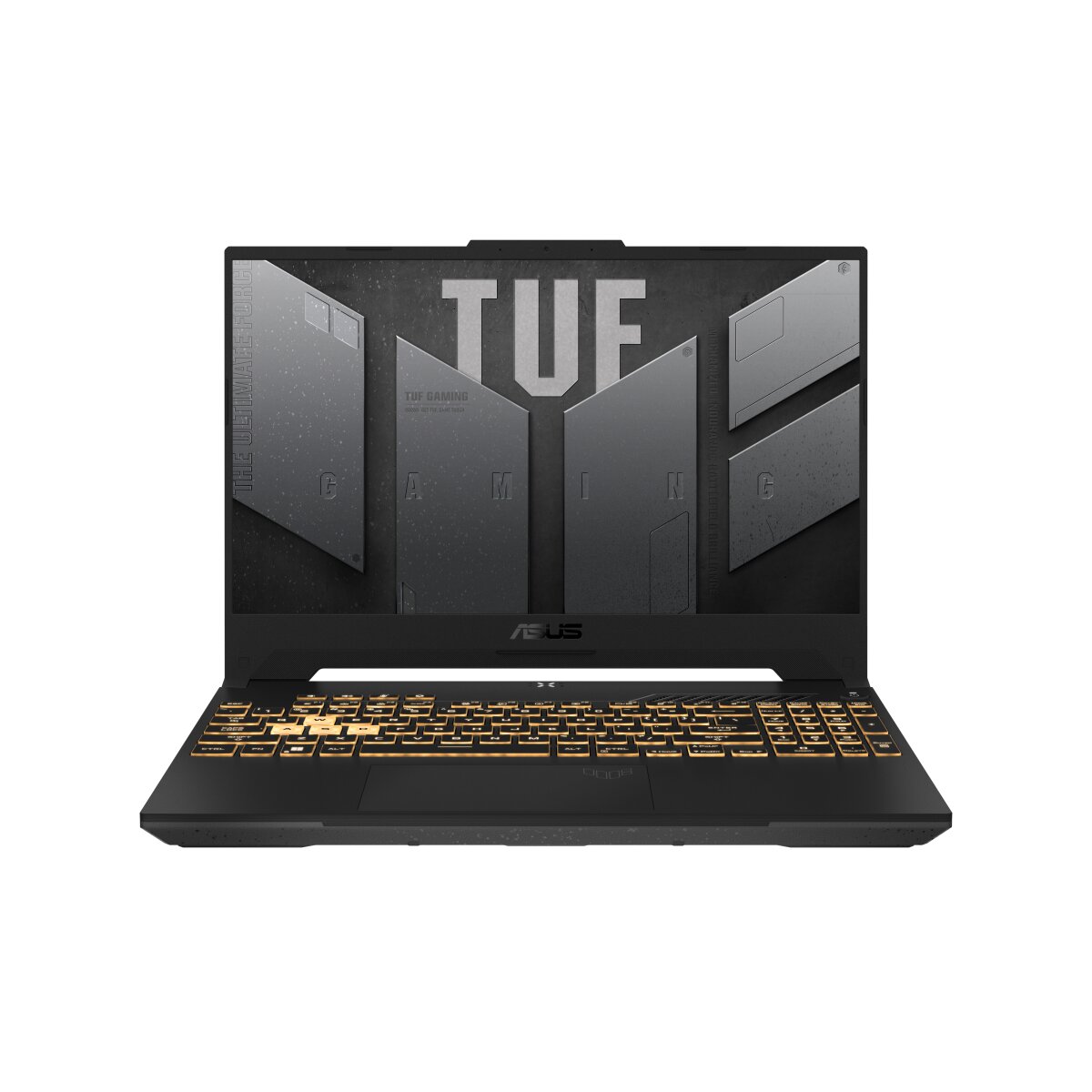
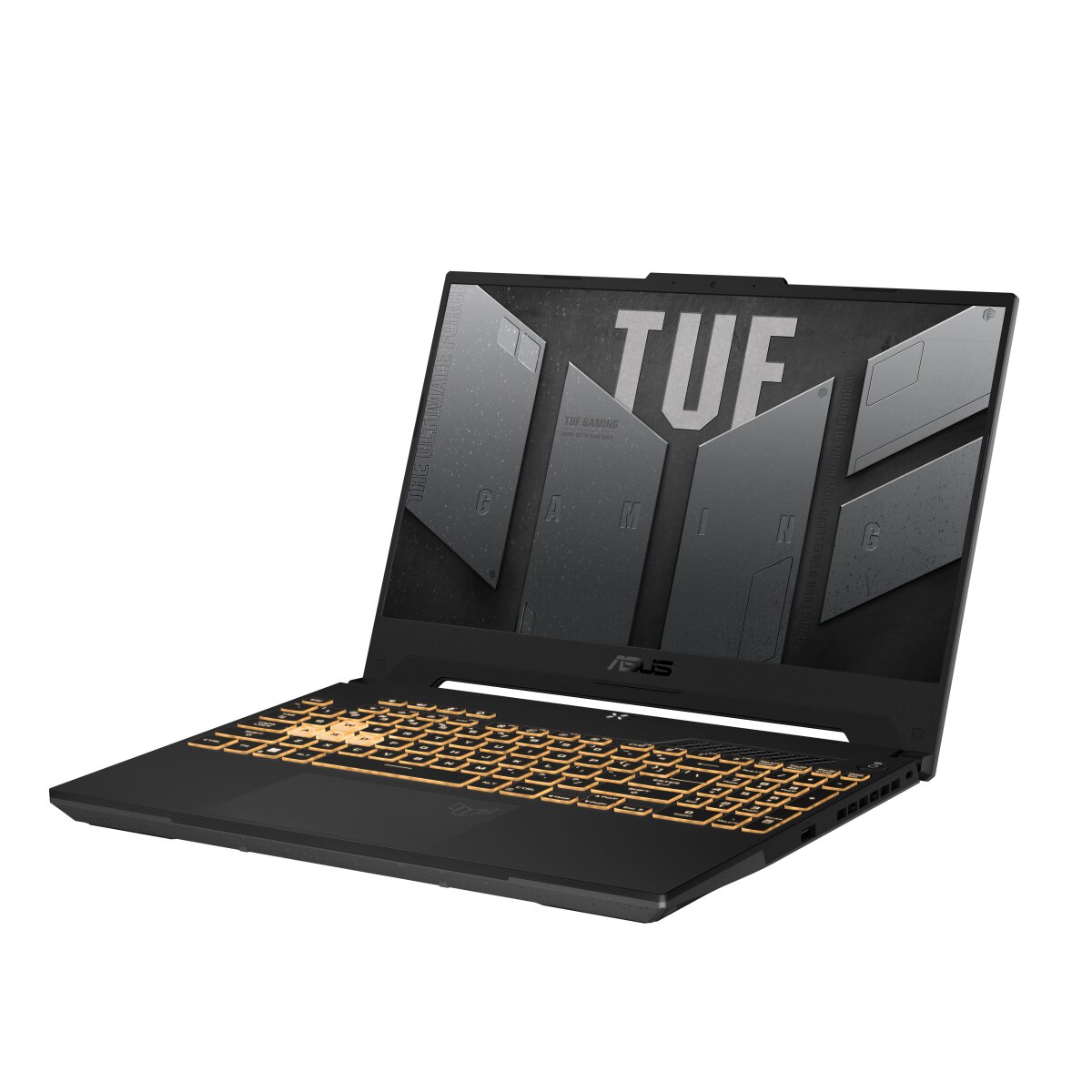
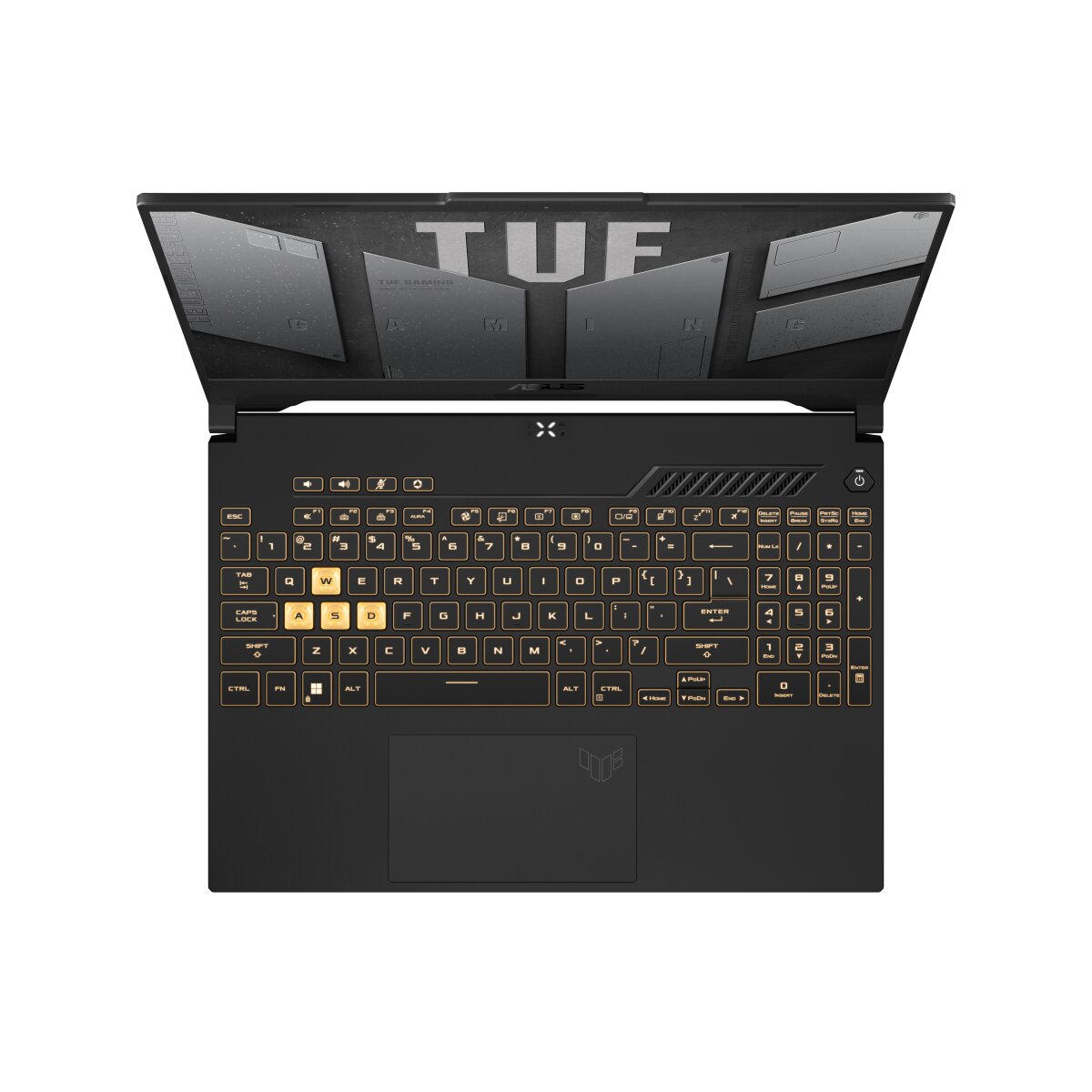
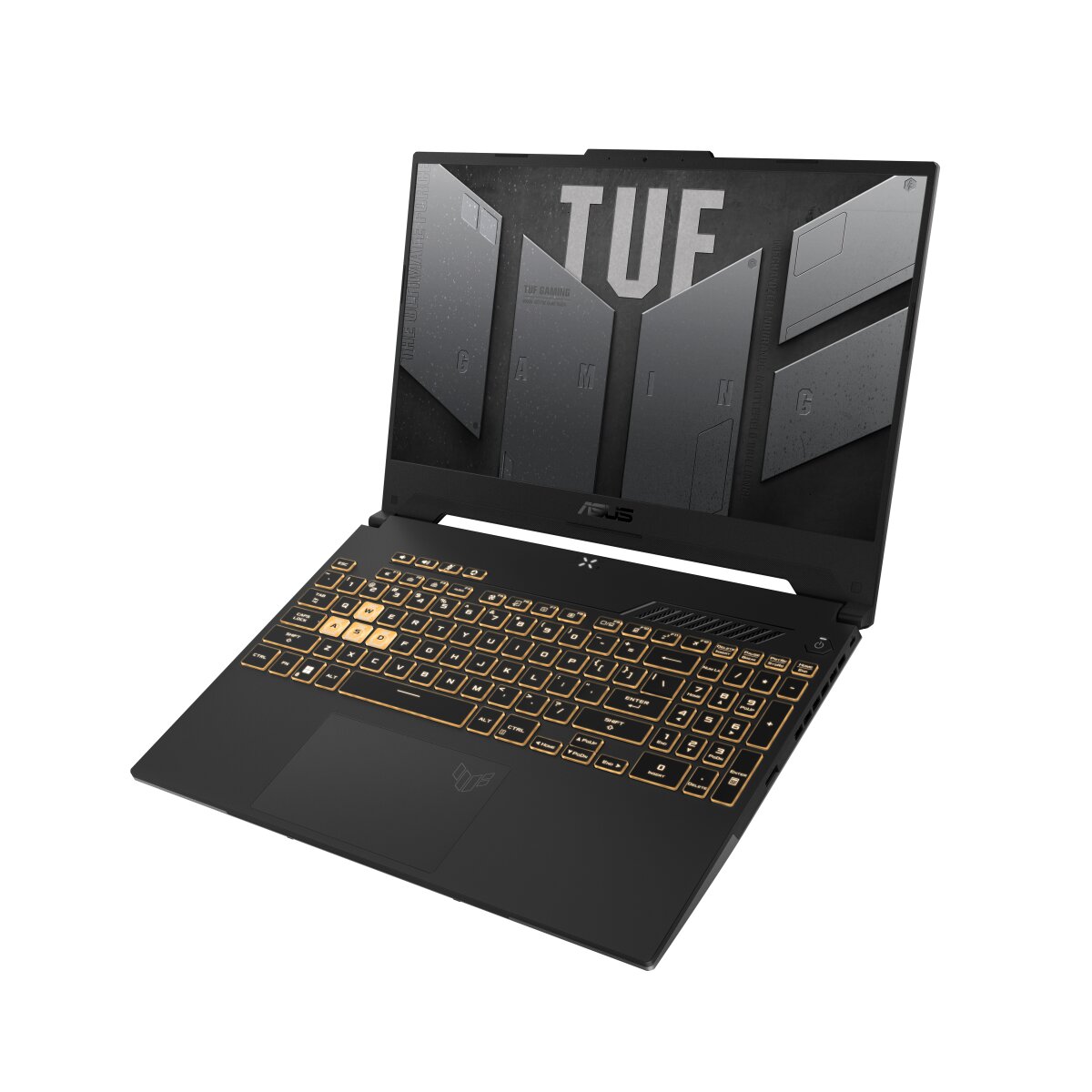
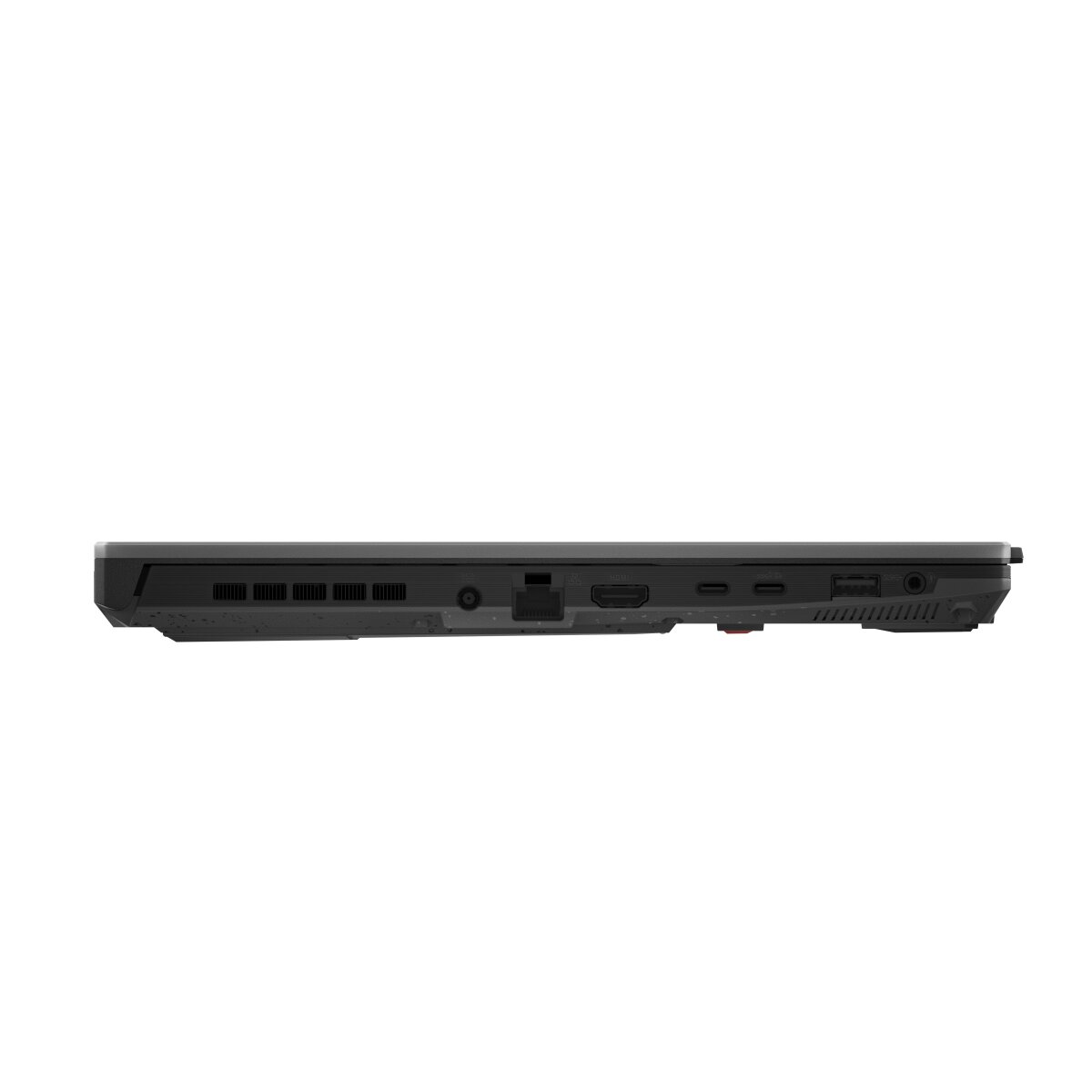
ASUS TUF Gaming F15 FX507ZV4-LP001W RAM upgrade specifications indicate DDR4-SDRAM memory compatibility. The laptop contains 2x SO-DIMM slots supporting maximum capacity of 32 GB total memory. Compatible RAM operates at 3200 MHz frequency. SO-DIMM form factor memory modules are required for upgrades on specifications for this gaming laptop model. Maximum memory capacity specifications: 32 GB. Memory slots available: 2x SO-DIMM. DDR4-SDRAM memory type with 3200 MHz frequency compatibility ensures specifications alignment for RAM upgrade procedures on ASUS FX507ZV4-LP001W.
Memory Upgrade Specifications
| Specification | Value |
|---|---|
| Memory slots | 2x SO-DIMM |
| Form factor | SO-DIMM |
| Memory type | DDR4-SDRAM |
| Frequency | 3200 MHz |
| Maximum RAM | 32 GB |
| Voltage | 1.2V |
| Number of pins | 260-pin |
| Interface | PC4 |
| PC Speed Rating | PC4-3200 (PC4-25600) |
| Bandwidth | 25.6 GB/s |
| Laptop Release date | 30 May 2023 |
Additional Notes
- The presence of 2 physical SO-DIMM slots confirms that the system memory is not soldered to the motherboard, allowing for the total replacement of factory modules rather than relying on a single expansion slot.
- The 32 GB threshold represents the maximum addressable memory supported by the BIOS and motherboard architecture, meaning capacities exceeding 16 GB per slot will result in a failure to boot.
- Operating with 2 matched modules enables dual-channel memory mode, which provides significantly higher bandwidth for the integrated graphics and CPU-intensive tasks compared to a single-module configuration.
- Installation of memory with frequencies higher than 3200 MHz will result in the hardware automatically downclocking the modules to match the maximum supported system bus speed.
- The ASUS TUF Gaming FX507ZV4-LP001W utilizes the DDR4 standard, which necessitates a different voltage and physical pin layout than the newer DDR5 standard, rendering the two generations mutually incompatible.
- Accessing the internal memory slots requires the removal of the bottom chassis panel, which typically necessitates the use of a precision screwdriver and non-marring pry tools to avoid damaging the plastic clips or surface finish.
- Thermal management for the RAM relies on internal chassis airflow, as SO-DIMM slots in this form factor generally lack dedicated heat spreaders found in desktop environments.
- Latency timings should be matched between slots to ensure system stability and prevent the motherboard from defaulting to the slowest Common Clock speed available across both modules.