ASUS TUF Gaming TUF507VV-LP189 RAM upgrade specifications
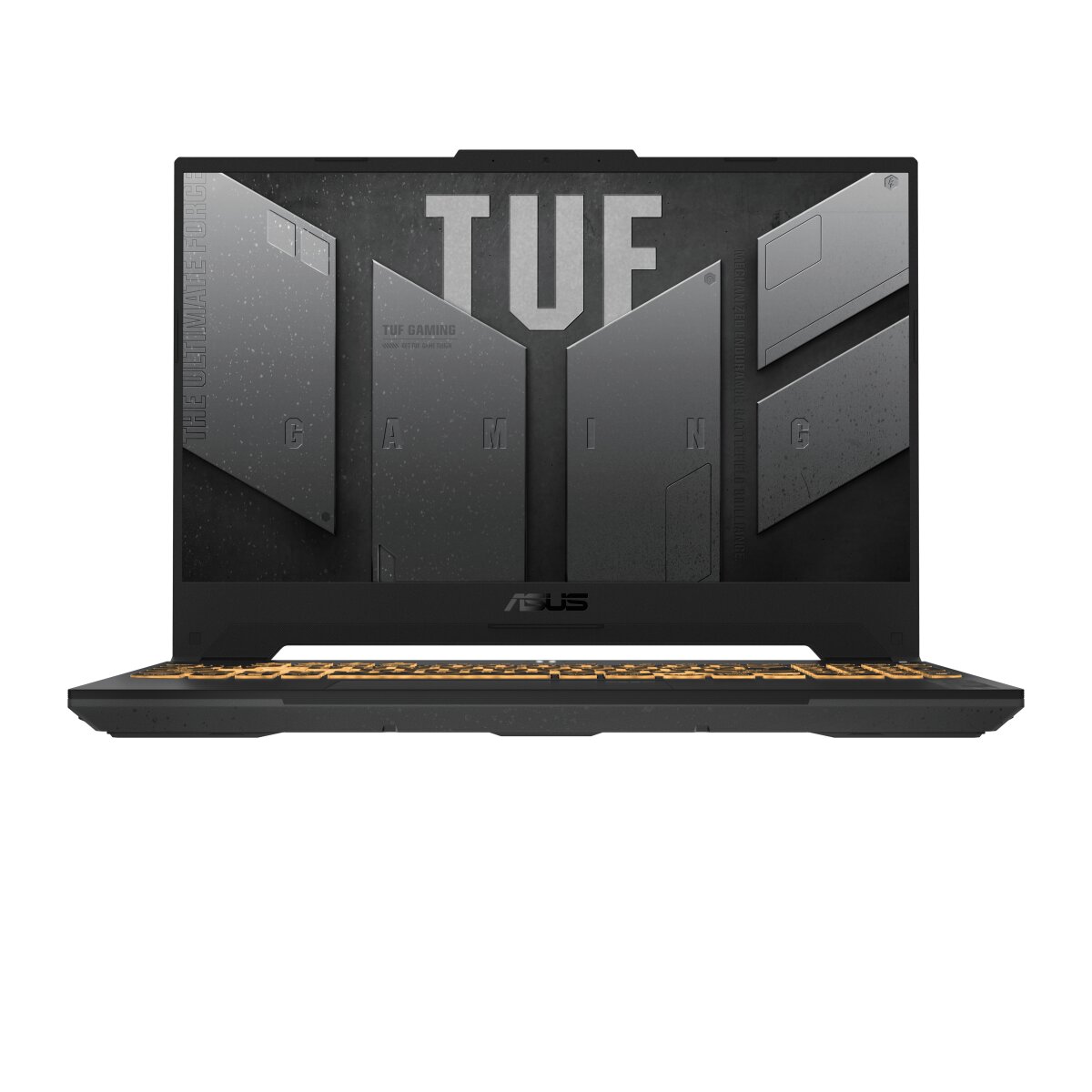



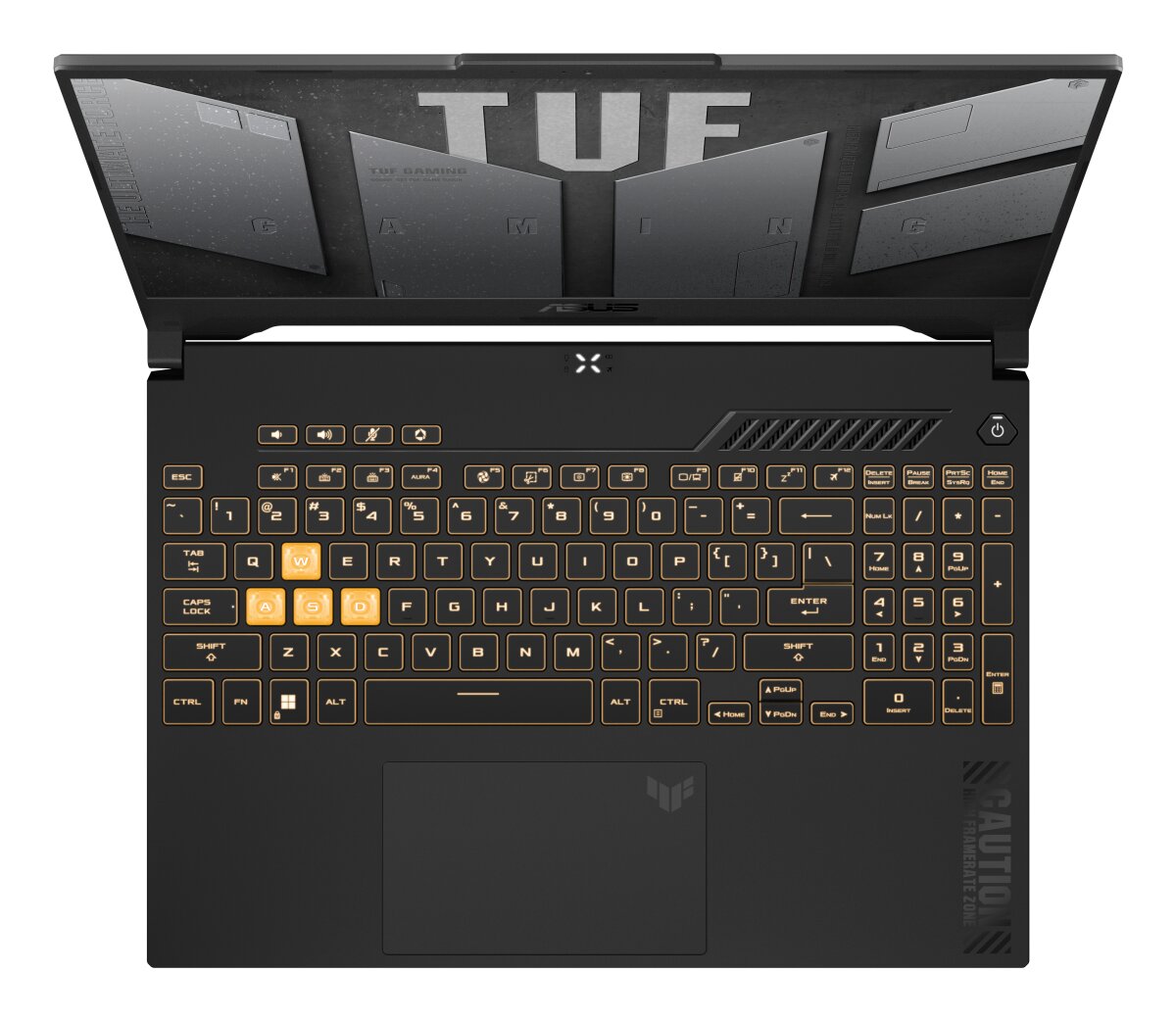
ASUS TUF Gaming F15 series model TUF507VV-LP189 features dual SO-DIMM memory slots supporting DDR5-SDRAM upgrade configuration. Maximum RAM capacity reaches 32 GB with DDR5-4800 MHz specifications. Compatible memory upgrades utilize SO-DIMM form factor modules. Current specifications allow for RAM expansion through available slot capacity to achieve maximum supported memory configuration for enhanced system performance.
Memory Upgrade Specifications
| Specification | Value |
|---|---|
| Memory slots | 2x SO-DIMM |
| Form factor | SO-DIMM |
| Memory type | DDR5-SDRAM |
| Frequency | 4800 MHz |
| Maximum RAM | 32 GB |
| Voltage | 1.1V |
| Number of pins | 262-pin |
| Interface | PC5 |
| PC Speed Rating | PC5-4800 (PC5-38400) |
| Bandwidth | 38.4 GB/s |
Additional Notes
- The ASUS TUF Gaming TUF507VV-LP189 accepts DDR5 modules exclusively, preventing the use of any DDR4 inventory from previous systems due to physical notch incompatibility and voltage differences.
- The 32 GB ceiling requires installing matched 16 GB modules in both slots to reach maximum capacity, as single 32 GB SO-DIMMs exceed the controller's per-slot addressing limit.
- DDR5-4800 represents JEDEC baseline speed rather than overclocked profiles, ensuring stable operation without BIOS timing adjustments or XMP/EXPO activation.
- Memory frequency operates at effective 4800 MT/s while the actual clock runs at 2400 MHz due to double data rate architecture, distinguishing it from older single data rate standards.
- Both SO-DIMM slots function in dual-channel mode when populated with matching capacity modules, delivering 76.8 GB/s theoretical bandwidth compared to 38.4 GB/s in asymmetric configurations.
- Installing modules with higher advertised speeds such as DDR5-5600 will downclock to the platform's 4800 MHz limit, offering no performance advantage over baseline-rated modules.
- The SO-DIMM form factor measures 67.6 mm compared to standard DIMM's 133.35 mm length, making desktop memory modules physically incompatible regardless of electrical specifications.
- Memory upgrades preserve manufacturer warranty coverage when using JEDEC-standard modules, whereas overclocked or non-standard voltages may trigger support exclusions depending on regional service policies.
- Mixing modules of different densities such as 8 GB with 16 GB maintains functionality but forces single-channel operation for the mismatched portion, reducing memory bandwidth efficiency.
- DDR5 on-die ECC operates transparently at the DRAM level for error correction, distinct from traditional server-grade ECC that requires specific motherboard chipset support.
- Ambient temperatures above 85°C at the module surface may trigger thermal throttling in DDR5 modules, particularly relevant in gaming laptops with shared thermal zones between GPU and memory.
- The 1.1V standard operating voltage for DDR5 draws approximately 20% less power per module than DDR4's 1.2V requirement, contributing to extended battery runtime during memory-intensive tasks.