ASUS TUF Gaming TUF507VU4-LP087W RAM upgrade specifications

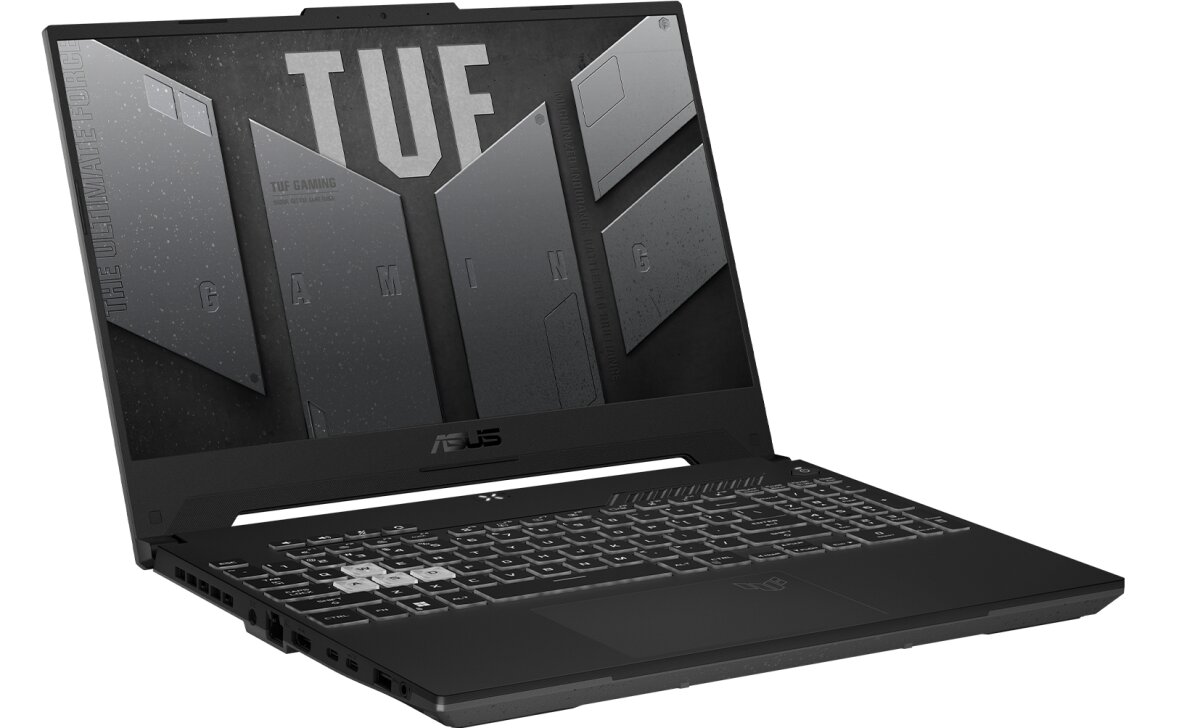
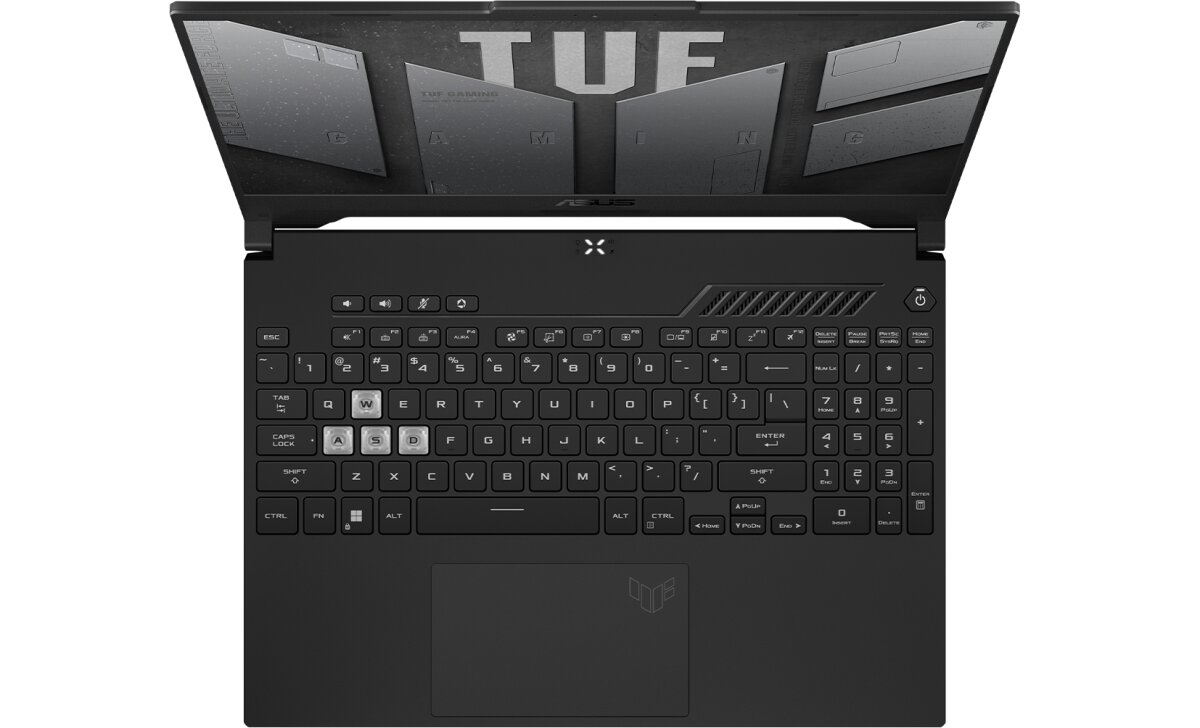
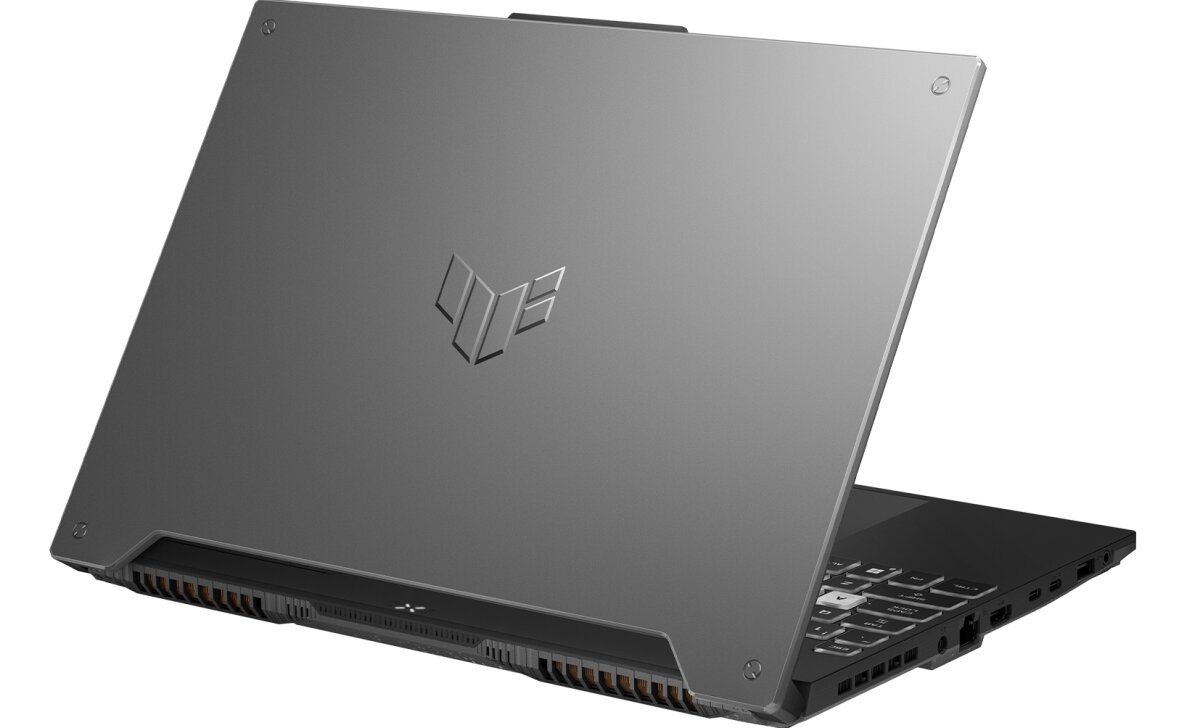
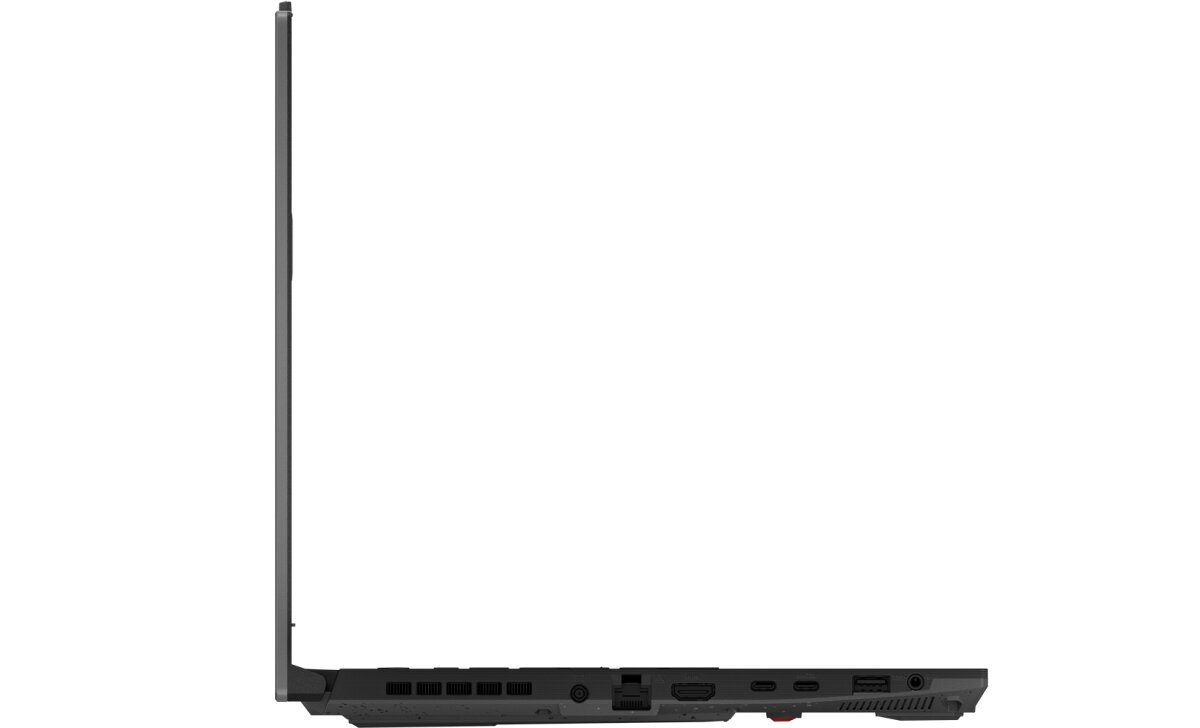
The ASUS TUF Gaming F15 series model TUF507VU4-LP087W features DDR5-SDRAM memory upgrade specifications. The laptop contains 2 SO-DIMM slots with maximum RAM capacity of 32 GB. Compatible memory modules operate at 4800 MHz frequency and utilize SO-DIMM form factor. Upgrade configurations support DDR5 technology across both memory slots for enhanced performance specifications.
Memory Upgrade Specifications
| Specification | Value |
|---|---|
| Memory slots | 2x SO-DIMM |
| Form factor | SO-DIMM |
| Memory type | DDR5-SDRAM |
| Frequency | 4800 MHz |
| Maximum RAM | 32 GB |
| Voltage | 1.1V |
| Number of pins | 262-pin |
| Interface | PC5 |
| PC Speed Rating | PC5-4800 (PC5-38400) |
| Bandwidth | 38.4 GB/s |
| Laptop Release date | 16 January 2023 |
Additional Notes
- The DDR5-4800 specification indicates this ASUS TUF Gaming TUF507VU4-LP087W operates at JEDEC standard baseline speeds rather than higher-binned enthusiast kits, which limits headroom for timing optimization but ensures broad module compatibility.
- The 32 GB maximum capacity constraint stems from either chipset addressing limitations or BIOS memory controller restrictions, preventing the installation of 48 GB or 64 GB configurations even if physical slots accept higher-density modules.
- SO-DIMM DDR5 modules generate approximately 30% more heat per watt compared to DDR4 equivalents due to onboard voltage regulators, requiring adequate chassis ventilation during sustained memory-intensive workloads to prevent thermal throttling.
- Dual-channel population across both slots enables full memory bandwidth utilization at 76.8 GB/s theoretical throughput, whereas single-module configurations halve available bandwidth regardless of capacity.
- DDR5 non-ECC consumer modules lack error correction capabilities, making the system vulnerable to soft errors during mission-critical tasks where data integrity cannot be verified through parity checking.
- The 4800 MHz native speed operates without XMP/EXPO profile dependencies, eliminating potential POST failures associated with overclocked memory configurations that require manual BIOS intervention.
- SO-DIMM slot accessibility typically requires bottom panel removal rather than dedicated service doors, necessitating full system disassembly and warranty seal verification before user-serviceable upgrades.
- Mixed-capacity configurations such as 8 GB plus 16 GB will function in flex mode but sacrifice performance compared to matched pairs due to asymmetric rank interleaving beyond the lower module's capacity.
- The absence of soldered memory components preserves full upgradeability throughout the product lifecycle, unlike hybrid designs where partial capacity remains permanently fixed to the motherboard.
- DDR5 voltage requirements of 1.1V versus DDR4's 1.2V reduce power consumption by approximately 8-10%, extending battery runtime during mobile operation when memory subsystems remain active.