ASUS TUF Gaming TUF507VU-LP159W RAM upgrade specifications



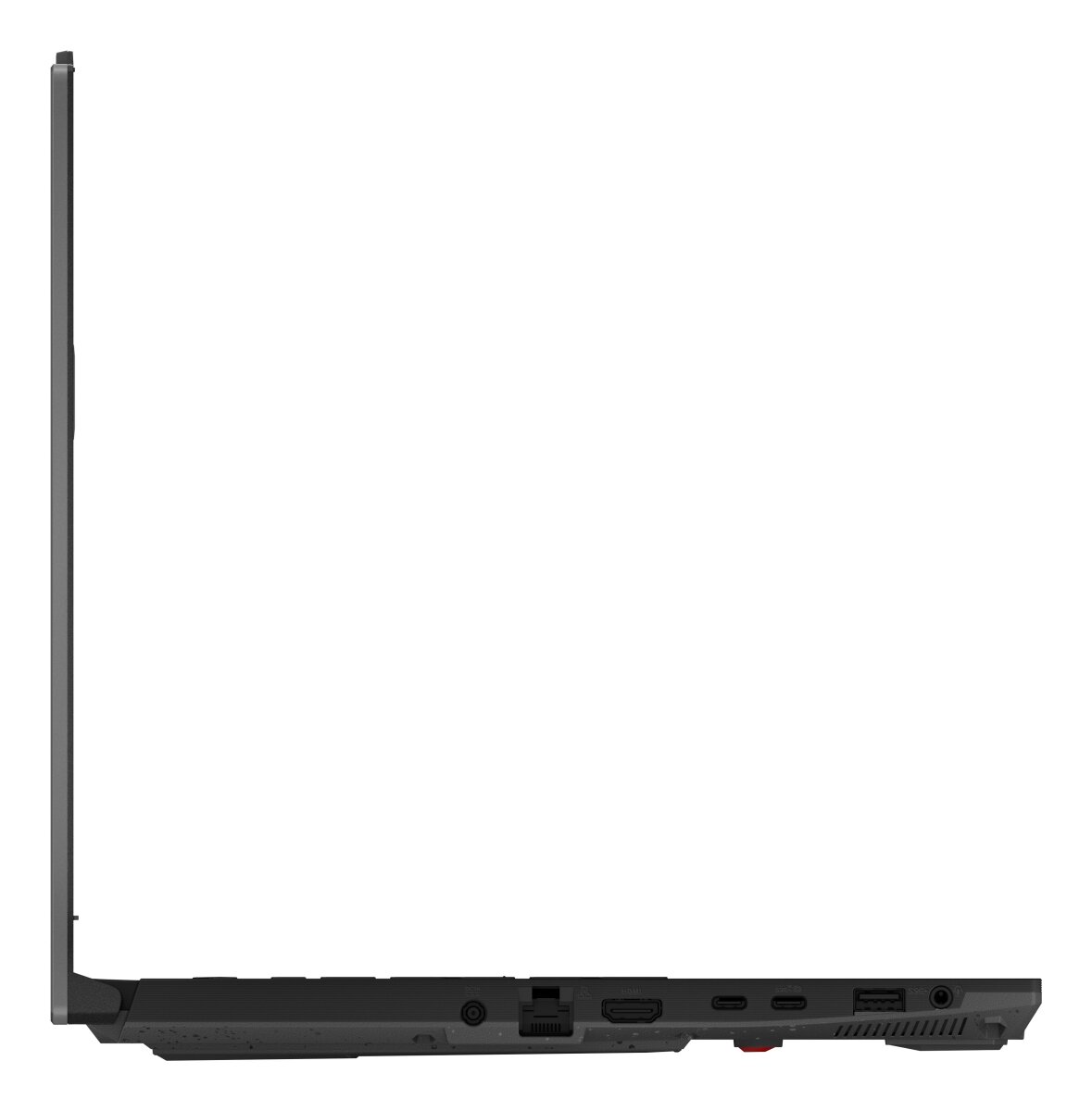
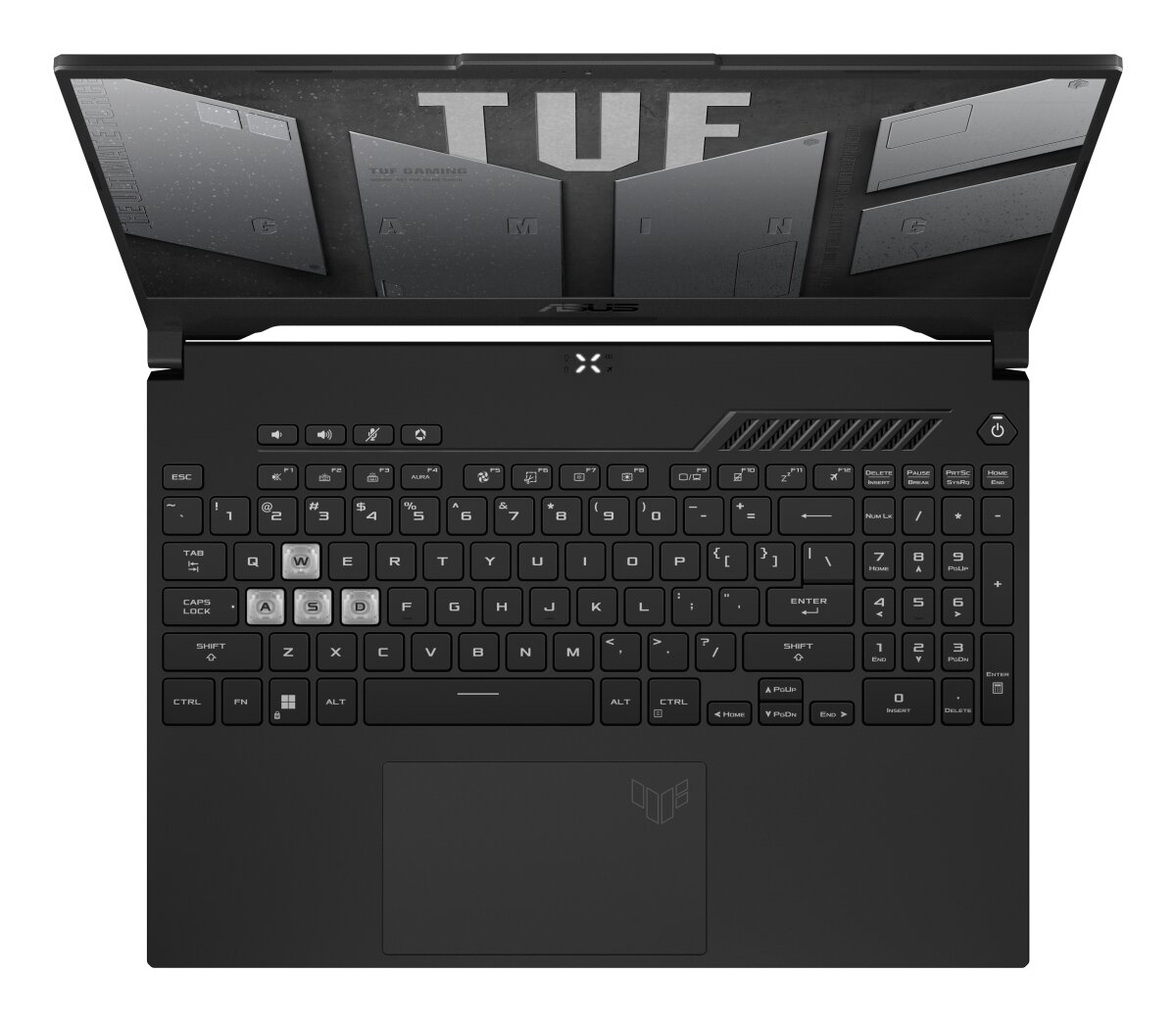
The ASUS TUF Gaming F15 series model TUF507VU-LP159W features DDR5-SDRAM memory upgrade specifications. The laptop contains two SO-DIMM slots compatible with DDR5 memory modules operating at 4800 MHz frequency. Maximum memory capacity reaches 32 GB total when both slots are fully populated. Upgrading RAM in this TUF series gaming notebook requires SO-DIMM form factor DDR5 modules. Current memory configuration and upgrade compatibility should be verified against ASUS specifications for the TUF507VU-LP159W model prior to purchasing compatible RAM upgrades.
Memory Upgrade Specifications
| Specification | Value |
|---|---|
| Memory slots | 2x SO-DIMM |
| Form factor | SO-DIMM |
| Memory type | DDR5-SDRAM |
| Frequency | 4800 MHz |
| Maximum RAM | 32 GB |
| Voltage | 1.1V |
| Number of pins | 262-pin |
| Interface | PC5 |
| PC Speed Rating | PC5-4800 (PC5-38400) |
| Bandwidth | 38.4 GB/s |
Additional Notes
- The presence of 2 physical SO-DIMM slots allows for dual-channel memory configurations which doubles the potential memory bandwidth compared to single-channel setups.
- The ASUS TUF Gaming TUF507VU-LP159W utilizes DDR5 technology which operates at a lower base voltage than DDR4 while offering higher burst chop lengths for increased data efficiency.
- Internal motherboard architecture limits the total addressable memory to 32 GB regardless of the theoretical capacity of the individual DDR5 modules installed.
- Mixing modules with different rated speeds will result in the hardware defaulting to the lowest common frequency supported by the system controller.
- Replacement of memory requires the removal of the bottom chassis panel which exposes internal components to potential electrostatic discharge risks during the installation process.
- The 4800 MHz frequency ceiling is a hardware-defined limit that prevents the utilization of XMP or high-performance overclocked profiles beyond the specified clock rate.
- Thermal management within the compact chassis must account for the heat dissipation of high-density modules to avoid localized throttling under sustained memory-intensive workloads.