ASUS TUF Gaming TUF507VU-LP159 RAM upgrade specifications



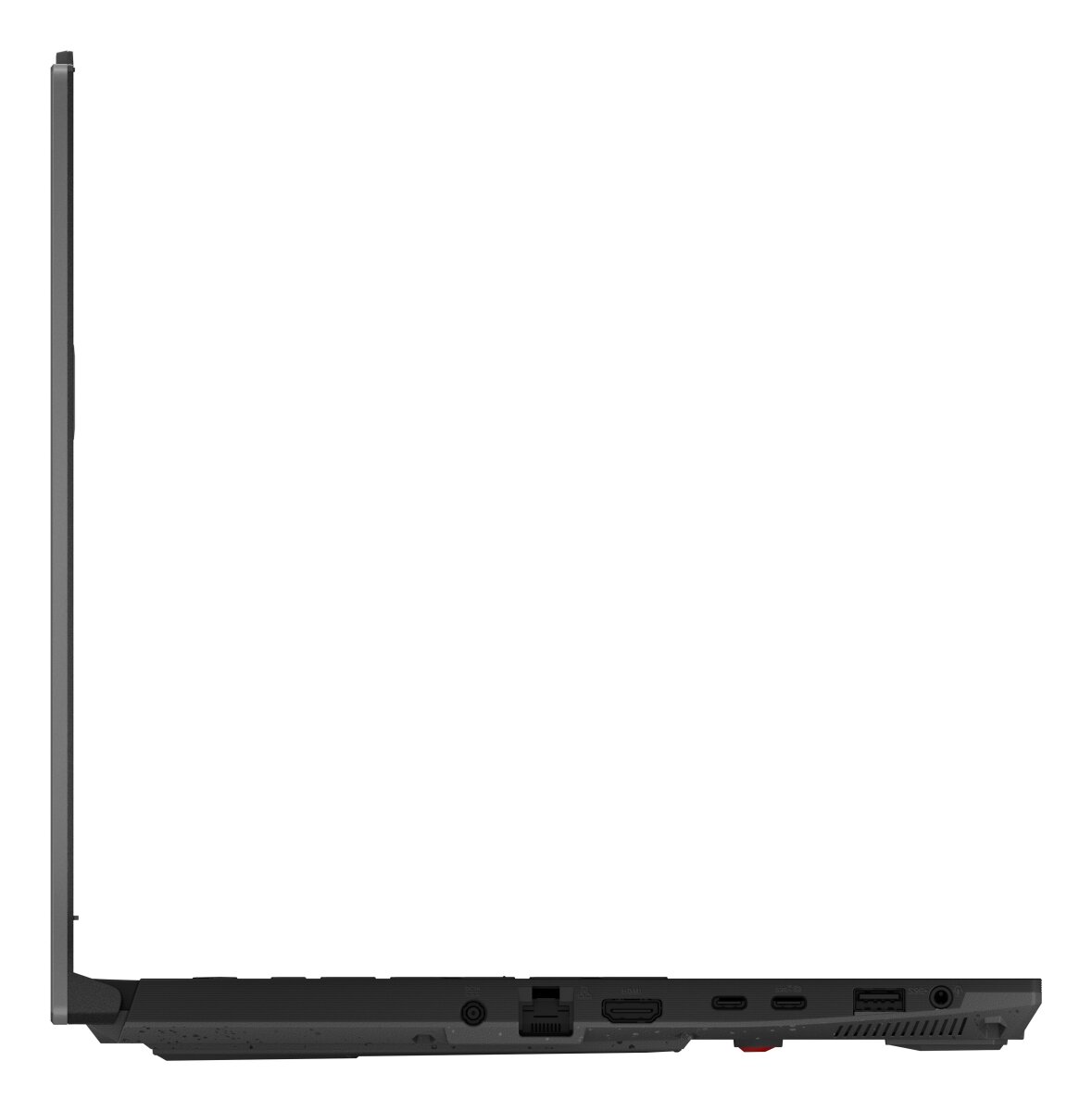
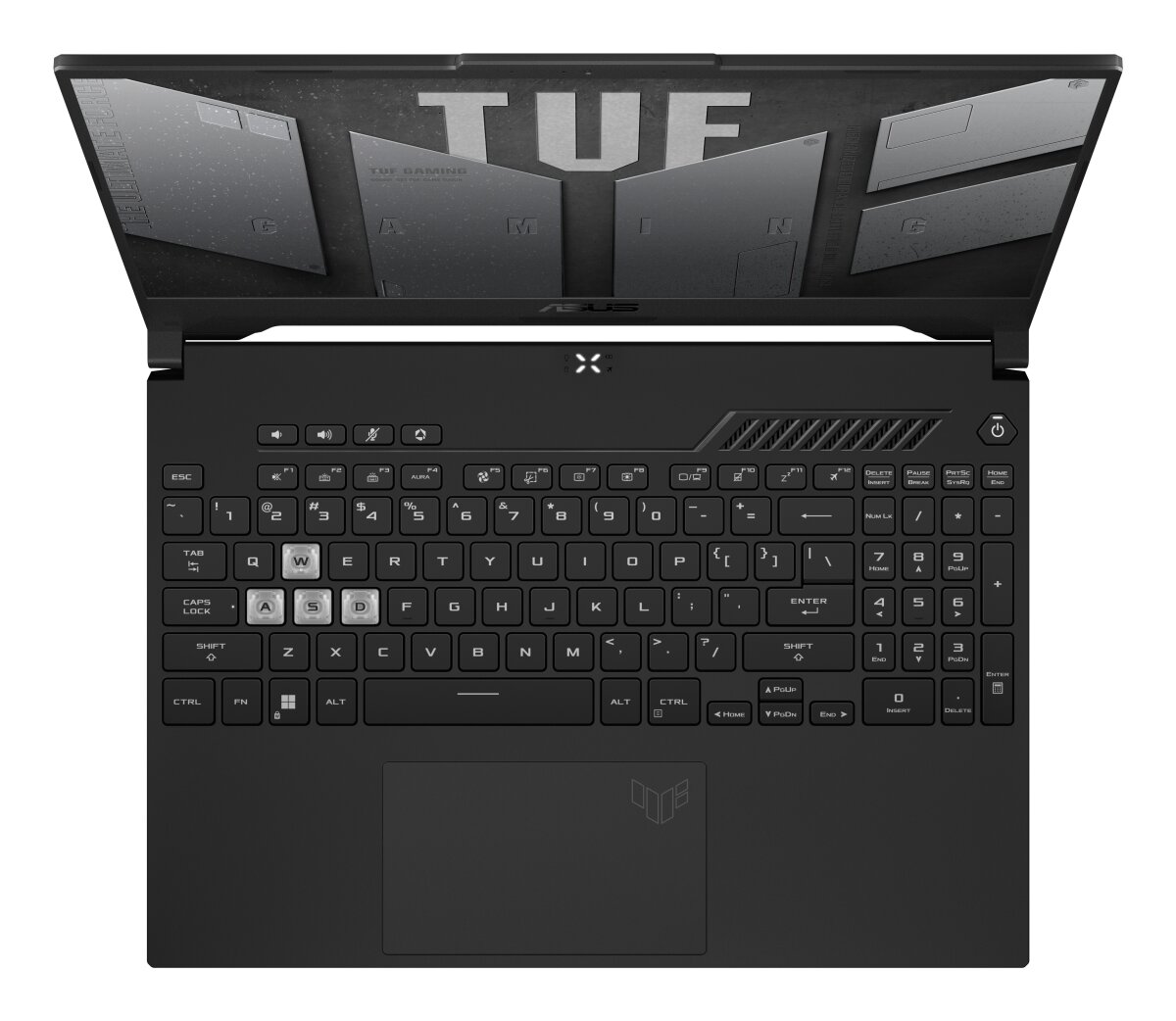
ASUS TUF Gaming F15 series model TUF507VU-LP159 supports DDR5-SDRAM memory upgrades through 2x SO-DIMM slots. Maximum RAM capacity reaches 32 GB. Specifications indicate SO-DIMM form factor modules operating at 4800 MHz frequency. Compatible memory upgrades enable expansion of system RAM on this gaming laptop model for enhanced multitasking and performance capabilities.
Memory Upgrade Specifications
| Specification | Value |
|---|---|
| Memory slots | 2x SO-DIMM |
| Form factor | SO-DIMM |
| Memory type | DDR5-SDRAM |
| Frequency | 4800 MHz |
| Maximum RAM | 32 GB |
| Voltage | 1.1V |
| Number of pins | 262-pin |
| Interface | PC5 |
| PC Speed Rating | PC5-4800 (PC5-38400) |
| Bandwidth | 38.4 GB/s |
Additional Notes
- The ASUS TUF Gaming TUF507VU-LP159 uses SO-DIMM modules instead of standard DIMMs, which limits compatibility to laptop-specific memory and prevents use of desktop RAM even when speeds and generation match.
- The 32 GB maximum capacity constraint applies regardless of individual module density, meaning configurations exceeding this limit will either fail to boot or automatically downclock to lower recognized amounts.
- DDR5 technology provides no backward compatibility with DDR4 modules due to different notch positioning and voltage requirements, making previous generation memory physically incompatible with the slot design.
- The 4800 MHz frequency represents the baseline JEDEC standard for DDR5, indicating the system will not automatically utilize higher XMP or EXPO profiles without BIOS support and manual configuration.
- Dual SO-DIMM architecture enables symmetric dual-channel operation only when both slots contain identical capacity and timing modules, while mismatched configurations force single-channel mode with bandwidth reduction.
- Memory bandwidth peaks at 76.8 GB/s in dual-channel mode with matched 4800 MHz modules, but asymmetric population or timing mismatches reduce effective throughput by approximately 50 percent.
- SO-DIMM installation requires accessing the bottom panel or keyboard deck depending on chassis design, with potential warranty implications if security seals are broken during user-performed upgrades.
- DDR5's on-DIMM voltage regulation architecture means each module independently manages power delivery, eliminating some compatibility issues common in DDR4 systems but requiring higher per-module manufacturing standards.
- The 2-slot configuration limits upgrade flexibility to either replacing existing modules entirely or adding a second module if only 1 slot is initially populated.
- Operating at 4800 MHz produces higher latency in nanoseconds compared to DDR4-3200 despite greater bandwidth, affecting performance in latency-sensitive applications more than bandwidth-constrained workloads.
- Modules rated above 4800 MHz will function but automatically downclock to the system's supported frequency unless motherboard firmware explicitly supports higher JEDEC or overclocked speeds.
- DDR5 SO-DIMM modules consume different power compared to DDR4, with thermal implications for sustained workloads in chassis with limited airflow around memory slots.