ASUS TUF Gaming TUF507VI-LP086 RAM upgrade specifications
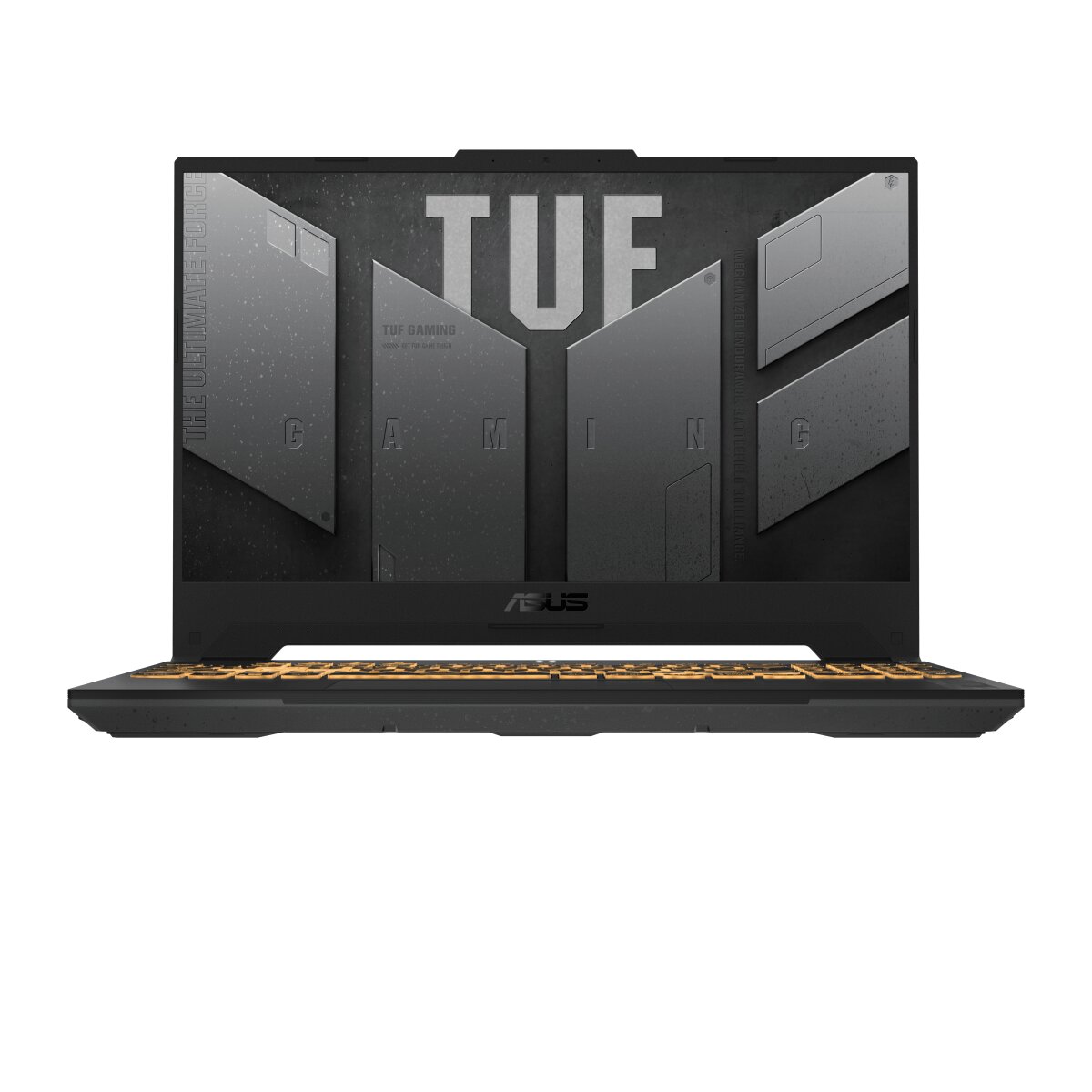
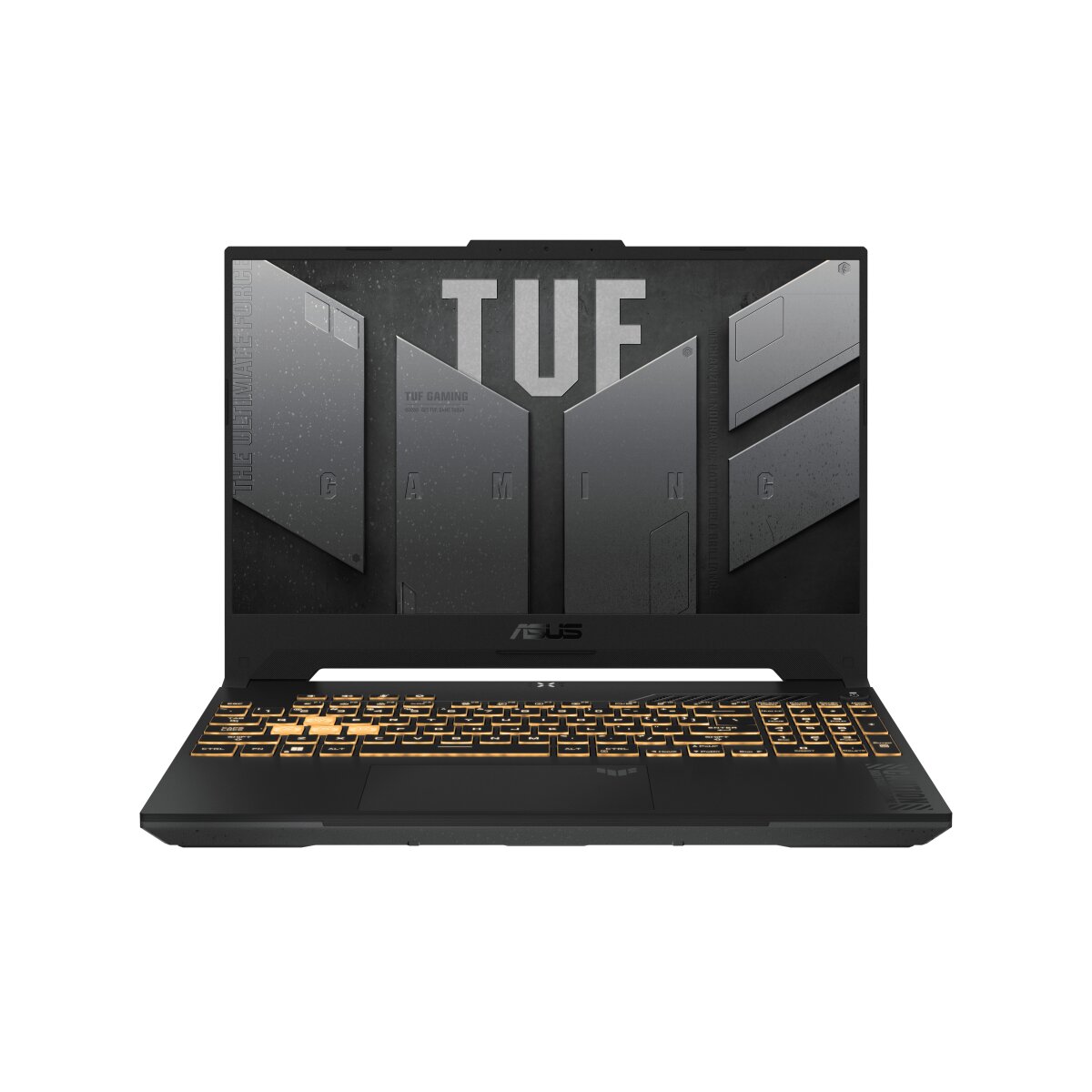
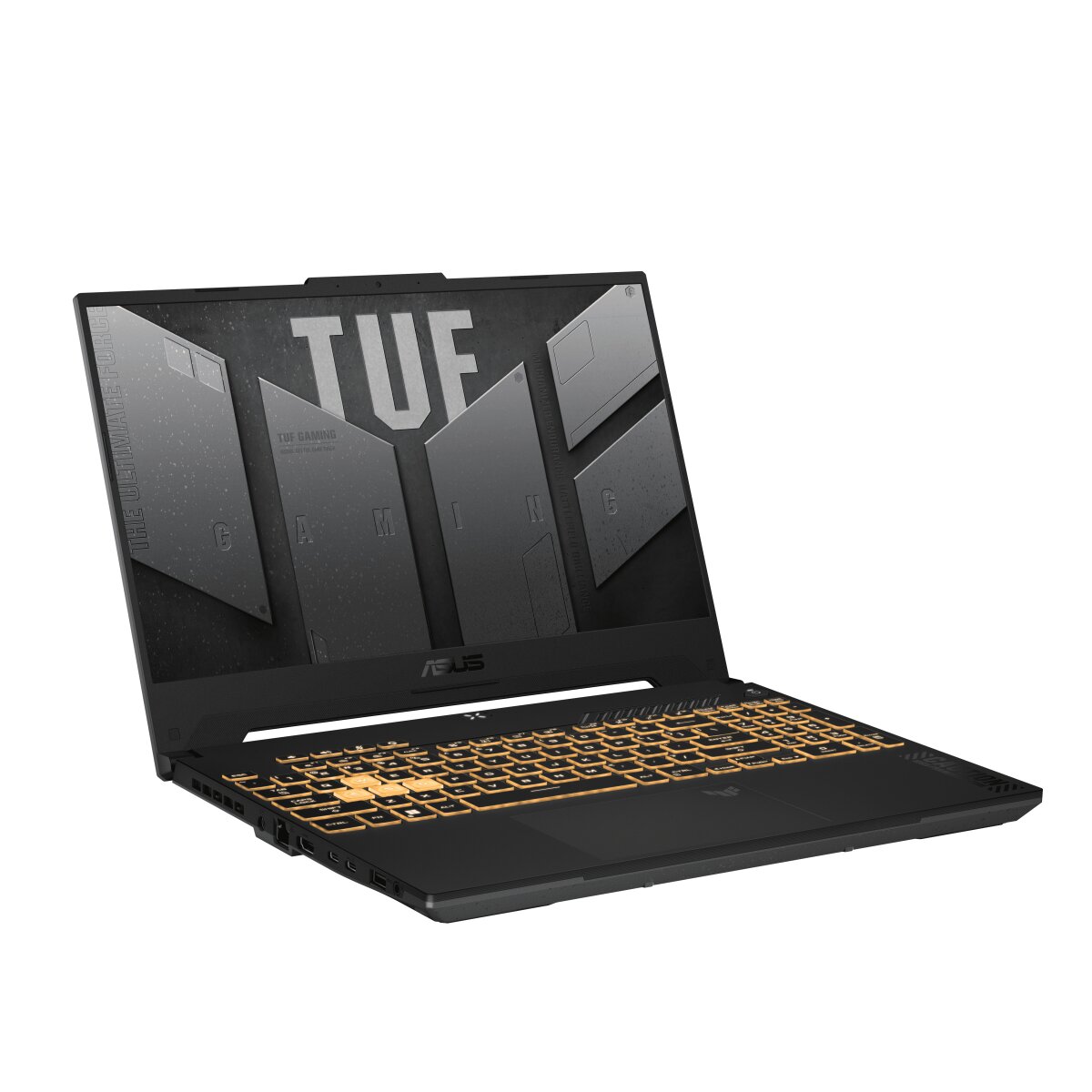
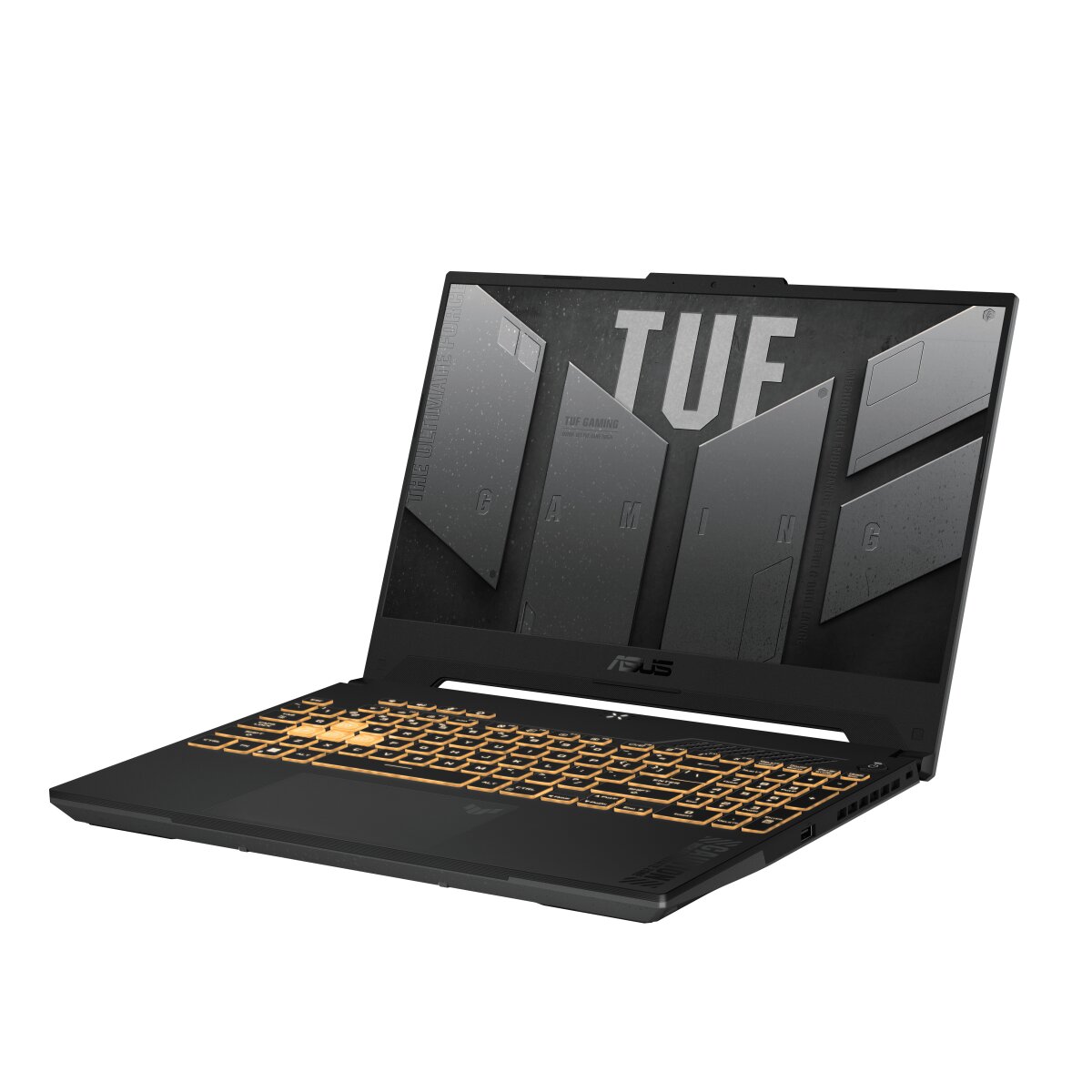
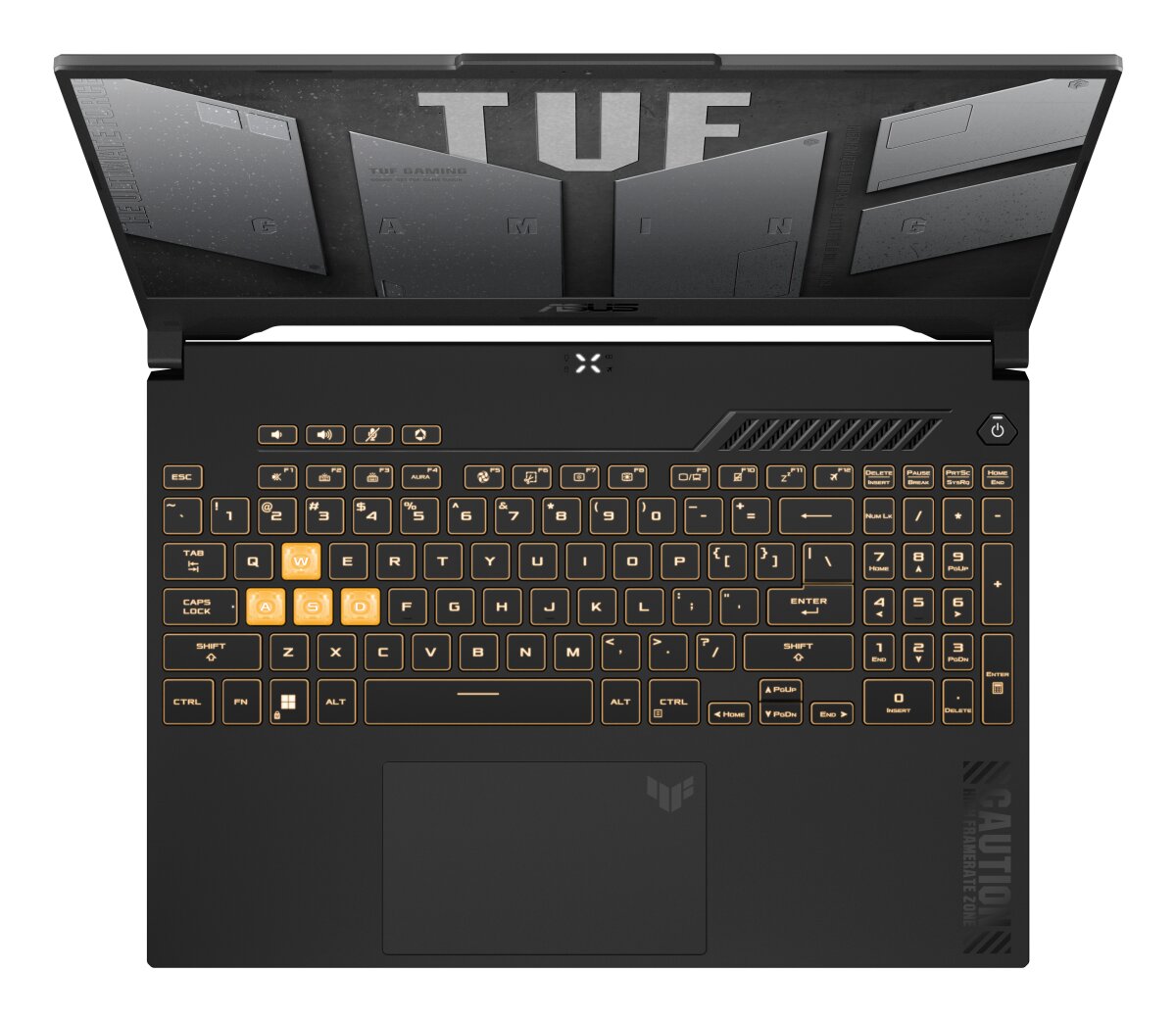
ASUS TUF Gaming F15 model TUF507VI-LP086 features DDR5-SDRAM memory upgrade capacity. The laptop contains 2x SO-DIMM slots supporting maximum RAM configuration of 32 GB total capacity. Compatible memory modules operate at 4800 MHz frequency specifications. Upgradeable memory specifications utilize SO-DIMM form factor for compatibility with the TUF Gaming F15 series platform.
Memory Upgrade Specifications
| Specification | Value |
|---|---|
| Memory slots | 2x SO-DIMM |
| Form factor | SO-DIMM |
| Memory type | DDR5-SDRAM |
| Frequency | 4800 MHz |
| Maximum RAM | 32 GB |
| Voltage | 1.1V |
| Number of pins | 262-pin |
| Interface | PC5 |
| PC Speed Rating | PC5-4800 (PC5-38400) |
| Bandwidth | 38.4 GB/s |
Additional Notes
- The ASUS TUF Gaming TUF507VI-LP086 architecture limits total capacity to 32 GB regardless of individual module density, preventing installation of 2x32 GB configurations.
- DDR5-4800 represents JEDEC baseline specification rather than performance-optimized configurations, leaving headroom for higher frequency modules if the chipset and processor support XMP 3.0 profiles.
- Dual SO-DIMM slots require both positions to be populated with matched modules for dual-channel operation, as single-module installations halve memory bandwidth.
- DDR5 architecture prohibits backward compatibility with DDR4 modules due to physical notch repositioning and voltage differences between 1.1V and 1.2V standards.
- Thermal management becomes critical above stock frequencies since DDR5 modules generate higher heat output than DDR4 equivalents, potentially triggering thermal throttling in sustained workloads.
- Non-soldered SO-DIMM implementation permits warranty-compliant upgrades in most regions, though verification of local warranty terms remains necessary before slot access.
- Mixing modules with different CAS latencies forces the memory controller to operate at the slowest timing specification across both channels, degrading performance below the faster module's capability.
- Desktop DIMM modules cannot physically install in SO-DIMM slots due to 260-pin versus 288-pin configurations and differing module lengths.
- Operating beyond 4800 MHz requires manual BIOS configuration in most implementations, as default AUTO settings typically enforce JEDEC specifications rather than vendor-rated speeds.
- ECC SO-DIMM modules face compatibility restrictions on consumer platforms despite physical socket compatibility, as memory controller support determines error correction functionality.