ASUS TUF Gaming TUF507RM-HN088 RAM upgrade specifications

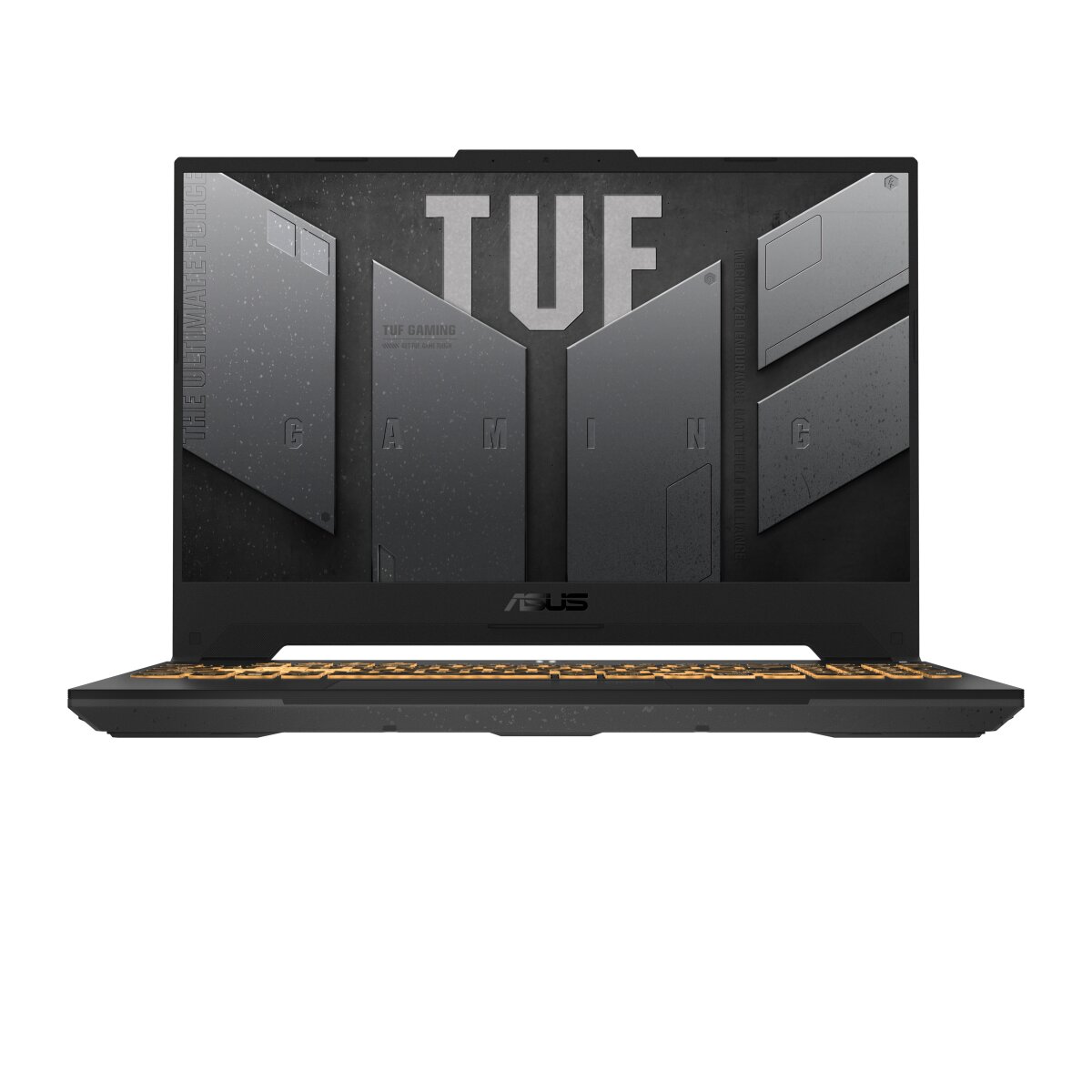


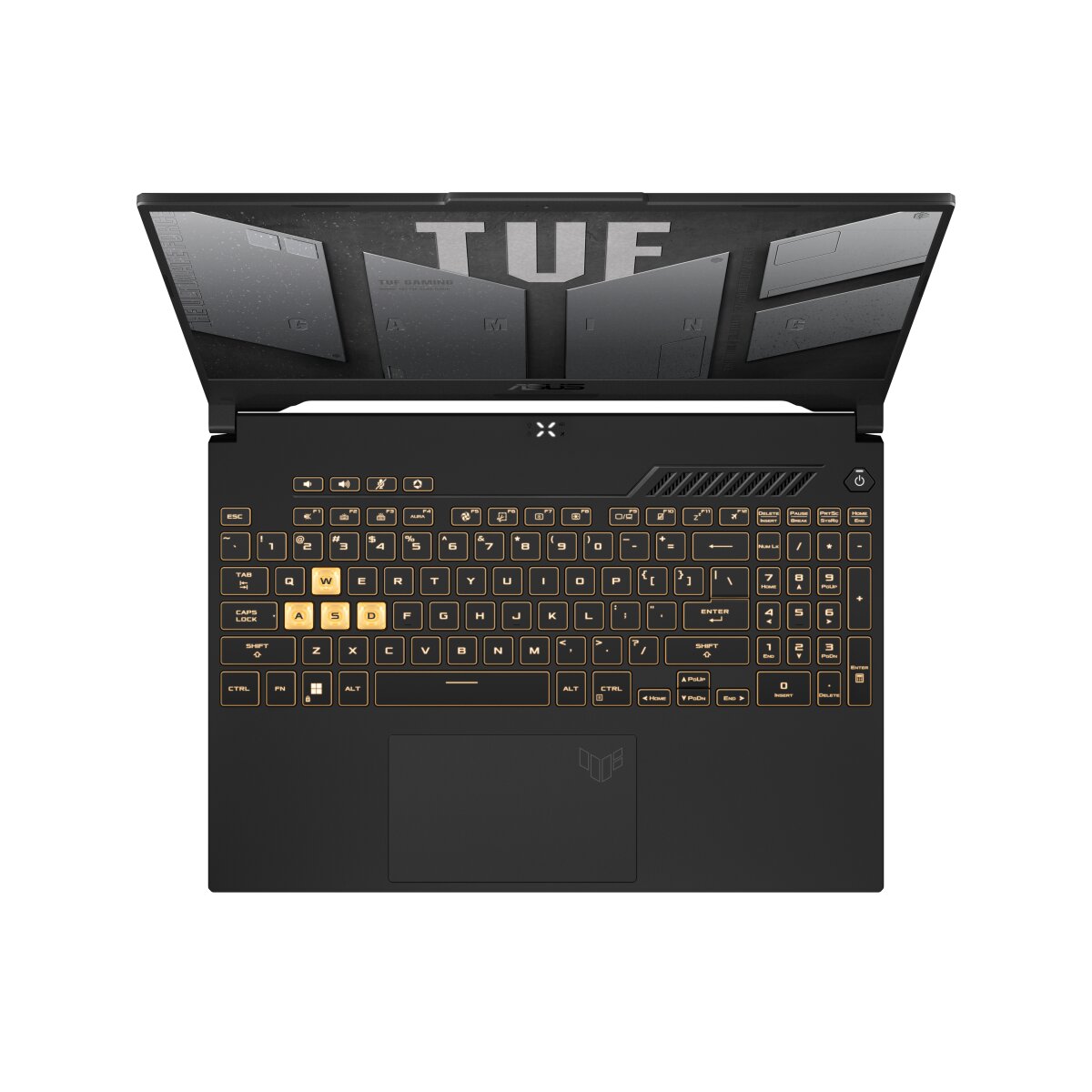
ASUS TUF Gaming F15 series model TUF507RM-HN088 features DDR5-SDRAM memory upgrade specifications with two SO-DIMM slots supporting maximum RAM capacity of 32 GB. Memory operates at 4800 MHz frequency. Compatible upgrades utilize SO-DIMM form factor modules rated for DDR5 standards. Slots accommodate dual-channel memory configuration, enabling system memory expansion from factory specifications to maximum 32 GB capacity through compatible DDR5 upgrade modules.
Memory Upgrade Specifications
| Specification | Value |
|---|---|
| Memory slots | 2x SO-DIMM |
| Form factor | SO-DIMM |
| Memory type | DDR5-SDRAM |
| Frequency | 4800 MHz |
| Maximum RAM | 32 GB |
| Voltage | 1.1V |
| Number of pins | 262-pin |
| Interface | PC5 |
| PC Speed Rating | PC5-4800 (PC5-38400) |
| Bandwidth | 38.4 GB/s |
| Laptop Release date | 17 February 2022 |
Additional Notes
- The ASUS TUF Gaming TUF507RM-HN088 operates with DDR5 memory, which delivers approximately 2x the bandwidth of DDR4 at equivalent frequencies, reducing latency-sensitive workload bottlenecks in gaming and content creation.
- The 2 SO-DIMM slot configuration permits only symmetrical dual-channel upgrades; asymmetrical configurations (unmatched capacity or speed) degrade performance to single-channel throughput and may trigger system instability.
- Maximum capacity of 32 GB necessitates 2x16 GB modules; upgrading from factory configuration requires both slots to be populated simultaneously, as single-slot upgrades cannot occur without removing existing memory.
- DDR5-4800 MHz operation on this platform requires compatible JEDEC DDR5 modules; non-standard timing profiles or higher frequency variants may fail to initialize or operate outside warranty parameters despite physical compatibility.
- SO-DIMM form factor restricts upgrades to mobile-class memory modules; desktop DDR5 UDIMM modules cannot physically install, eliminating access to lower-cost desktop inventory for cost-conscious upgrades.
- The 2-slot architecture creates a single point of failure for memory redundancy; if 1 module fails, system operation ceases entirely, contrasting with multi-slot configurations that tolerate single module degradation.
- Memory occupies thermally constrained space within the chassis; high-performance aftermarket modules with integrated heatsinks may cause clearance conflicts with adjacent components or cooling infrastructure.