ASUS TUF Gaming TUF507VI-LP086W RAM upgrade specifications
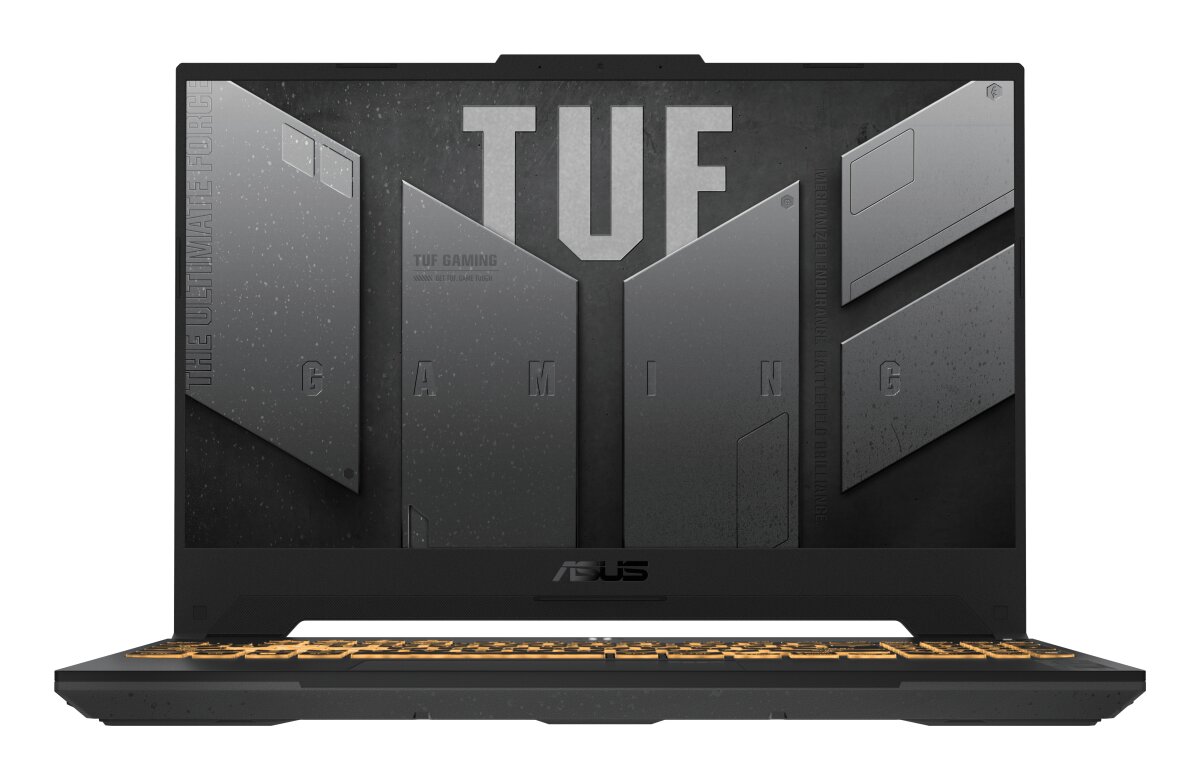

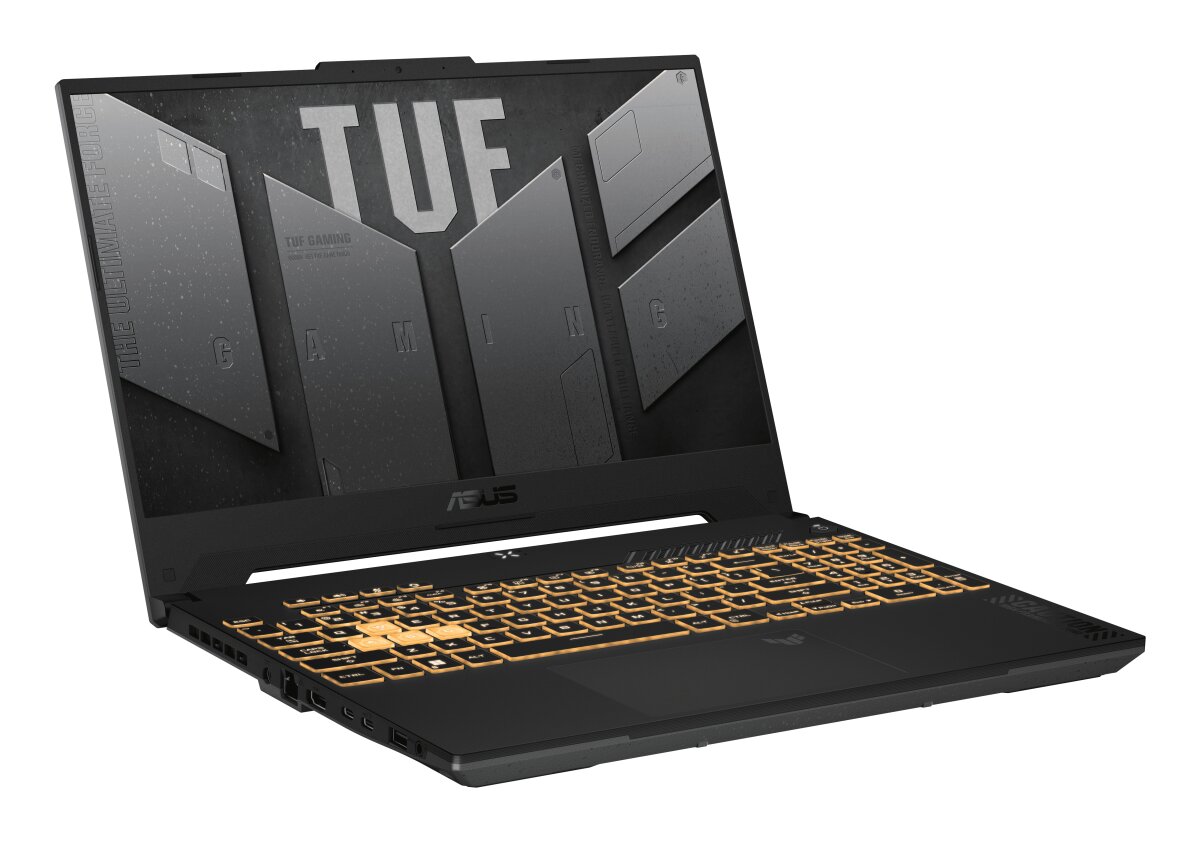
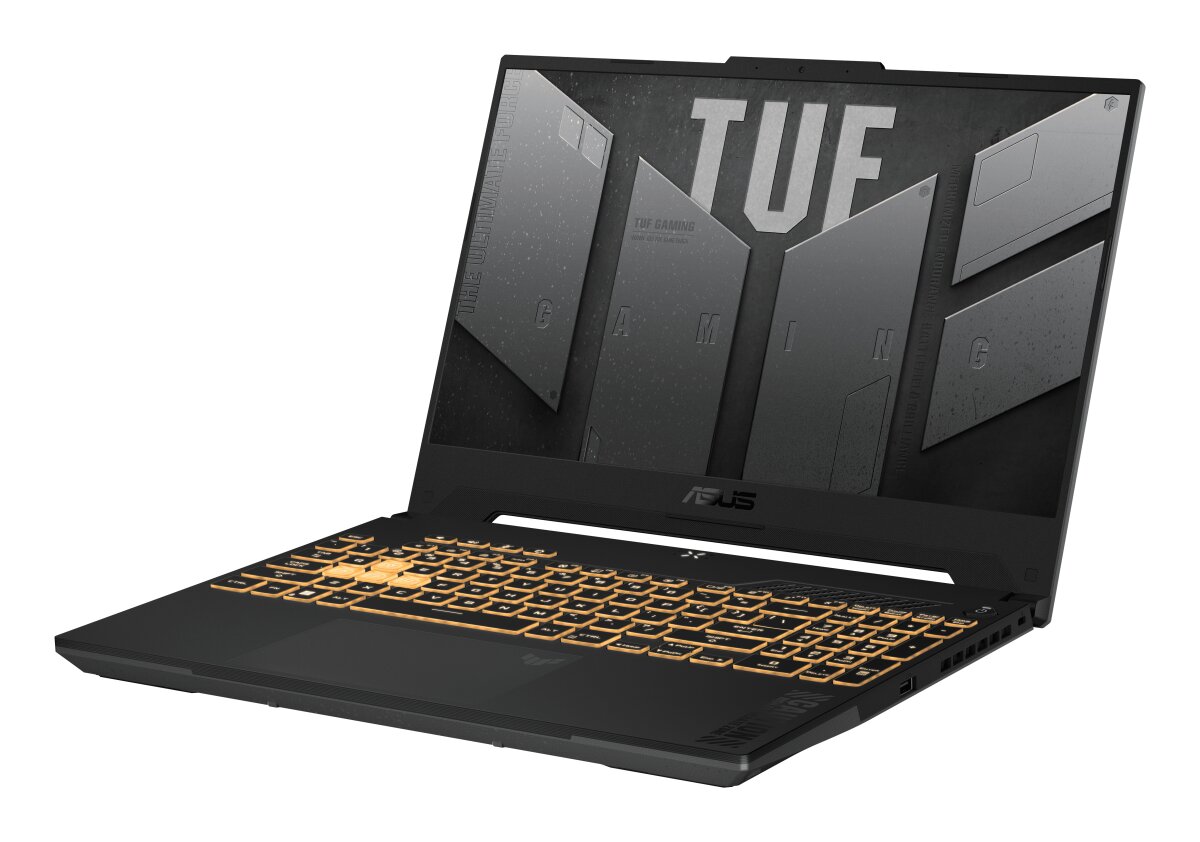
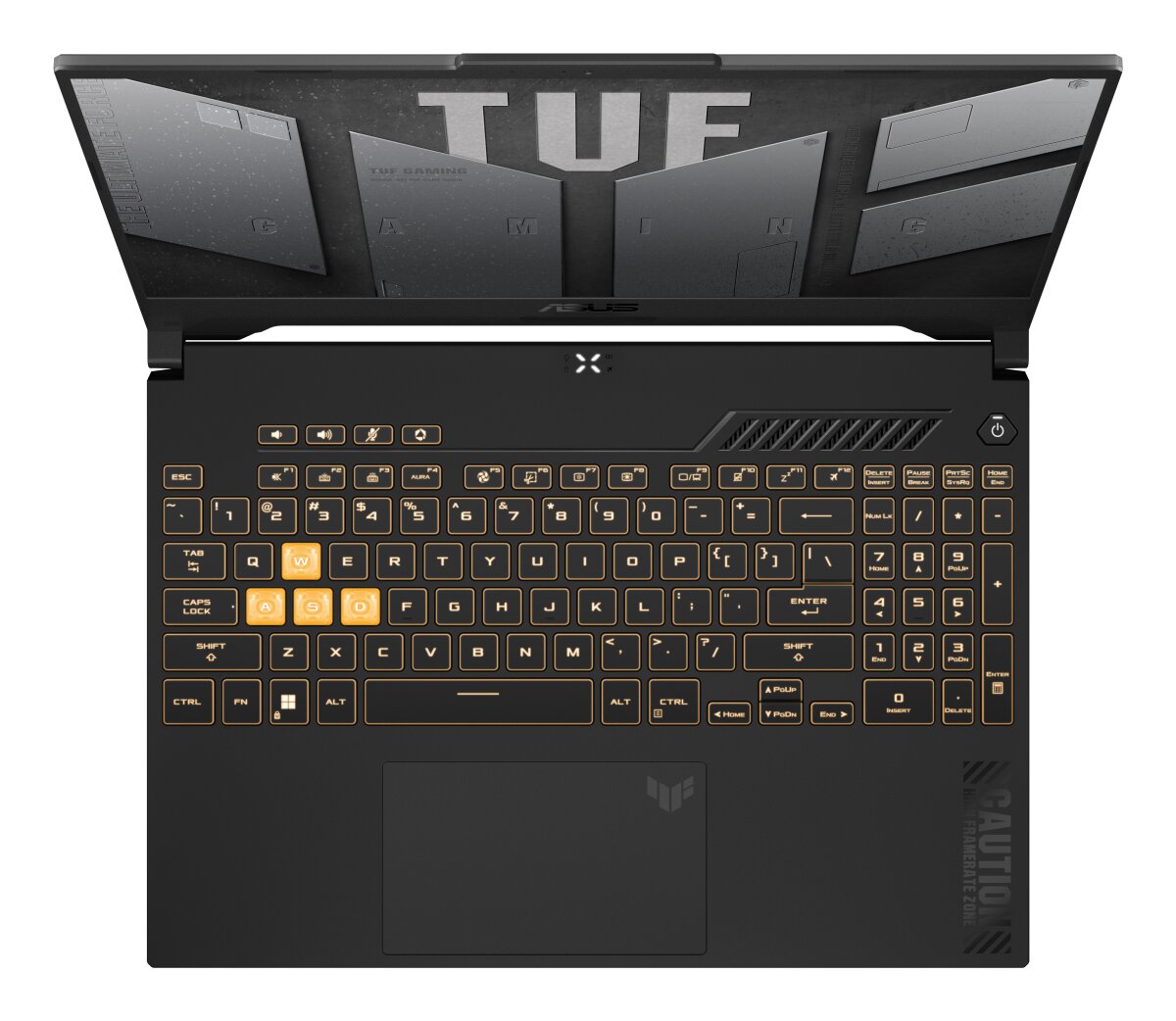
ASUS TUF Gaming F15 series model TUF507VI-LP086W supports DDR5-SDRAM memory upgrades with two SO-DIMM slots. Maximum RAM capacity reaches 32 GB total. Compatible memory operates at 4800 MHz frequency. Upgrade specifications indicate standard SO-DIMM form factor modules required for RAM expansion. Current memory configuration details available for compatible upgrade planning and specifications reference.
Memory Upgrade Specifications
| Specification | Value |
|---|---|
| Memory slots | 2x SO-DIMM |
| Form factor | SO-DIMM |
| Memory type | DDR5-SDRAM |
| Frequency | 4800 MHz |
| Maximum RAM | 32 GB |
| Voltage | 1.1V |
| Number of pins | 262-pin |
| Interface | PC5 |
| PC Speed Rating | PC5-4800 (PC5-38400) |
| Bandwidth | 38.4 GB/s |
Additional Notes
- DDR5 memory operates at higher latency cycles than DDR4, requiring validation that system firmware supports the intended frequency tier to avoid automatic downclocking to 4800 MHz baseline regardless of module specifications.
- SO-DIMM slots in the ASUS TUF Gaming TUF507VI-LP086W occupy space beneath the keyboard assembly on most compact gaming laptops, necessitating full keyboard removal for access rather than simple bottom-panel extraction.
- The 32 GB ceiling accommodates only symmetrical configurations (2x16 GB); asymmetrical pairing (8GB+16GB or 16GB+24GB) will function but reduces dual-channel bandwidth efficiency by approximately 15 percent depending on workload.
- DDR5-4800 represents the jedec standard specification; modules rated DDR5-5600 or higher require BIOS enablement through XMP/EXPO profiles, which may void coverage if system instability occurs during overclocked operation.
- Replacing factory memory voids manufacturer coverage unless components are removed and restored to original state prior to service submission, as ASUS typically restricts warranty coverage to unmodified configurations.
- Single-rank versus dual-rank module selection affects memory latency by 3-5 nanoseconds; dual-rank modules reduce effective bandwidth saturation under multi-threaded gaming loads but impose higher power draw on the memory controller.