ASUS TUF Gaming TUF506LH-US53 RAM upgrade specifications
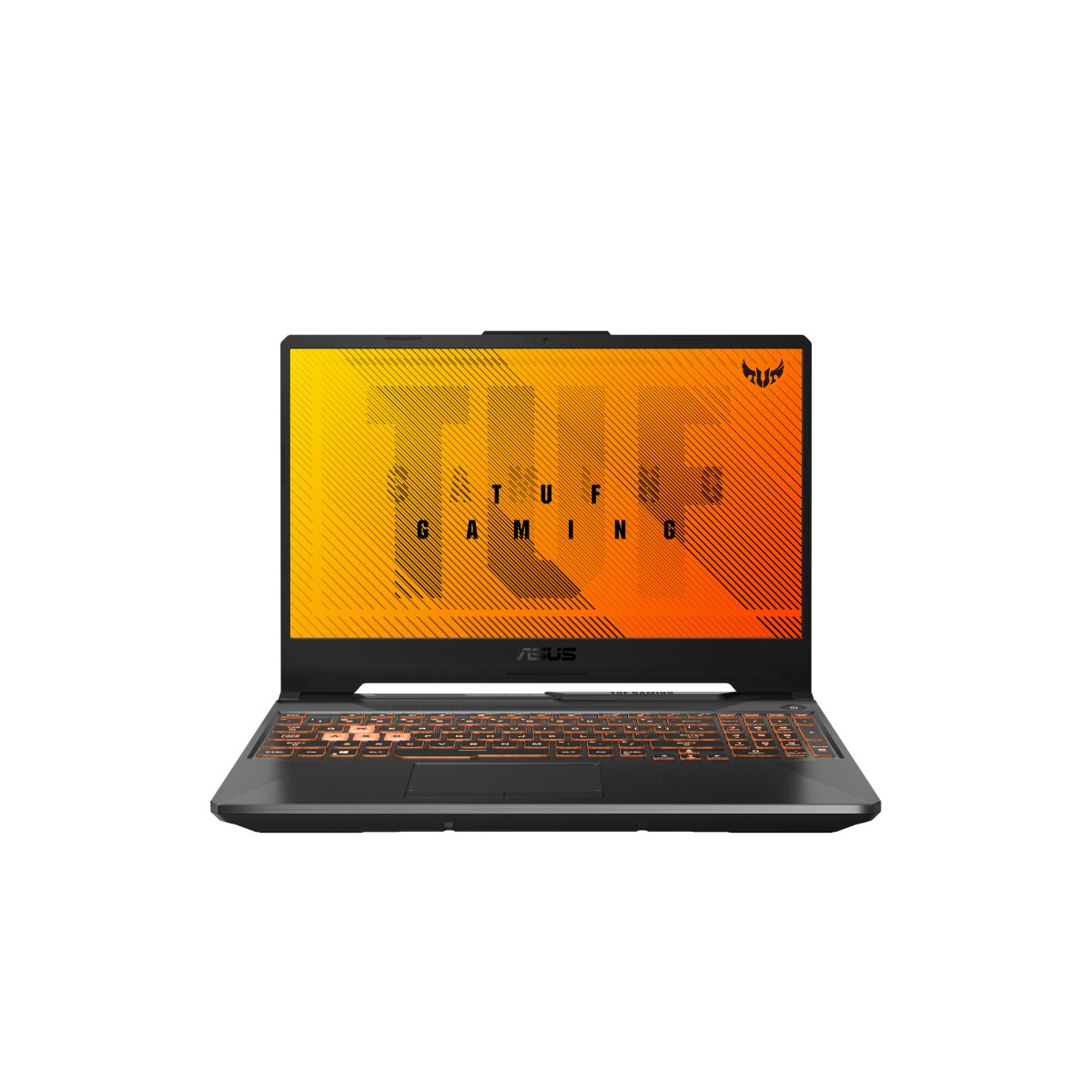
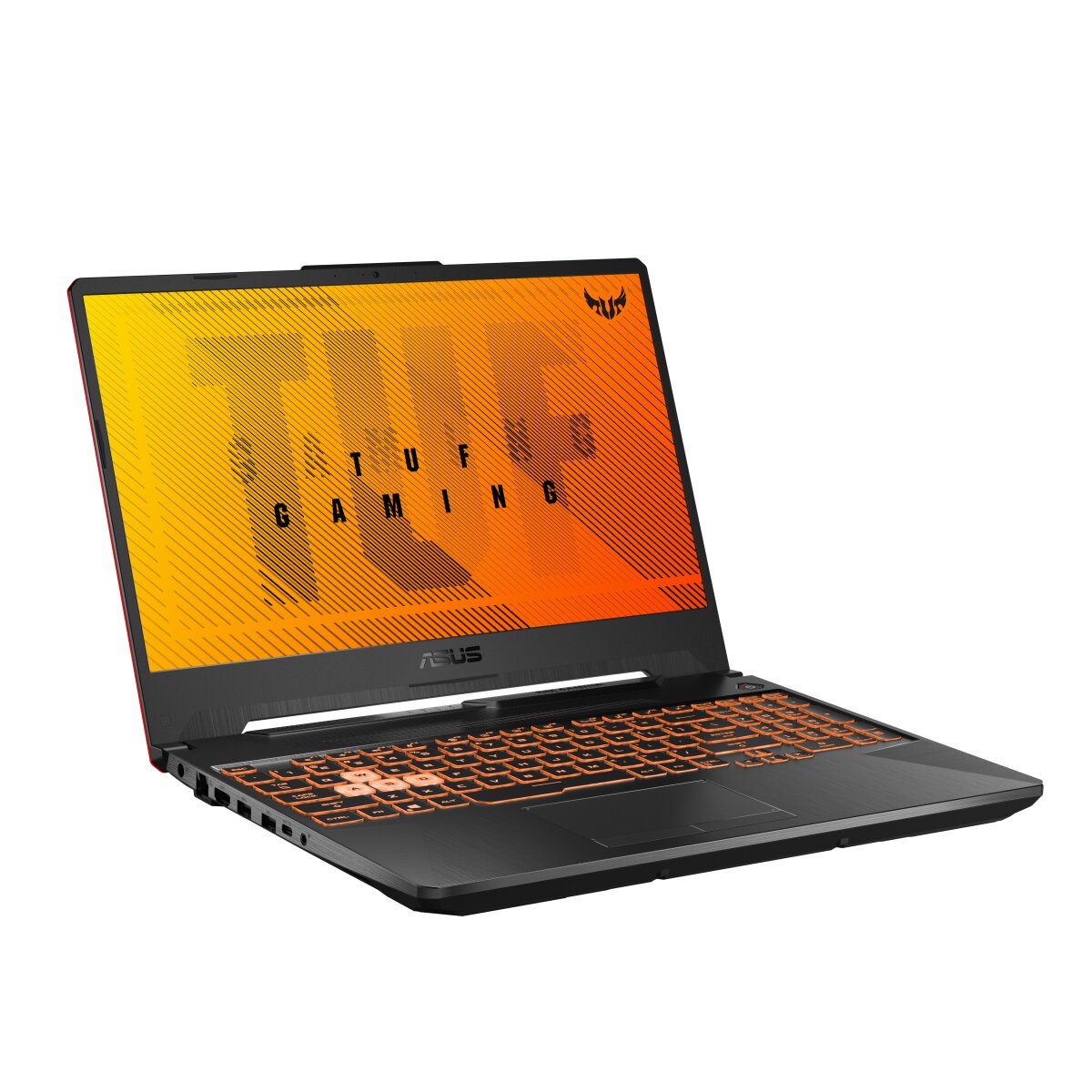
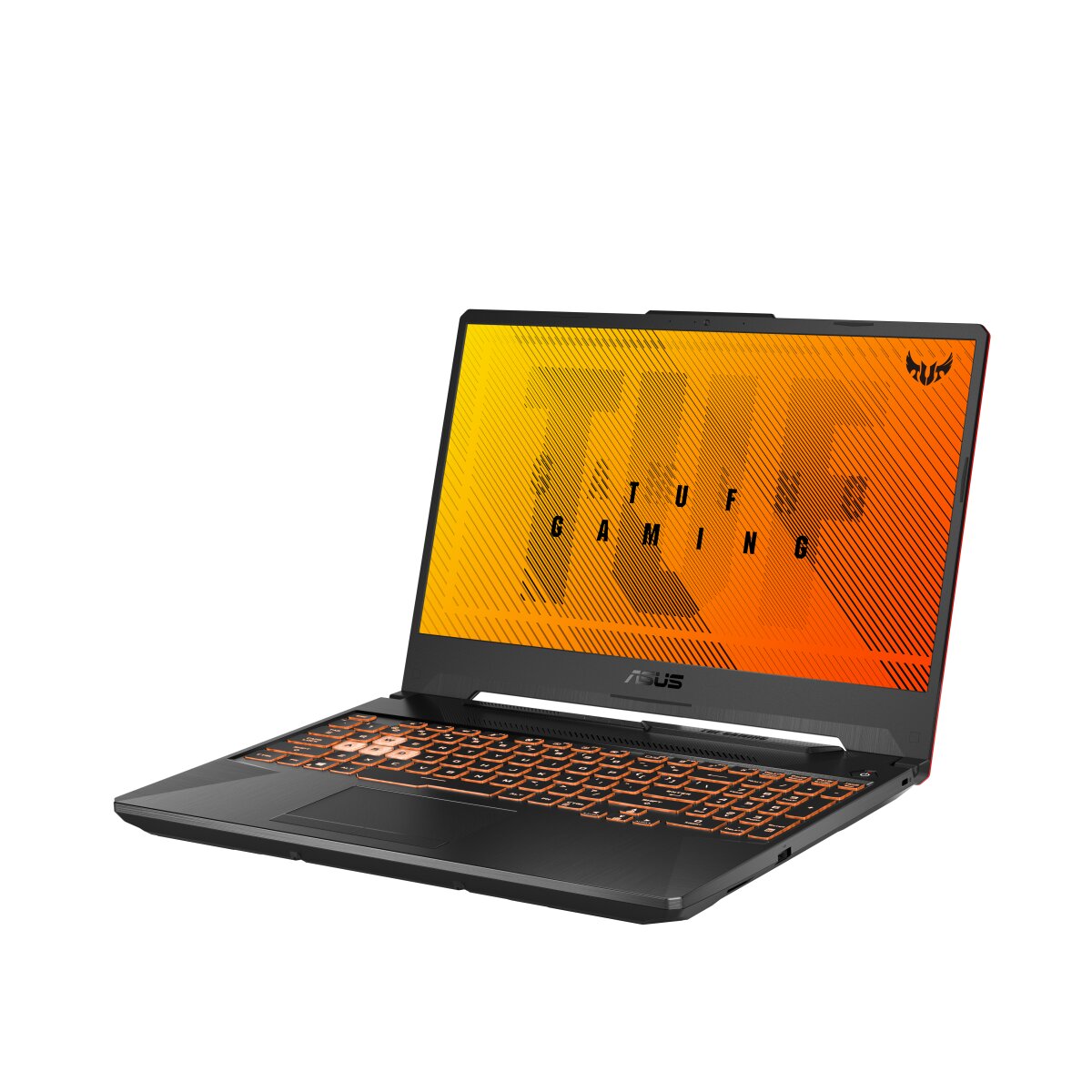
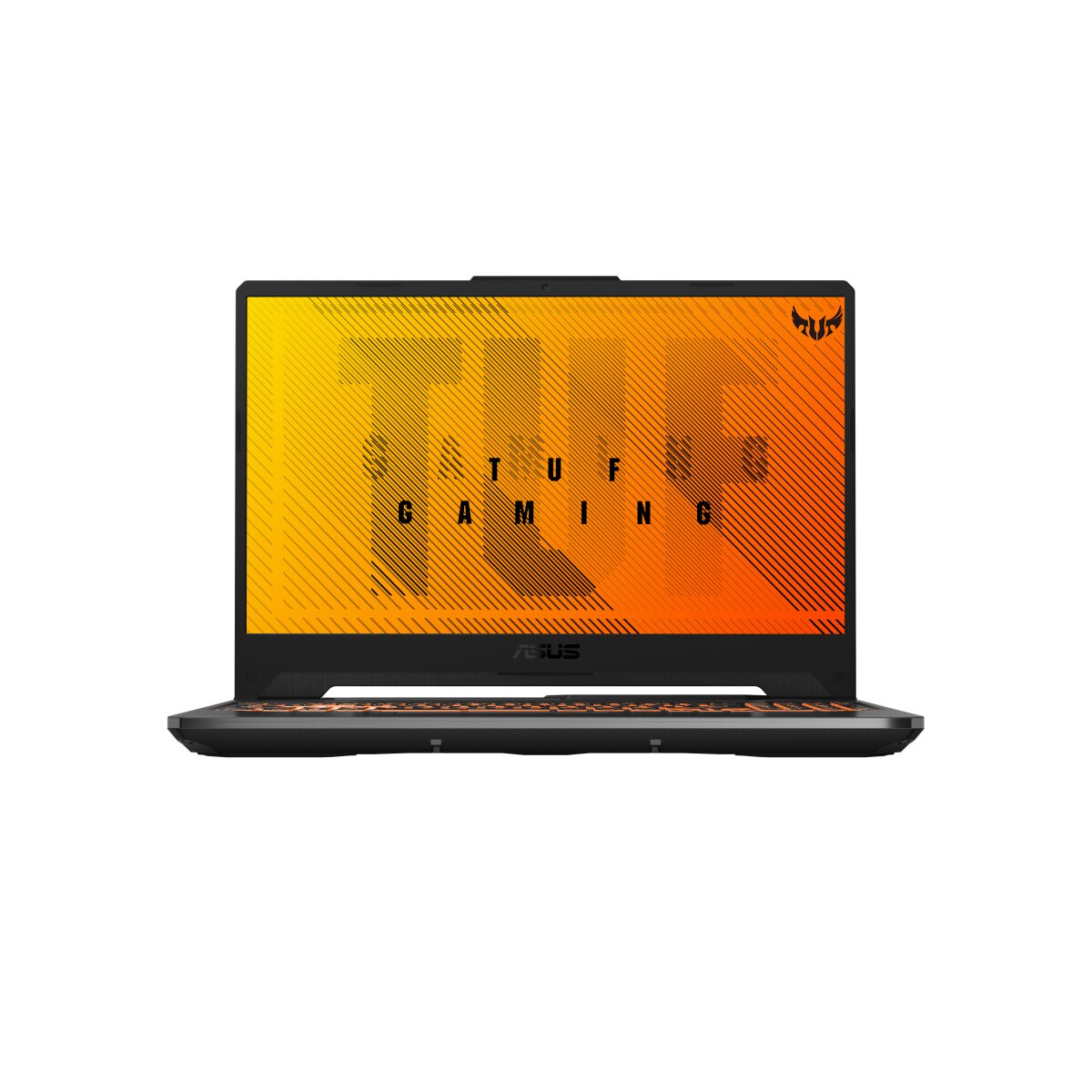
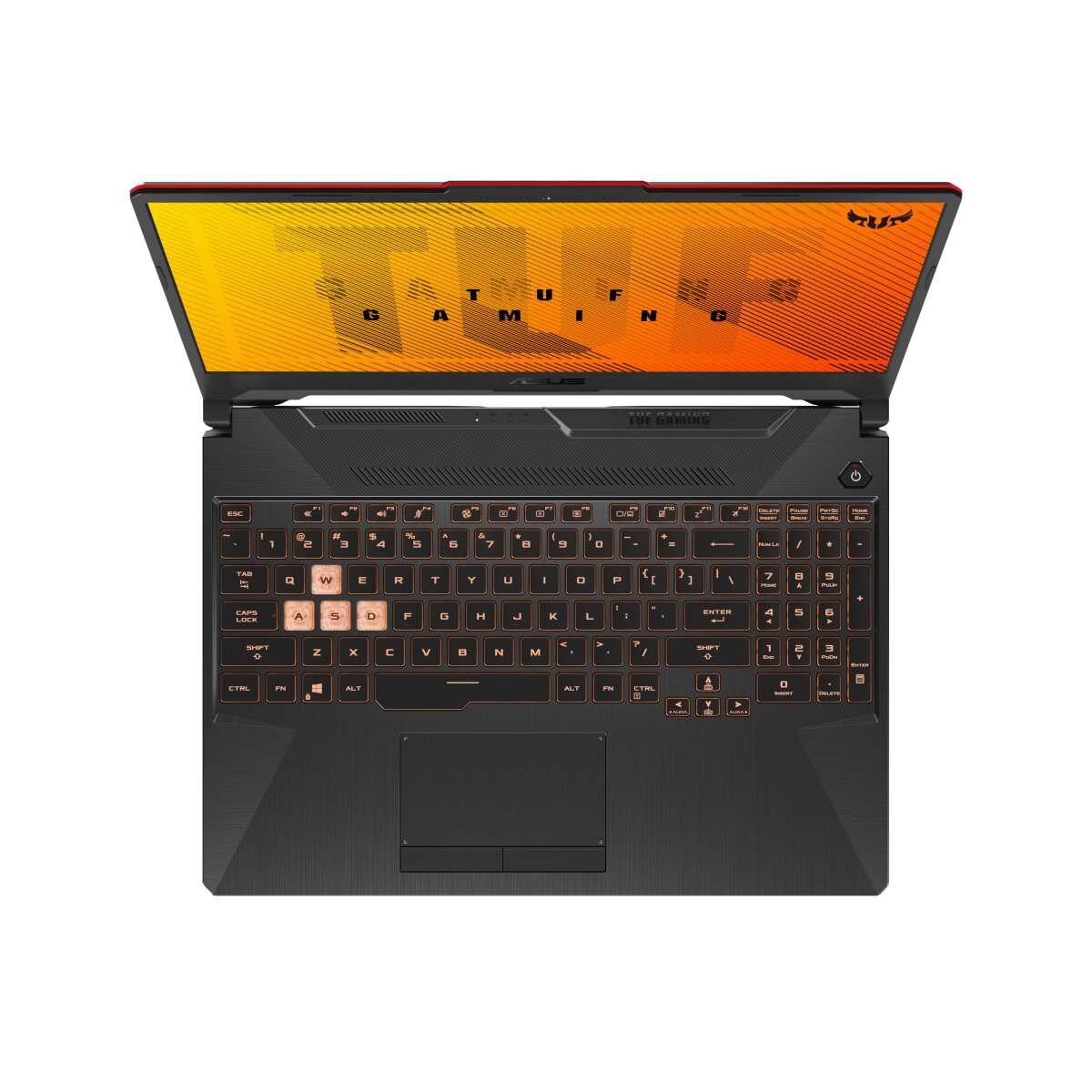
ASUS TUF Gaming F15 model TUF506LH-US53 contains two SO-DIMM slots for DDR4-SDRAM memory upgrades. The laptop supports maximum RAM capacity of 32 GB total, operating at 2933 MHz frequency. Compatible memory modules must meet SO-DIMM form factor specifications for proper installation. Current memory configuration and upgrade slots allow for expansion to reach the maximum supported capacity of 32 GB.
Memory Upgrade Specifications
| Specification | Value |
|---|---|
| Memory slots | 2x SO-DIMM |
| Form factor | SO-DIMM |
| Memory type | DDR4-SDRAM |
| Frequency | 2933 MHz |
| Maximum RAM | 32 GB |
| Voltage | 1.2V |
| Number of pins | 260-pin |
| Interface | PC4 |
| PC Speed Rating | PC4-2933 (PC4-23464) |
| Bandwidth | 23.5 GB/s |
| Laptop Release date | 06 November 2021 |
Additional Notes
- The ASUS TUF Gaming TUF506LH-US53 accepts dual-channel SO-DIMM modules, which require physical access to the laptop's underside panel and potential warranty seal removal before installation.
- The 32 GB ceiling requires 2 modules of 16 GB each, as single 32 GB SO-DIMM modules exceed this platform's chipset addressing limitations.
- Modules rated above 2933 MHz will downclock to match this frequency ceiling, making higher-speed kits functionally identical to standard 2933 MHz variants on this system.
- Mixing modules with different densities or timings may force operation at JEDEC fallback speeds below 2933 MHz, reducing theoretical bandwidth from 46.9 GB/s per channel.
- Single-channel configurations halve available memory bandwidth, creating performance constraints in applications that saturate memory subsystems.
- Non-standard voltage modules (1.35V or 1.5V) may fail POST or cause thermal throttling, as SO-DIMM slots typically regulate for 1.2V DDR4 operation.
- ECC SO-DIMMs are incompatible with consumer mobile chipsets, despite matching physical form factor and pin configuration.
- Registered or buffered memory types will not initialize, as the memory controller expects unbuffered DDR4 signals.
- Thermal constraints in the SO-DIMM compartment favor modules without tall heat spreaders, which may contact neighboring components or chassis shielding.