ASUS TUF Gaming TUF507ZV4-LP049W RAM upgrade specifications
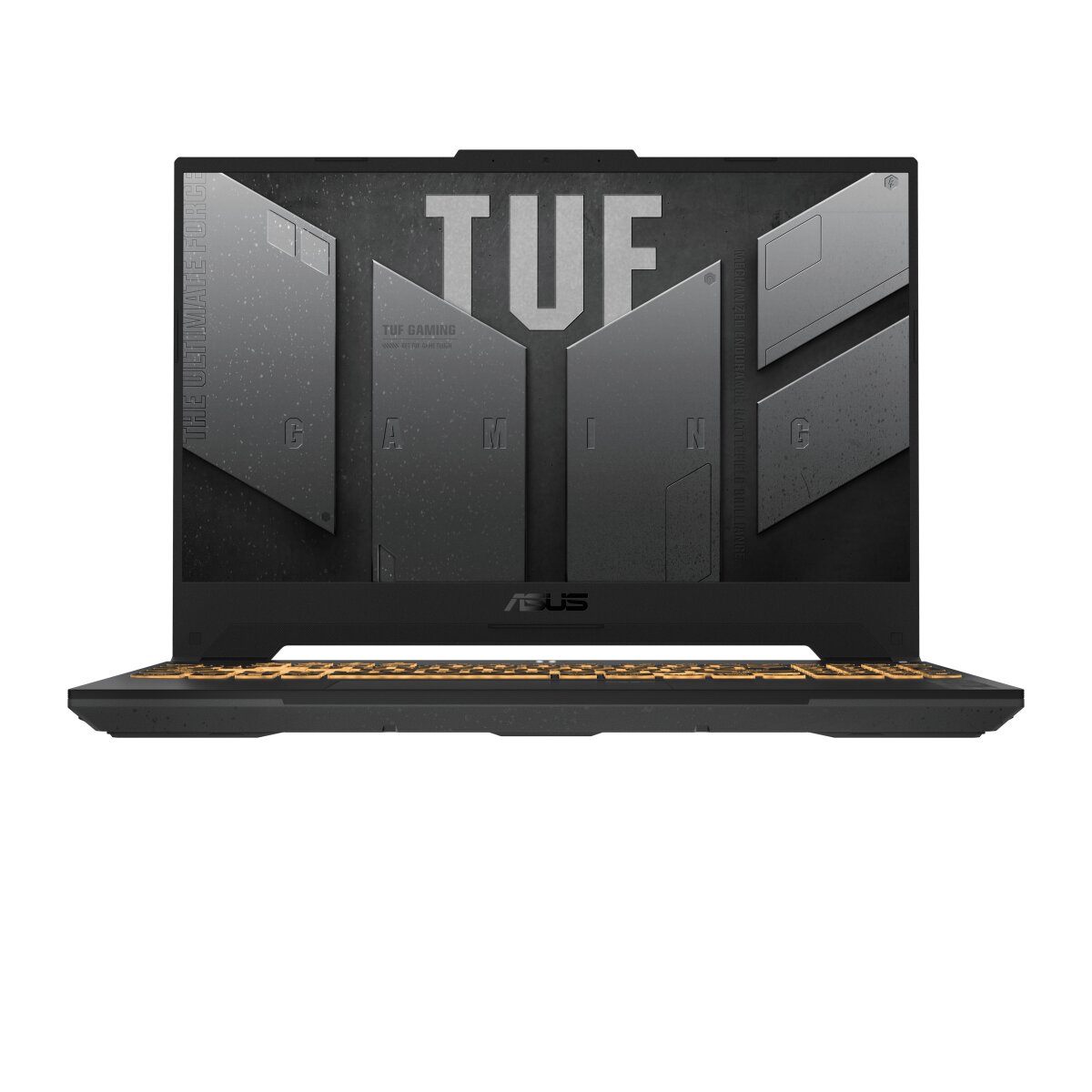
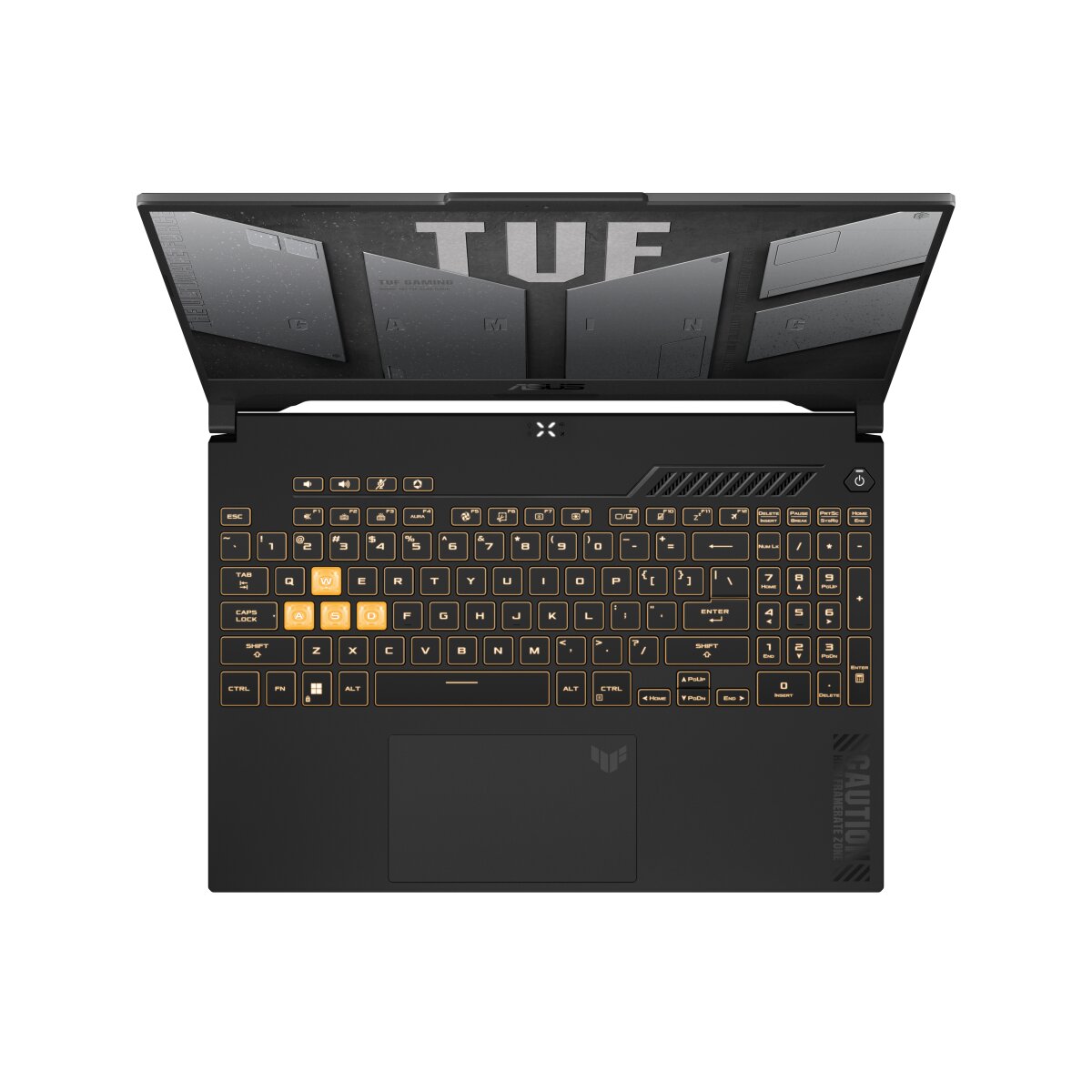



ASUS TUF Gaming F15 series model TUF507ZV4-LP049W supports DDR5-SDRAM memory upgrades. The laptop features 2x SO-DIMM slots with a maximum RAM capacity of 32 GB. Compatible memory operates at 4800 MHz frequency and utilizes SO-DIMM form factor. Specifications indicate upgrade capability for enhanced multitasking and performance-demanding applications on the TUF507ZV4-LP049W gaming platform.
Memory Upgrade Specifications
| Specification | Value |
|---|---|
| Memory slots | 2x SO-DIMM |
| Form factor | SO-DIMM |
| Memory type | DDR5-SDRAM |
| Frequency | 4800 MHz |
| Maximum RAM | 32 GB |
| Voltage | 1.1V |
| Number of pins | 262-pin |
| Interface | PC5 |
| PC Speed Rating | PC5-4800 (PC5-38400) |
| Bandwidth | 38.4 GB/s |
| Laptop Release date | 16 January 2023 |
Additional Notes
- The 32 GB maximum capacity limitation stems from the chipset or processor memory controller architecture, restricting density per module to 16 GB regardless of SO-DIMM slot availability.
- DDR5-4800 represents JEDEC baseline specification timing, indicating the system will downclock higher-frequency modules to this speed even when DDR5-5200 or DDR5-5600 rated memory is installed.
- Dual-channel configuration requires matched module pairs in both occupied SO-DIMM slots to achieve full bandwidth potential of 76.8 GB/s aggregate throughput at the specified 4800 MHz frequency.
- Single-rank versus dual-rank module topology affects interleaving efficiency on this ASUS TUF Gaming TUF507ZV4-LP049W platform, with dual-rank configurations typically yielding 5 to 15 percent performance gains in memory-intensive applications despite identical capacity and frequency ratings.
- DDR5 on-die ECC operates independently of user-accessible error correction, providing internal data integrity without BIOS configuration options or operating system visibility into correction events.
- Voltage regulation shifts to the module itself with DDR5 architecture through the onboard PMIC, eliminating motherboard-level voltage adjustment capabilities that existed with DDR4 SO-DIMM implementations.
- The 4800 MHz JEDEC standard mandates CAS latency around CL40, producing absolute latency of approximately 16.6 nanoseconds, which is numerically higher than DDR4-3200 CL22 despite superior bandwidth characteristics.
- Mixing modules with different die revisions from the same manufacturer can trigger stability issues due to incompatible XMP/EXPO profile subtimings, even when primary specifications appear identical on retail packaging.
- Thermal considerations become relevant above ambient operating temperatures of 35°C, as DDR5 SO-DIMMs generate approximately 20 to 35 percent more heat than equivalent DDR4 modules under sustained memory access patterns.
- Non-binary capacity configurations such as 12 GB or 24 GB total memory require asymmetric module pairing, which maintains dual-channel operation but introduces flex mode with reduced interleaving efficiency beyond the lower module's capacity.