ASUS TUF Gaming TUF507ZU4-LP110 RAM upgrade specifications
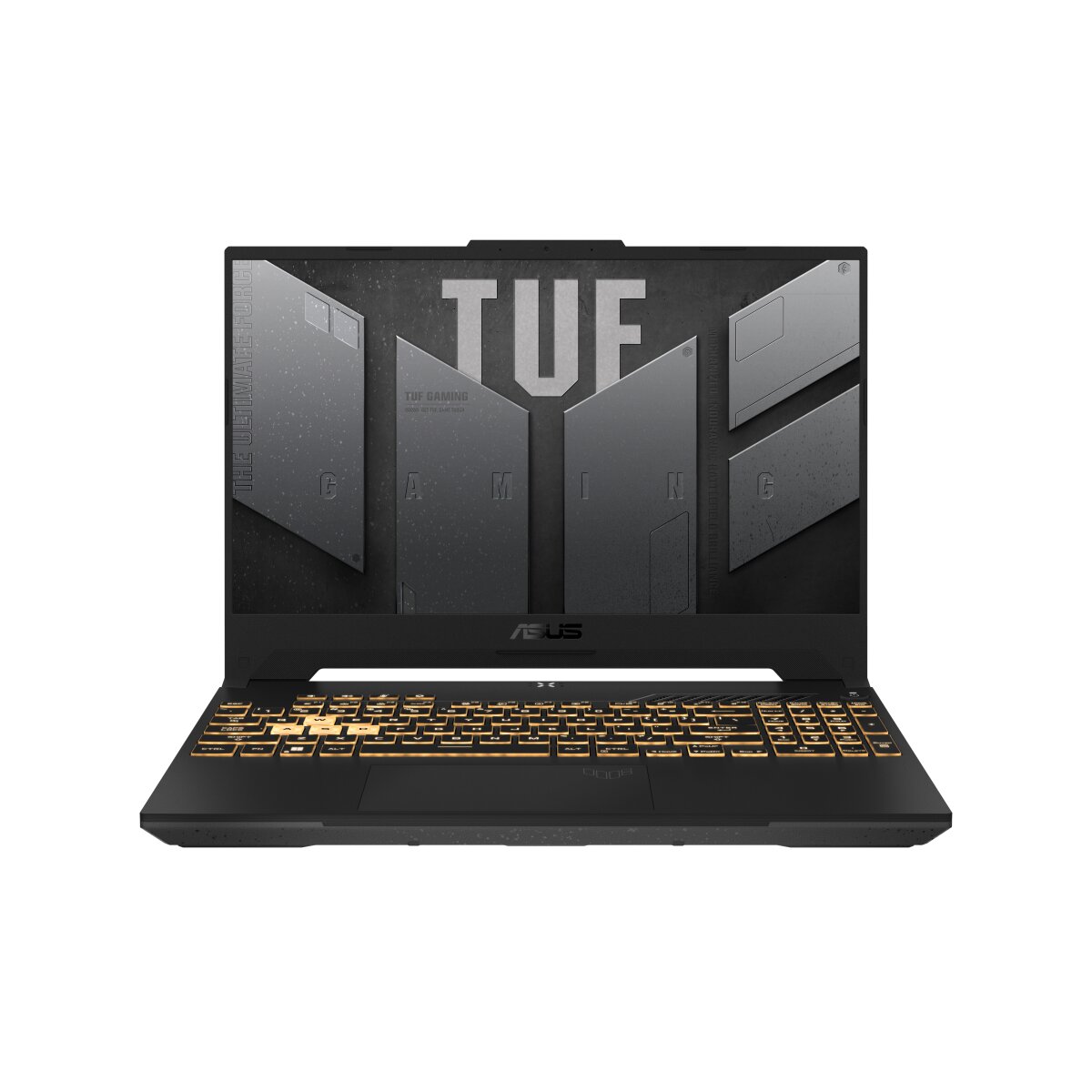
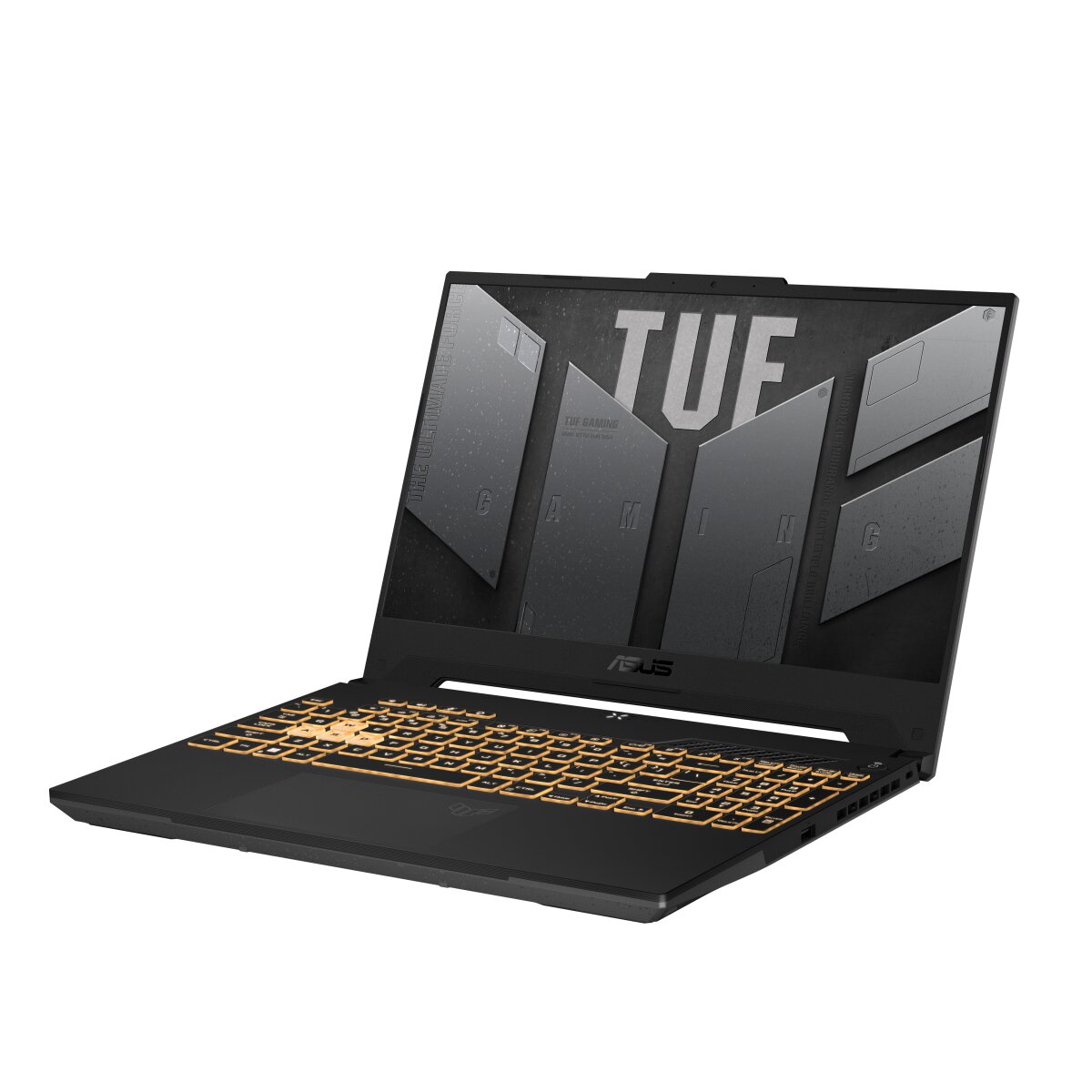
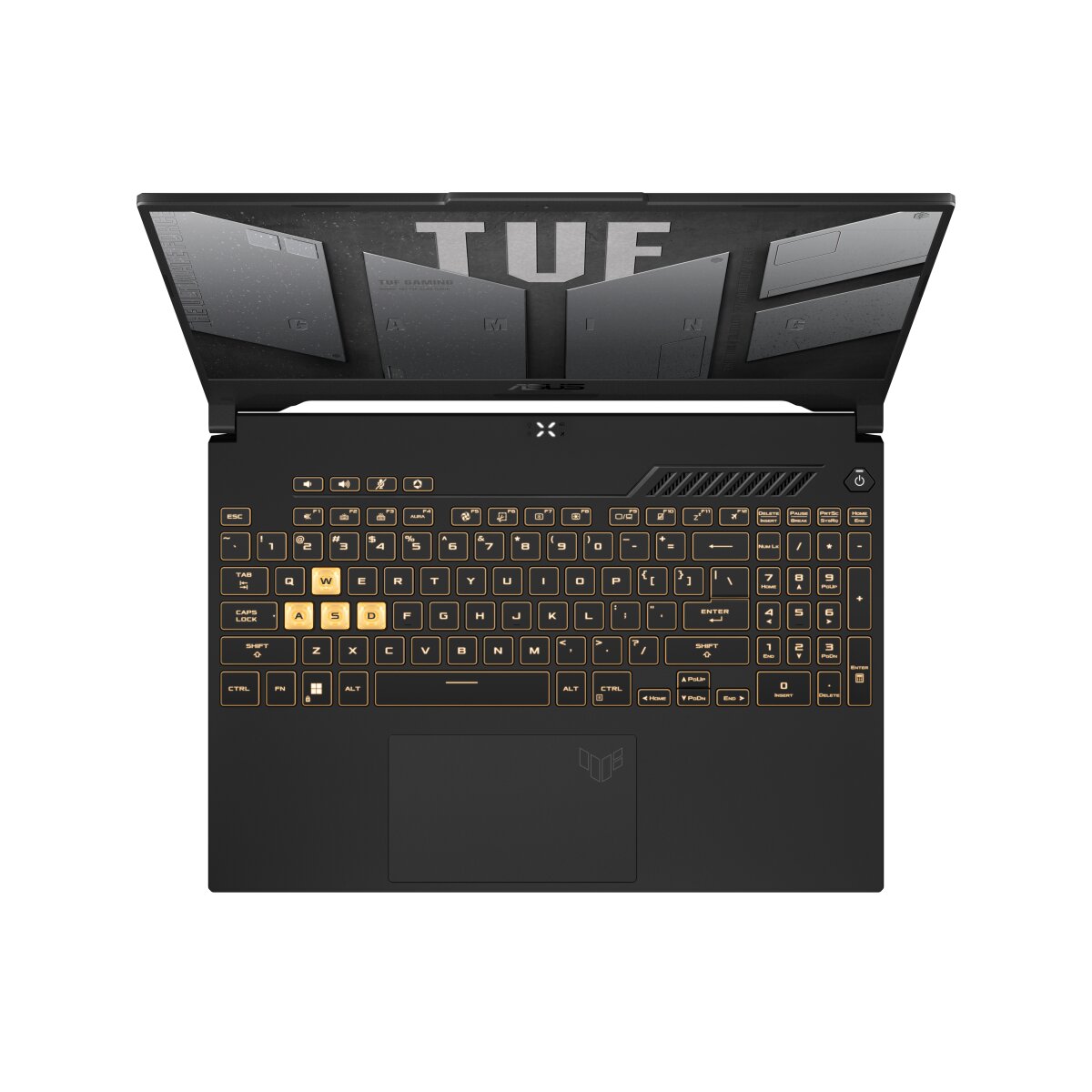
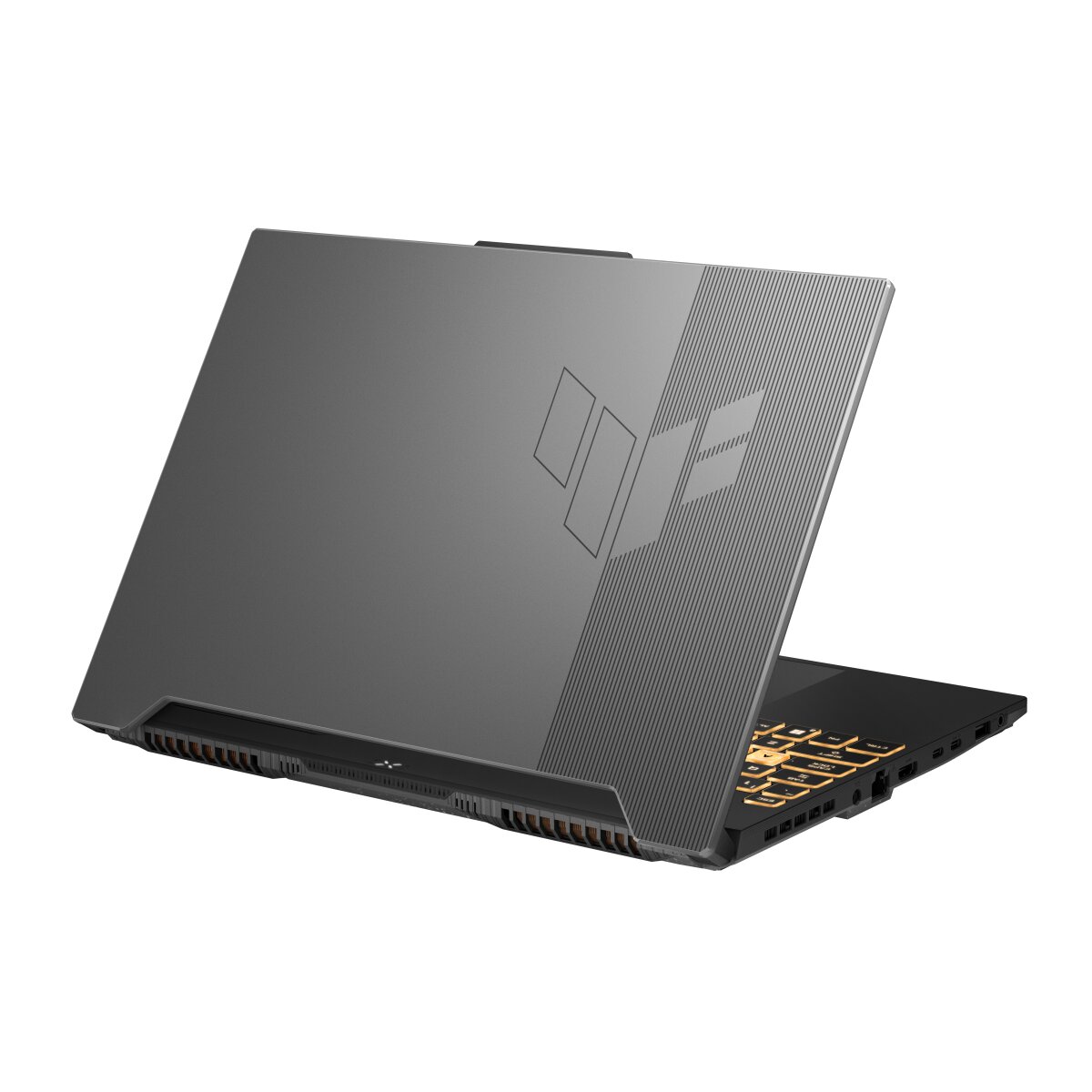
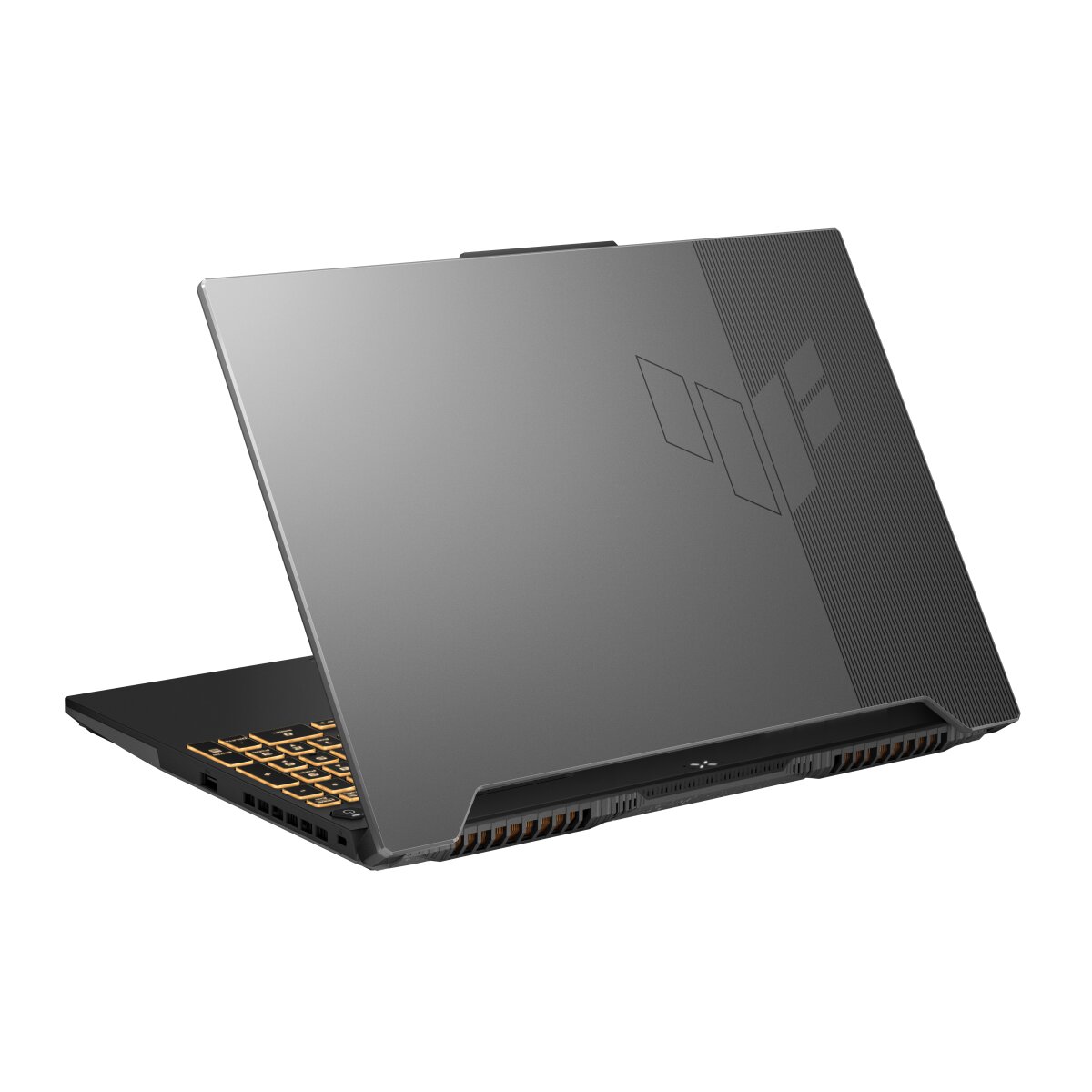
ASUS TUF Gaming F15 Series TUF507ZU4-LP110 laptop supports DDR5-SDRAM memory upgrades with 2x SO-DIMM slots and maximum capacity of 32 GB total. Compatible memory modules operate at 3200 MHz frequency using SO-DIMM form factor. Memory upgrade specifications enable users to expand RAM capacity from baseline configurations up to supported maximum specifications for enhanced multitasking and performance capabilities.
Memory Upgrade Specifications
| Specification | Value |
|---|---|
| Memory slots | 2x SO-DIMM |
| Form factor | SO-DIMM |
| Memory type | DDR5-SDRAM |
| Frequency | 3200 MHz |
| Maximum RAM | 32 GB |
| Voltage | 1.1V |
| Number of pins | 262-pin |
| Interface | PC5 |
| PC Speed Rating | PC5-3200 (PC5-25600) |
| Bandwidth | 25.6 GB/s |
| Laptop Release date | 27 February 2023 |
Additional Notes
- The ASUS TUF Gaming TUF507ZU4-LP110 supports DDR5 memory, which delivers significantly higher bandwidth than DDR4 alternatives and enables faster data transfer rates for multitasking and memory-intensive applications.
- With 2 SO-DIMM slots and a 32 GB ceiling, the system accommodates a maximum of 16 GB per module, meaning both slots must be populated with matching capacity modules to achieve the full upgrade potential.
- DDR5-3200 MHz operation on this platform represents standard JEDEC timing, which may throttle higher-frequency aftermarket modules to this baseline speed unless the BIOS explicitly supports XMP or DOCP profiles for the specific memory kit.
- The SO-DIMM form factor restricts upgrades to laptop-specific memory modules; desktop DDR5 UDIMM sticks are physically incompatible and will not install in the available slots.
- Upgrading beyond the factory configuration requires removal of the bottom panel, exposing the memory slots; this procedure typically remains within manufacturer warranty guidelines when performed without damaging internal components or seals.
- Dual-channel architecture across 2 slots means that single-module configurations will operate in single-channel mode, reducing effective memory bandwidth by approximately 50 percent compared to a populated dual-module setup.
- The 32 GB maximum specification represents a hard firmware limit; no combination of higher-capacity modules or overclocking can circumvent this ceiling without motherboard modification outside warranty scope.