ASUS TUF Gaming FX607VJ-RL050W RAM upgrade specifications


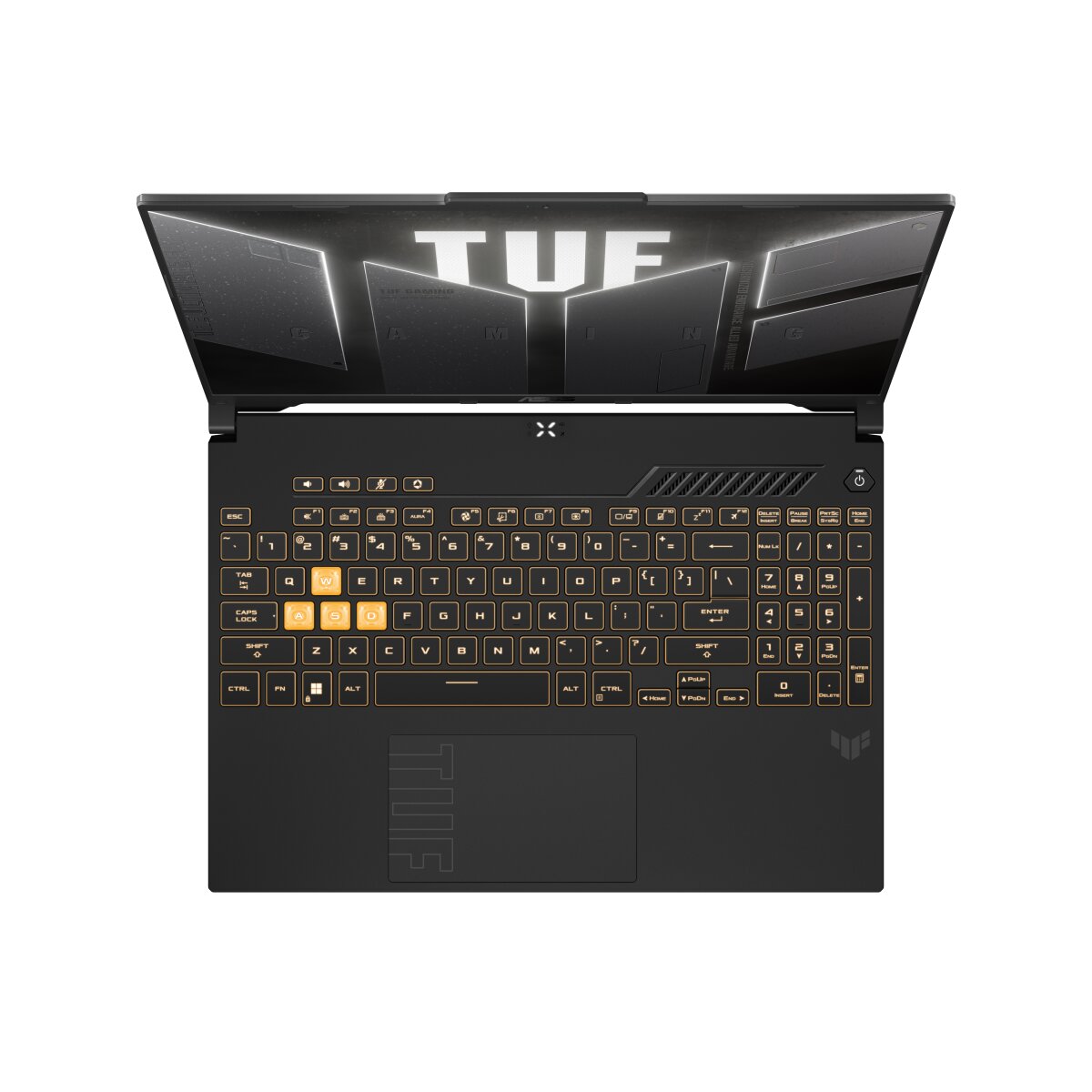


ASUS TUF Gaming F16 series model FX607VJ-RL050W features DDR4-SDRAM memory upgrade specifications with 2x SO-DIMM slots supporting maximum capacity of 64 GB. Compatible memory operates at 3200 MHz frequency. The laptop utilizes SO-DIMM form factor for RAM modules, enabling users to upgrade existing memory configurations to enhance system performance and multitasking capabilities.
Memory Upgrade Specifications
| Specification | Value |
|---|---|
| Memory slots | 2x SO-DIMM |
| Form factor | SO-DIMM |
| Memory type | DDR4-SDRAM |
| Frequency | 3200 MHz |
| Maximum RAM | 64 GB |
| Voltage | 1.2V |
| Number of pins | 260-pin |
| Interface | PC4 |
| PC Speed Rating | PC4-3200 (PC4-25600) |
| Bandwidth | 25.6 GB/s |
Additional Notes
- The ASUS TUF Gaming FX607VJ-RL050W contains 2 SO-DIMM slots, which means both slots must be populated simultaneously to achieve dual-channel performance; leaving a single slot vacant results in single-channel operation and measurable bandwidth reduction.
- DDR4-3200 MHz operates at jedec standard specifications, making third-party SO-DIMM modules widely compatible, though validation against ASUS's qualified vendor list eliminates potential stability issues in gaming workloads.
- The 64 GB maximum capacity ceiling indicates the memory controller supports 32 GB modules; configurations exceeding 32 GB per slot will not be recognized by the firmware.
- SO-DIMM form factor requires removal of the bottom panel and typically involves no soldering; replacement modules install without voiding hardware warranty when performed according to manufacturer guidelines.
- Upgrading from factory configuration to 64 GB requires both SO-DIMM slots to accept matching-capacity modules; mismatched capacities between slots function but operate at the speed of the slower module and may trigger BIOS warnings.
- The 3200 MHz frequency rating reflects DDR4 standard operation; memory modules rated above 3200 MHz will throttle to this frequency due to controller limitations, making premium-priced high-frequency modules unnecessary for this system.
- Dual-channel architecture at 3200 MHz delivers approximately 51.2 GB/s memory bandwidth; CPU-bound gaming titles benefit from this throughput more than I/O-constrained workloads, while video editing and 3D rendering show proportional gains with capacity increases.