ASUS TUF Gaming FX607VU-DS73 RAM upgrade specifications




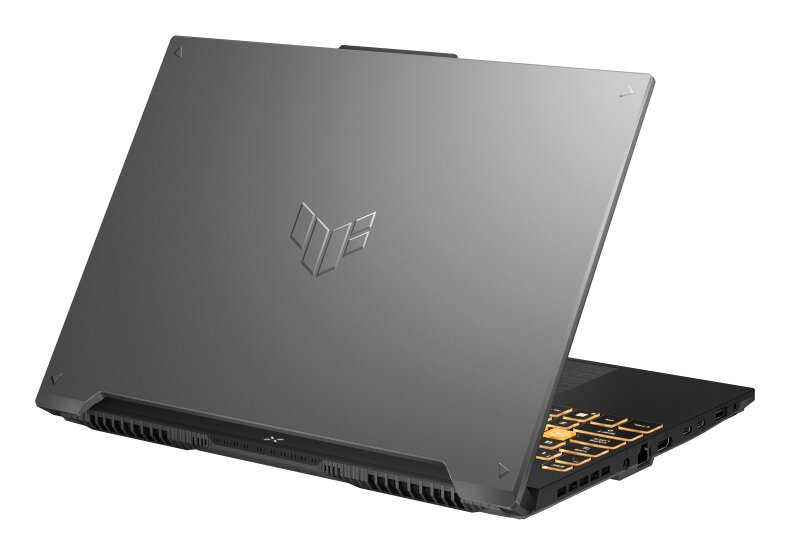
ASUS TUF Gaming F16 FX607VU-DS73 laptop supports DDR5-SDRAM memory upgrades with 2x SO-DIMM slots. Maximum compatible RAM capacity reaches 64 GB total. Memory operates at 5600 MHz frequency with SO-DIMM form factor. Upgrade specifications enable expansion from factory configuration to full 64 GB capacity for enhanced multitasking and performance capabilities.
Memory Upgrade Specifications
| Specification | Value |
|---|---|
| Memory slots | 2x SO-DIMM |
| Form factor | SO-DIMM |
| Memory type | DDR5-SDRAM |
| Frequency | 5600 MHz |
| Maximum RAM | 64 GB |
| Voltage | 1.1V |
| Number of pins | 262-pin |
| Interface | PC5 |
| PC Speed Rating | PC5-5600 (PC5-44800) |
| Bandwidth | 44.8 GB/s |
Additional Notes
- The ASUS TUF Gaming FX607VU-DS73 uses DDR5 SO-DIMM modules, which operate at higher latencies than DDR4 equivalents. This results in no practical performance advantage over DDR4 in gaming workloads despite the higher frequency rating, though sustained memory bandwidth benefits content creation tasks.
- Dual SO-DIMM configuration limits upgrade options to 2 modules maximum. Asymmetrical population (mismatched capacities) triggers single-channel operation on one module pair, reducing effective bandwidth by approximately 50 percent for memory-intensive workflows.
- The 64 GB ceiling means maximum expansion requires 2x32 GB modules. DDR5-5600 SO-DIMM 32 GB sticks remain premium-priced components with inconsistent market availability, creating extended procurement timelines for full-capacity upgrades.
- Existing memory modules cannot be repurposed in desktop systems or older laptops without DDR5 SO-DIMM compatibility. Obsolescence risk affects future hardware refresh decisions if salvaging components.
- Military-grade thermal and durability standards in the TUF Gaming line do not extend to memory thermal management. Passive cooling on SO-DIMM modules means ambient case temperatures above 45 degrees Celsius degrade stability margins, particularly during sustained multi-threaded rendering or compiling operations.
- BIOS-level memory profile adjustments on this platform lack granular timing control beyond standard JEDEC profiles. Custom XMP overclocking voids manufacturer warranty on memory subsystem components.