ASUS TUF Gaming FX607VU-ES51 RAM upgrade specifications




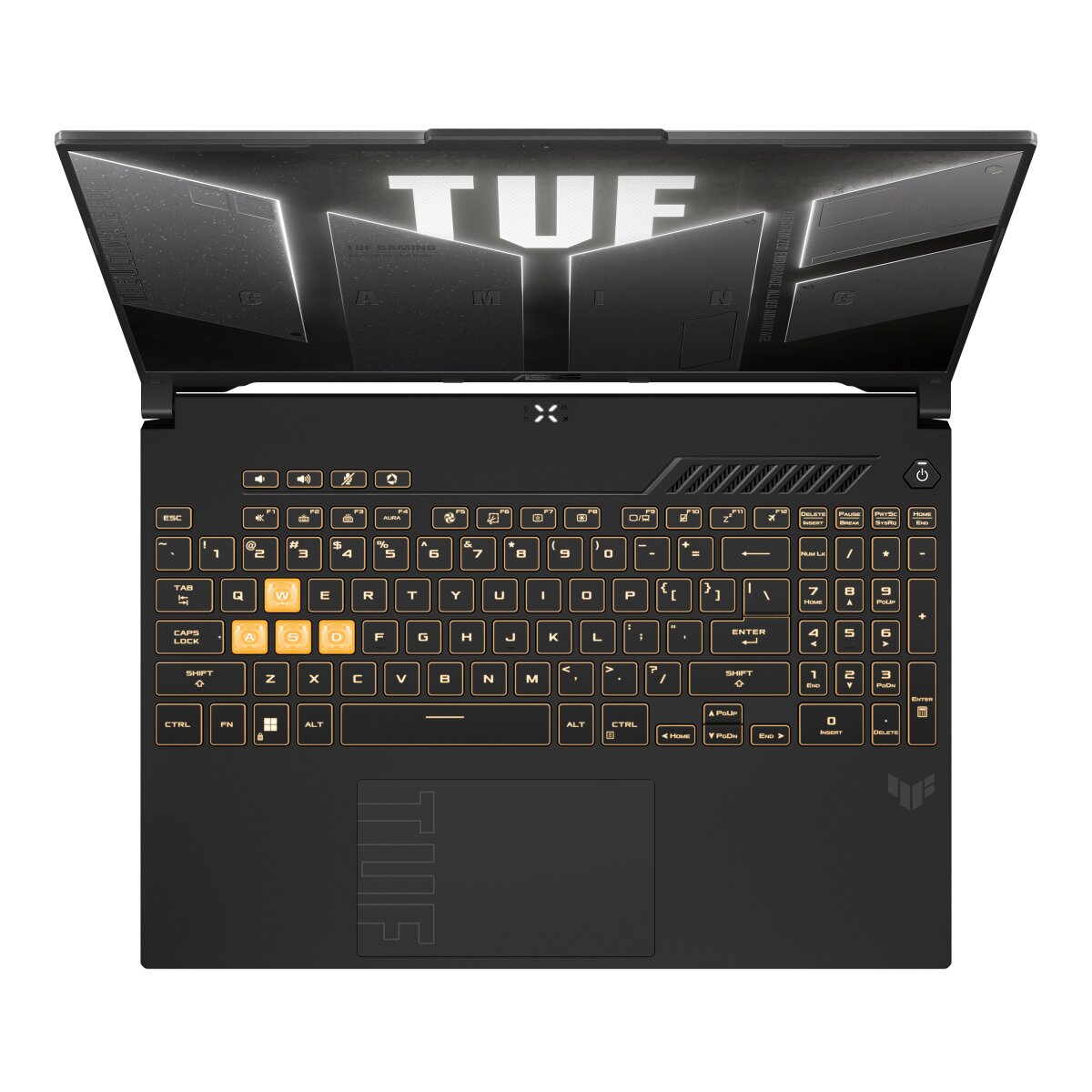
The ASUS TUF Gaming F16 FX607VU-ES51 features dual SO-DIMM memory slots supporting DDR5-SDRAM upgrade capacity. Maximum RAM configuration reaches 64 GB total memory capacity. Compatible upgrade specifications include DDR5 SO-DIMM modules operating at 5600 MHz frequency. Existing memory slots accommodate standard SO-DIMM form factor RAM upgrades, enabling expansion from factory-installed configurations to maximum supported capacity. This laptop model supports DDR5 memory technology for enhanced performance specifications during RAM upgrade procedures.
Memory Upgrade Specifications
| Specification | Value |
|---|---|
| Memory slots | 2x SO-DIMM |
| Form factor | SO-DIMM |
| Memory type | DDR5-SDRAM |
| Frequency | 5600 MHz |
| Maximum RAM | 64 GB |
| Voltage | 1.1V |
| Number of pins | 262-pin |
| Interface | PC5 |
| PC Speed Rating | PC5-5600 (PC5-44800) |
| Bandwidth | 44.8 GB/s |
Additional Notes
- The ASUS TUF Gaming FX607VU-ES51 relies on SO-DIMM modules rather than soldered memory, enabling field upgrades without specialized equipment or board-level work.
- DDR5-5600 represents a distinct memory generation incompatible with DDR4 modules due to differences in pin configuration, voltage requirements, and physical notch positioning.
- Dual-channel architecture requires matched pairs for symmetric bandwidth access, with asymmetric configurations potentially forcing single-channel operation and halving theoretical memory throughput.
- The 64 GB ceiling implies 32 GB module support in each slot, a capacity unavailable during early DDR5 adoption but increasingly common in current retail channels.
- JEDEC-standard DDR5-5600 operates at lower latency timings than overclocked XMP profiles, though SO-DIMM form factors rarely support extended profiles common in desktop DIMMs.
- Thermal performance degrades with high-density modules under sustained workloads, as SO-DIMM packaging concentrates heat dissipation over smaller surface areas compared to full-height memory.
- Native DDR5 support eliminates voltage regulator compatibility concerns present in DDR4 systems, as on-die PMIC circuitry standardizes power delivery regardless of motherboard revision.
- Module accessibility depends on bottom panel serviceability, with some gaming chassis requiring complete disassembly versus single-panel access for memory bay exposure.
- Mixing manufacturers or speed bins typically forces all modules to the lowest common specification, negating premium pricing on faster kits when paired with slower base configurations.
- Error-correcting code capability depends on CPU and chipset support rather than module specifications, though most consumer SO-DIMMs ship without ECC functionality.
- Warranty preservation requires adherence to manufacturer upgrade policies, with some brands maintaining coverage during user-installed memory changes while others impose restrictions.