ASUS TUF Gaming FX607VU-RL031W RAM upgrade specifications


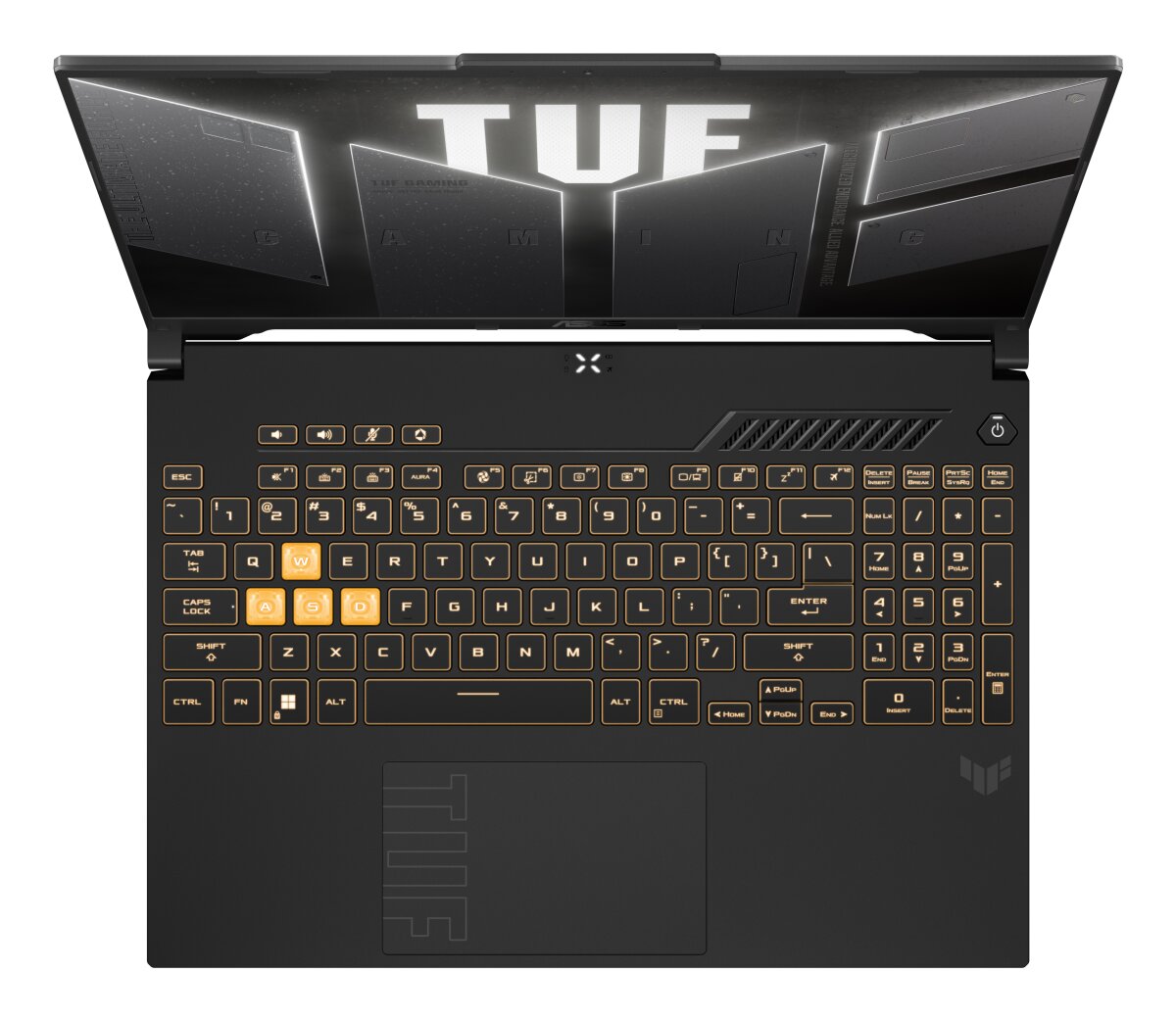


The ASUS TUF Gaming F16 FX607VU-RL031W features two SO-DIMM memory slots supporting DDR5-SDRAM upgrades. Maximum RAM capacity reaches 64 GB total, with compatible modules operating at 5600 MHz frequency. Current specifications allow memory expansion through standard SO-DIMM form factor upgrades. The laptop's dual-slot configuration enables flexible memory configurations to accommodate various workload requirements.
Memory Upgrade Specifications
| Specification | Value |
|---|---|
| Memory slots | 2x SO-DIMM |
| Form factor | SO-DIMM |
| Memory type | DDR5-SDRAM |
| Frequency | 5600 MHz |
| Maximum RAM | 64 GB |
| Voltage | 1.1V |
| Number of pins | 262-pin |
| Interface | PC5 |
| PC Speed Rating | PC5-5600 (PC5-44800) |
| Bandwidth | 44.8 GB/s |
Additional Notes
- The ASUS TUF Gaming FX607VU-RL031W implements DDR5 technology, which operates at lower voltage (1.1V) compared to DDR4 (1.2V), reducing power consumption and heat generation during extended gaming sessions.
- DDR5 architecture employs on-die ECC (error correction code), providing automatic error detection and correction at the DRAM level without requiring ECC-registered modules.
- The 5600 MHz native frequency represents a significant bandwidth improvement over DDR4, delivering approximately 44.8 GB/s per channel in dual-channel configuration.
- Dual SO-DIMM slots enable dual-channel memory operation, which doubles theoretical bandwidth compared to single-channel configurations and reduces memory access latency.
- The 64 GB maximum capacity requires 2x32 GB modules, as SO-DIMM DDR5 modules are currently available in 8 GB, 16 GB, 32 GB, and 48 GB densities.
- DDR5-5600 represents JEDEC standard specification, ensuring broad compatibility without requiring XMP profile activation or manual BIOS timing adjustments.
- SO-DIMM modules designed for DDR5 utilize a 262-pin configuration, physically incompatible with DDR4's 260-pin design, preventing installation errors.
- DDR5 memory operates with two independent 32-bit channels per module rather than a single 64-bit channel, improving efficiency in mixed read/write scenarios.
- Upgrading beyond factory-installed capacity may void warranty coverage depending on regional service policies and whether bottom panel removal breaks tamper-evident seals.
- The 5600 MHz frequency specification represents the minimum guaranteed speed; actual performance depends on CPU memory controller capabilities and thermal conditions.
- Mixed-capacity configurations (such as 16 GB plus 32 GB modules) will function but may disable flexible dual-channel mode, potentially reducing bandwidth optimization.
- DDR5 modules implement PMIC (Power Management Integrated Circuit) on each stick, moving voltage regulation from the motherboard to the module itself for improved stability.
- Thermal considerations become more critical with DDR5 at higher frequencies, as increased bandwidth generates additional heat in compact laptop chassis designs.
- Non-binary capacity modules (24 GB, 48 GB) utilize asymmetric die configurations, which may introduce minor latency variations compared to traditional binary capacities.
- Backward compatibility with DDR4 modules is impossible due to fundamental electrical and architectural differences between the two memory generations.