ASUS TUF Gaming FX607VU-RL033W RAM upgrade specifications
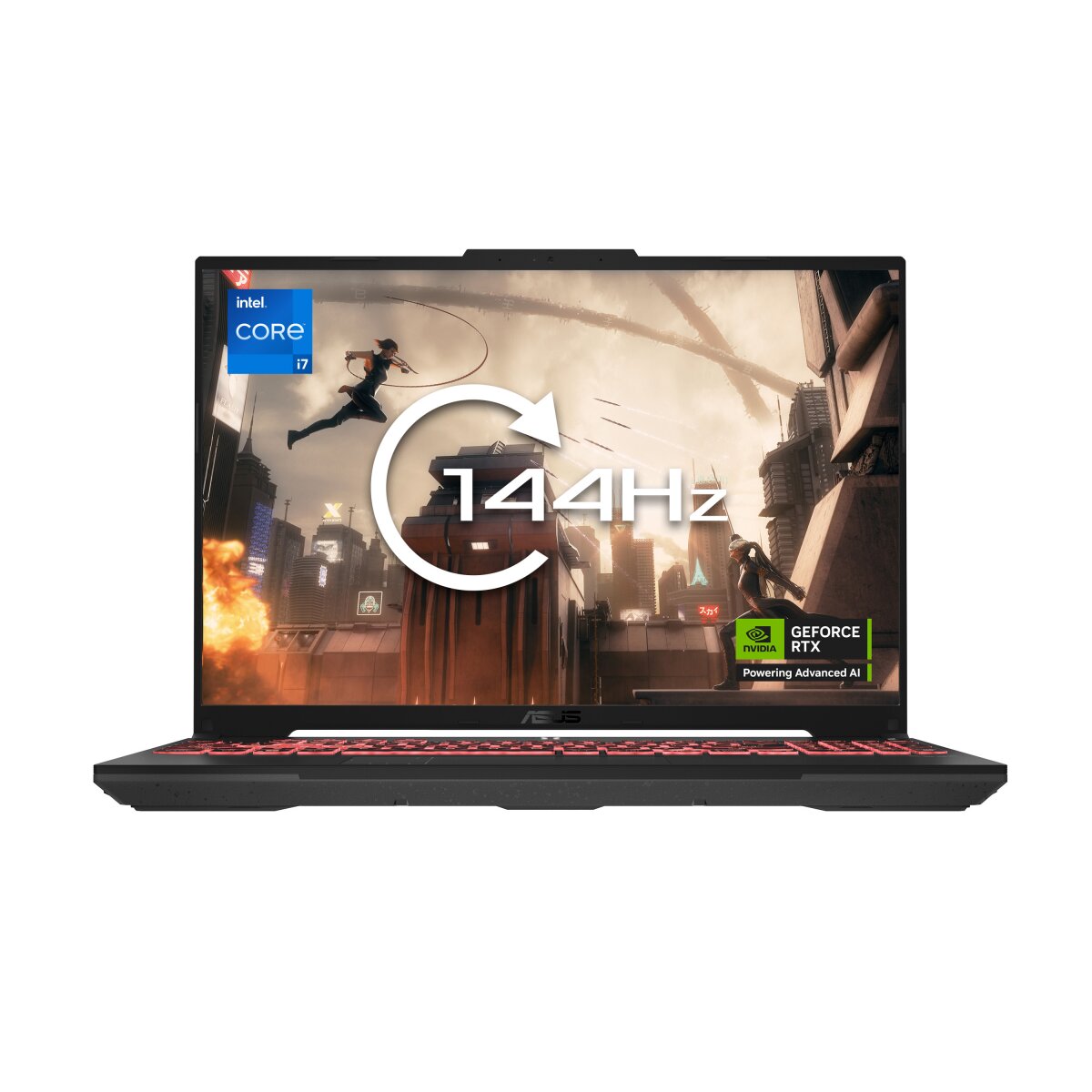


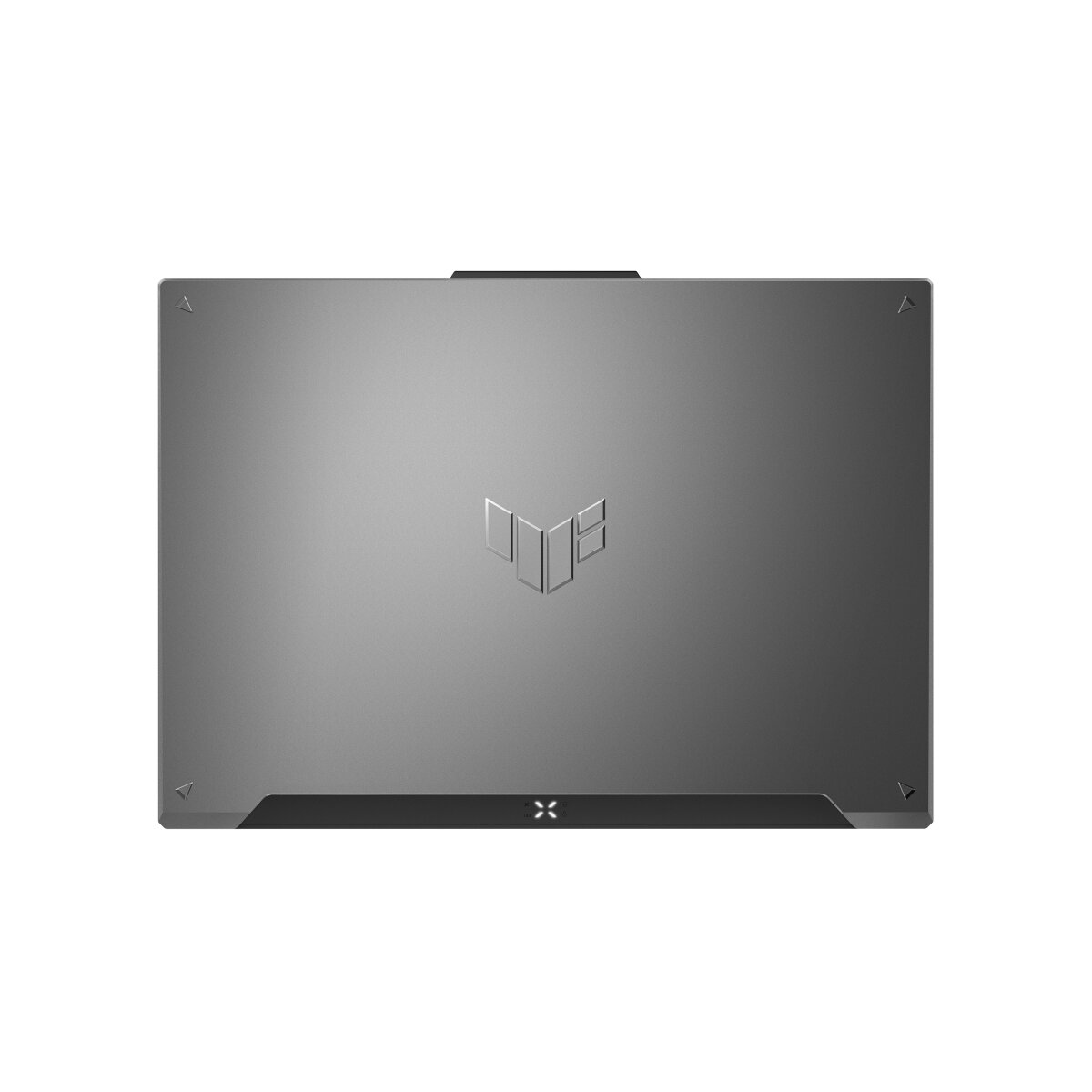
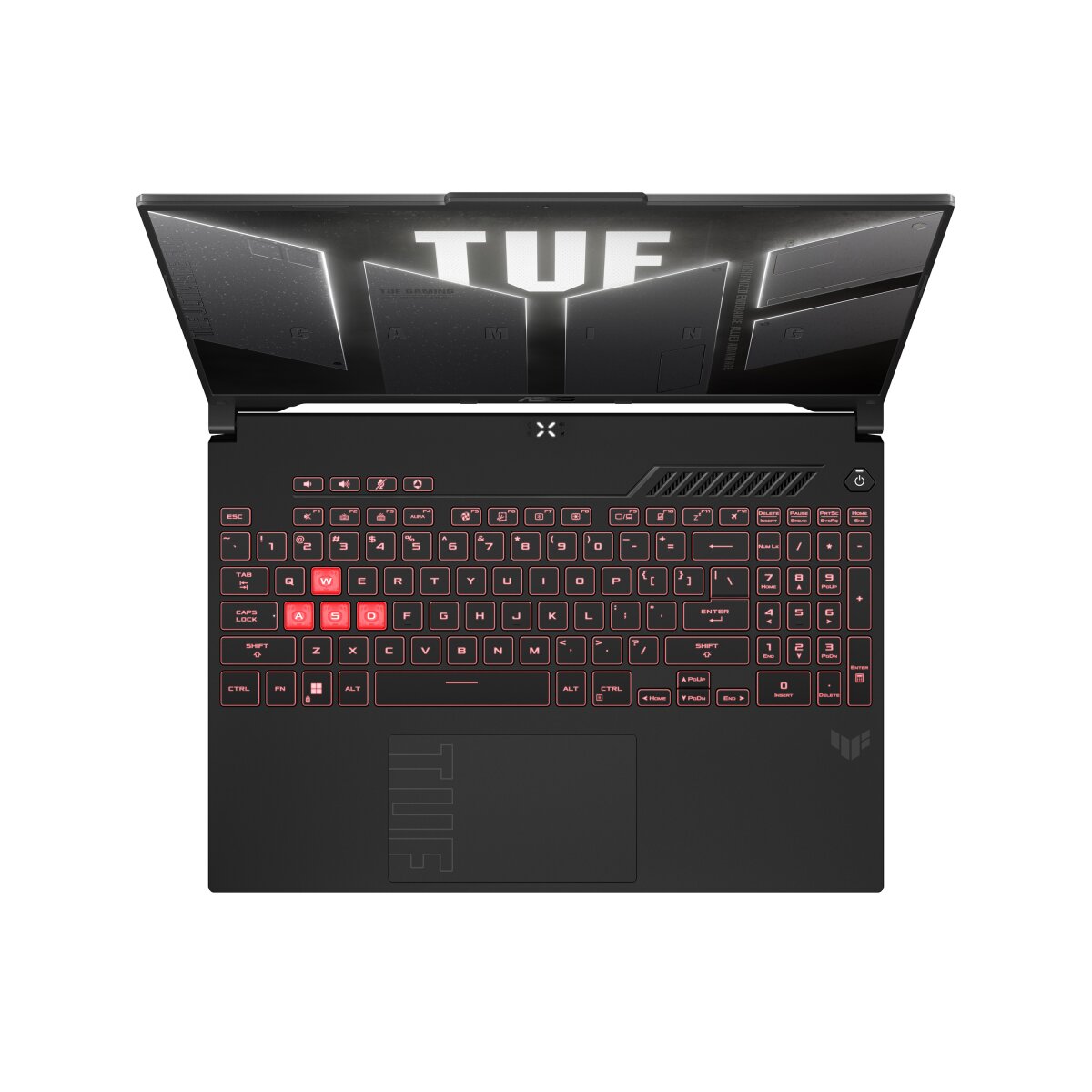
ASUS TUF Gaming F16 FX607VU-RL033W laptop features DDR5-SDRAM memory upgrade specifications. The system contains 2x SO-DIMM slots for memory expansion. Maximum RAM capacity reaches 64 GB total. Compatible memory operates at 5200 MHz frequency using SO-DIMM form factor. Specifications support DDR5 memory technology for enhanced performance and bandwidth compared to previous generation memory standards.
Memory Upgrade Specifications
| Specification | Value |
|---|---|
| Memory slots | 2x SO-DIMM |
| Form factor | SO-DIMM |
| Memory type | DDR5-SDRAM |
| Frequency | 5200 MHz |
| Maximum RAM | 64 GB |
| Voltage | 1.1V |
| Number of pins | 262-pin |
| Interface | PC5 |
| PC Speed Rating | PC5-5200 (PC5-41600) |
| Bandwidth | 41.6 GB/s |
Additional Notes
- The ASUS TUF Gaming FX607VU-RL033W supports dual-channel memory architecture, enabling up to twice the theoretical bandwidth compared to single-channel configurations when both slots are populated with matched modules.
- DDR5 operates at a baseline voltage of 1.1V compared to DDR4's 1.2V, reducing power consumption but preventing any backward compatibility with DDR4 modules.
- The 5200 MHz speed represents JEDEC standard DDR5-5200, though actual performance depends on CPU memory controller capabilities and may default to lower JEDEC profiles unless XMP 3.0 is enabled in BIOS.
- SO-DIMM packaging measures 67.6mm in length versus desktop DIMM's 133.35mm, making standard desktop memory physically incompatible with this laptop chassis.
- Reaching the 64 GB ceiling requires 2 modules of 32 GB each, as DDR5 SO-DIMM density limitations currently make single 64 GB modules unavailable in the consumer market.
- DDR5's on-die ECC operates independently from traditional ECC memory, providing internal error correction without requiring specialized ECC SO-DIMMs.
- Memory upgrades typically require bottom panel removal, which may involve breaking security seals that could affect manufacturer warranty terms depending on regional regulations.
- Mixed capacity configurations remain functional but may disable dual-channel mode or reduce effective bandwidth if modules differ in rank organization or density.
- Higher frequency kits beyond 5200 MHz will downclock to this specification unless the laptop's firmware explicitly supports memory overclocking profiles.
- DDR5's improved burst length of 16 versus DDR4's 8 provides efficiency gains in sequential operations but requires compatible memory traces on the motherboard, preventing module substitution across DDR generations.