ASUS TUF Gaming FX607VU-RL073W-GAMING RAM upgrade specifications

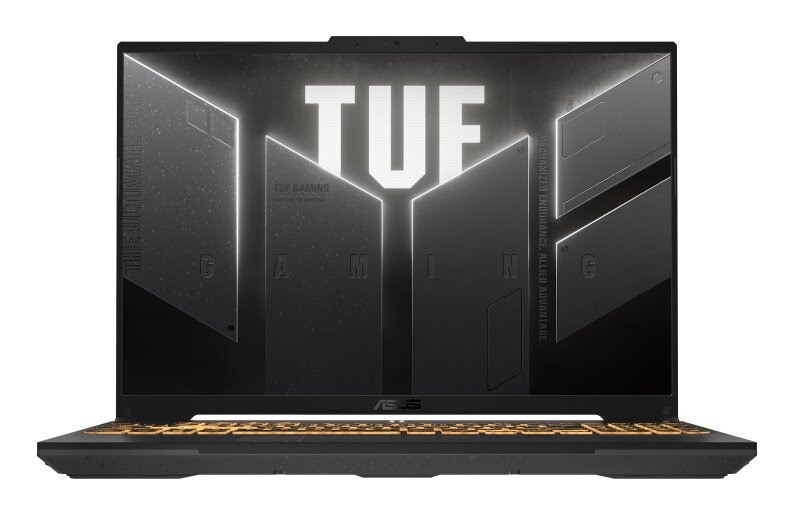
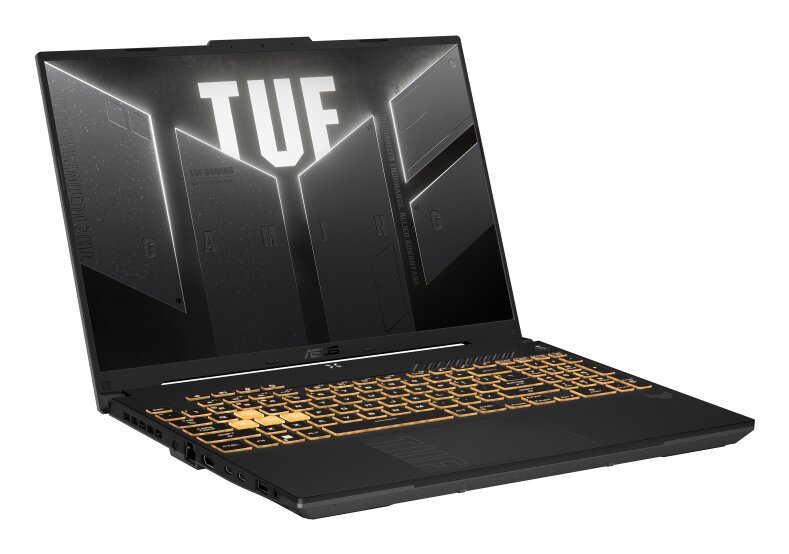
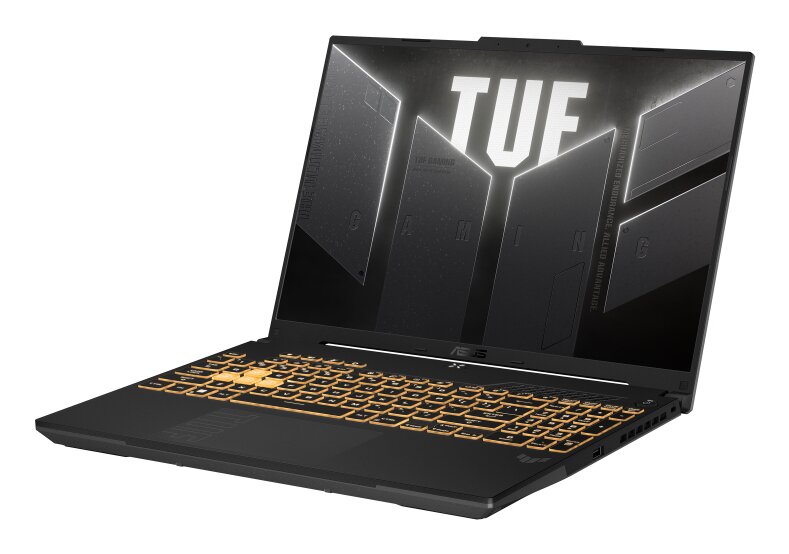
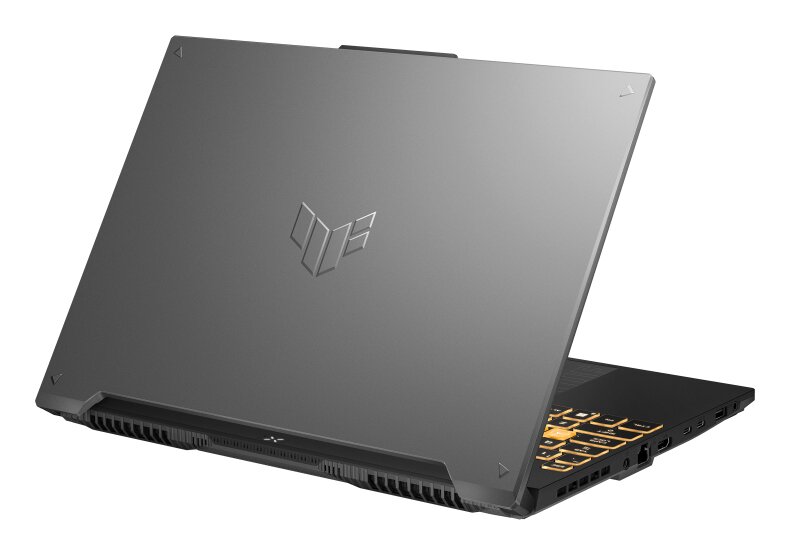
ASUS TUF Gaming F16 FX607VU-RL073W-GAMING laptop features two SO-DIMM slots supporting DDR5-SDRAM memory modules. Maximum RAM capacity reaches 32 GB with DDR5-5200 MHz specifications. Compatible memory upgrades utilize SO-DIMM form factor modules. Upgrade options expand base memory configuration to maximum capacity of 32 GB total. Specifications indicate DDR5 technology compatibility across both available slots for memory expansion and system performance enhancement.
Memory Upgrade Specifications
| Specification | Value |
|---|---|
| Memory slots | 2x SO-DIMM |
| Form factor | SO-DIMM |
| Memory type | DDR5-SDRAM |
| Frequency | 5200 MHz |
| Maximum RAM | 32 GB |
| Voltage | 1.1V |
| Number of pins | 262-pin |
| Interface | PC5 |
| PC Speed Rating | PC5-5200 (PC5-41600) |
| Bandwidth | 41.6 GB/s |
Additional Notes
- The ASUS TUF Gaming FX607VU-RL073W-GAMING uses SO-DIMM slots, which are laptop-specific form factors and cannot be cross-installed in desktop systems or vice versa, restricting the secondary market for surplus modules.
- DDR5-5200 MHz specification indicates the motherboard supports JEDEC standard speeds; memory modules rated higher than 5200 MHz will downclock to this ceiling, making premium-priced XMP/DOCP variants wasteful.
- A 32 GB ceiling with 2 slots means maximum per-slot capacity is 16 GB; single-slot upgrades beyond 16 GB are not viable, requiring both slots to be populated simultaneously to reach the platform limit.
- Dual SO-DIMM configuration on a gaming laptop creates a single-point-of-failure scenario; if 1 module fails, 50 percent of installed memory becomes inaccessible, with no redundancy option typical in server environments.
- SO-DIMM modules generate higher power density per gigabyte compared to UDIMM counterparts due to physical space constraints, potentially increasing thermal load in the confined laptop chassis during sustained gaming sessions.
- Warranty implications exist if thermal pads or adhesive tape on third-party modules contact the motherboard and cause shorts; aftermarket thermal management solutions must be validated against ASUS serviceability guidelines.