ASUS TUF Gaming FX608JH-RV080-Gaming RAM upgrade specifications


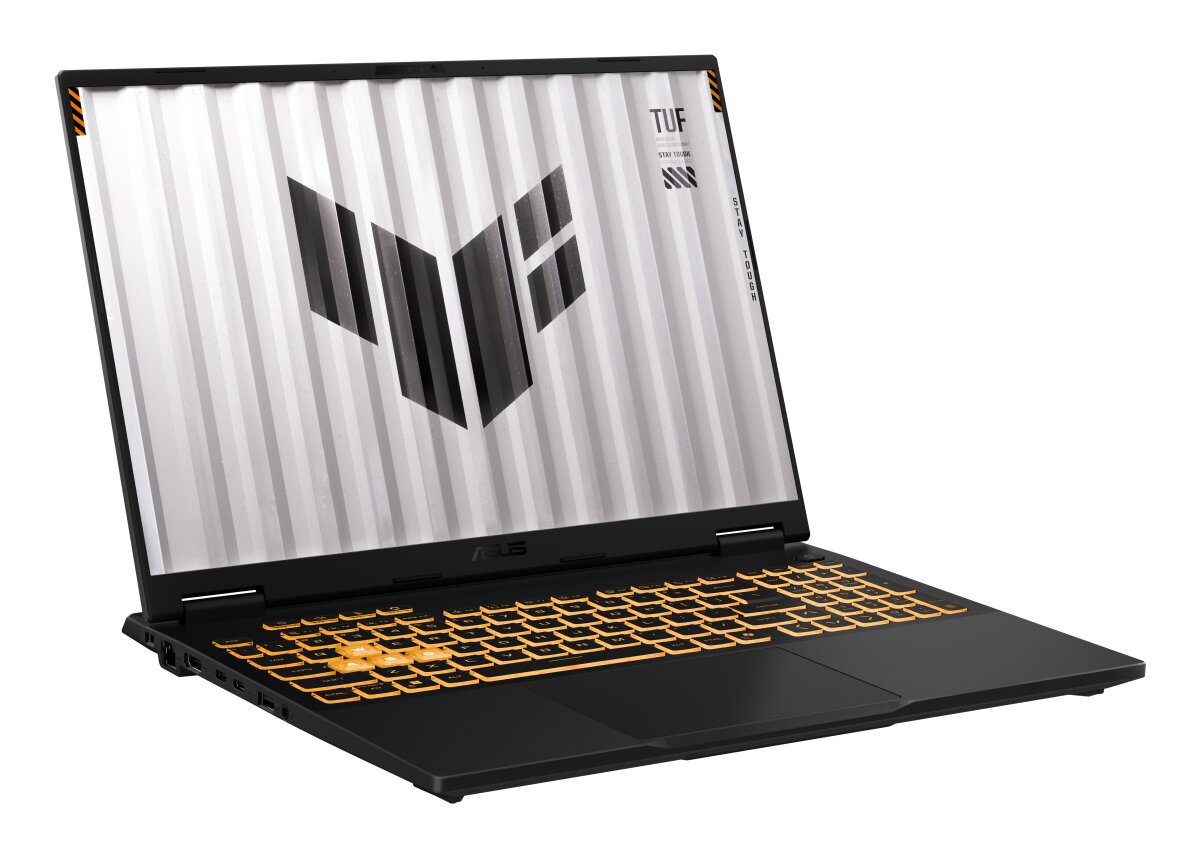

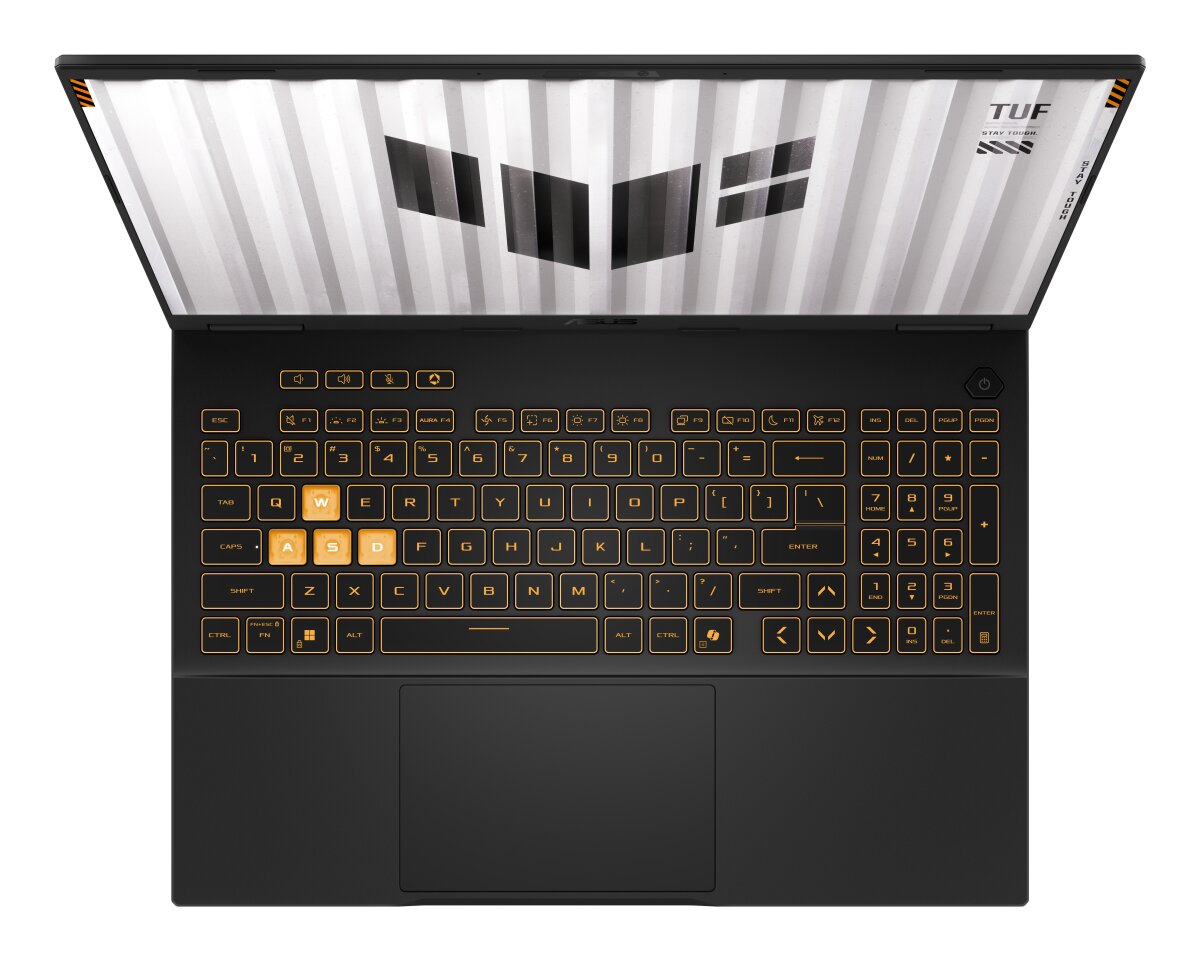
The ASUS TUF Gaming F16 series FX608JH-RV080-Gaming laptop features DDR5-SDRAM memory upgrade specifications. The system contains two SO-DIMM slots supporting DDR5-5600 MHz modules. Maximum RAM capacity reaches 64 GB, enabling significant memory expansion from the factory configuration. Compatible memory modules must utilize SO-DIMM form factor for proper installation in the available slots. Specifications allow for flexible upgrade configurations to enhance system performance and multitasking capabilities.
Memory Upgrade Specifications
| Specification | Value |
|---|---|
| Memory slots | 2x SO-DIMM |
| Form factor | SO-DIMM |
| Memory type | DDR5-SDRAM |
| Frequency | 5600 MHz |
| Maximum RAM | 64 GB |
| Voltage | 1.1V |
| Number of pins | 262-pin |
| Interface | PC5 |
| PC Speed Rating | PC5-5600 (PC5-44800) |
| Bandwidth | 44.8 GB/s |
Additional Notes
- The 2 SO-DIMM slots in the ASUS TUF Gaming FX608JH-RV080-Gaming impose a dual-channel architecture where both slots must be populated for optimal memory bandwidth; a single module will operate at reduced throughput.
- DDR5-5600 specification indicates memory bandwidth ceiling of approximately 89.6 gigabytes per second, which may constrain performance in workloads demanding sustained high-speed data transfer between processor and system RAM.
- The 64 gigabyte maximum capacity ceiling means a single upgrade path exists: two 32 gigabyte DDR5 modules at 5600 MHz or faster; modules rated above 5600 MHz will downclock to specification frequency due to JEDEC compatibility standards.
- SO-DIMM form factor requires the laptop chassis to have accessible internal expansion ports; professional disassembly or manufacturer service may be necessary if internal access is restricted by design, potentially affecting warranty coverage during self-service upgrades.
- Mixing memory modules of different capacities (e.g., 8 GB with 32 GB) will function but operates the larger module at the speed and latency of the smaller module, resulting in asymmetrical performance degradation.
- DDR5 SO-DIMM modules incorporate higher power consumption and thermal density relative to DDR4 equivalents; cooling airflow around the memory slot area becomes a secondary consideration during extended load conditions.
- Replacing both SO-DIMMs simultaneously rather than incrementally upgrading avoids potential compatibility conflicts between mixed generations of DDR5 memory silicon.