ASUS TUF Gaming FX608JH-RV081-Gaming RAM upgrade specifications


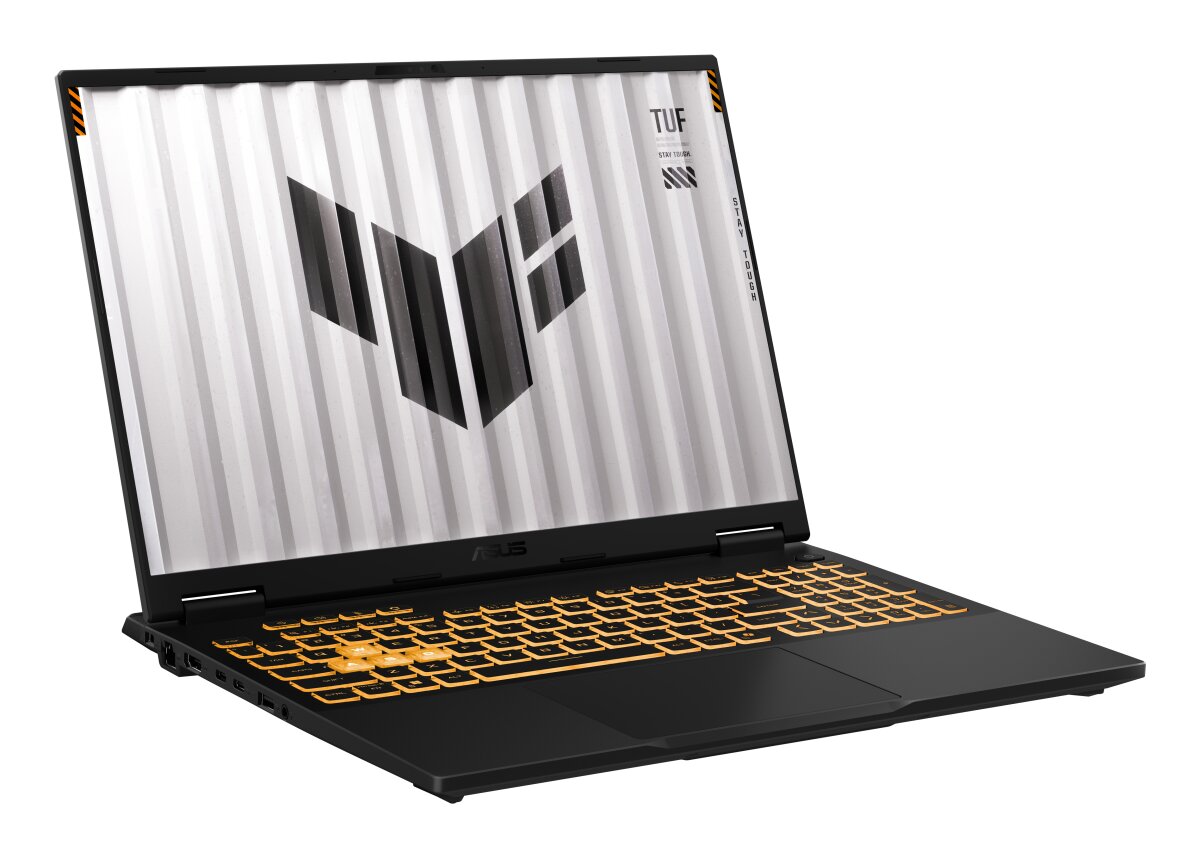
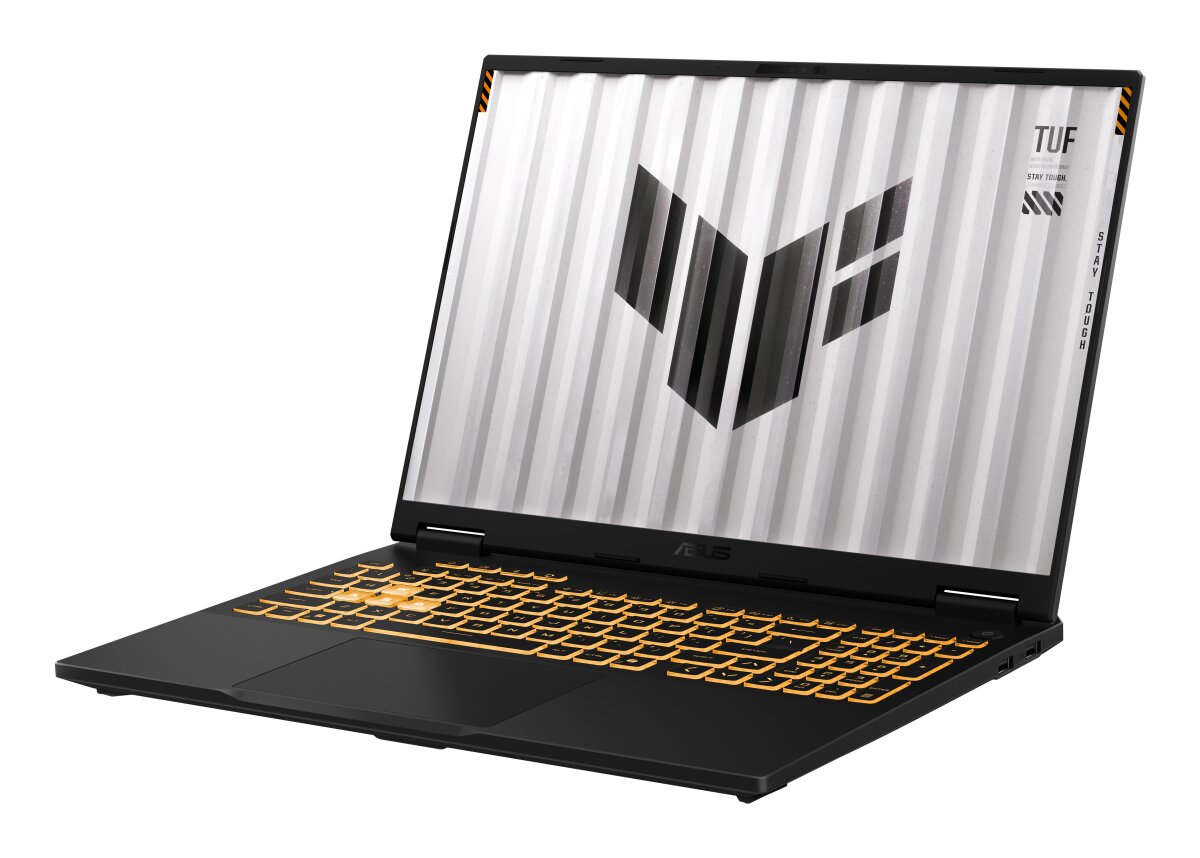
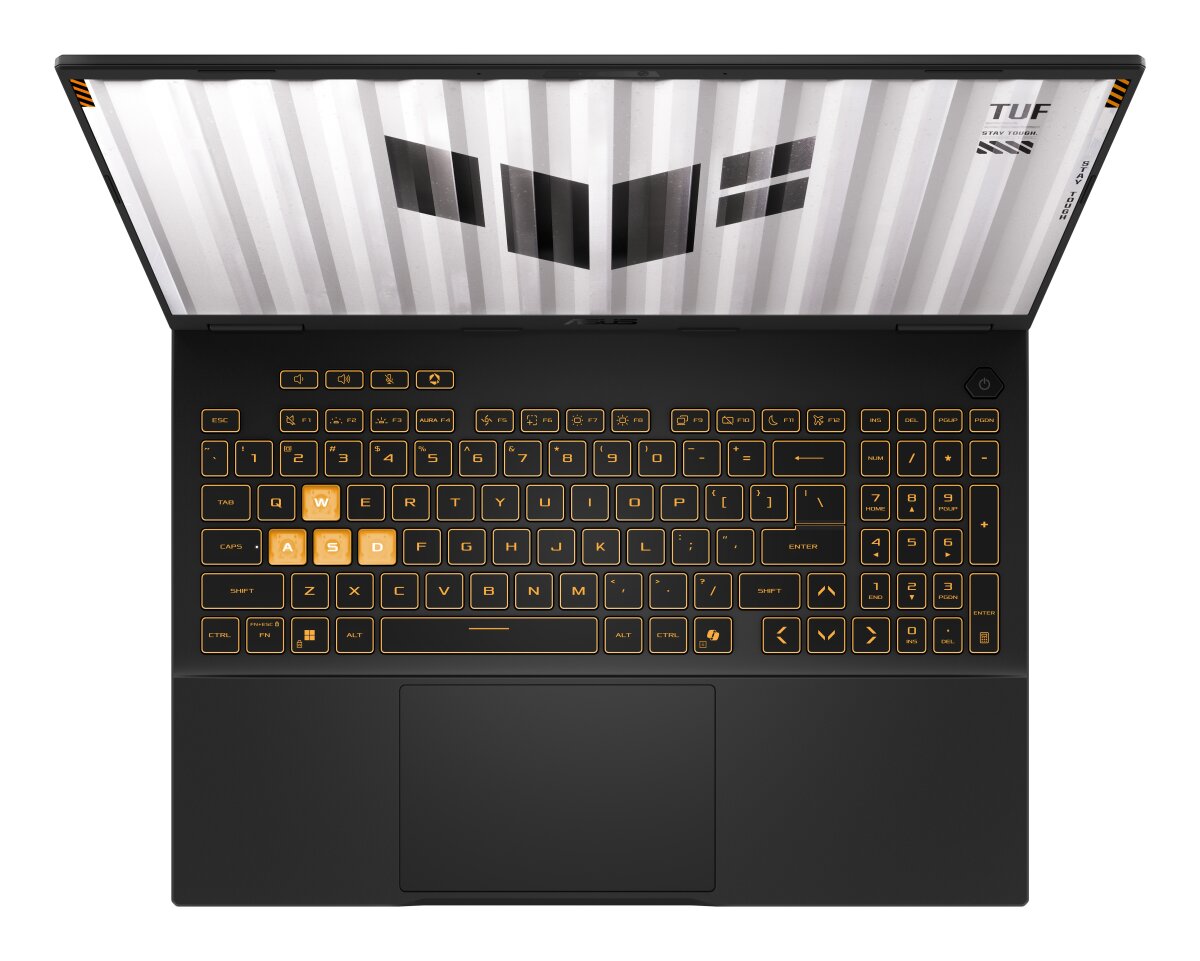
The ASUS TUF Gaming FX608JH-RV081-Gaming laptop features DDR5-SDRAM memory upgrades with two SO-DIMM slots. The system supports a maximum RAM capacity of 64 GB, enabling significant memory expansion for enhanced multitasking and performance. Compatible memory modules operate at 5600 MHz frequency, providing fast data transfer rates. Current upgrade specifications allow users to install DDR5 SO-DIMM modules across both available slots to achieve maximum memory capacity. The F16 series specifications accommodate high-speed RAM upgrades suitable for gaming and intensive applications.
Memory Upgrade Specifications
| Specification | Value |
|---|---|
| Memory slots | 2x SO-DIMM |
| Form factor | SO-DIMM |
| Memory type | DDR5-SDRAM |
| Frequency | 5600 MHz |
| Maximum RAM | 64 GB |
| Voltage | 1.1V |
| Number of pins | 262-pin |
| Interface | PC5 |
| PC Speed Rating | PC5-5600 (PC5-44800) |
| Bandwidth | 44.8 GB/s |
Additional Notes
- The DDR5-SDRAM requirement excludes all DDR4 modules regardless of physical compatibility, as voltage and signaling protocols differ fundamentally between generations.
- Both SO-DIMM slots must remain accessible without motherboard removal in this ASUS TUF Gaming FX608JH-RV081-Gaming chassis, though bottom panel disassembly is typically required for dual-channel population.
- Achieving the 64 GB ceiling requires two 32 GB modules, as single-slot configurations cannot exceed this capacity threshold with current SO-DIMM technology.
- The 5600 MHz specification represents the maximum validated speed, meaning faster modules will downclock automatically to this frequency without performance penalty.
- Dual-channel operation becomes mandatory for bandwidth-intensive applications, as single-module configurations halve the theoretical 89.6 GB/s peak transfer rate to 44.8 GB/s.
- Mixing modules with different CAS latencies forces both to operate at the slower timing, potentially negating speed advantages of premium kits.
- Thermal throttling risk increases with high-density modules in confined laptop environments, particularly when the chassis lacks dedicated RAM cooling channels.
- Warranty preservation depends on avoiding physical damage to retention clips during installation, as SO-DIMM mechanisms are more fragile than desktop DIMM counterparts.
- Non-ECC unbuffered modules remain the only compatible type, as SO-DIMM ECC variants require server-grade memory controllers absent in gaming platforms.
- JEDEC-standard modules guarantee baseline compatibility, while XMP profiles may require BIOS support that varies across firmware revisions.