ASUS TUF Gaming FX608JHR-74B55CS1 RAM upgrade specifications
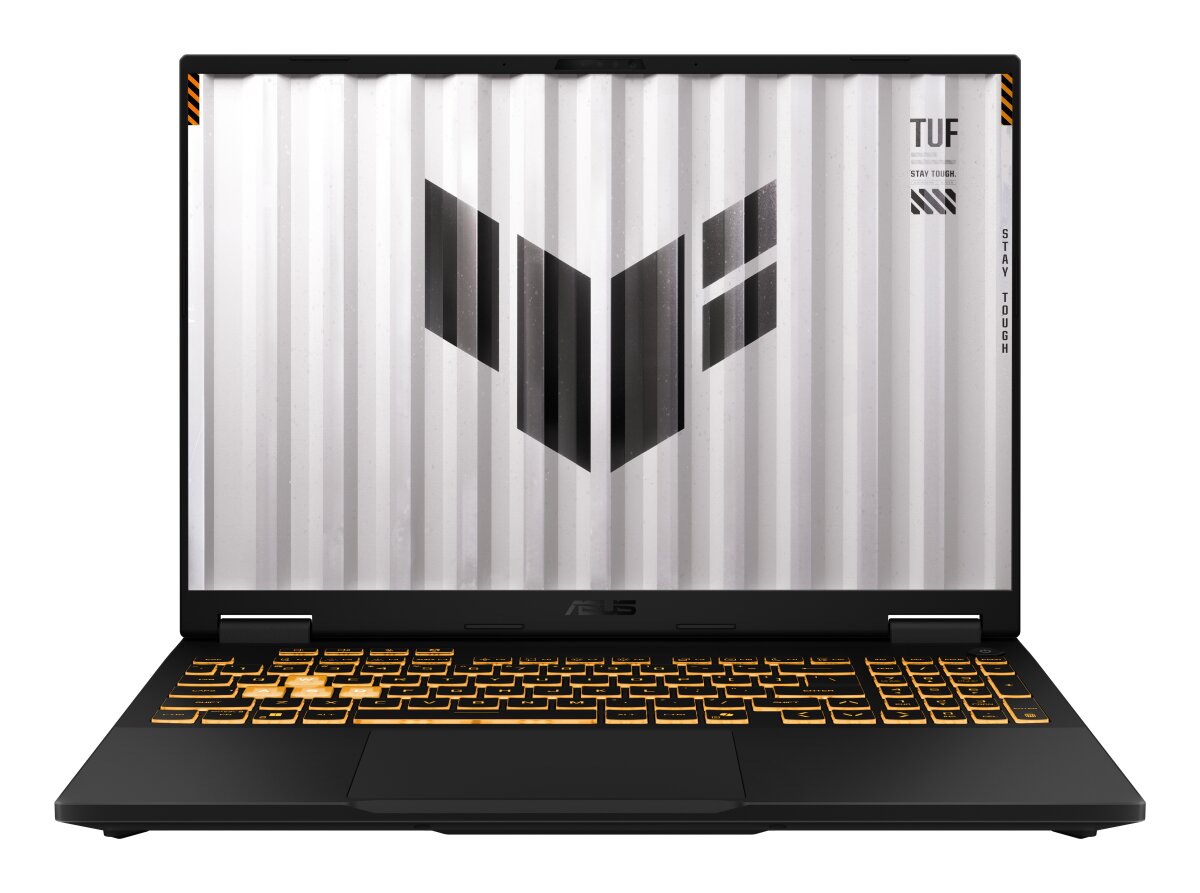
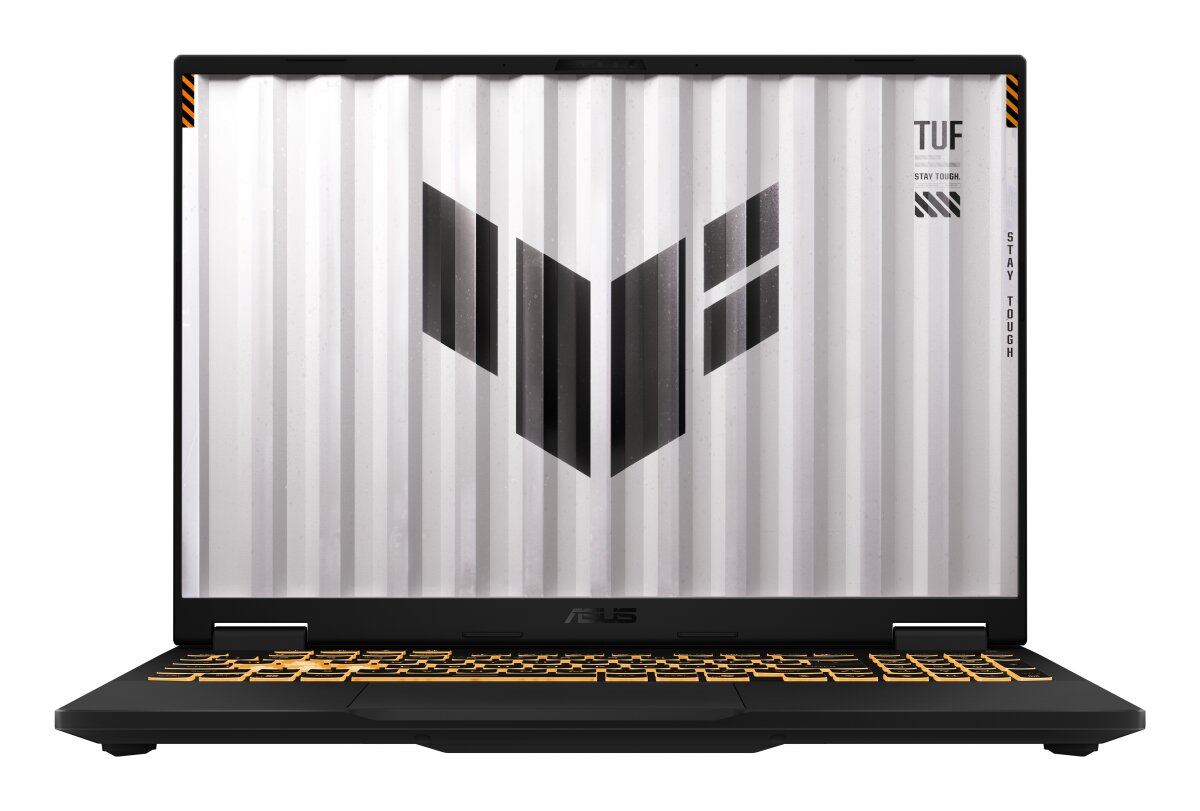
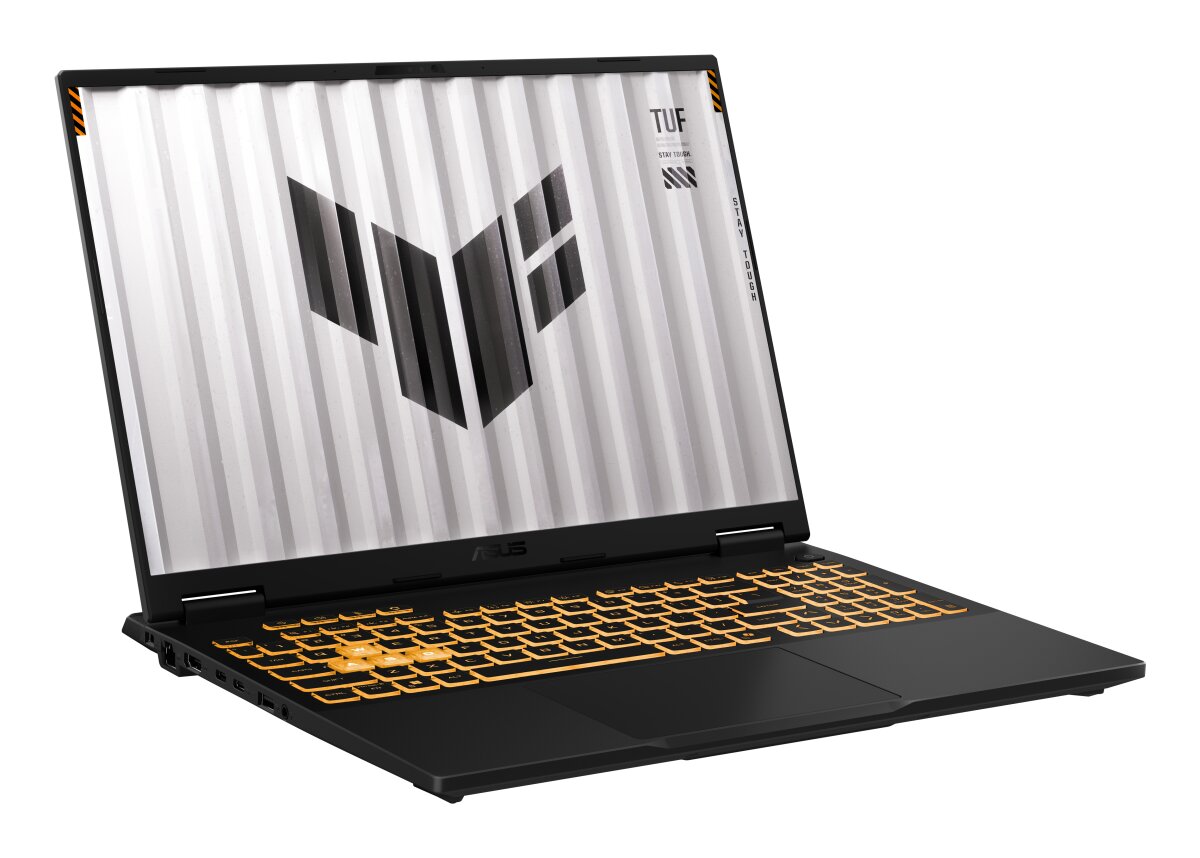
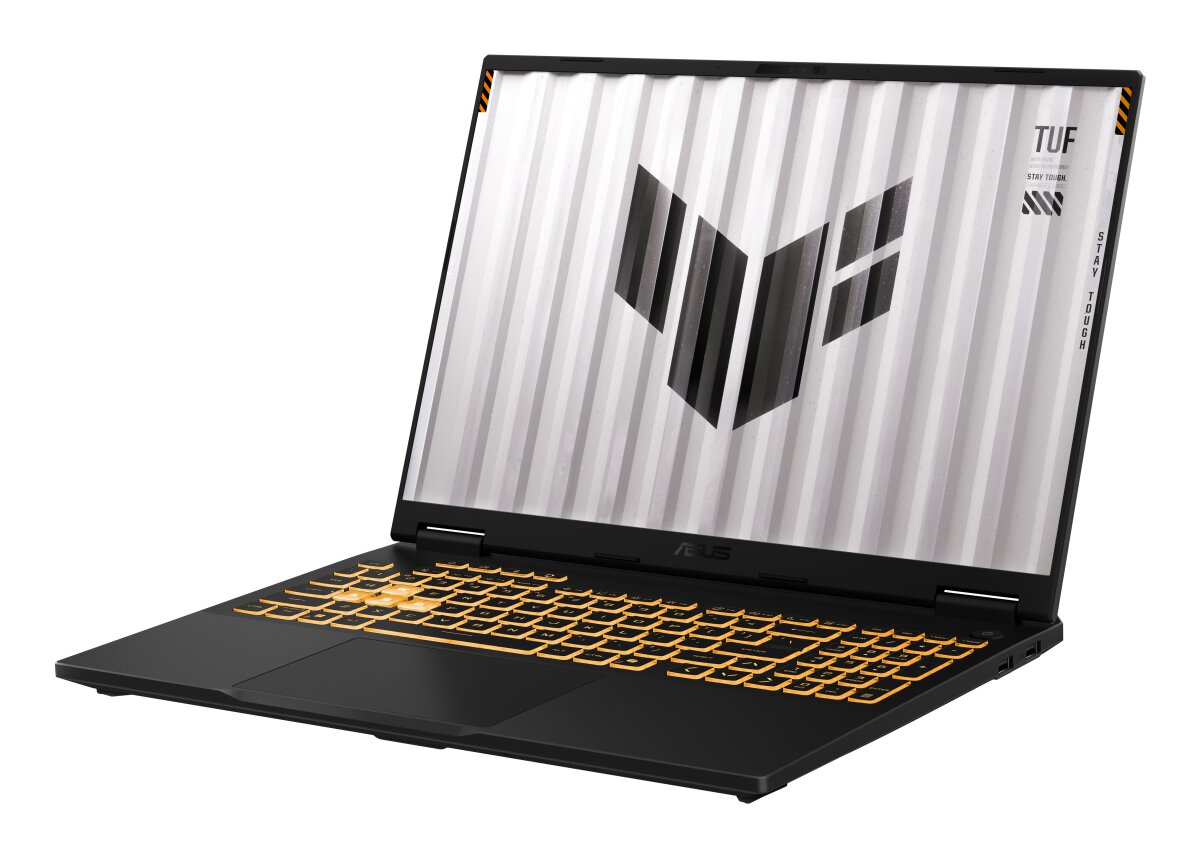
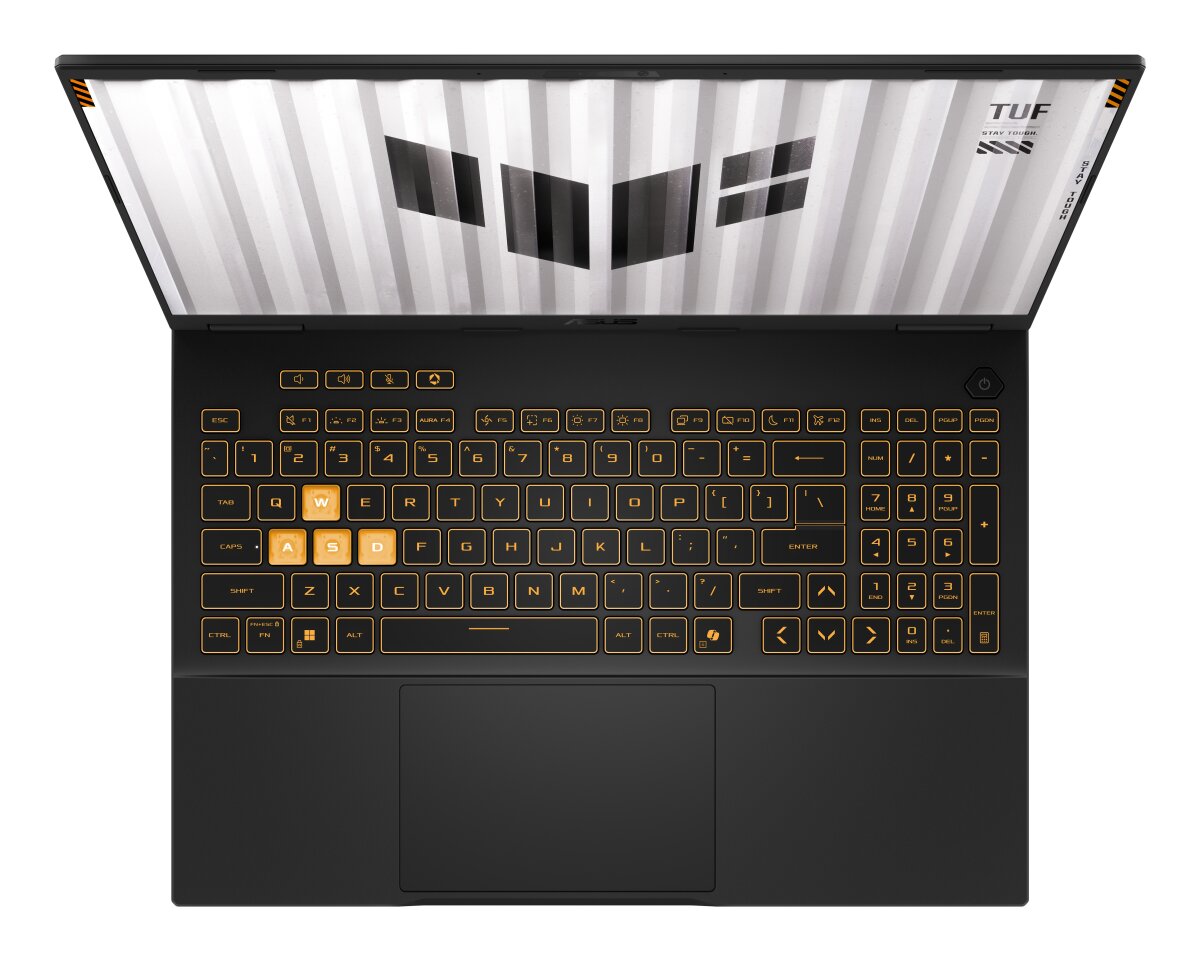
ASUS TUF Gaming F16 FX608JHR-74B55CS1 laptop memory upgrade specifications feature DDR5-SDRAM technology with two SO-DIMM slots supporting maximum capacity of 64 GB. Compatible memory modules operate at 5600 MHz frequency. Upgrade options utilize standard SO-DIMM form factor, enabling flexible expansion configurations for enhanced system performance and multitasking capabilities.
Memory Upgrade Specifications
| Specification | Value |
|---|---|
| Memory slots | 2x SO-DIMM |
| Form factor | SO-DIMM |
| Memory type | DDR5-SDRAM |
| Frequency | 5600 MHz |
| Maximum RAM | 64 GB |
| Voltage | 1.1V |
| Number of pins | 262-pin |
| Interface | PC5 |
| PC Speed Rating | PC5-5600 (PC5-44800) |
| Bandwidth | 44.8 GB/s |
Additional Notes
- The ASUS TUF Gaming FX608JHR-74B55CS1 uses SO-DIMM slots, which are physically smaller than standard DIMM modules. Replacement modules must match this form factor precisely; standard desktop DDR5 modules will not fit.
- DDR5-5600 MHz operation requires compatible memory modules rated for 5600 MHz or higher. Lower-rated DDR5 modules may default to reduced frequencies through JEDEC standards, resulting in decreased bandwidth and potential performance regression compared to native 5600 MHz speeds.
- With 2 slots and a 64 GB maximum capacity ceiling, the practical limit per slot is 32 GB. This architecture eliminates future expansion beyond 64 GB, making initial configuration choices permanent without replacement of existing modules.
- DDR5-5600 modules command higher pricing than DDR4 equivalents or lower-frequency DDR5 variants due to manufacturing complexity. Cost per gigabyte for this upgrade path exceeds many contemporary configurations, particularly when filling both slots to maximum capacity.
- SO-DIMM DDR5-5600 module availability remains limited in retail channels compared to standard DIMM configurations. Lead times for compatible modules may extend beyond typical upgrade timelines.
- Mixing modules of different capacities or manufacturers within the 2-slot configuration may trigger latency increases or stability issues during boot. Identical matched pairs provide the highest compatibility margin without BIOS intervention.