ASUS TUF Gaming FX608JHR-DS74 RAM upgrade specifications

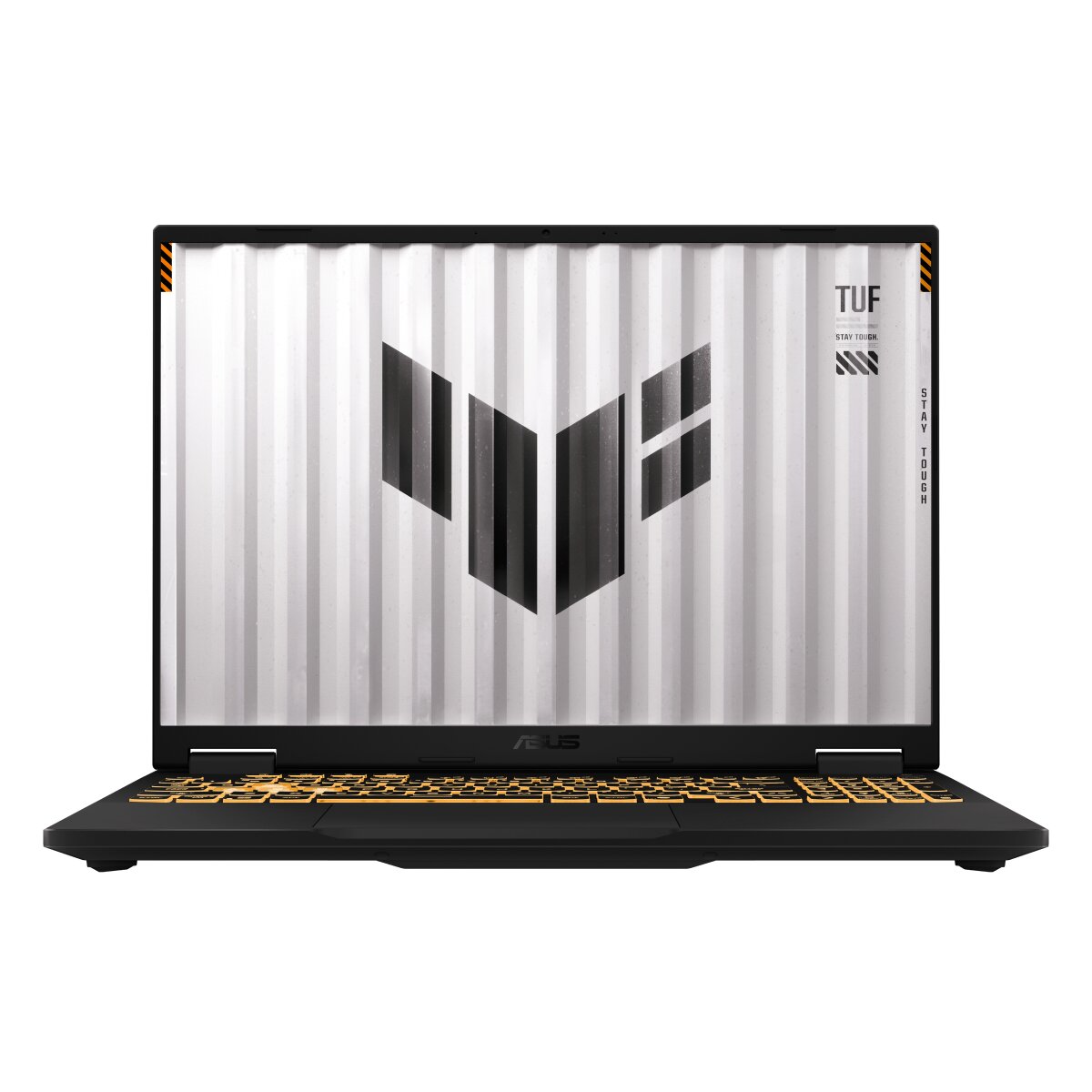
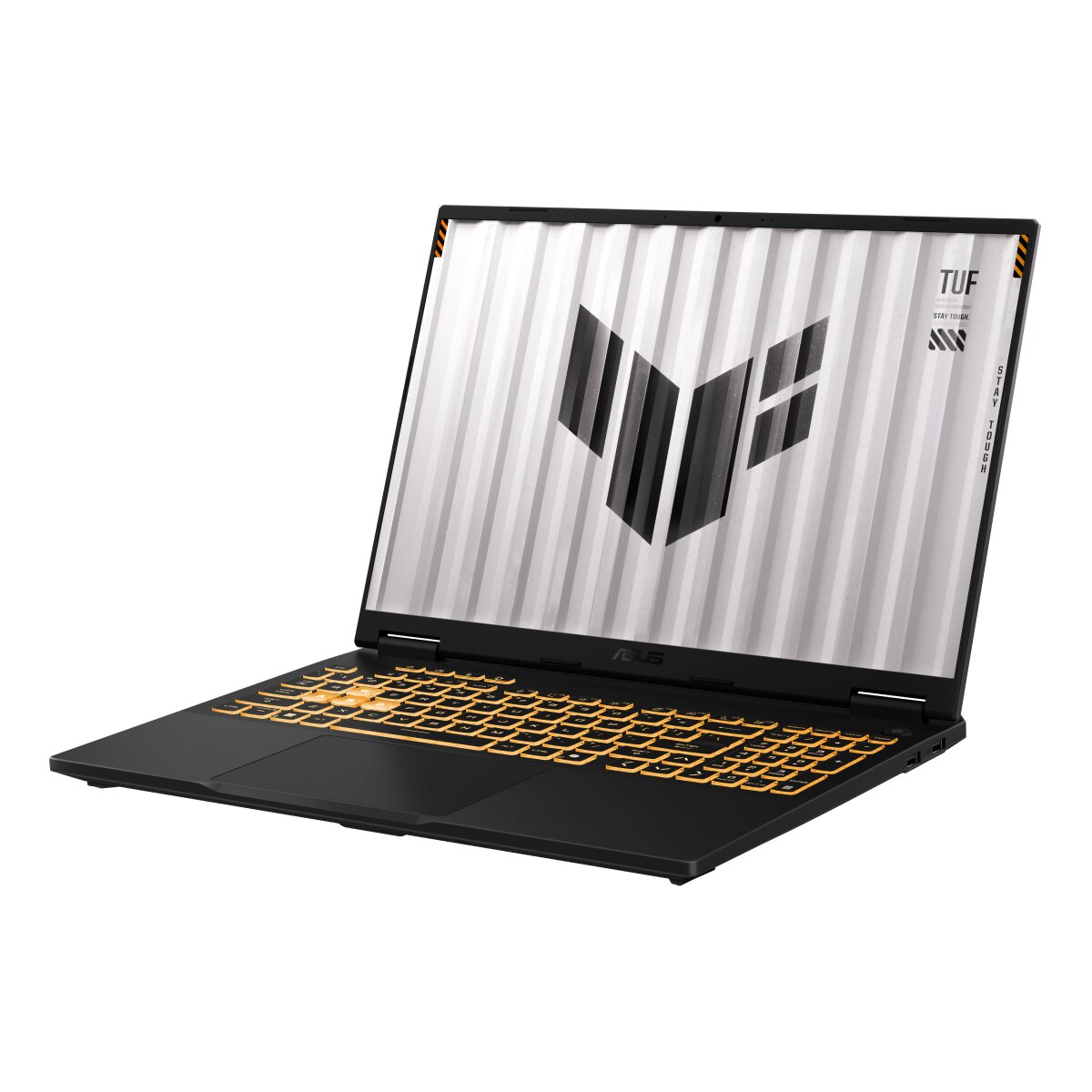
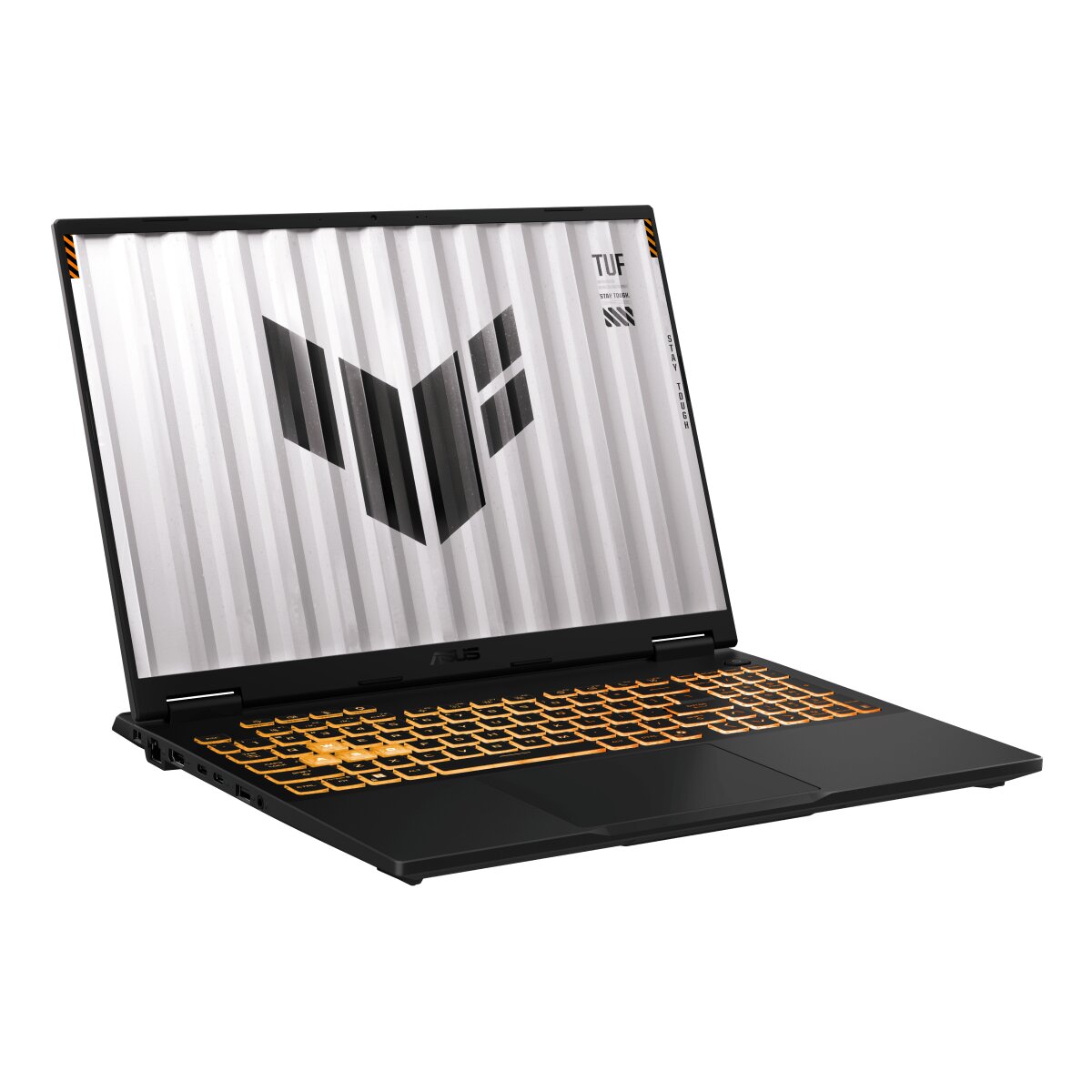

ASUS TUF Gaming F16 FX608JHR-DS74 laptop memory upgrade specifications include DDR5-SDRAM support with two SO-DIMM slots. Maximum RAM capacity reaches 64 GB with compatible DDR5-5600 MHz modules. The upgrade specifications indicate the laptop supports dual-channel memory configuration for enhanced performance. SO-DIMM form factor slots accommodate standard notebook memory modules. Memory compatibility requires DDR5 technology with specifications matching the native 5600 MHz frequency rating. Current and maximum upgrade capacity allows substantial memory expansion within the two available slots.
Memory Upgrade Specifications
| Specification | Value |
|---|---|
| Memory slots | 2x SO-DIMM |
| Form factor | SO-DIMM |
| Memory type | DDR5-SDRAM |
| Frequency | 5600 MHz |
| Maximum RAM | 64 GB |
| Voltage | 1.1V |
| Number of pins | 262-pin |
| Interface | PC5 |
| PC Speed Rating | PC5-5600 (PC5-44800) |
| Bandwidth | 44.8 GB/s |
Additional Notes
- The ASUS TUF Gaming FX608JHR-DS74 supports DDR5 memory, which operates at significantly higher bandwidth than DDR4, enabling faster data transfer rates between the CPU and RAM during intensive gaming and multitasking workloads.
- With only 2 SO-DIMM slots available, both memory modules must be populated to reach the 64 GB maximum capacity. Upgrading requires replacing existing modules rather than adding additional sticks, limiting flexibility in staged upgrade approaches.
- DDR5-5600 MHz specification indicates the system is bound to JEDEC standard timing rather than Intel XMP profiles, meaning memory stability operates within conservative specifications and does not require manual BIOS tuning for rated performance.
- SO-DIMM form factor confirms this is a laptop chassis with soldered or tightly integrated power delivery. Adding RAM requires removing the bottom panel and handling delicate socket connectors; standard ESD precautions and thermal pad replacement may be necessary depending on manufacturer design.
- The transition from a 2-slot architecture to maximum capacity creates a single point of failure risk. If one module fails after upgrading, the system cannot operate at partial capacity with remaining RAM; both modules function as an interdependent pair in dual-channel configuration.
- DDR5-5600 memory commands latency penalties compared to DDR4 at equivalent clock speeds. Gaming frame rates may not scale proportionally with higher frequency RAM due to increased CAS latency inherent to DDR5 architecture, especially in CPU-limited scenarios below 100 FPS.