ASUS TUF Gaming FX608JHR-ES73 RAM upgrade specifications
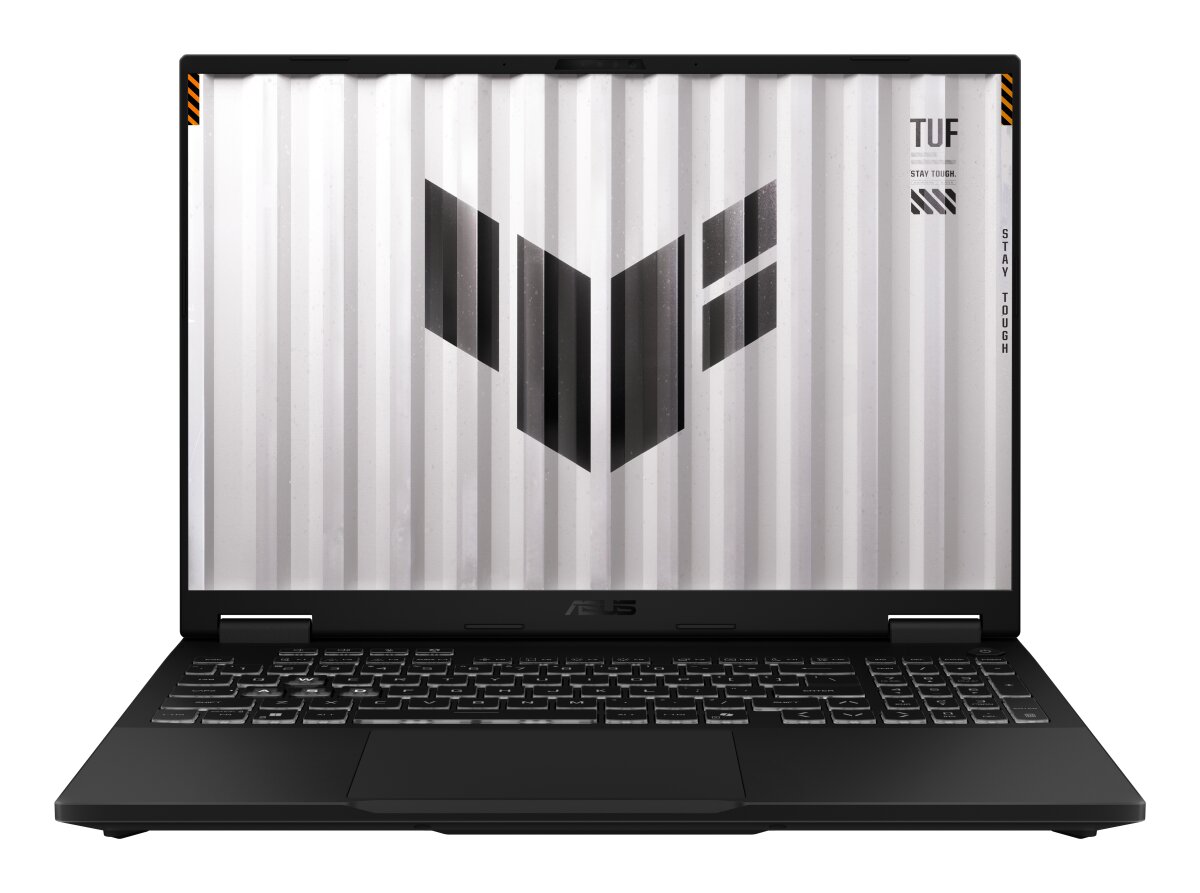

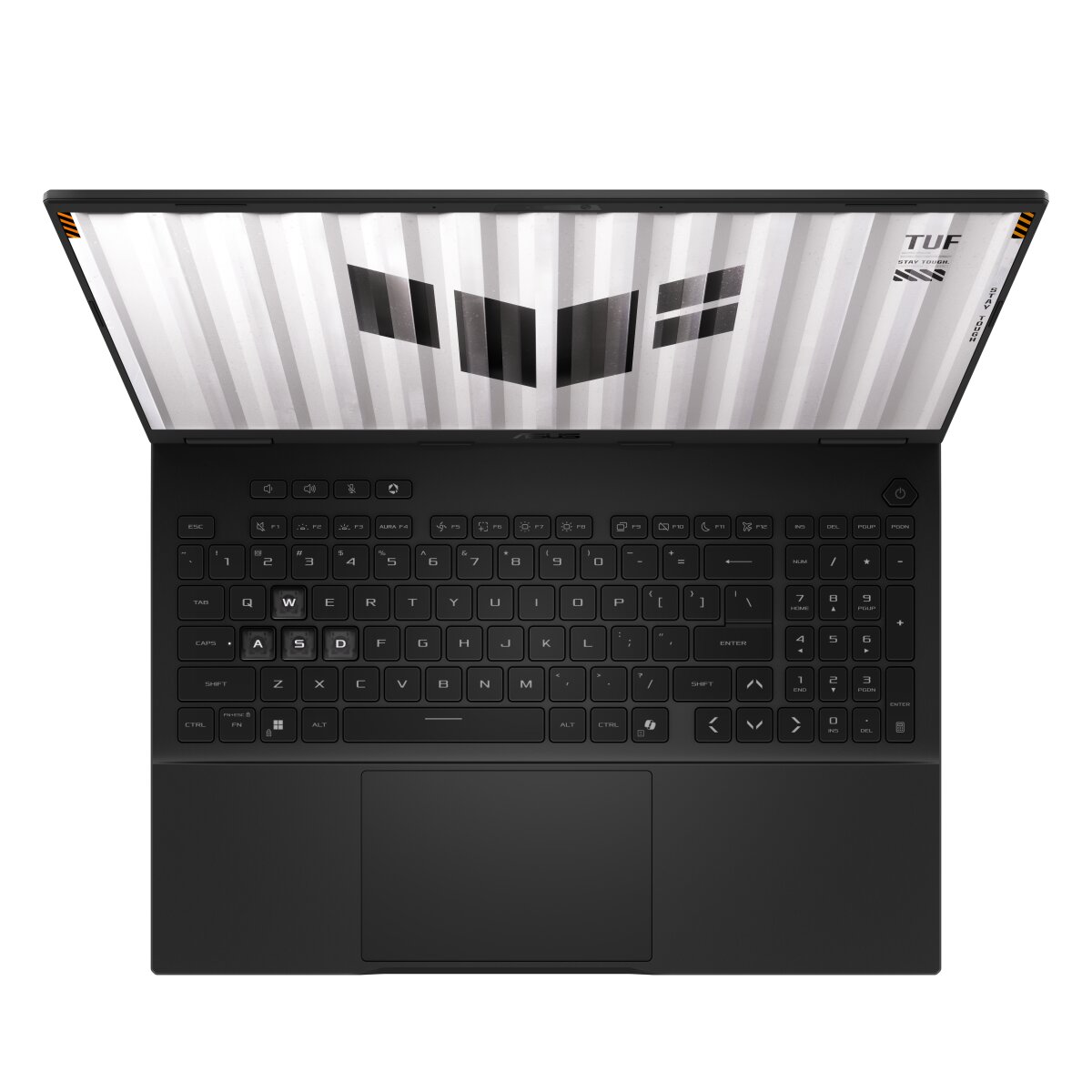
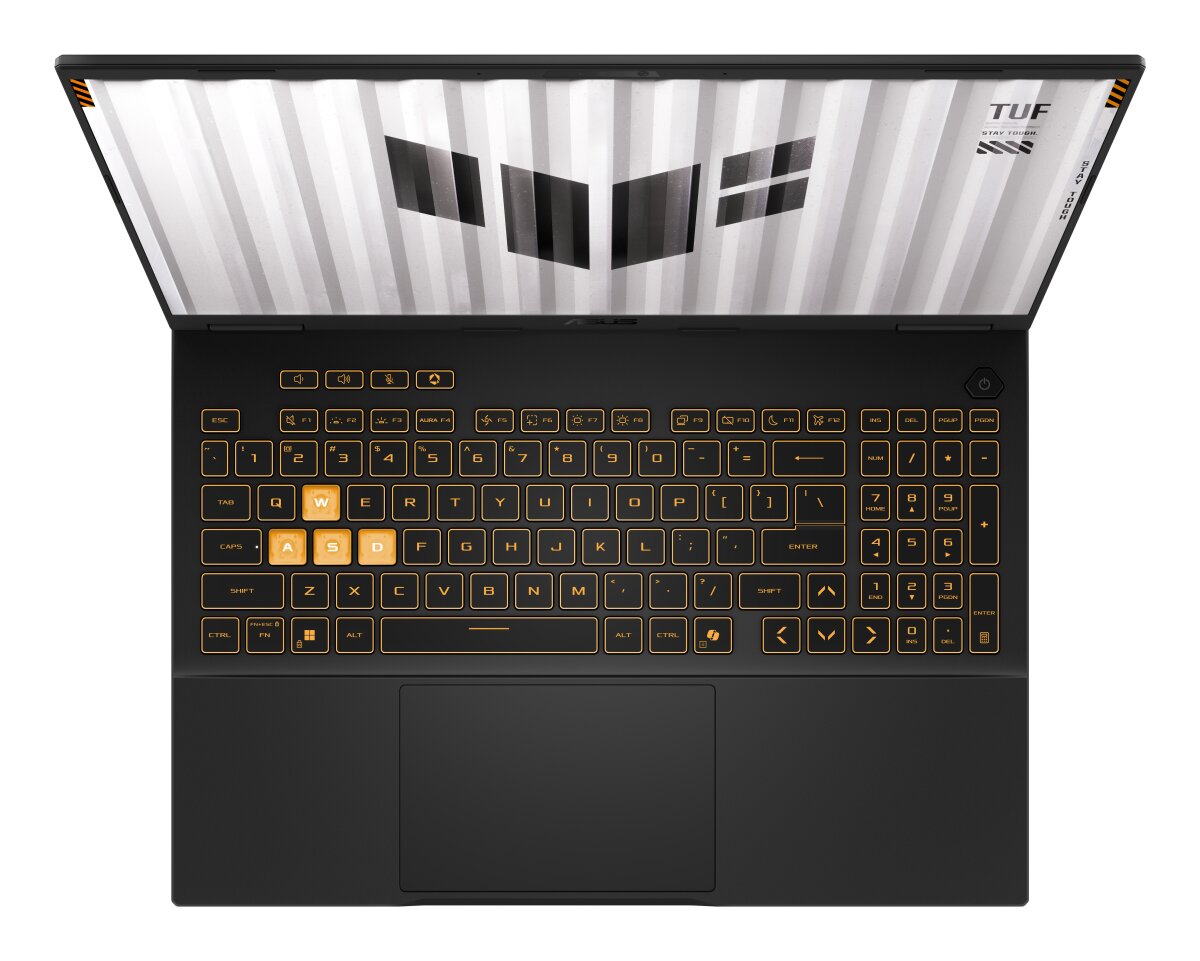
ASUS TUF Gaming F16 FX608JHR-ES73 laptop supports DDR5-SDRAM memory upgrades through two SO-DIMM slots. Maximum RAM capacity reaches 64 GB total. Compatible memory modules operate at 5600 MHz frequency. The SO-DIMM form factor specifies physical specifications for compatible RAM modules. Upgrade options allow expansion from factory configurations up to maximum capacity specifications.
Memory Upgrade Specifications
| Specification | Value |
|---|---|
| Memory slots | 2x SO-DIMM |
| Form factor | SO-DIMM |
| Memory type | DDR5-SDRAM |
| Frequency | 5600 MHz |
| Maximum RAM | 64 GB |
| Voltage | 1.1V |
| Number of pins | 262-pin |
| Interface | PC5 |
| PC Speed Rating | PC5-5600 (PC5-44800) |
| Bandwidth | 44.8 GB/s |
Additional Notes
- The ASUS TUF Gaming FX608JHR-ES73 accepts DDR5 modules exclusively, preventing the use of any DDR4 inventory from previous systems due to voltage and pin configuration incompatibility.
- The 5600 MHz specification represents the highest JEDEC-standard speed that will run without enabling XMP profiles in BIOS, assuming the Intel chipset supports this frequency natively.
- Installing modules rated below 5600 MHz will force the memory controller to downclock to the slower module's rated speed across both channels.
- Both SO-DIMM slots must be populated with matched capacity and speed modules to enable dual-channel operation, which doubles effective memory bandwidth compared to single-channel configurations.
- The 64 GB ceiling requires two 32 GB modules, which limits future expansion since both available slots will be occupied at maximum capacity.
- Mixing modules from different manufacturers or production batches may cause POST failures or instability even when specifications appear identical on paper.
- SO-DIMM retention clips require simultaneous outward pressure at approximately 45-degree angles, and improper technique can bend the slot's metal housing permanently.
- DDR5's on-die ECC operates independently of traditional ECC memory and does not require OS-level support, functioning transparently to correct single-bit errors.
- Higher frequency modules rated at 6000 MHz or above may physically install but will throttle down to 5600 MHz unless manual timing adjustments are applied in firmware.
- The bottom panel must be completely removed to access memory slots, and reassembly without proper screw torque can strip the threaded inserts in the chassis.
- User-installed memory typically maintains warranty validity, but physical damage to slots from improper installation voids coverage for the motherboard assembly.
- DDR5 modules draw higher peak current during operation compared to DDR4, which the existing power delivery system accommodates but leaves no overhead for voltage-increased overclocking.