ASUS TUF Gaming FX608JHR-RV027W-Gaming RAM upgrade specifications


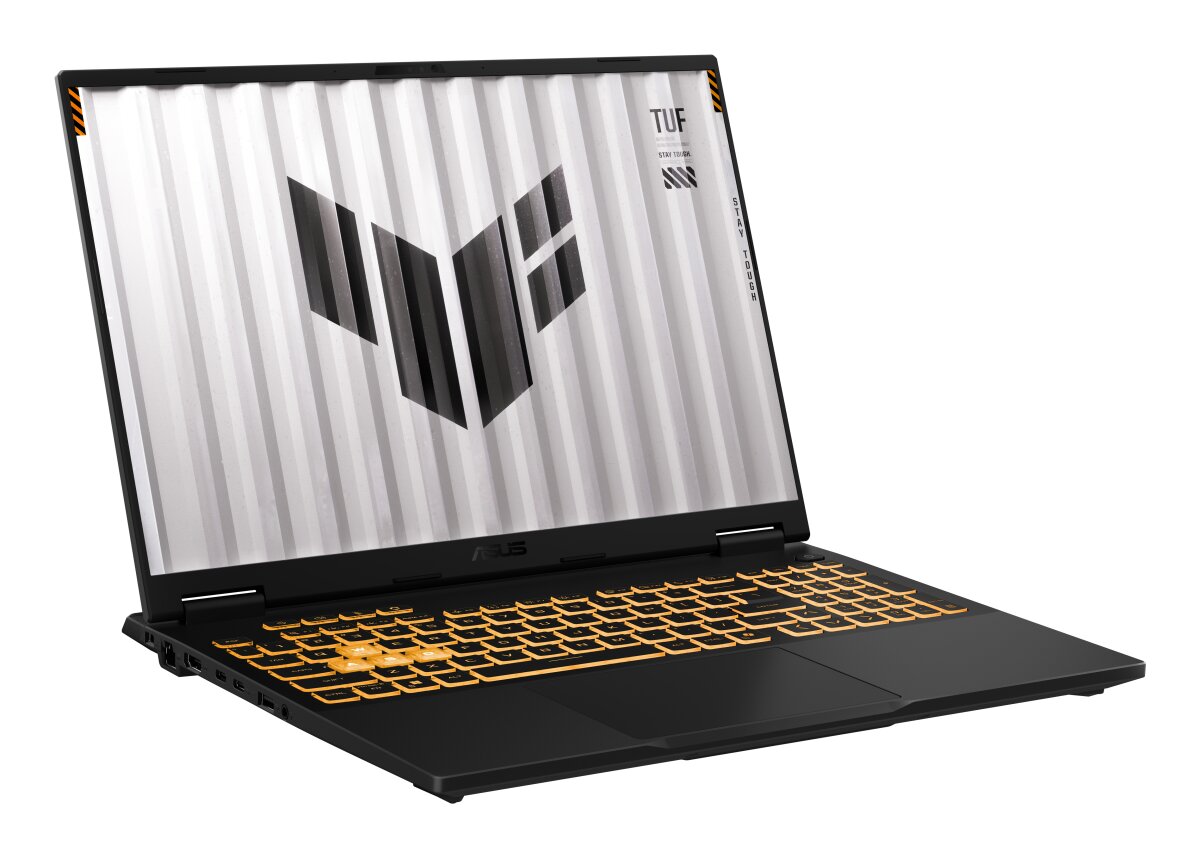
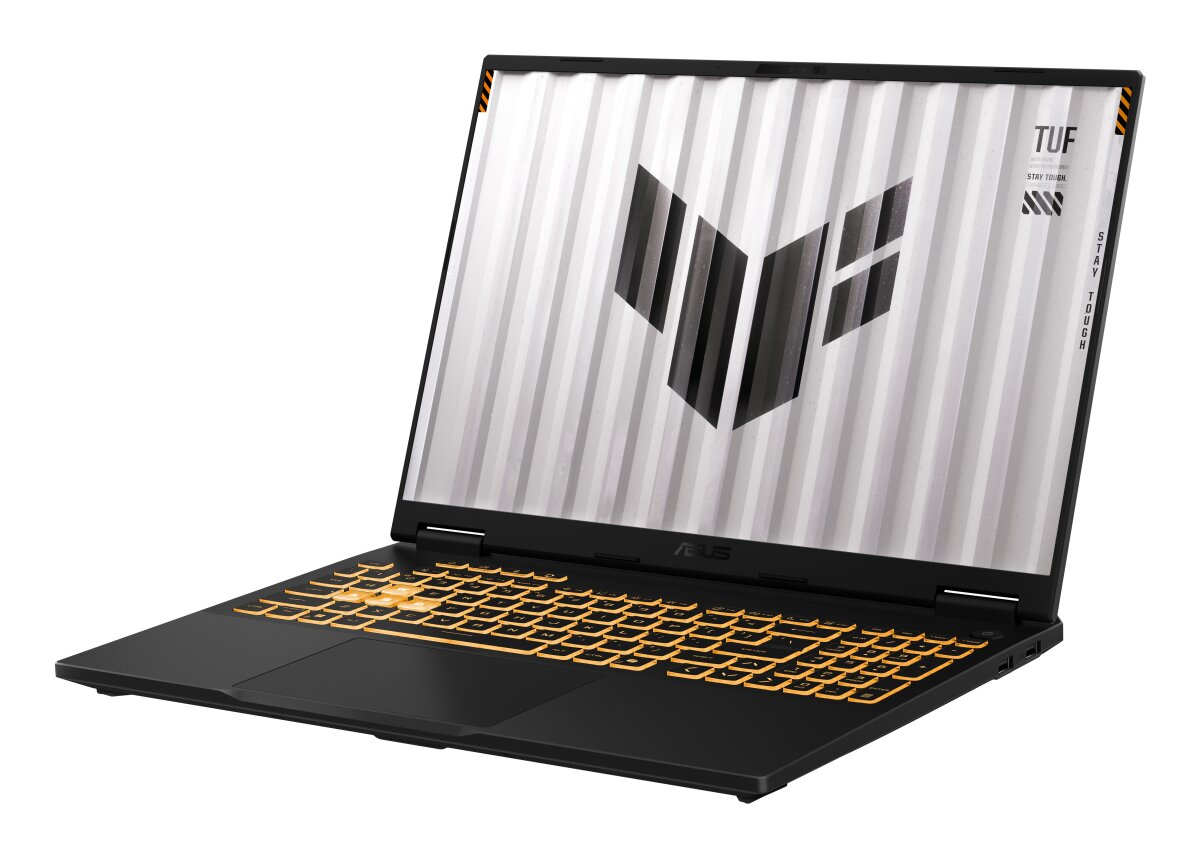
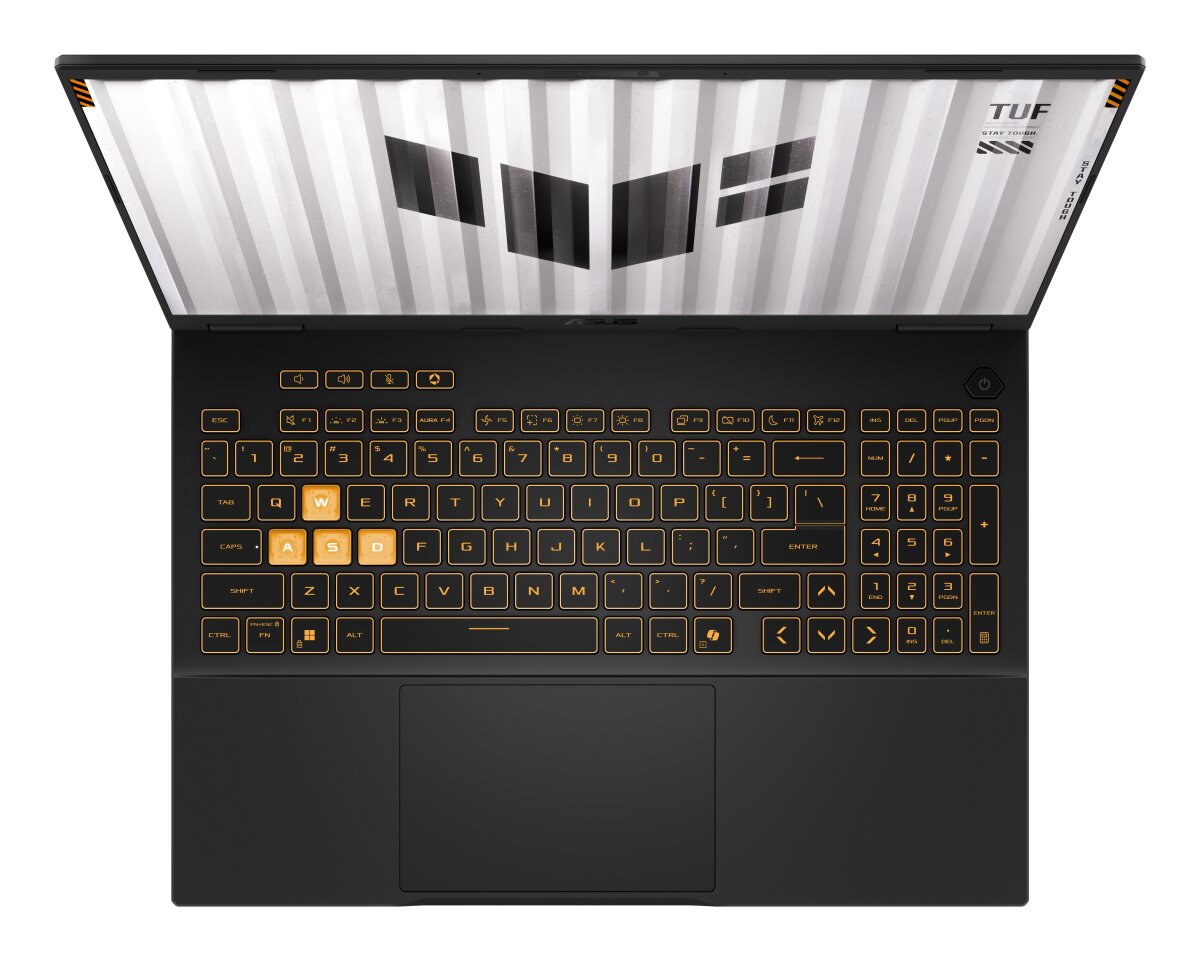
ASUS TUF Gaming F16 series model FX608JHR-RV027W-Gaming supports DDR5-SDRAM memory upgrade configuration. The laptop features 2x SO-DIMM slots for memory expansion with maximum RAM capacity of 64 GB. Compatible memory modules operate at 5600 MHz frequency and utilize SO-DIMM form factor. Specifications indicate dual-slot architecture enabling users to upgrade memory capacity on the ASUS TUF Gaming F16 series gaming laptop platform.
Memory Upgrade Specifications
| Specification | Value |
|---|---|
| Memory slots | 2x SO-DIMM |
| Form factor | SO-DIMM |
| Memory type | DDR5-SDRAM |
| Frequency | 5600 MHz |
| Maximum RAM | 64 GB |
| Voltage | 1.1V |
| Number of pins | 262-pin |
| Interface | PC5 |
| PC Speed Rating | PC5-5600 (PC5-44800) |
| Bandwidth | 44.8 GB/s |
Additional Notes
- The ASUS TUF Gaming FX608JHR-RV027W-Gaming accepts DDR5 modules exclusively, rendering all DDR4 inventory incompatible due to different notch positions and voltage requirements.
- Both memory channels must be populated with identical specifications to maintain dual-channel operation, as asymmetric configurations force single-channel mode and halve theoretical bandwidth.
- JEDEC-standard DDR5 modules at 4800 MHz will operate below the supported 5600 MHz threshold unless XMP 3.0 or EXPO profiles exist and receive BIOS activation.
- Maximum capacity requires 2 modules of 32 GB each, but mixing densities across slots degrades interleaving efficiency and may prevent POST in specific BIOS revisions.
- SO-DIMM physical dimensions mandate modules without tall heat spreaders, as gaming laptop chassis clearances between DIMM slots and bottom covers typically range between 6 and 8 millimeters.
- DDR5 on-die ECC operates transparently at the DRAM level but differs from server-grade ECC that reports correctable errors to the operating system.
- Frequency headroom above 5600 MHz depends on CPU memory controller capabilities and thermal conditions, as sustained heat exposure beyond 85 degrees Celsius triggers throttling protections.
- Warranty preservation requires manufacturer-approved memory upgrades, though most OEMs permit user-replaceable SO-DIMMs without seal violations if bottom panel access screws remain OEM-torqued.
- Non-binary capacities such as 24 GB or 48 GB configurations remain achievable but sacrifice rank symmetry benefits that optimize command scheduling across channels.
- DDR5 voltage regulation occurs on the module rather than motherboard, so incompatible PMIC firmware can cause training failures invisible to standard diagnostic tools.