ASUS TUF Gaming FX608JHR-RV055-Gaming RAM upgrade specifications


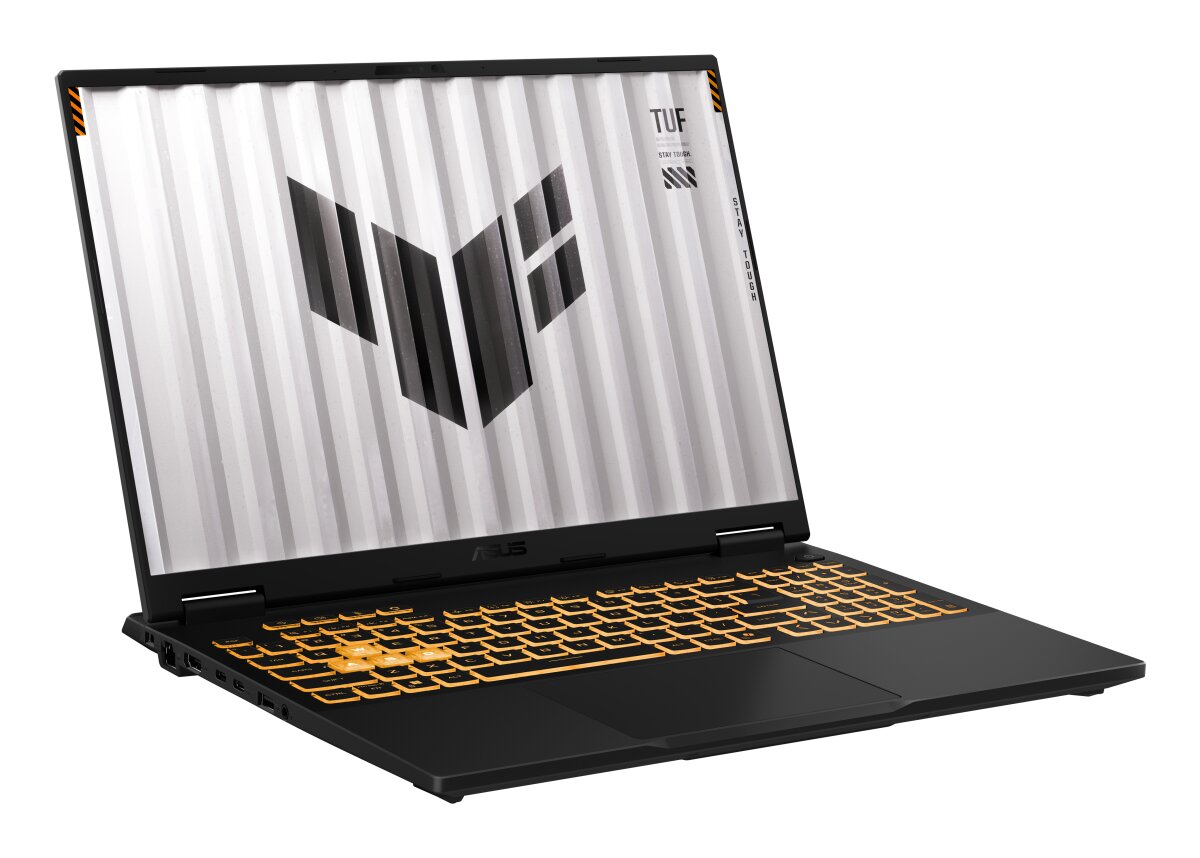

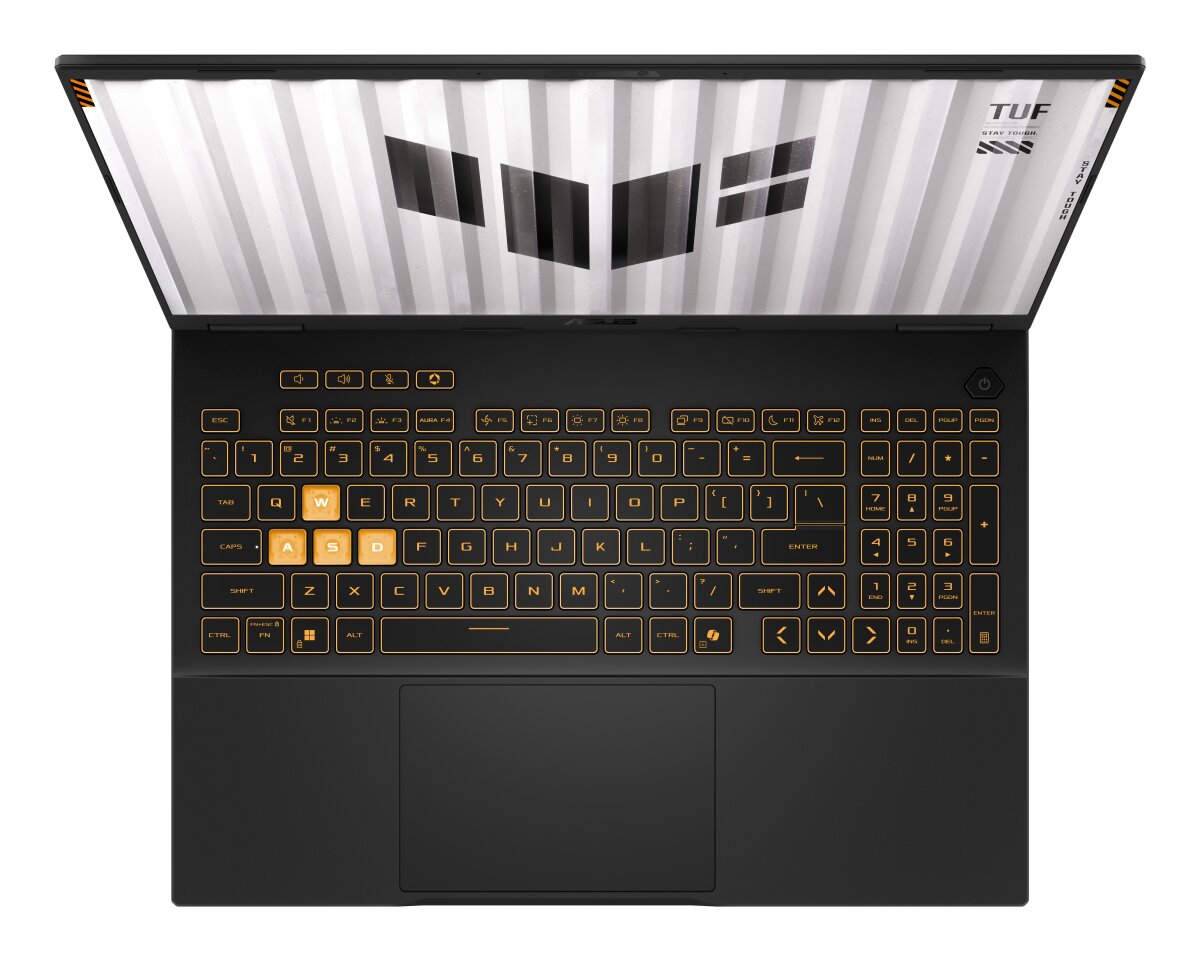
ASUS TUF Gaming F16 FX608JHR-RV055-Gaming laptop features DDR5-SDRAM memory upgrade specifications with two SO-DIMM slots supporting maximum capacity of 64 GB RAM. Compatible memory modules operate at 5600 MHz frequency. Each slot accommodates SO-DIMM form factor modules, enabling users to expand system memory for enhanced multitasking and gaming performance capabilities.
Memory Upgrade Specifications
| Specification | Value |
|---|---|
| Memory slots | 2x SO-DIMM |
| Form factor | SO-DIMM |
| Memory type | DDR5-SDRAM |
| Frequency | 5600 MHz |
| Maximum RAM | 64 GB |
| Voltage | 1.1V |
| Number of pins | 262-pin |
| Interface | PC5 |
| PC Speed Rating | PC5-5600 (PC5-44800) |
| Bandwidth | 44.8 GB/s |
Additional Notes
- The ASUS TUF Gaming FX608JHR-RV055-Gaming supports DDR5 modules exclusively, preventing the use of any DDR4 SO-DIMMs due to incompatible pin configurations and voltage requirements.
- The 64 GB maximum capacity constraint indicates that each slot accepts up to 32 GB modules, limiting single-slot configurations to half the total supported capacity.
- DDR5-5600 operates at 1.1V nominal voltage compared to DDR4's 1.2V, requiring modules specifically designed for lower power consumption to function properly.
- Installing non-matching capacity modules across the two slots will disable dual-channel memory interleaving for the unpaired portion, reducing bandwidth for that segment.
- The 5600 MHz frequency specification represents the JEDEC standard speed for this platform, though higher-rated modules will downclock to this speed if installed.
- DDR5's on-die ECC operates independently of system-level error correction, providing internal data integrity without requiring ECC SO-DIMMs.
- The SO-DIMM form factor measures 69.6 mm in length, physically incompatible with standard 133.35 mm DIMM slots found in desktop systems.
- Memory upgrades require access to the bottom panel, where slots are typically located beneath a service cover secured by multiple screws.
- Installing modules rated below 5600 MHz will force the memory controller to operate at the lower module speed, creating a performance bottleneck.
- DDR5 modules incorporate power management ICs directly on each stick, eliminating the motherboard-based voltage regulation used in DDR4 systems.
- Mixing modules from different manufacturers may cause stability issues during XMP profile application, even when speed and capacity match.
- The dual-channel configuration provides 89.6 GB/s theoretical bandwidth at 5600 MHz, assuming both slots contain identical modules.
- Warranty preservation typically requires avoiding force during module insertion, ensuring the retention clips engage fully without bending.
- Single-rank versus dual-rank module architecture affects performance differently in DDR5 compared to DDR4, with rank interleaving behavior varying by capacity.