ASUS TUF Gaming FX608JM-RV073-GAMING RAM upgrade specifications


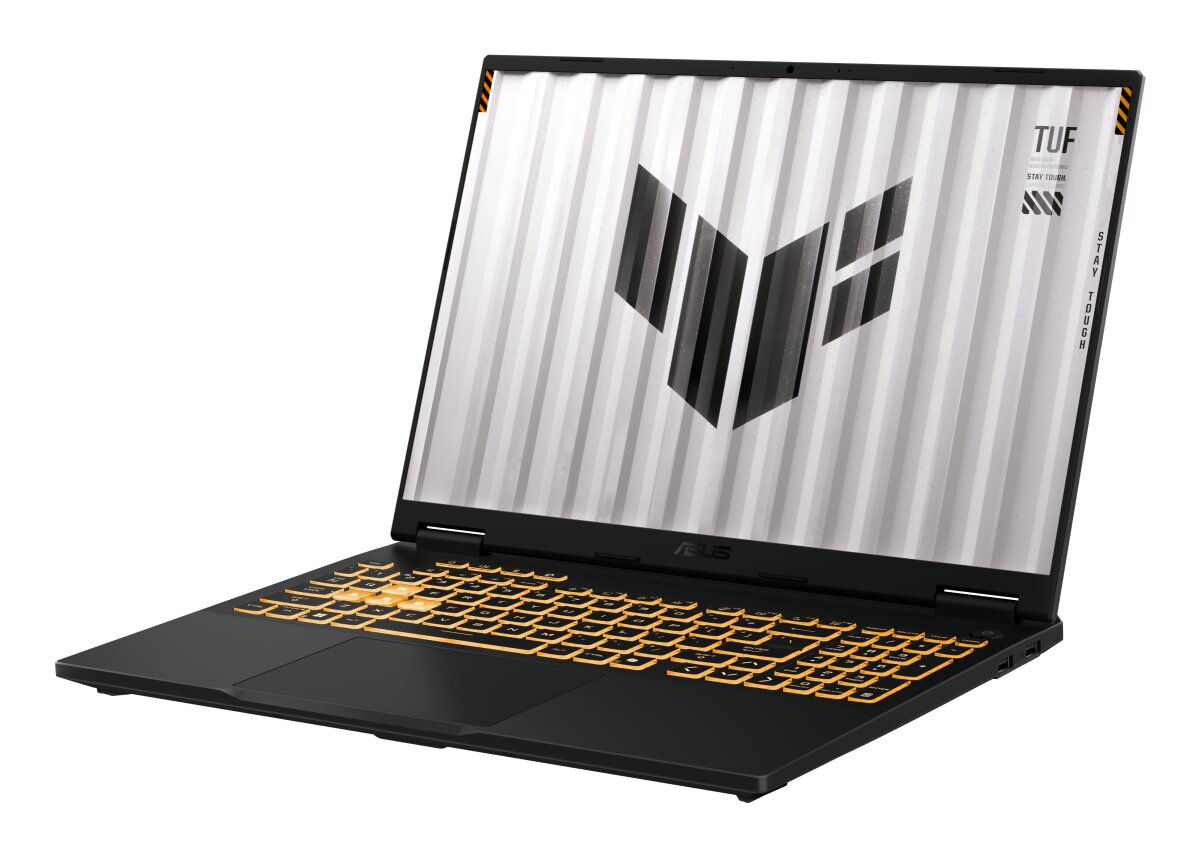
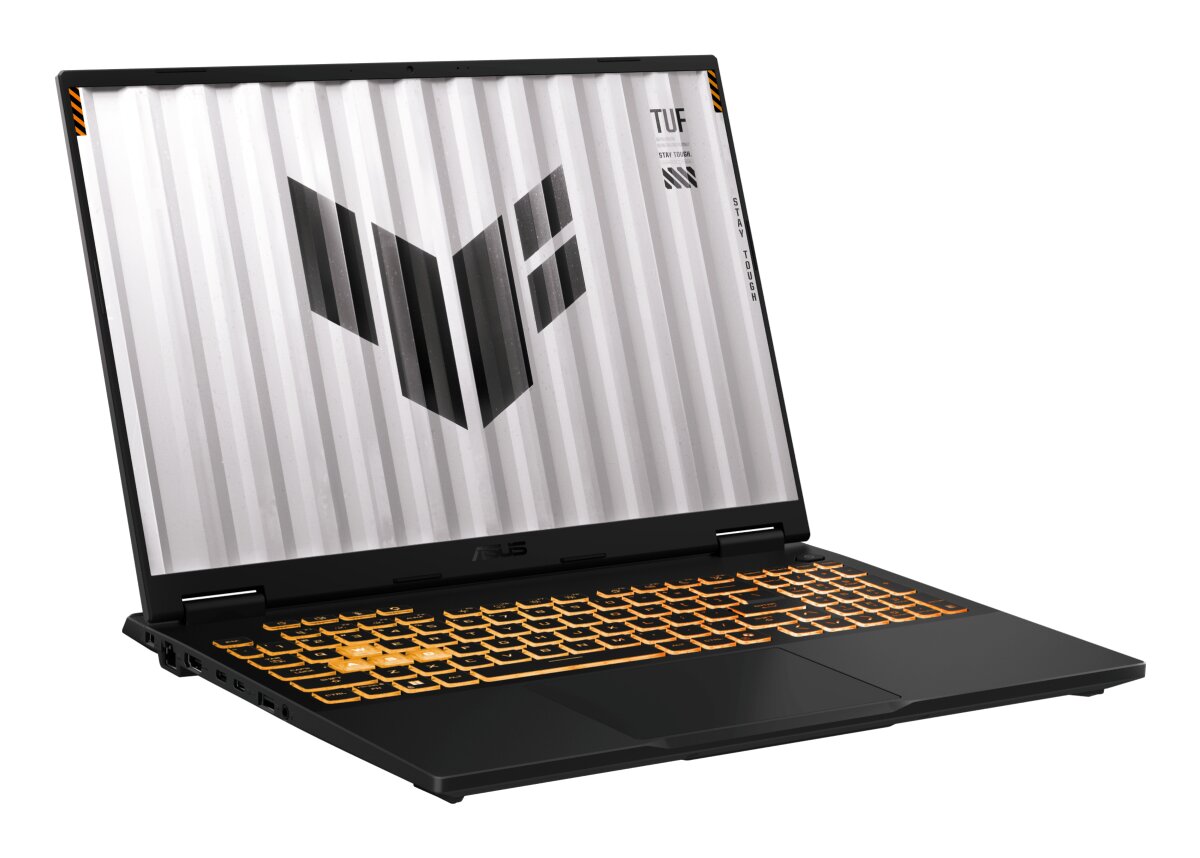
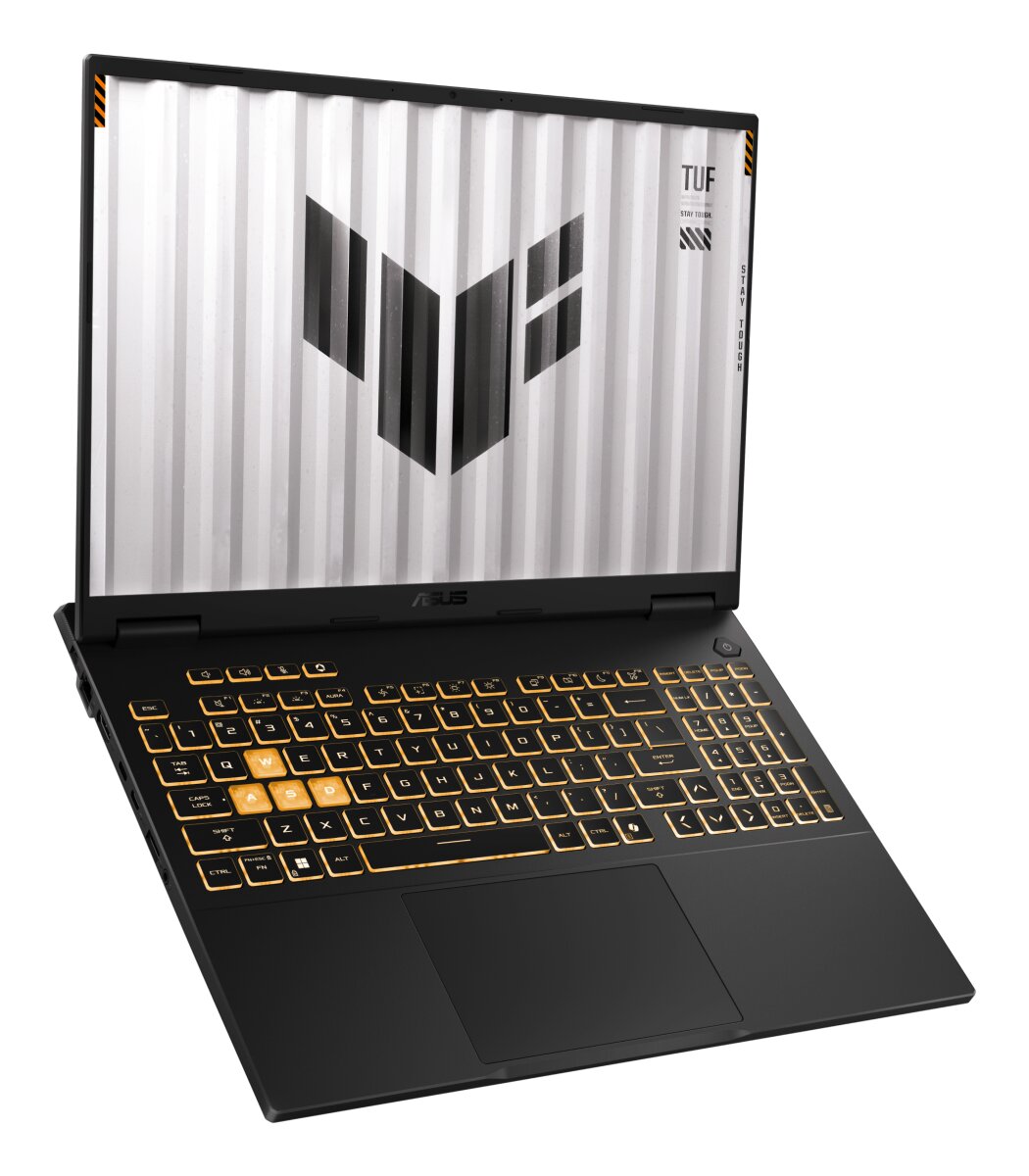
ASUS TUF Gaming F16 series FX608JM-RV073-GAMING laptop contains 2x SO-DIMM slots for DDR5-SDRAM memory upgrade. Maximum capacity reaches 64 GB total with DDR5-5600 MHz specifications. Compatible memory modules utilize SO-DIMM form factor, supporting DDR5 technology. Upgrade slots accommodate dual memory configuration for enhanced RAM capacity and system performance on gaming configurations.
Memory Upgrade Specifications
| Specification | Value |
|---|---|
| Memory slots | 2x SO-DIMM |
| Form factor | SO-DIMM |
| Memory type | DDR5-SDRAM |
| Frequency | 5600 MHz |
| Maximum RAM | 64 GB |
| Voltage | 1.1V |
| Number of pins | 262-pin |
| Interface | PC5 |
| PC Speed Rating | PC5-5600 (PC5-44800) |
| Bandwidth | 44.8 GB/s |
Additional Notes
- The ASUS TUF Gaming FX608JM-RV073-GAMING supports DDR5 memory operating at 5600 MHz, which constrains module selection to DDR5-specific SO-DIMM components; DDR4 memory remains physically and electrically incompatible with this platform.
- SO-DIMM form factor indicates notebook deployment, which limits upgrade accessibility compared to desktop systems and requires manual removal of bottom panels or keyboard assemblies depending on internal layout; warranty compliance depends on following manufacturer disassembly protocols.
- The 2-slot configuration with a 64 GB ceiling restricts upgrade capacity to maximum 32 GB modules per slot; mixed-capacity configurations (such as 16 GB plus 32 GB) function within JEDEC specifications but may reduce bandwidth efficiency through asymmetric population.
- DDR5-5600 operation introduces voltage specifications (typically 1.25 volts) that differ from previous DDR4 standards; modules rated for lower frequencies (DDR5-4800 or DDR5-5200) may post successfully but will downclock to native JEDEC speeds rather than the platform's rated frequency, reducing bandwidth availability.
- Single-channel population (one populated slot with the second empty) halves effective memory bandwidth compared to dual-channel operation; populated dual-slot configurations restore full bandwidth utilization for memory-intensive workloads.
- Latency characteristics of DDR5-5600 modules (typically 28-30 cycles) compound memory controller overhead; gaming and content creation workflows may experience CPU cache pressure if module timing values exceed 32 cycles.