ASUS TUF Gaming FX608JM-RV077W-GAMING RAM upgrade specifications
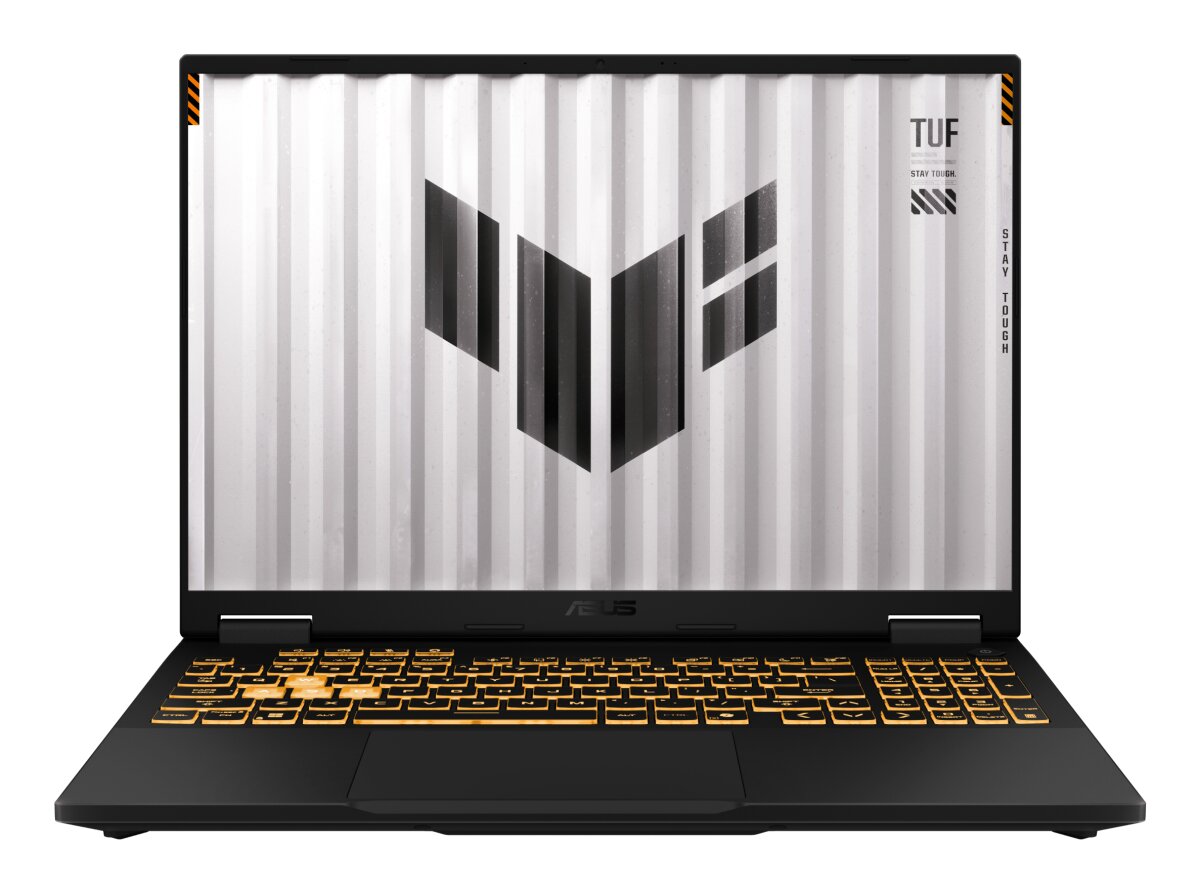

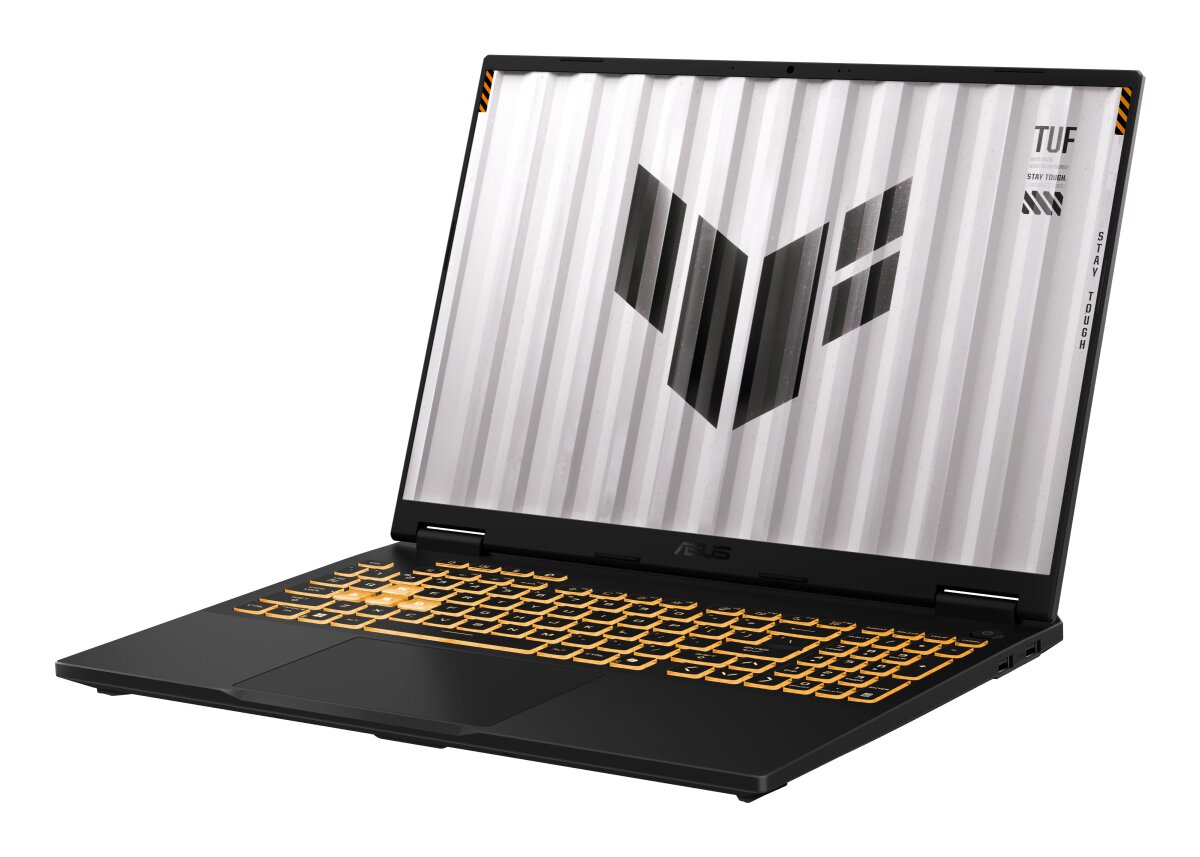
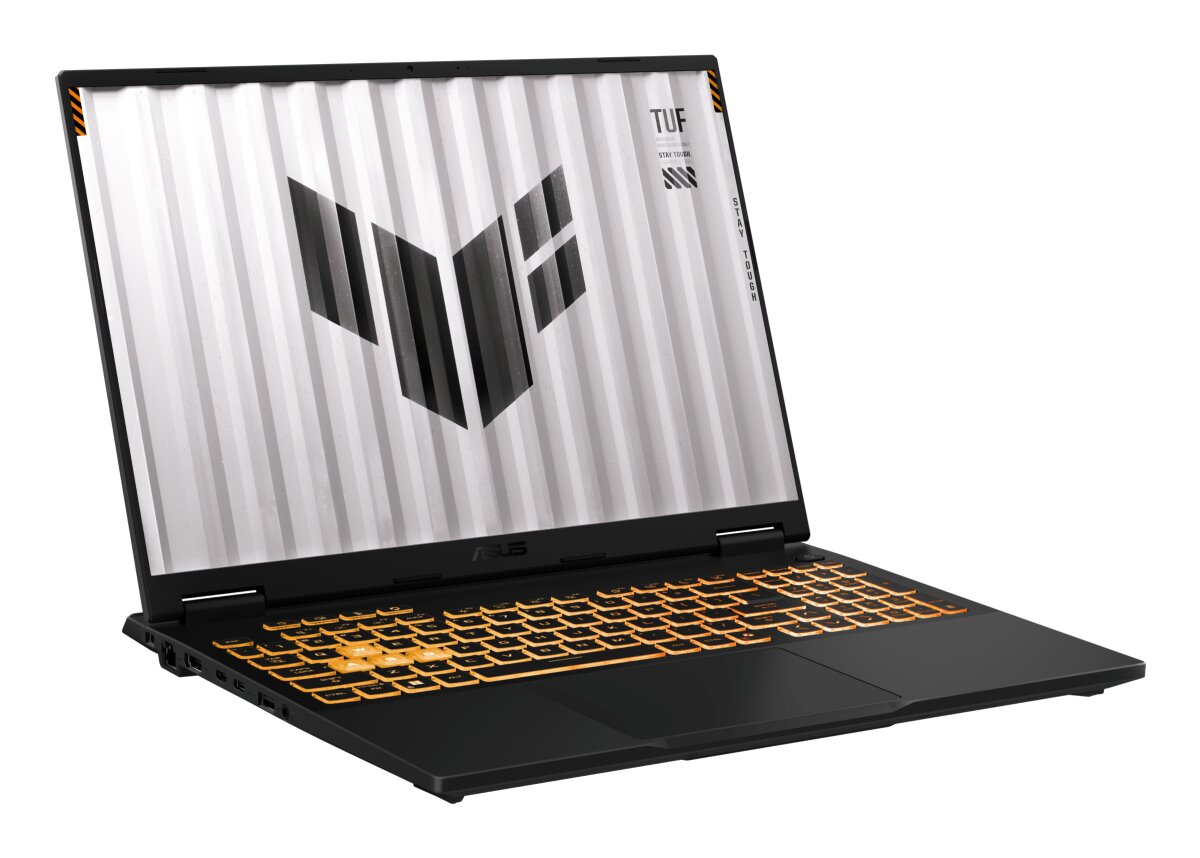
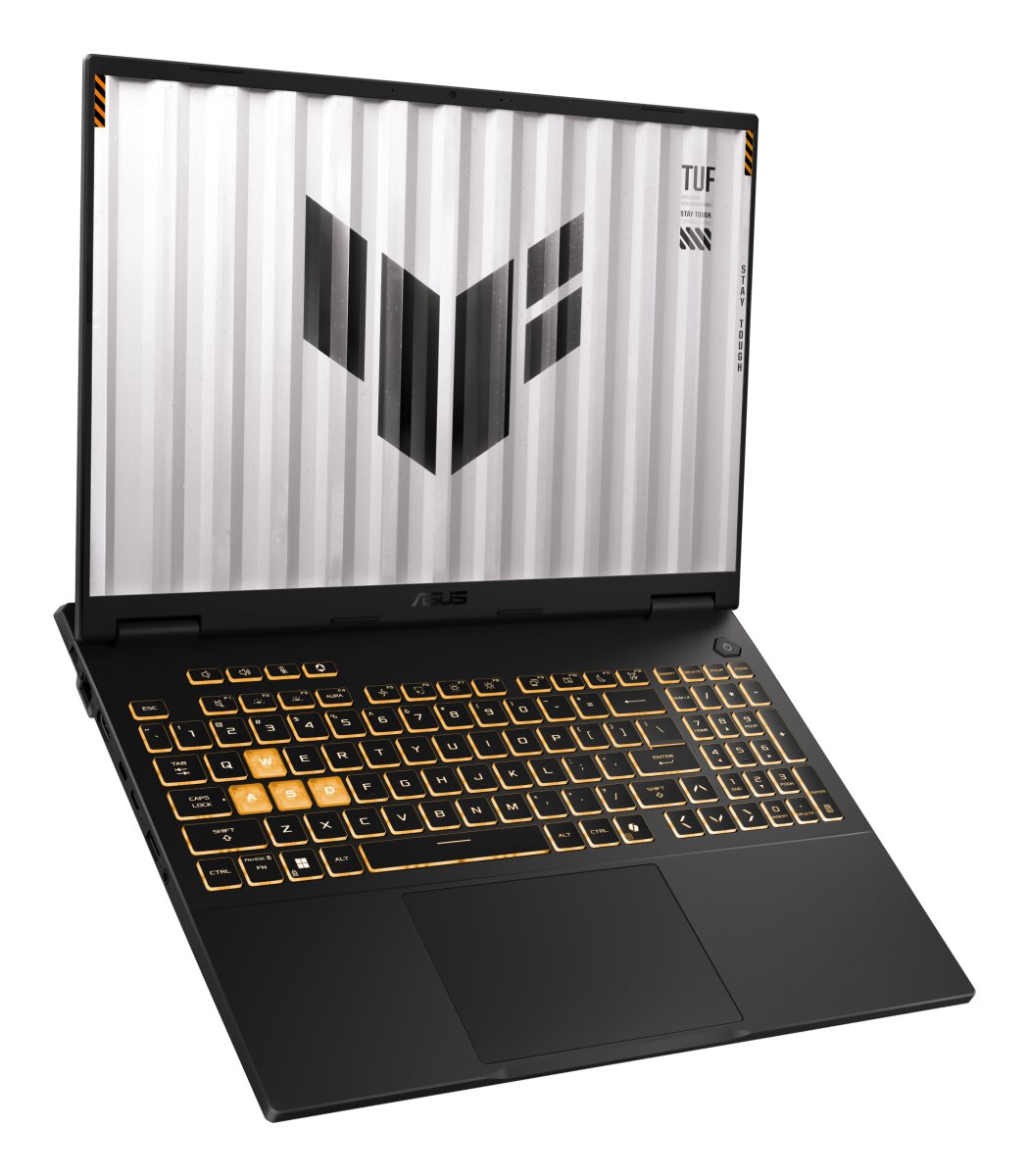
ASUS TUF Gaming F16 FX608JM-RV077W-GAMING laptop memory upgrade specifications include two SO-DIMM slots supporting DDR5-SDRAM technology. Maximum RAM capacity reaches 64 GB with compatible memory modules operating at 5600 MHz frequency. The upgrade supports standard SO-DIMM form factor memory modules, enabling users to expand system memory beyond factory-installed configurations for enhanced multitasking and performance capabilities.
Memory Upgrade Specifications
| Specification | Value |
|---|---|
| Memory slots | 2x SO-DIMM |
| Form factor | SO-DIMM |
| Memory type | DDR5-SDRAM |
| Frequency | 5600 MHz |
| Maximum RAM | 64 GB |
| Voltage | 1.1V |
| Number of pins | 262-pin |
| Interface | PC5 |
| PC Speed Rating | PC5-5600 (PC5-44800) |
| Bandwidth | 44.8 GB/s |
Additional Notes
- The ASUS TUF Gaming FX608JM-RV077W-GAMING supports dual-channel memory architecture, which requires matched pairs for optimal bandwidth utilization of 89.6 GB/s theoretical throughput per channel.
- DDR5 modules operate at 1.1V compared to DDR4's 1.2V, reducing thermal output but requiring compatible motherboard firmware to manage on-die ECC and refresh management functions.
- The 64 GB ceiling translates to 32 GB modules per slot, which may require BIOS updates released after the original manufacture date to ensure stability with high-density configurations.
- 5600 MHz represents JEDEC standard speed for DDR5, meaning faster XMP/EXPO modules will typically downclock to this native frequency unless the system firmware explicitly supports overclocking profiles.
- SO-DIMM form factor installation requires accessing the bottom panel, where warranty seals may be present depending on regional regulations and purchase location.
- Mixed-capacity configurations maintain functionality but force the memory controller into flex mode asymmetric operation, which can introduce minor latency penalties in specific workloads.
- DDR5's increased prefetch buffer (16n vs DDR4's 8n) improves sequential access patterns but shows minimal advantage in latency-sensitive applications compared to equivalent-speed DDR4.
- The platform likely uses soldered CPU connections, meaning memory speed becomes the primary bandwidth variable for integrated graphics performance if present.
- Thermal considerations become relevant above 32 GB total capacity, as higher-density modules generate more heat in confined laptop chassis compared to 16 GB equivalents at identical frequencies.