ASUS TUF Gaming FX608JMR-74B56CS1 RAM upgrade specifications


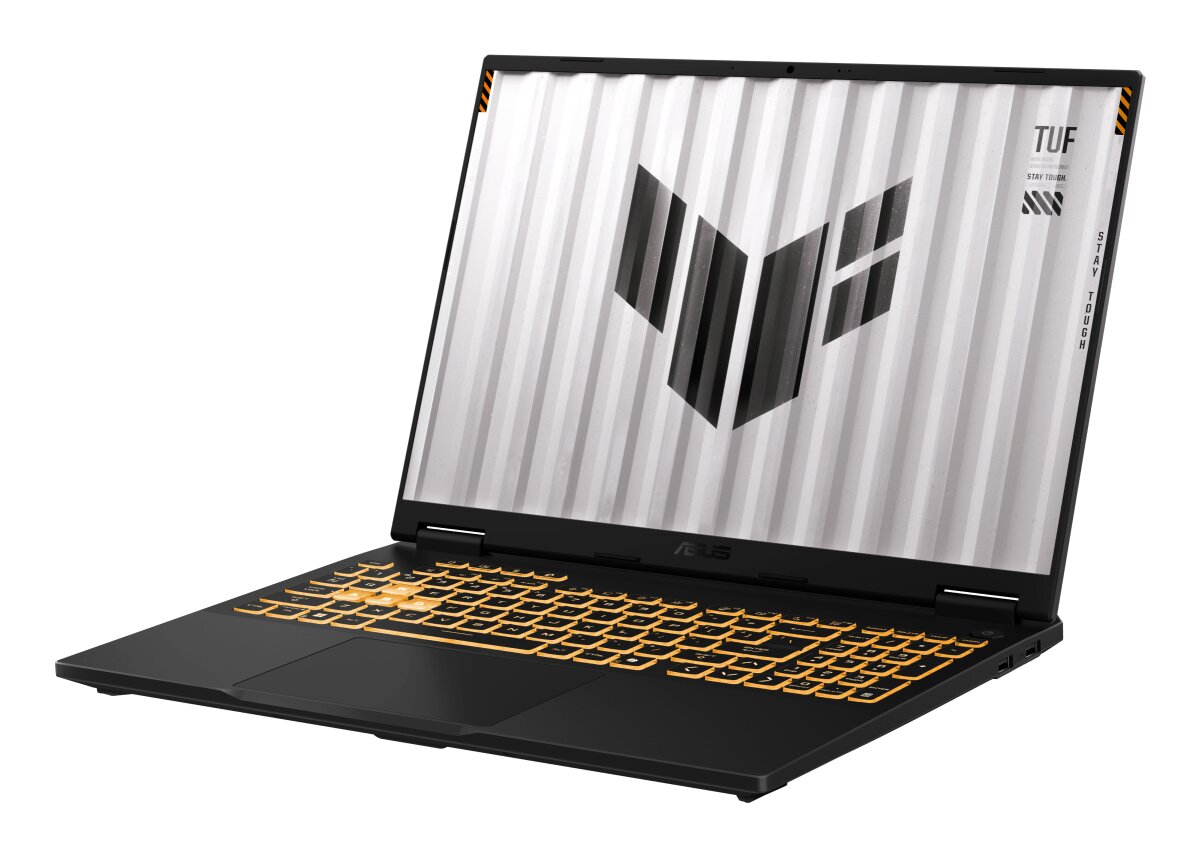
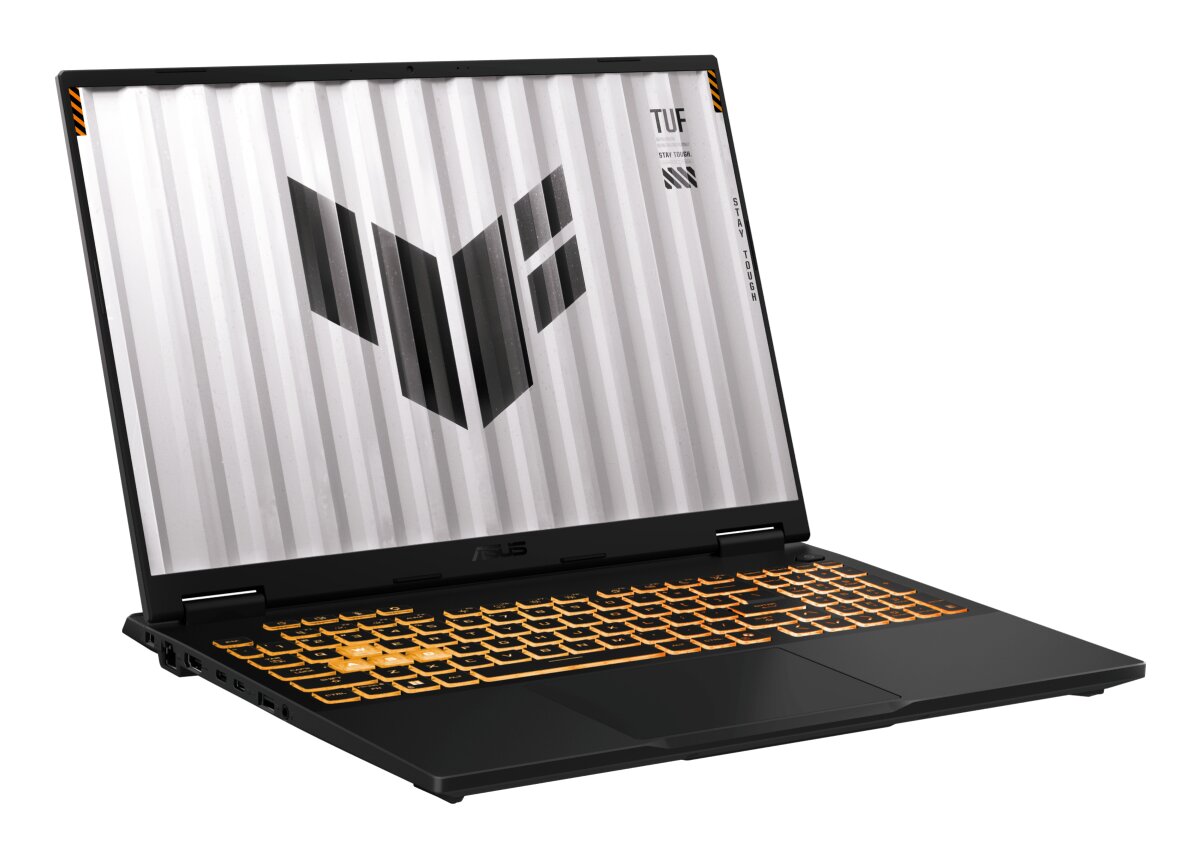
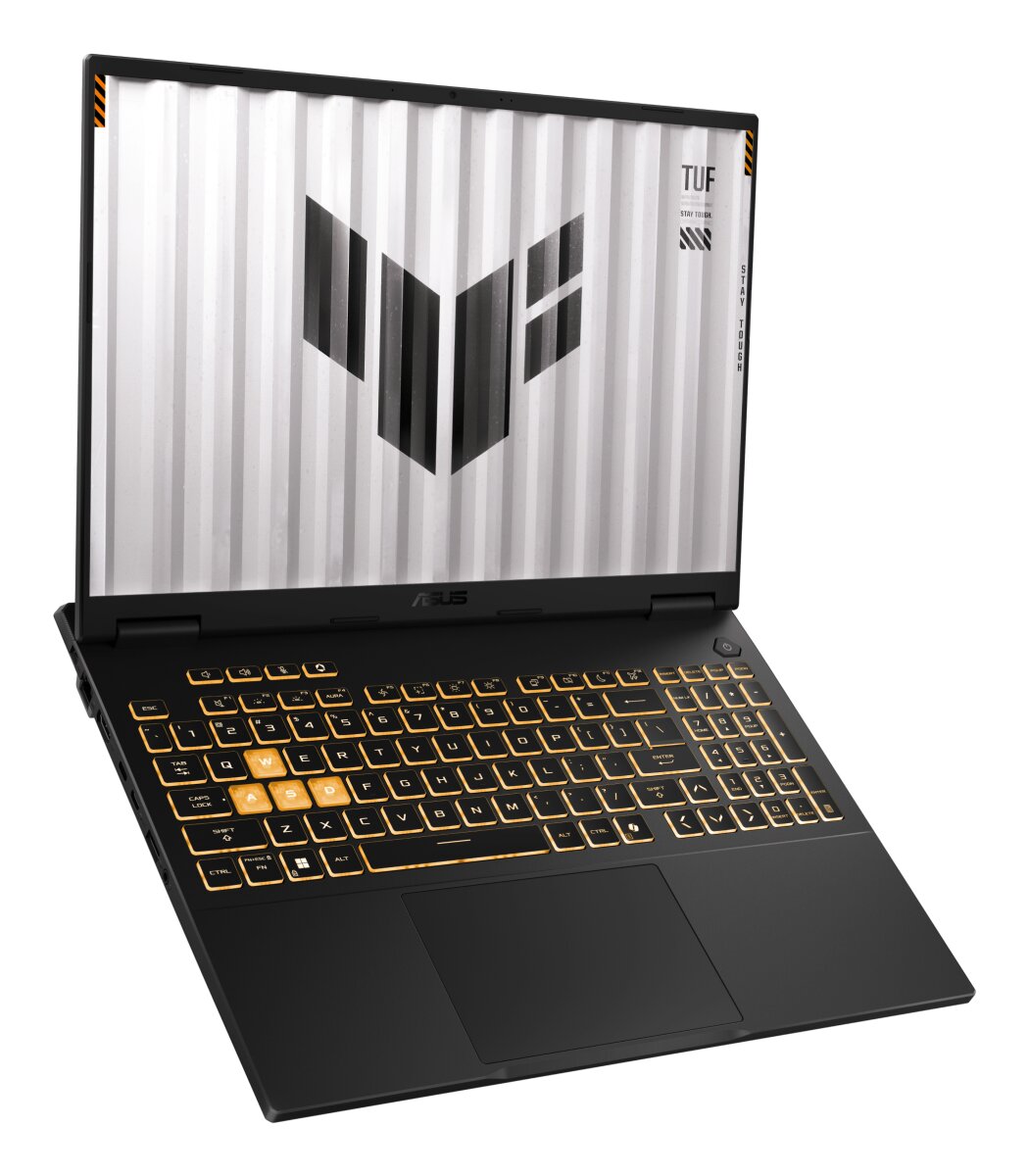
ASUS TUF Gaming F16 series FX608JMR-74B56CS1 laptop features DDR5-SDRAM memory upgrade specifications with two SO-DIMM slots supporting maximum capacity of 64 GB RAM. Compatible memory operates at 5600 MHz frequency. Upgrade specifications enable expansion of existing memory configuration through utilization of available SO-DIMM slots to reach maximum supported capacity for enhanced performance and multitasking capabilities.
Memory Upgrade Specifications
| Specification | Value |
|---|---|
| Memory slots | 2x SO-DIMM |
| Form factor | SO-DIMM |
| Memory type | DDR5-SDRAM |
| Frequency | 5600 MHz |
| Maximum RAM | 64 GB |
| Voltage | 1.1V |
| Number of pins | 262-pin |
| Interface | PC5 |
| PC Speed Rating | PC5-5600 (PC5-44800) |
| Bandwidth | 44.8 GB/s |
Additional Notes
- The ASUS TUF Gaming FX608JMR-74B56CS1 operates with DDR5 memory, which requires replacement modules specifically rated for DDR5 operation; DDR4 modules are physically incompatible due to differing notch positions and will not seat in the SO-DIMM slots.
- SO-DIMM form factor restricts upgrade options to laptop-specific modules; standard desktop DDR5 UDIMM modules cannot be installed regardless of capacity or speed ratings.
- The 5600 MHz native frequency establishes a performance ceiling; memory modules rated above 5600 MHz will operate at this lower frequency due to JEDEC standard limitations, resulting in no performance gain from higher-speed purchases.
- Dual SO-DIMM slot configuration allows maximum 64 GB capacity using 2x32 GB modules; single-slot upgrades leave theoretical maximum headroom unrealized.
- Asymmetrical memory population (mismatched module capacities or speeds) may trigger BIOS warnings or force both modules to operate at the lower-rated frequency, creating performance degradation in the higher-capacity module.
- Warranty coverage for memory upgrades typically remains valid only when modules meet manufacturer-approved specifications; purchasing from third-party retailers without official qualification listings introduces risk of warranty voidance if compatibility issues arise.
- Thermal headroom in the SO-DIMM slots is constrained by notebook chassis design; DDR5 modules with tall heat spreaders may contact internal components or create installation conflicts when both slots are populated simultaneously.