ASUS TUF Gaming FX608JM-RV075-GAMING RAM upgrade specifications


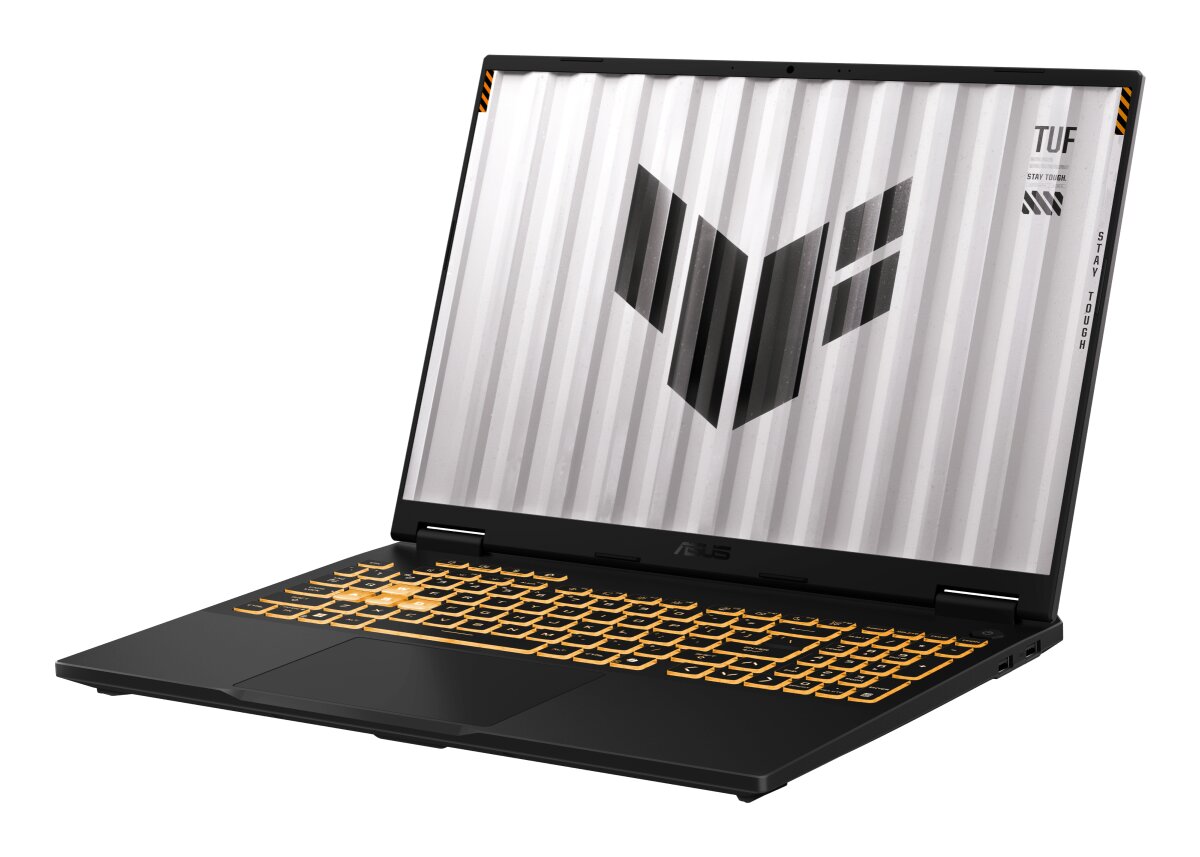
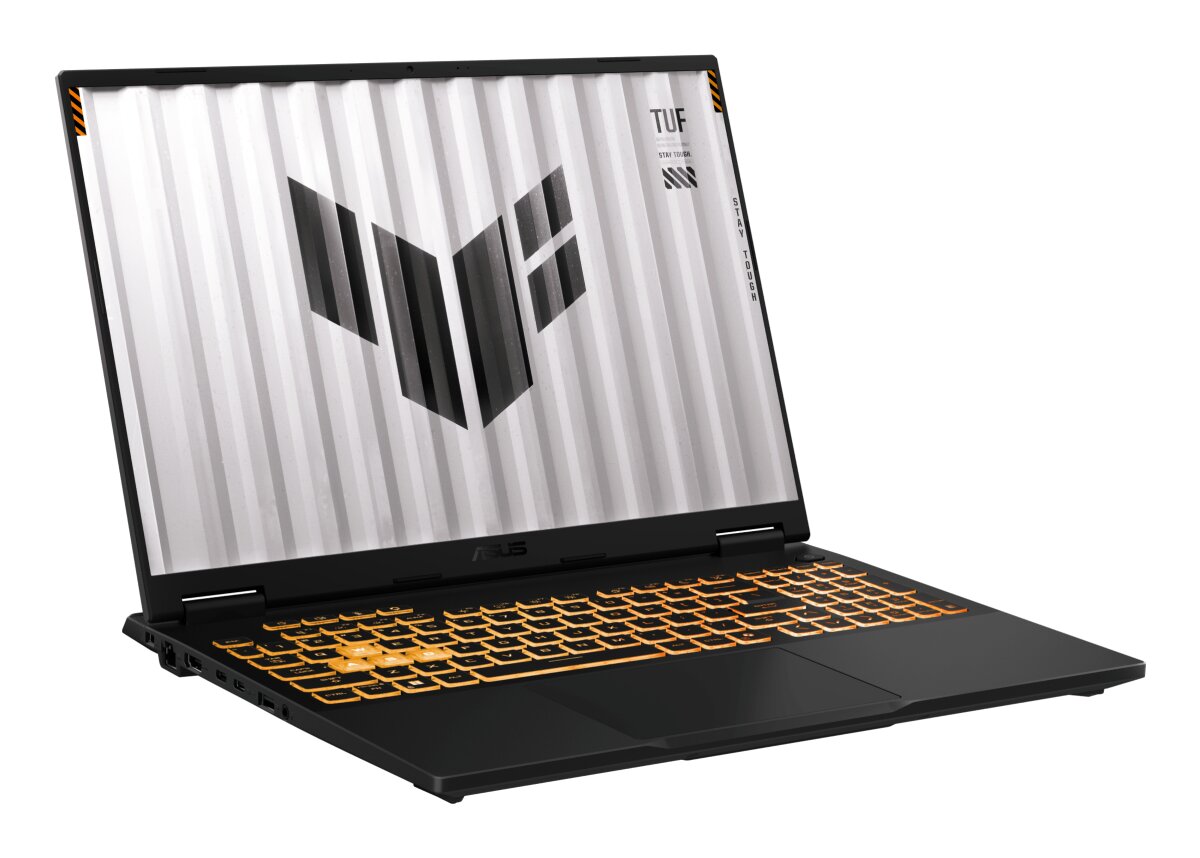
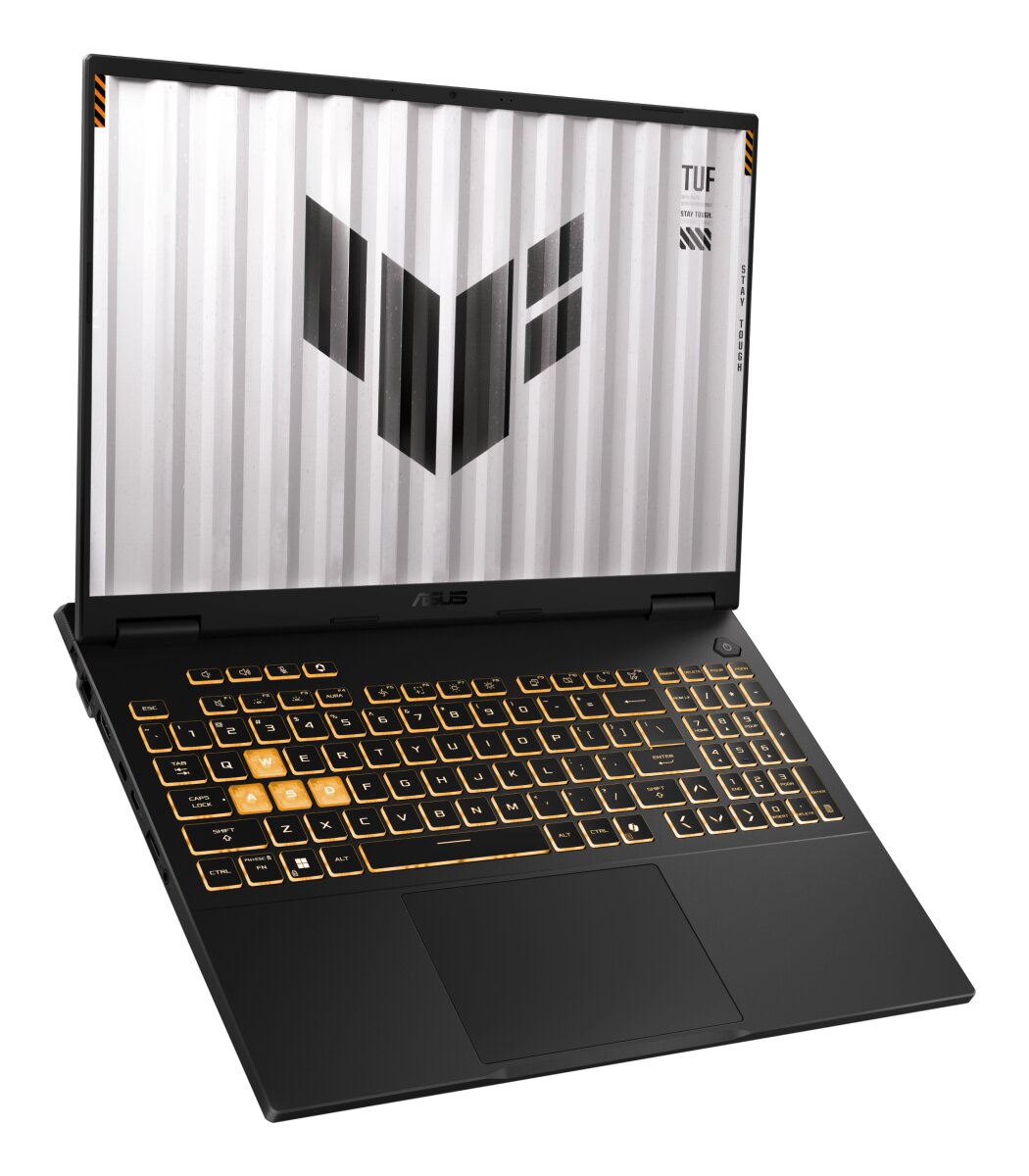
ASUS TUF Gaming F16 model FX608JM-RV075-GAMING features DDR5-SDRAM memory upgrade specifications with two SO-DIMM slots supporting maximum capacity of 64 GB. Compatible RAM operates at 5600 MHz frequency. Upgrade slots accommodate SO-DIMM form factor memory modules. Specifications indicate maximum RAM installation potential through dual memory slot configuration.
Memory Upgrade Specifications
| Specification | Value |
|---|---|
| Memory slots | 2x SO-DIMM |
| Form factor | SO-DIMM |
| Memory type | DDR5-SDRAM |
| Frequency | 5600 MHz |
| Maximum RAM | 64 GB |
| Voltage | 1.1V |
| Number of pins | 262-pin |
| Interface | PC5 |
| PC Speed Rating | PC5-5600 (PC5-44800) |
| Bandwidth | 44.8 GB/s |
Additional Notes
- The ASUS TUF Gaming FX608JM-RV075-GAMING supports DDR5 modules exclusively, preventing the use of any DDR4 memory due to incompatible voltage requirements and physical notch positions.
- With both SO-DIMM slots available for upgrades, achieving the 64 GB ceiling requires two 32 GB modules, as single-module configurations cap at 32 GB total capacity.
- The 5600 MHz native frequency operates through JEDEC standards rather than overclocking profiles, ensuring stable operation without BIOS adjustments or XMP/EXPO activation.
- DDR5 architecture introduces on-module voltage regulation, meaning thermal management differs from DDR4 and may influence sustained performance during intensive workloads.
- Mixing modules with different speeds will force all memory to operate at the lowest common frequency, potentially underutilizing modules rated above 5600 MHz.
- The SO-DIMM form factor restricts cooling solutions compared to desktop DIMM modules, making passive heat spreaders the only viable thermal enhancement option.
- Dual-channel bandwidth peaks at 89.6 GB/s when both slots operate symmetrically, but asymmetric configurations reduce theoretical throughput by reverting portions to single-channel mode.
- DDR5-5600 represents a mid-tier speed bin for this generation, offering balanced performance without the stability concerns or power draw associated with higher frequency kits.
- Module compatibility depends on JEDEC compliance rather than brand-specific validation, though manufacturers typically publish qualified vendor lists to minimize POST failures.
- Warranty preservation requires non-destructive installation procedures, with SO-DIMM slots accessible through bottom panel removal rather than keyboard deck disassembly.