ASUS TUF Gaming FX608JM-DS54-CA RAM upgrade specifications
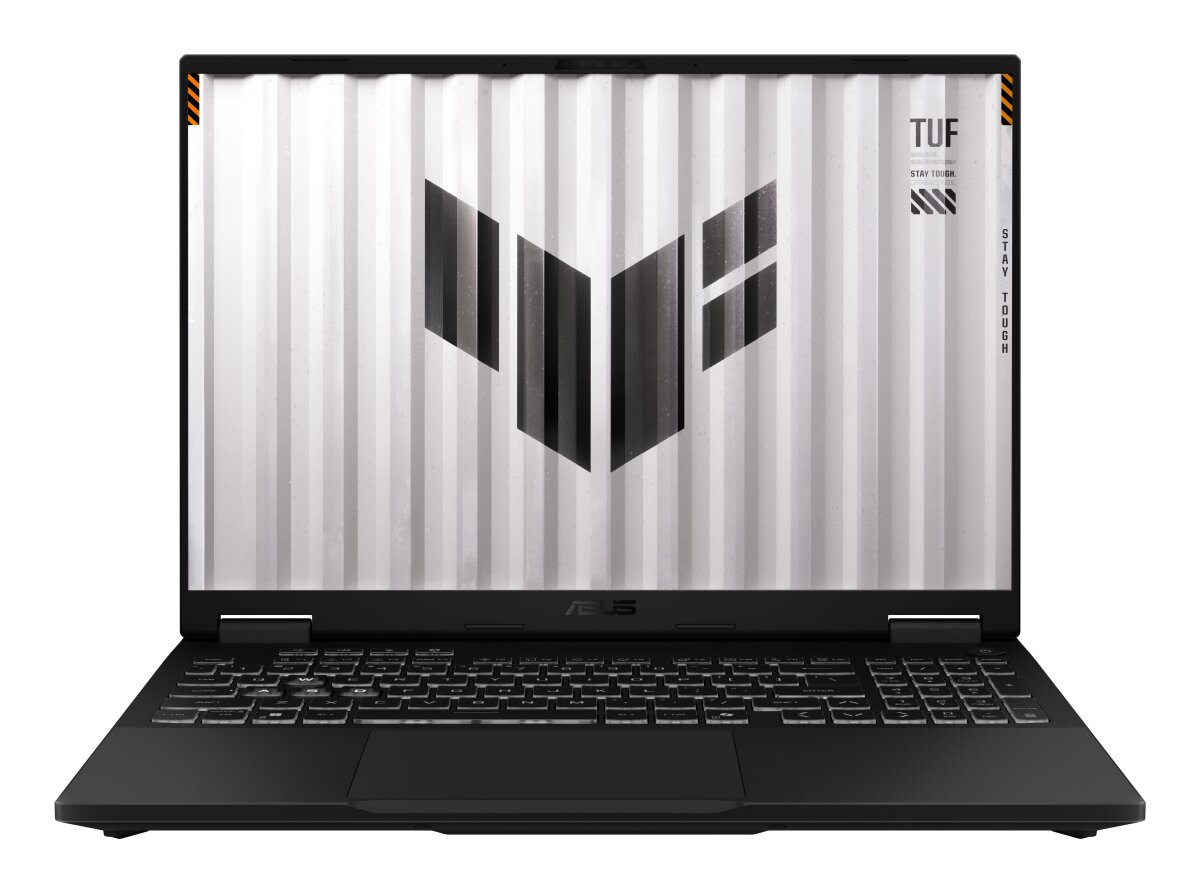
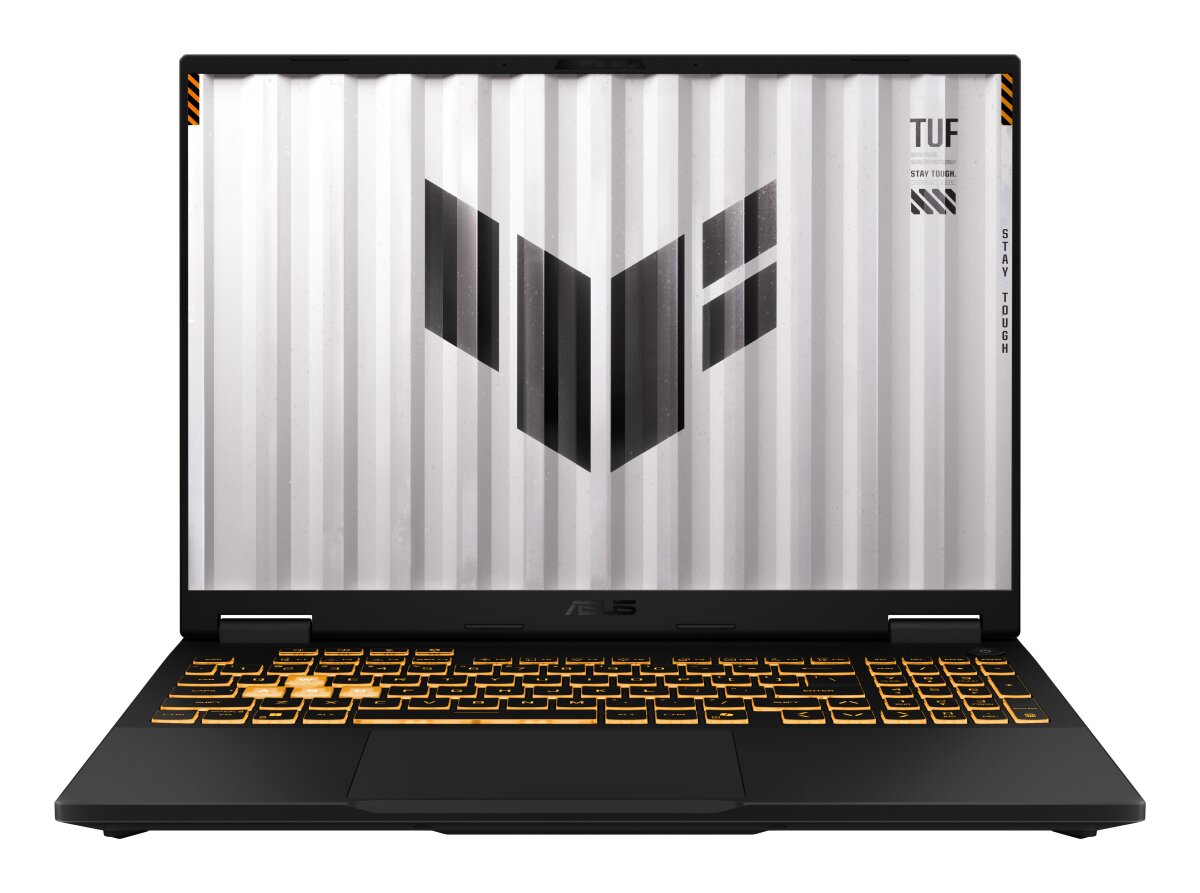
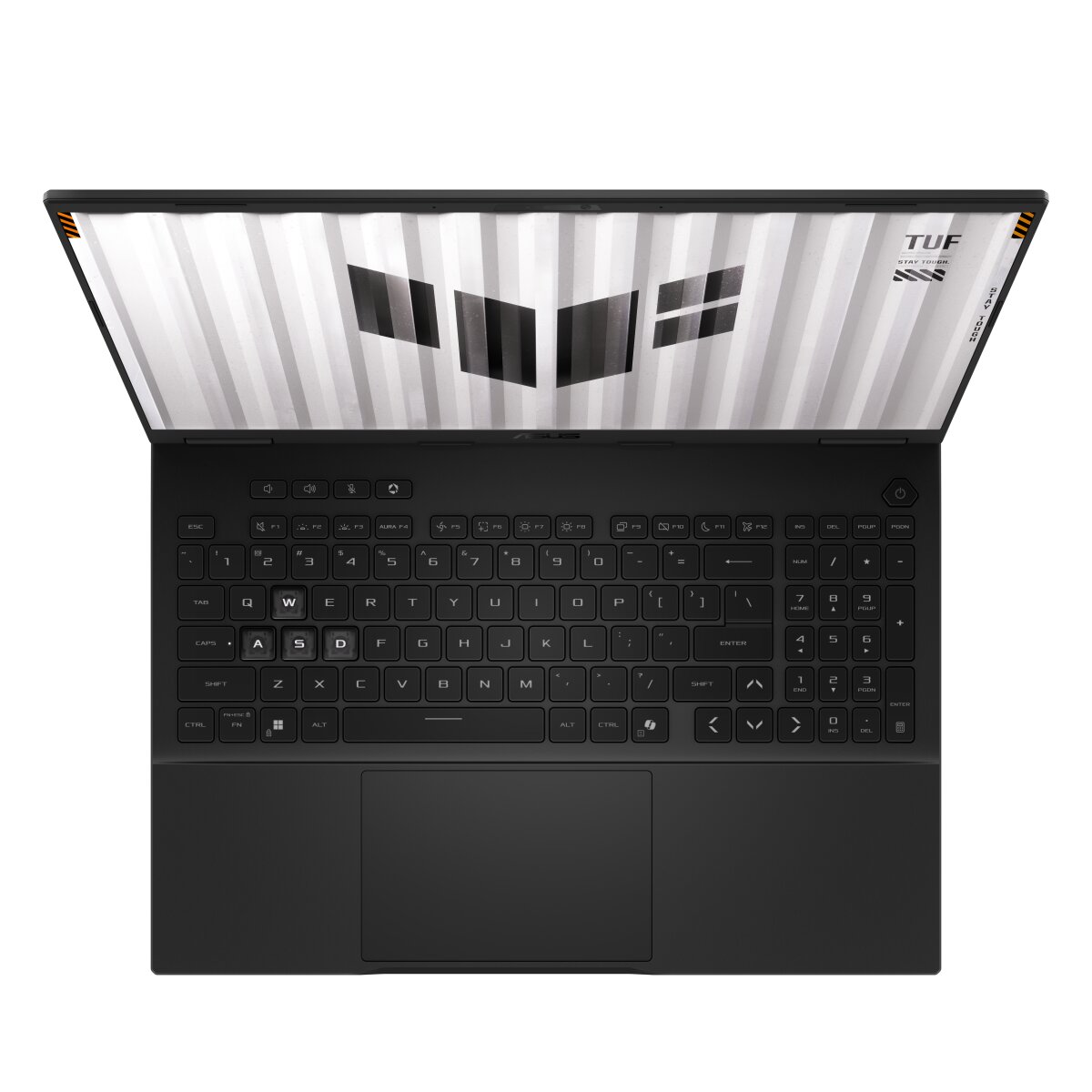
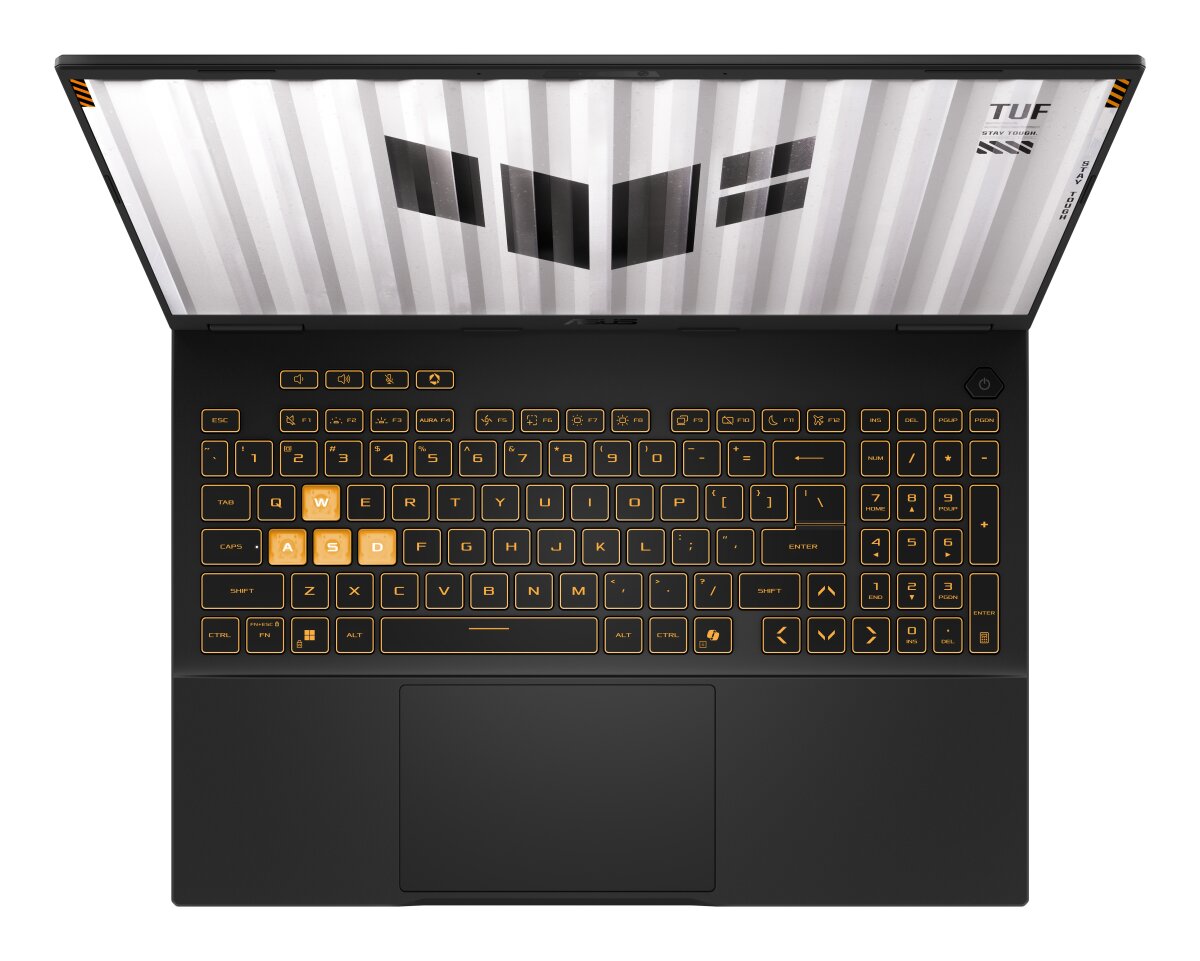
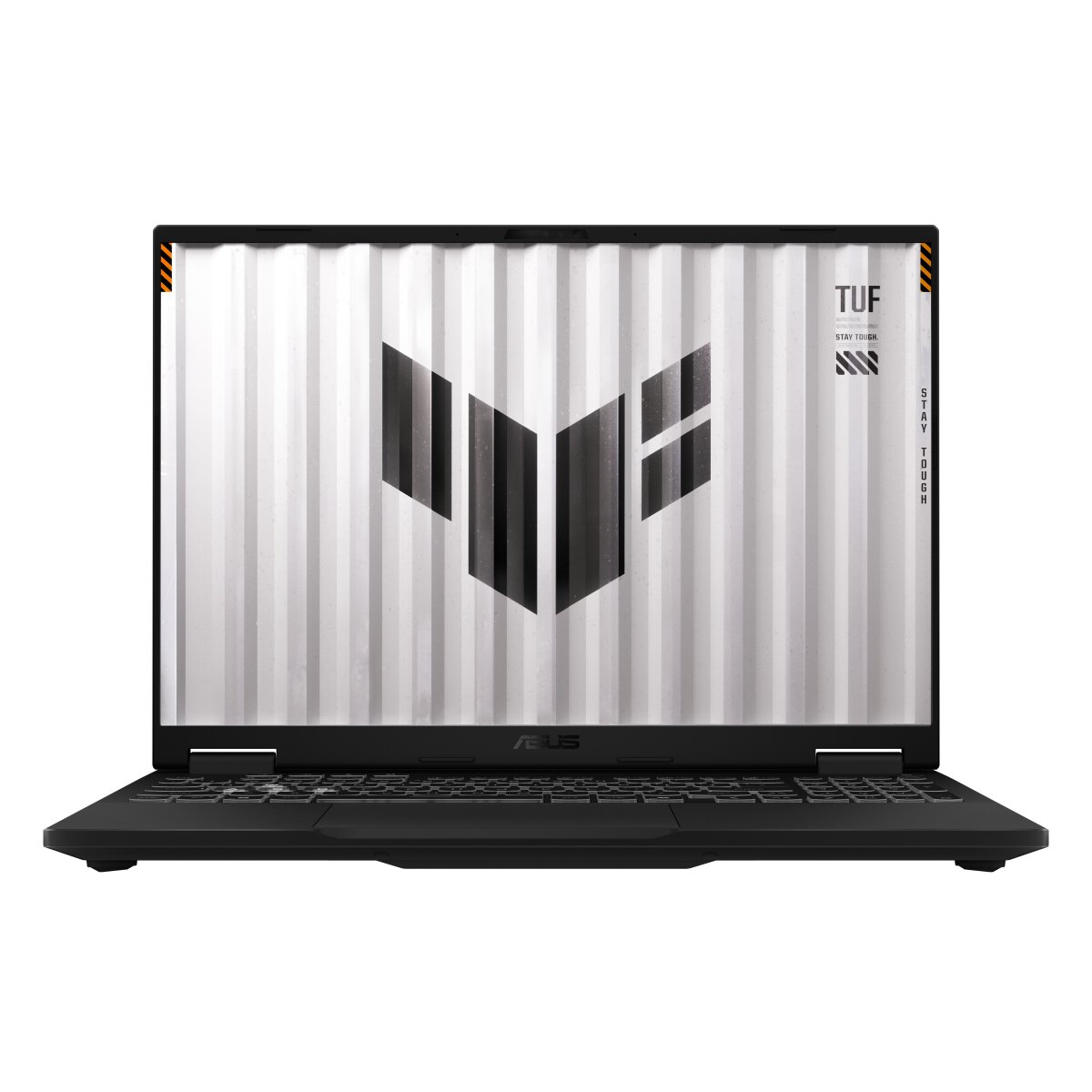
The ASUS TUF Gaming F16 FX608JM-DS54-CA features two SO-DIMM slots for DDR5-SDRAM memory upgrades. The laptop supports maximum RAM capacity of 64 GB with memory operating at 5600 MHz frequencies. Compatible memory modules utilize the SO-DIMM form factor. Specifications indicate upgrade potential through dual memory slots, allowing users to expand RAM capacity beyond factory configurations. The DDR5-SDRAM memory type and 5600 MHz specifications define the compatible memory parameters for this gaming laptop model.
Memory Upgrade Specifications
| Specification | Value |
|---|---|
| Memory slots | 2x SO-DIMM |
| Form factor | SO-DIMM |
| Memory type | DDR5-SDRAM |
| Frequency | 5600 MHz |
| Maximum RAM | 64 GB |
| Voltage | 1.1V |
| Number of pins | 262-pin |
| Interface | PC5 |
| PC Speed Rating | PC5-5600 (PC5-44800) |
| Bandwidth | 44.8 GB/s |
Additional Notes
- The ASUS TUF Gaming FX608JM-DS54-CA uses SO-DIMM slots, which are laptop-specific memory modules incompatible with desktop DDR5 systems. Standard desktop UDIMM modules will not physically fit and cannot be installed in this chassis.
- DDR5-5600 MHz memory operates at manufacturer-standard JEDEC specifications. Non-standard overclocked DDR5 modules rated above 5600 MHz may function but lack guaranteed stability or warranty coverage on this platform.
- The 2-slot configuration allows maximum density of 64 GB only when both SO-DIMM positions are populated with 32 GB modules each. Single-module upgrades limit total capacity to 32 GB unless both slots are ultimately filled.
- DDR5 memory bandwidth (approximately 44.8 GB/s at 5600 MHz) may experience latency constraints if the CPU does not have native DDR5 controller support, potentially creating performance inconsistency between memory speed and actual throughput.
- Upgrading from factory DDR5 configuration to 64 GB requires purchasing matched pairs or verified compatible SO-DIMM modules, as mixing different manufacturers or speeds can trigger BIOS incompatibility or reduced performance on both modules.
- Thermal considerations apply in confined laptop chassis; high-performance DDR5 modules with heat spreaders may contact internal components or WiFi antenna placement, requiring verification of clearance before installation.
- The SO-DIMM slot retention mechanism uses friction-fit clips rather than slot locking; improper seating results in intermittent memory errors that appear random rather than immediately apparent during boot.