ASUS TUF Gaming TUF608JMR-DICQT072W RAM upgrade specifications
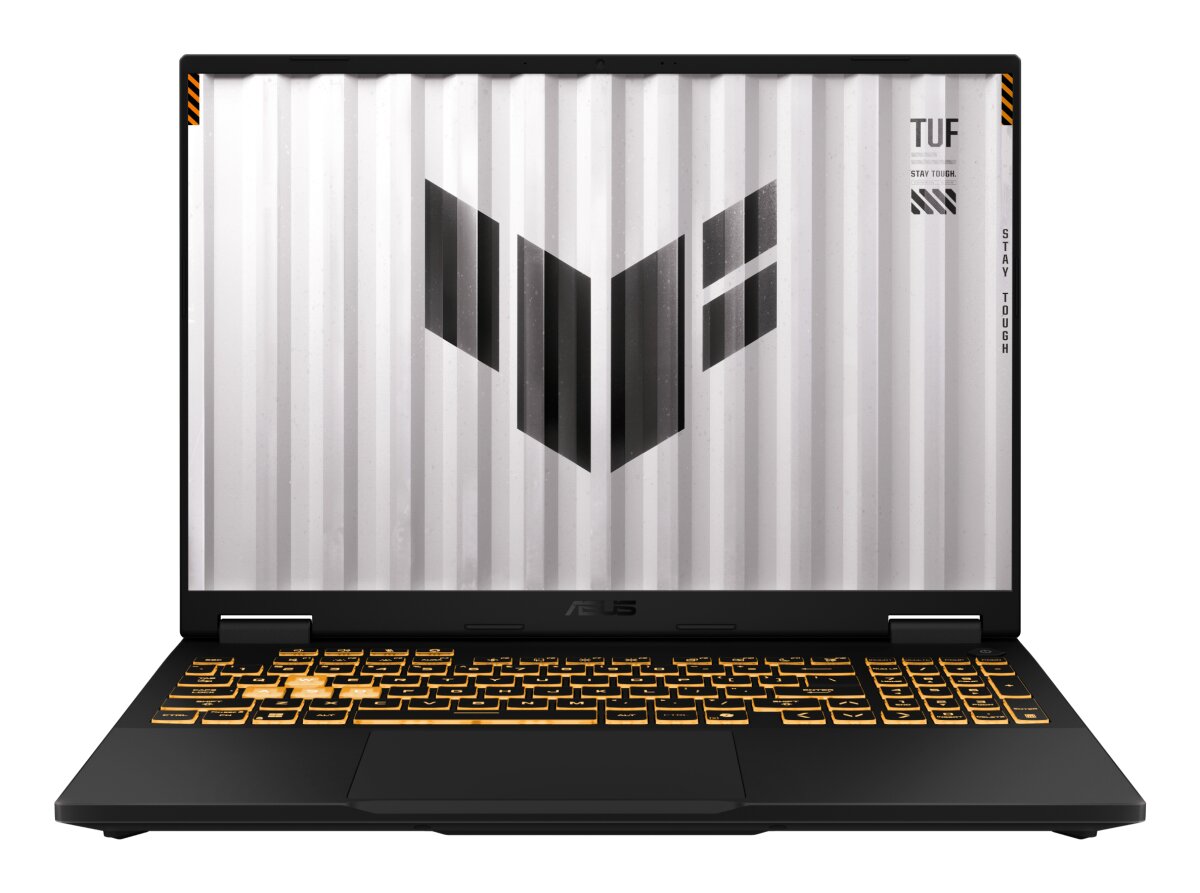

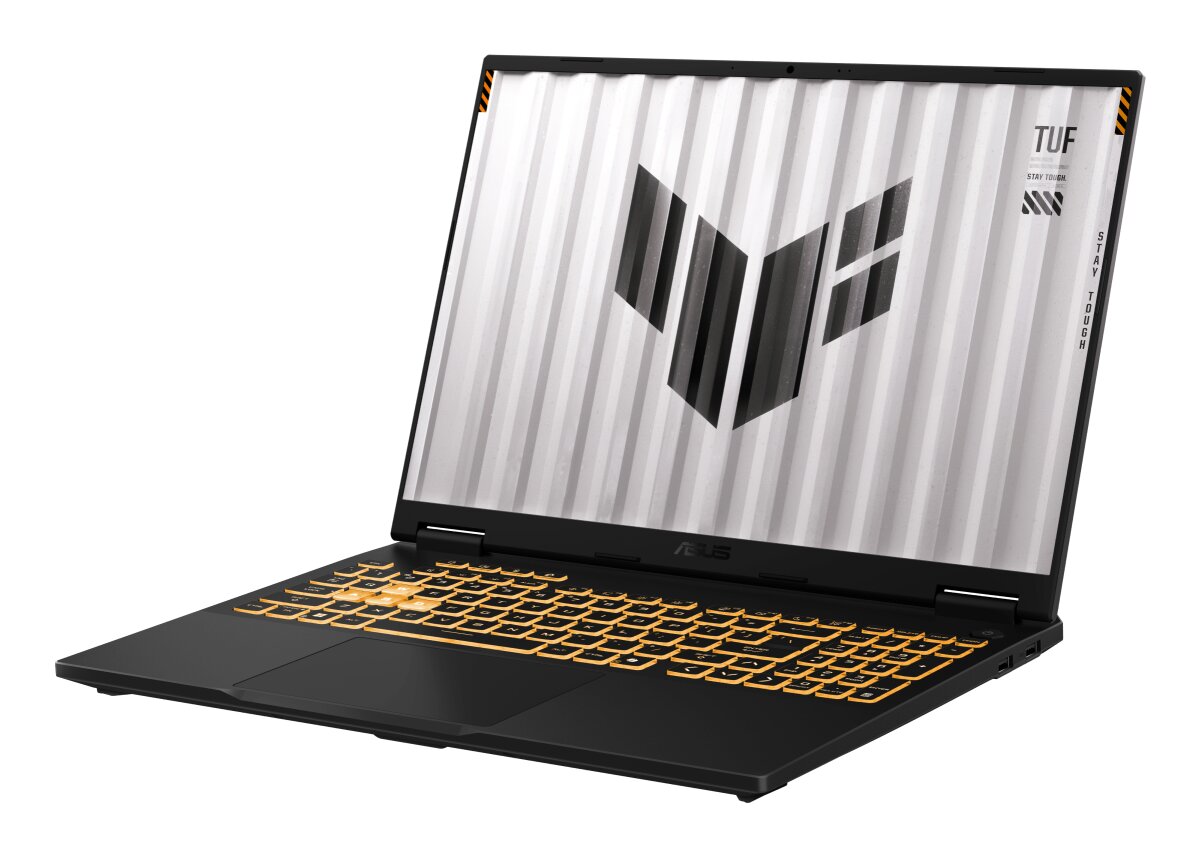
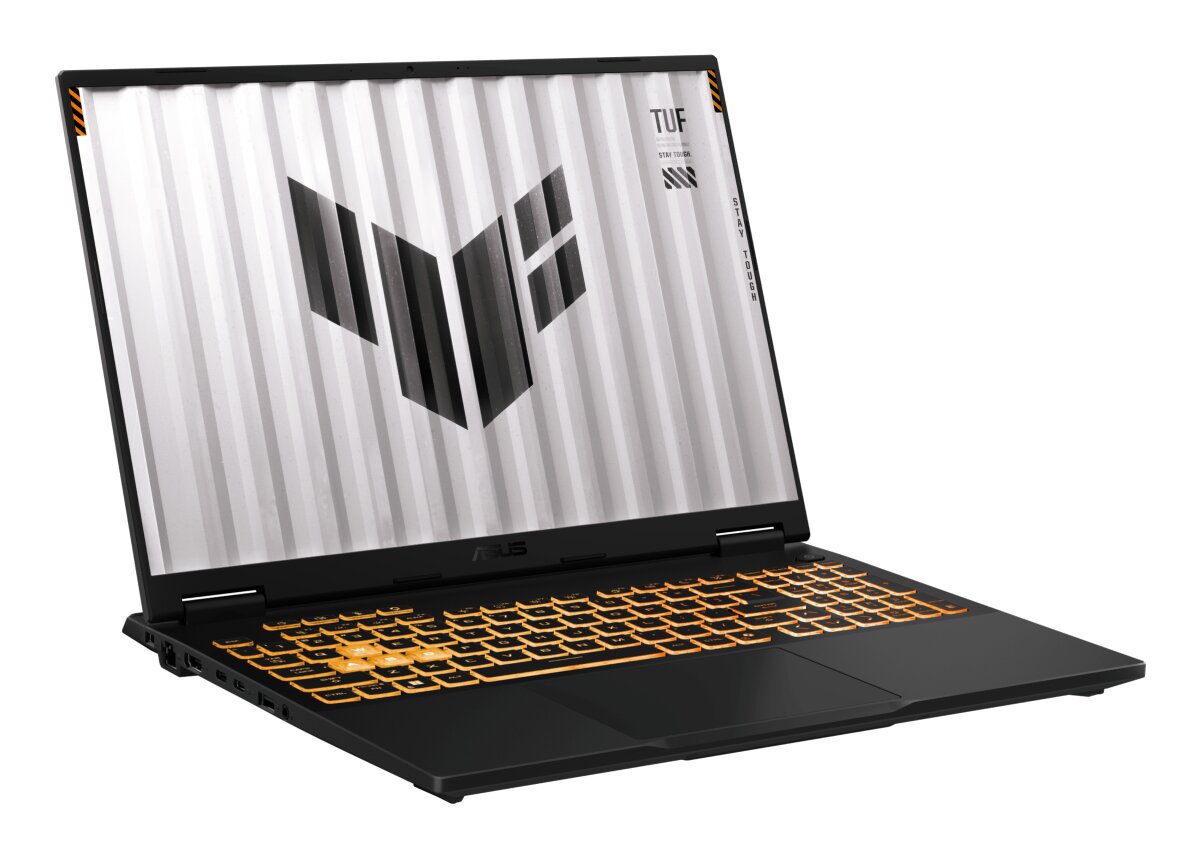
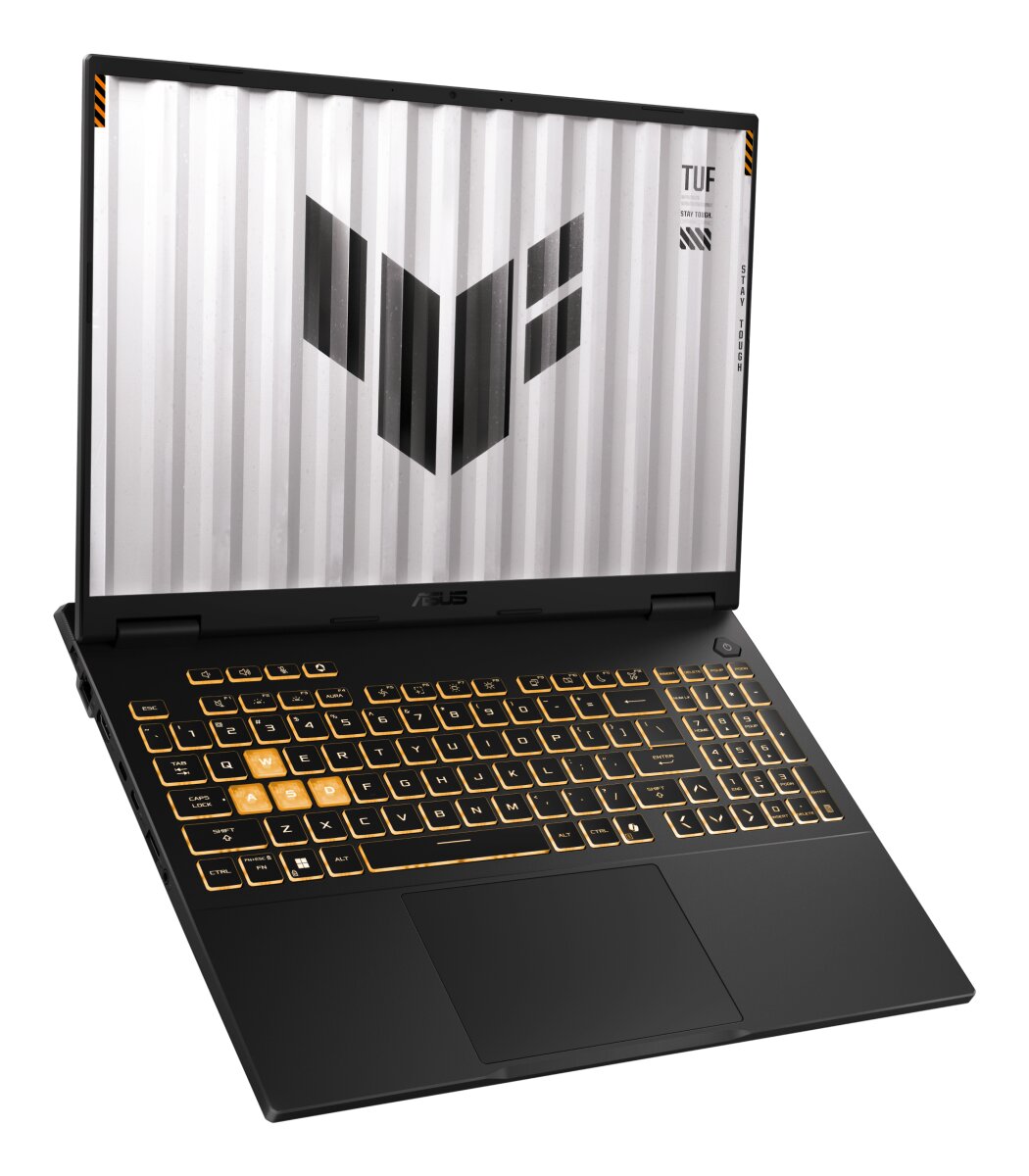
ASUS TUF Gaming F16 series model TUF608JMR-DICQT072W supports DDR5-SDRAM memory upgrades through two SO-DIMM slots. The laptop specifications indicate maximum RAM capacity of 64 GB, with compatible memory operating at 5600 MHz frequency. The upgrade slots accommodate SO-DIMM form factor modules, enabling users to expand the system's memory configuration from its factory-installed capacity to the maximum supported specifications.
Memory Upgrade Specifications
| Specification | Value |
|---|---|
| Memory slots | 2x SO-DIMM |
| Form factor | SO-DIMM |
| Memory type | DDR5-SDRAM |
| Frequency | 5600 MHz |
| Maximum RAM | 64 GB |
| Voltage | 1.1V |
| Number of pins | 262-pin |
| Interface | PC5 |
| PC Speed Rating | PC5-5600 (PC5-44800) |
| Bandwidth | 44.8 GB/s |
Additional Notes
- The DDR5-5600 specification indicates this ASUS TUF Gaming TUF608JMR-DICQT072W operates on JEDEC standard voltage of 1.1V, which is lower than DDR4's 1.2V and reduces thermal output during extended gaming sessions.
- The 5600 MHz frequency represents the effective data rate, while the actual memory clock runs at 2800 MHz due to DDR5's double data rate architecture transferring data on both clock edges.
- Dual SO-DIMM configuration enables dual-channel memory operation, which doubles the theoretical memory bandwidth to 89.6 GB/s compared to single-channel mode at 44.8 GB/s.
- The 64 GB maximum capacity constraint stems from chipset limitations rather than slot count, meaning each SO-DIMM slot supports up to 32 GB modules when using compatible dual-rank memory.
- DDR5 modules incorporate on-die ECC that automatically corrects single-bit errors within the memory chip, separate from traditional ECC that would require chipset and processor support.
- Mixing memory modules with different speeds will force all modules to operate at the lowest common frequency, potentially downclocking 5600 MHz modules if paired with slower variants.
- DDR5 SO-DIMM physical keying differs from DDR4 through a shifted notch position, making cross-generation installation physically impossible and preventing accidental incompatible module insertion.
- The SO-DIMM form factor measures 67.6 mm in length compared to standard DIMM's 133.35 mm, reflecting space constraints in laptop chassis design.
- Memory upgrades maintain manufacturer warranty validity as RAM modules are classified as customer-replaceable units, unlike soldered components that void warranty when tampered with.
- Achieving the full 5600 MHz speed requires both modules to be identical in specification, as mismatched latency timings can cause stability issues or force the system to adopt conservative timing profiles.
- DDR5's improved bank grouping architecture with 32 banks per module compared to DDR4's 16 banks reduces latency penalties during simultaneous memory access operations common in gaming workloads.
- The transition from DDR4 to DDR5 requires different power delivery as DDR5 moved voltage regulation from the motherboard to the memory module itself through an integrated PMIC chip.