ASUS TUF Gaming TUF608JMR-RV038 RAM upgrade specifications
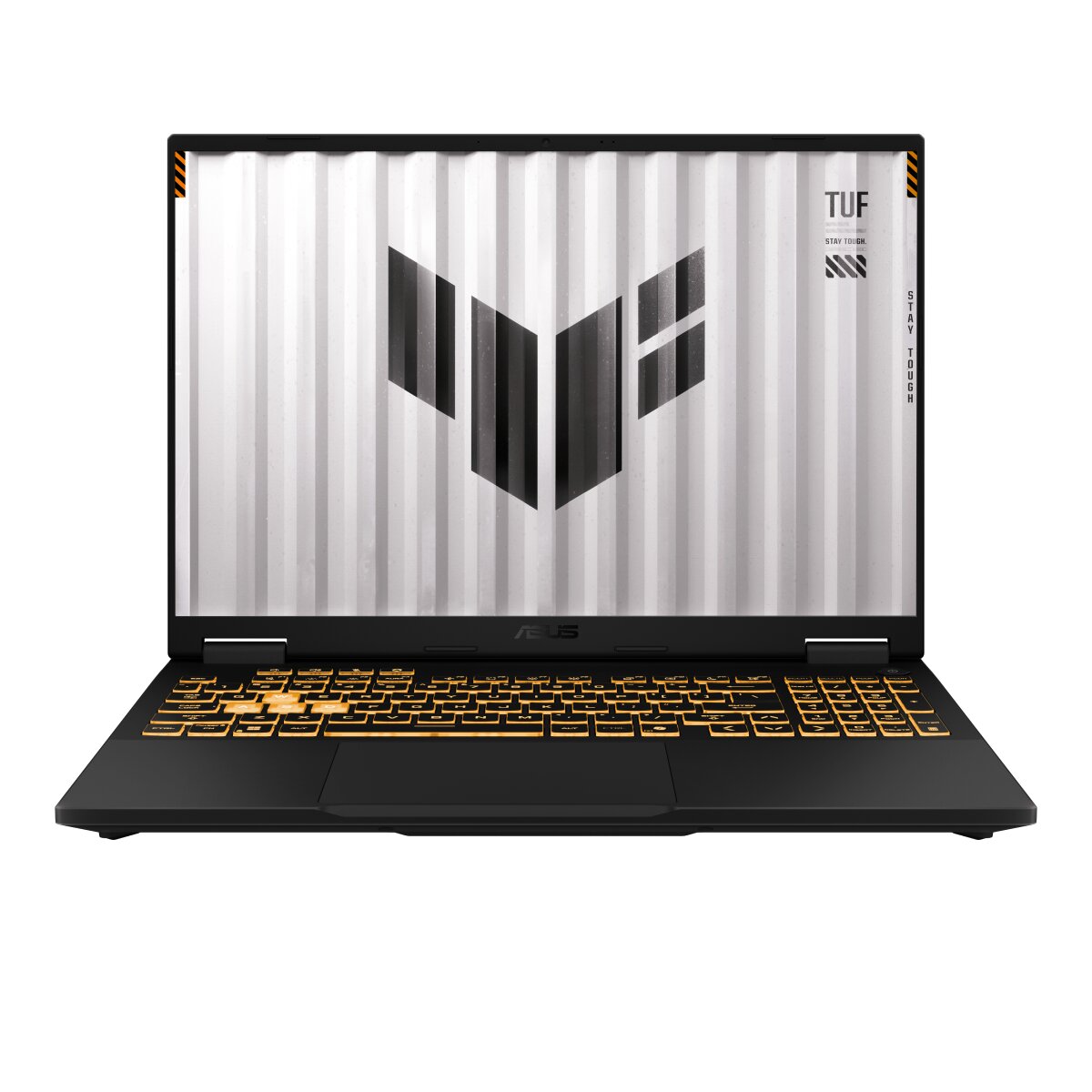
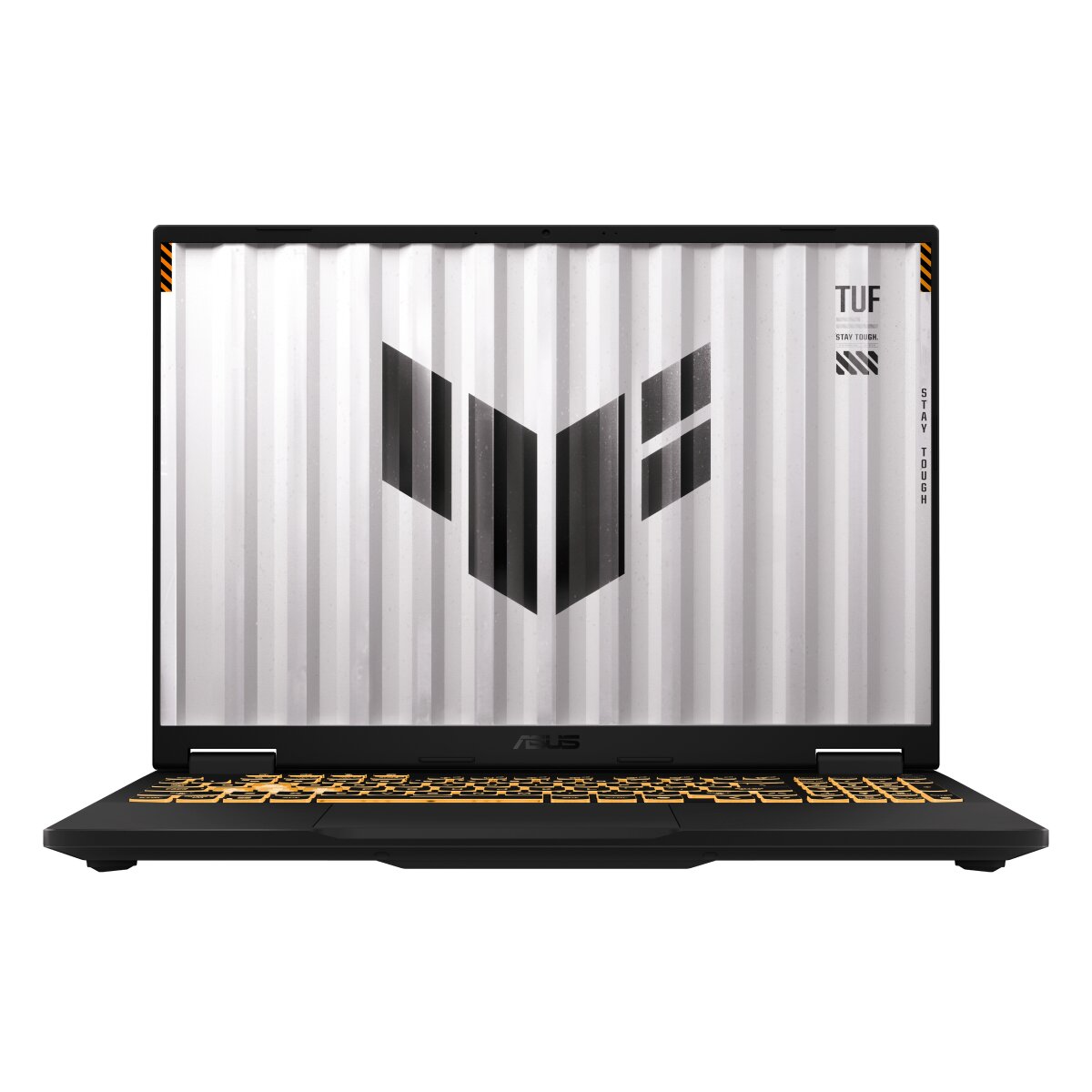
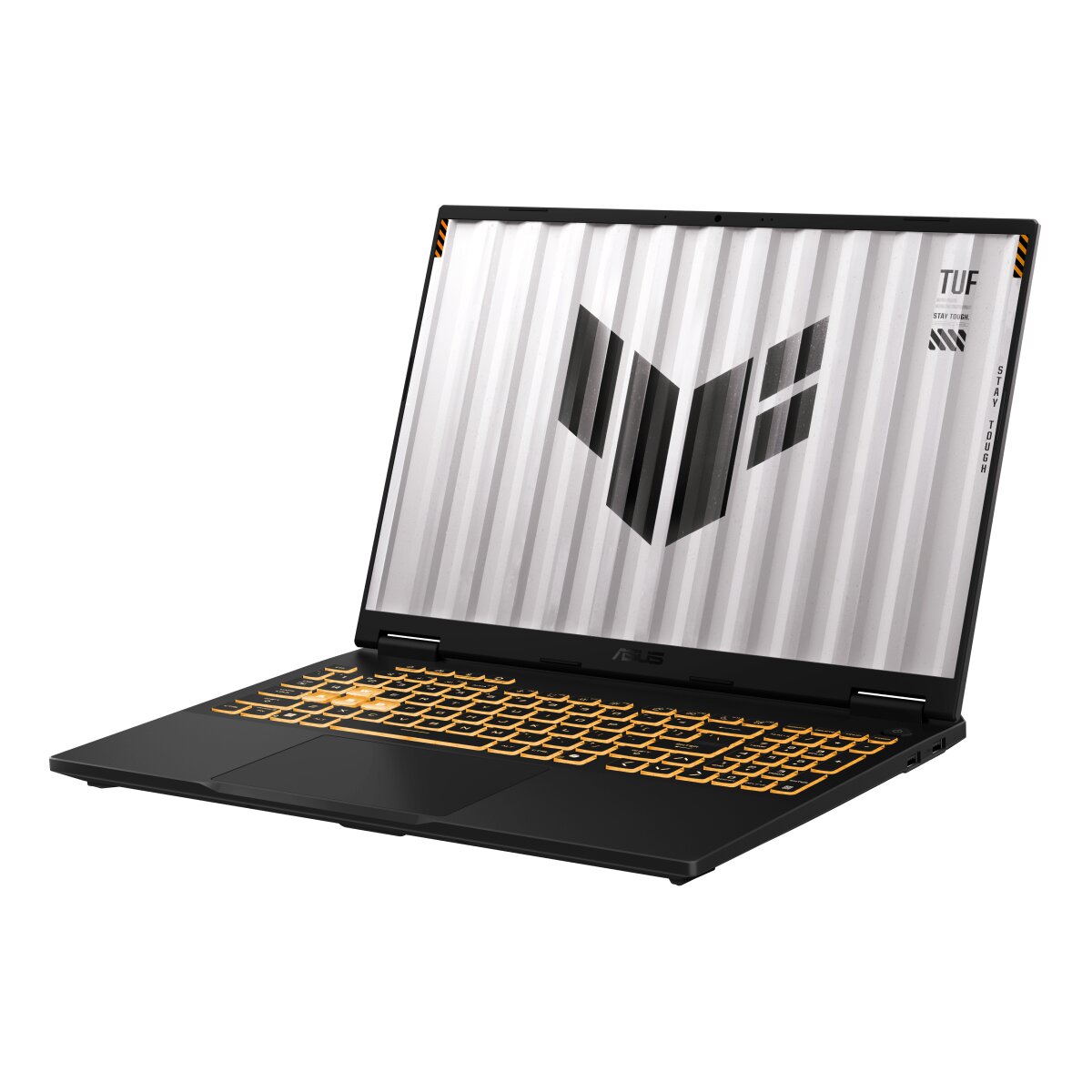
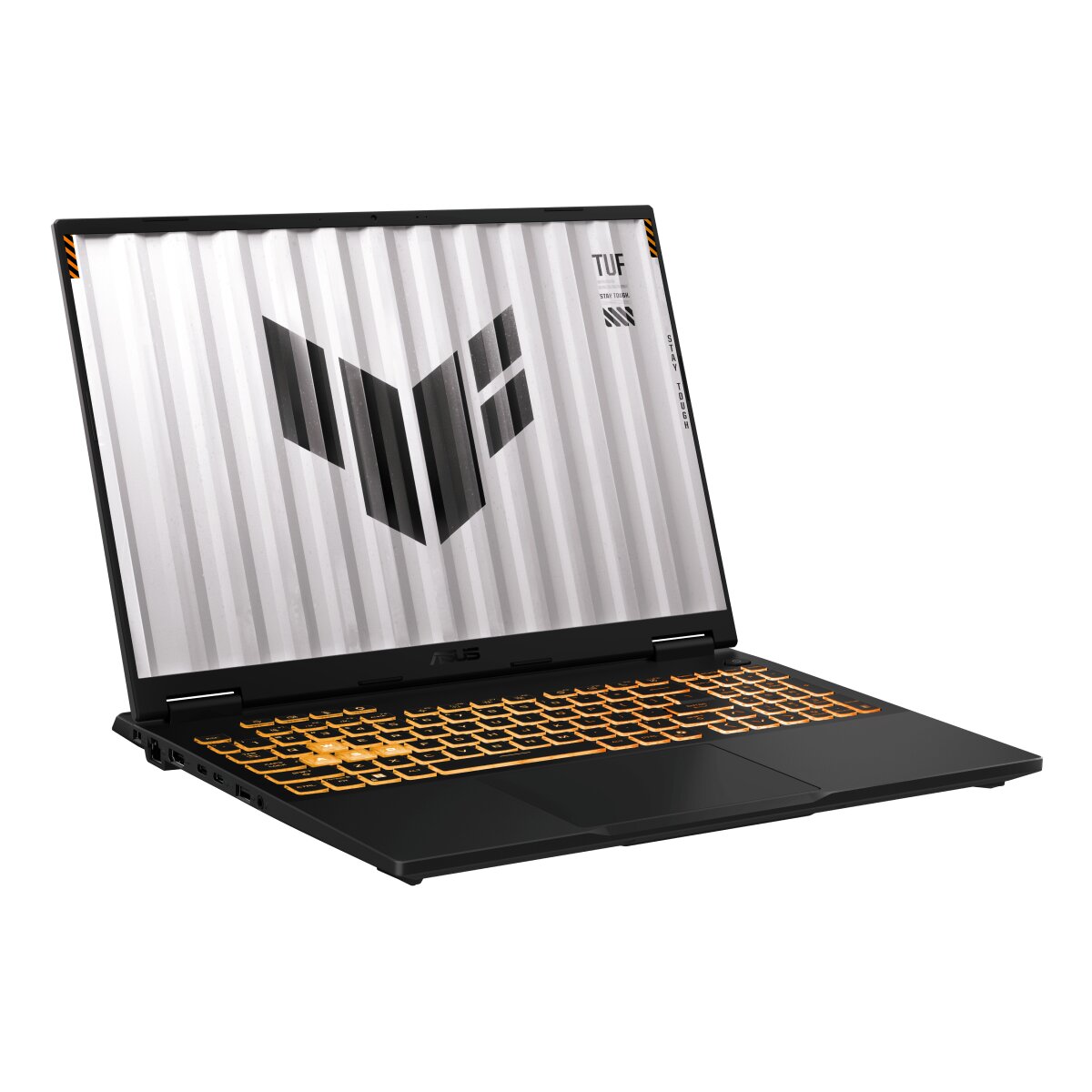
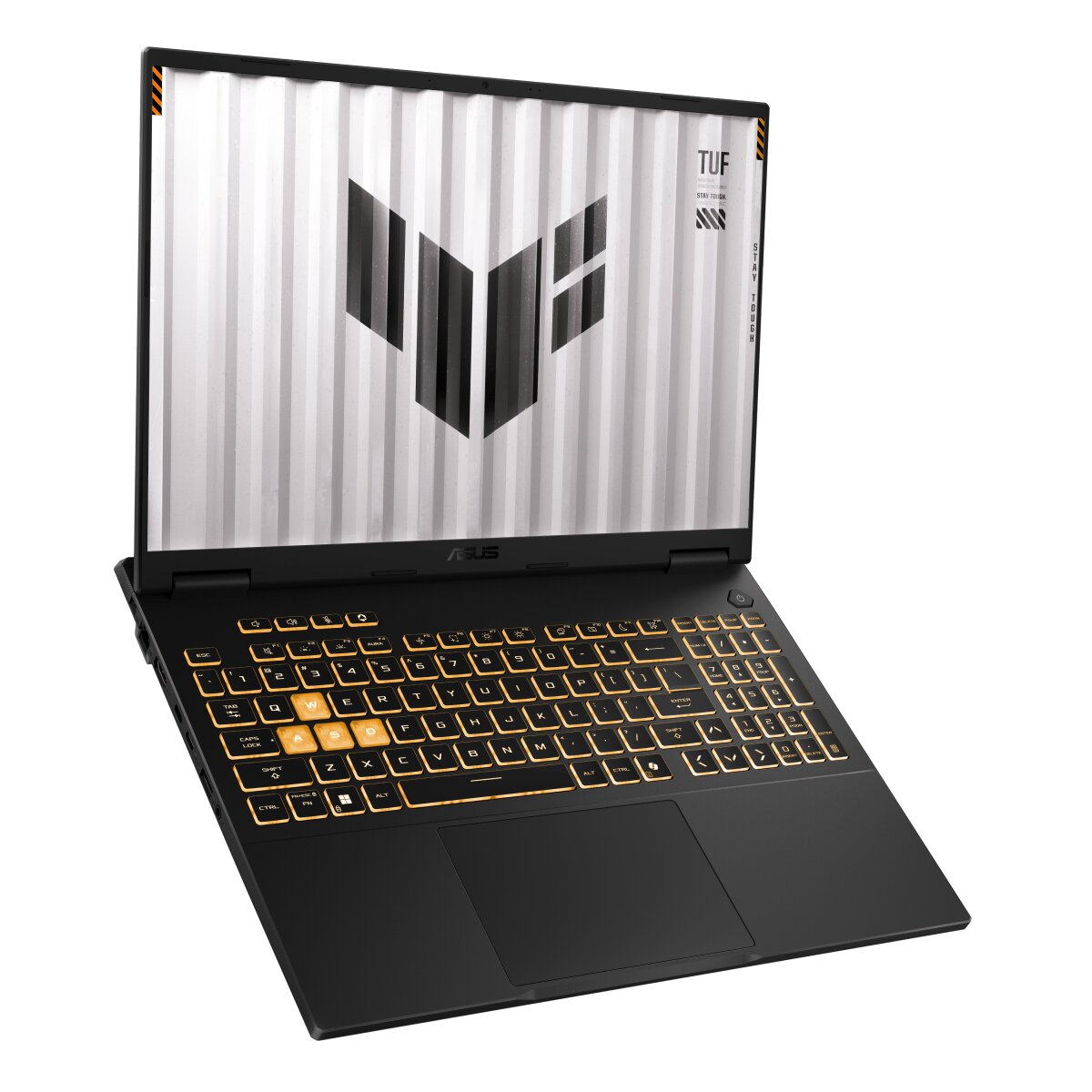
ASUS TUF Gaming F16 Series model TUF608JMR-RV038 supports DDR5-SDRAM memory upgrades with maximum capacity of 64 GB. The laptop features 2x SO-DIMM memory slots, accommodating SO-DIMM form factor modules operating at 5600 MHz frequency. Compatible RAM specifications enable memory expansion for enhanced system performance and multitasking capabilities on this gaming laptop model.
Memory Upgrade Specifications
| Specification | Value |
|---|---|
| Memory slots | 2x SO-DIMM |
| Form factor | SO-DIMM |
| Memory type | DDR5-SDRAM |
| Frequency | 5600 MHz |
| Maximum RAM | 64 GB |
| Voltage | 1.1V |
| Number of pins | 262-pin |
| Interface | PC5 |
| PC Speed Rating | PC5-5600 (PC5-44800) |
| Bandwidth | 44.8 GB/s |
Additional Notes
- The ASUS TUF Gaming TUF608JMR-RV038 operates with DDR5 memory, which requires replacement of existing modules rather than backward compatibility with DDR4 configurations commonly found in older laptop generations.
- SO-DIMM form factor constrains third-party module options to laptop-specific memory products; desktop DDR5 modules are physically incompatible and cannot be adapted through standard means.
- With 2 slots at maximum 64 GB capacity, each module must reach 32 GB for full utilization; availability and pricing of 32 GB SO-DIMM units in DDR5-5600 specification may be limited compared to 16 GB alternatives.
- The 5600 MHz specification indicates JEDEC standard compliance; modules marketed at higher frequencies (6000+ MHz) operate outside validated specifications and may introduce stability issues or require BIOS-level adjustment unsupported by manufacturer warranty terms.
- DDR5-5600 memory operates at higher power consumption than equivalent DDR4 configurations; thermal output from the memory controller increases proportionally, which affects sustained thermal performance in the existing chassis design.
- Single-sided vs. double-sided PCB designs in DDR5-5600 modules create different electrical loading characteristics; mixing manufacturers or architectural generations within the 2-slot configuration may trigger timing synchronization failures at boot.
- Firmware updates beyond the point of memory installation may alter JEDEC profile enforcement; pre-upgrade BIOS revision verification prevents post-installation compatibility drift.