ASUS TUF Gaming TUF608JPR-QT031 RAM upgrade specifications
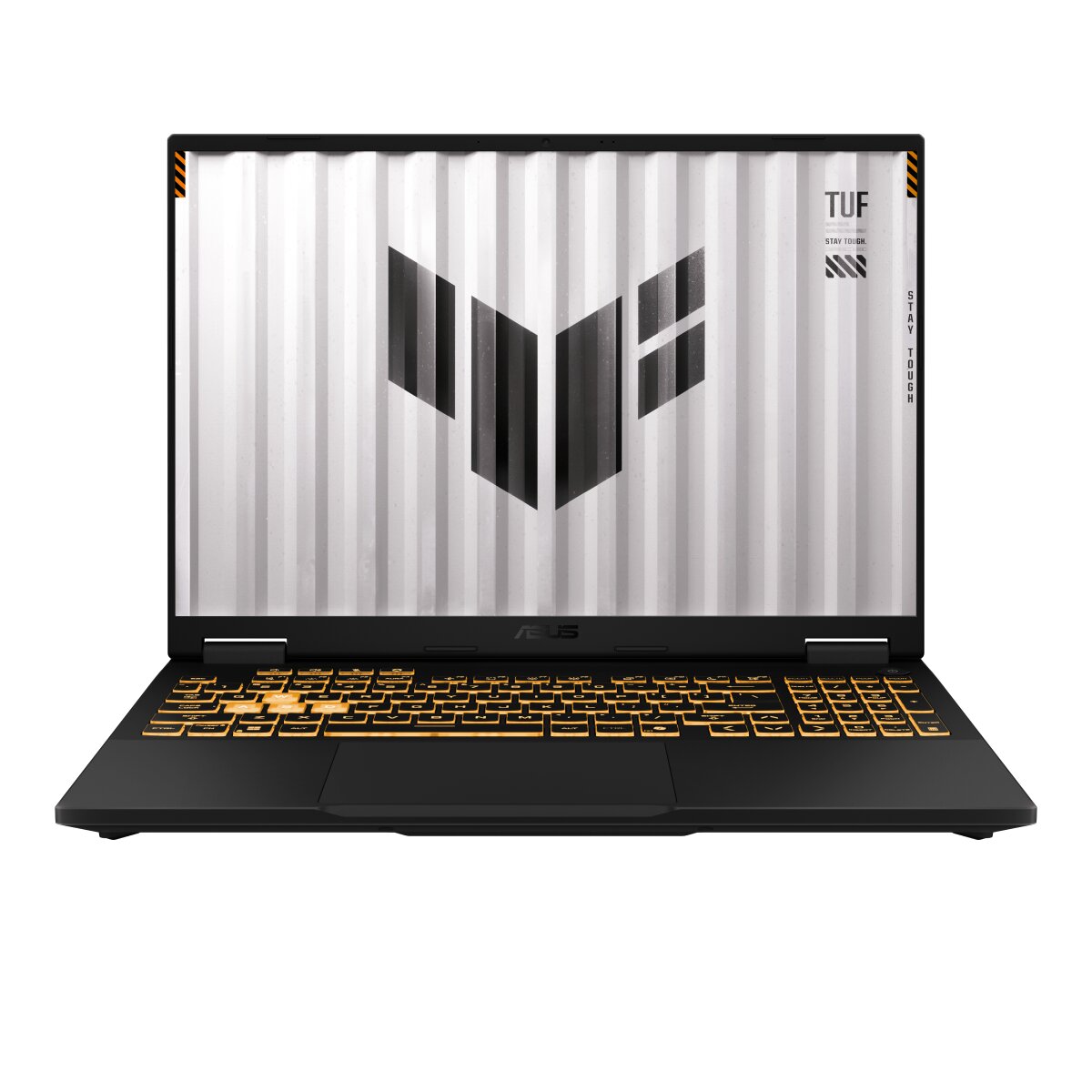
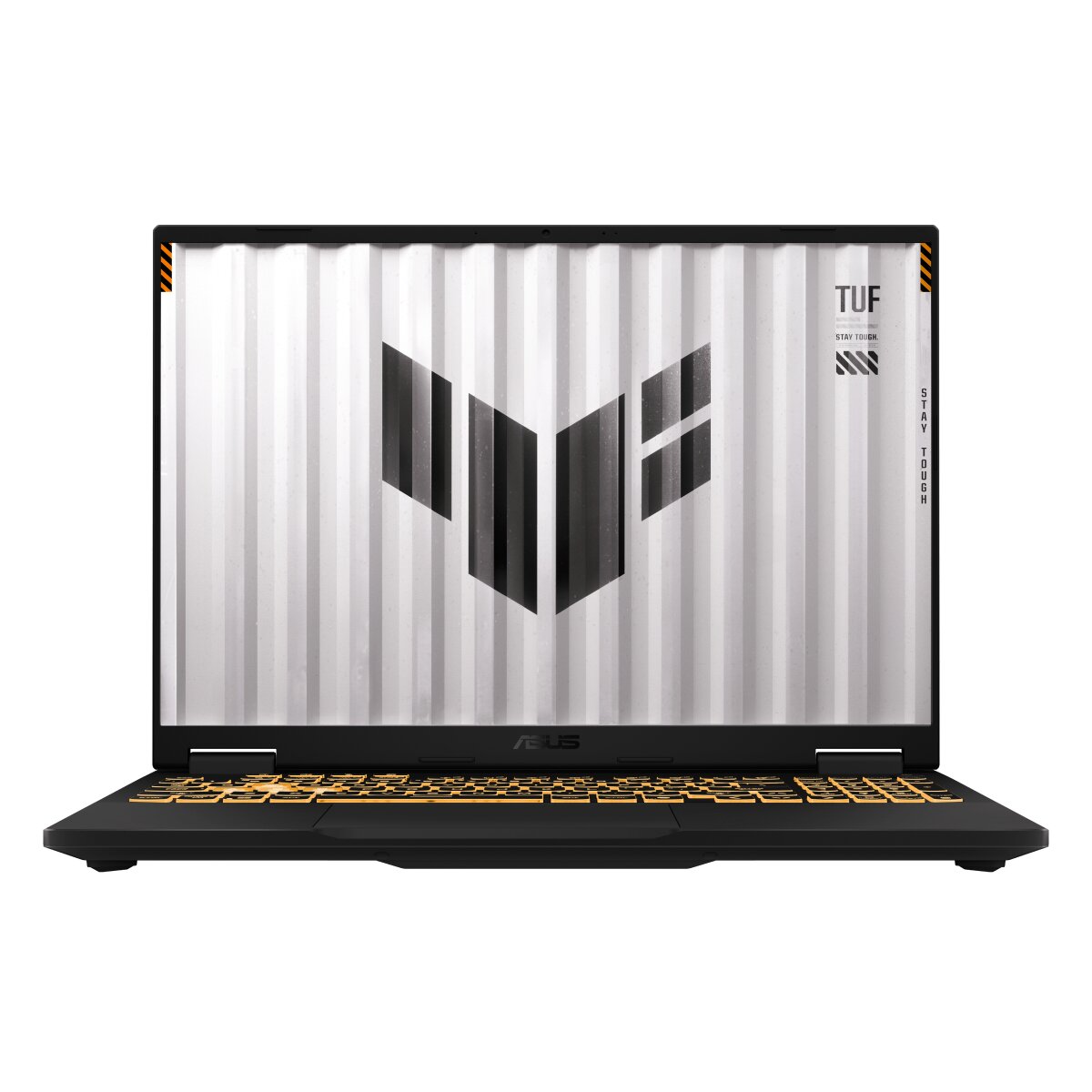
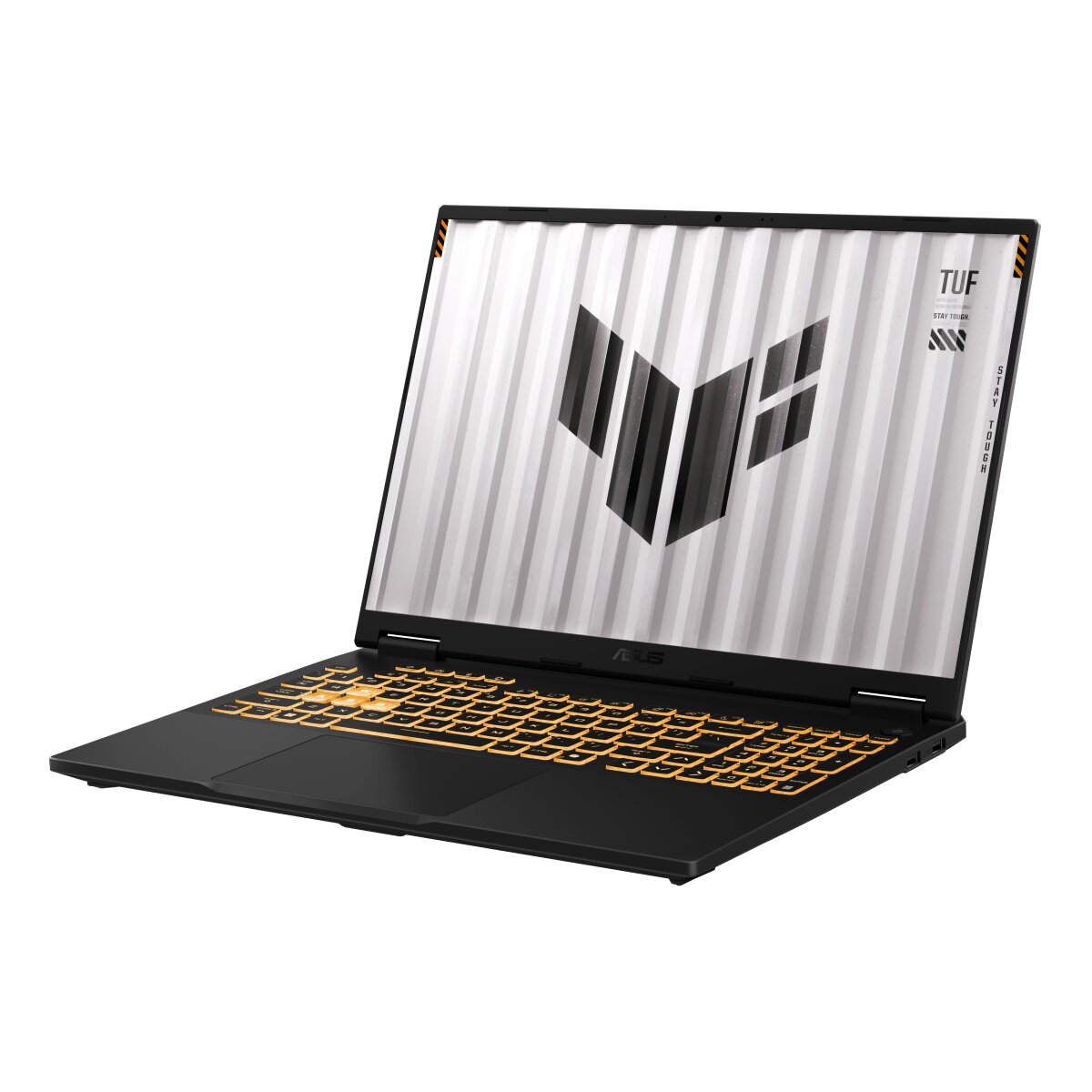
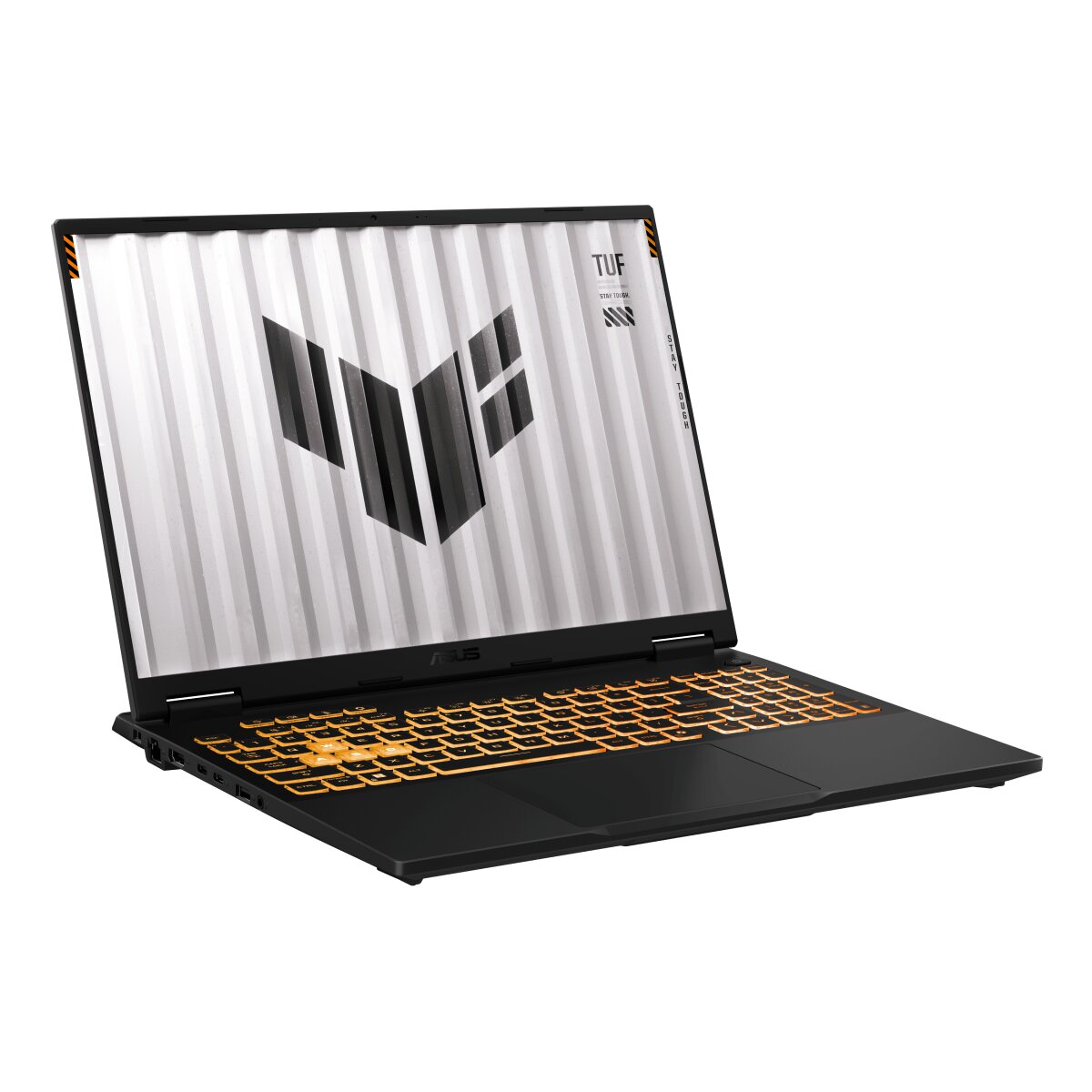
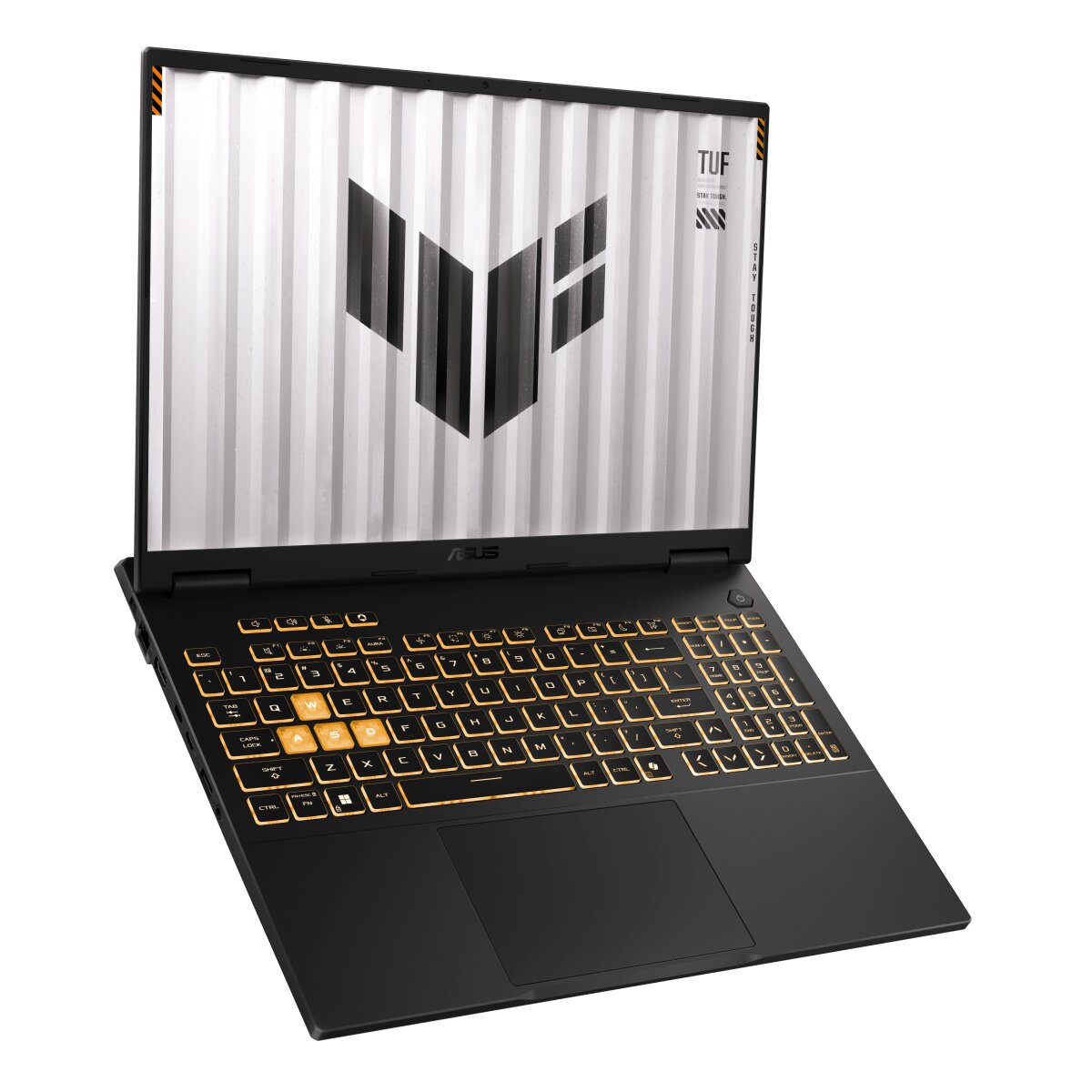
ASUS TUF Gaming F16 series model TUF608JPR-QT031 features DDR5-SDRAM memory upgrade capacity. The laptop contains 2x SO-DIMM slots supporting maximum RAM capacity of 64 GB. Compatible memory specifications include DDR5 operating at 5600 MHz frequency. Upgradeable configurations allow users to expand memory capacity through the available SO-DIMM slots. Memory upgrade options accommodate DDR5-SDRAM modules for enhanced multitasking and performance capabilities on this TUF Gaming F16 mobile workstation.
Memory Upgrade Specifications
| Specification | Value |
|---|---|
| Memory slots | 2x SO-DIMM |
| Form factor | SO-DIMM |
| Memory type | DDR5-SDRAM |
| Frequency | 5600 MHz |
| Maximum RAM | 64 GB |
| Voltage | 1.1V |
| Number of pins | 262-pin |
| Interface | PC5 |
| PC Speed Rating | PC5-5600 (PC5-44800) |
| Bandwidth | 44.8 GB/s |
Additional Notes
- The ASUS TUF Gaming TUF608JPR-QT031 uses SO-DIMM slots, which restricts upgrade options to laptop-specific memory modules rather than desktop counterparts, limiting sourcing flexibility and typically increasing per-gigabyte costs relative to standard DIMM alternatives.
- With 2 slots supporting a 64 GB maximum capacity, the system reaches its ceiling at 32 GB per module, meaning a single memory upgrade replaces rather than supplements existing modules if full capacity is pursued.
- DDR5-5600 MHz operation requires compatible DDR5 SO-DIMM modules; DDR4 backward compatibility does not exist, eliminating the possibility of using legacy memory inventory from older systems.
- Installation of 64 GB total memory may introduce latency penalties during single-channel access if both slots are not populated equally, as asymmetrical configurations force the controller to manage mismatched bandwidth paths.
- Warranty coverage typically remains intact for memory upgrades using non-proprietary SO-DIMM modules from recognized manufacturers, though documentation should be verified to confirm the specific OEM's policy on third-party memory.
- The 5600 MHz frequency operates as a baseline; modules rated at higher speeds (5800 MHz, 6400 MHz) generally function but may downclock to the platform's native profile unless BIOS overclocking parameters are manually adjusted, which carries no warranty protection.
- Thermal considerations apply to high-capacity memory configurations, as dual 32 GB modules generate additional heat dissipation requirements under sustained workloads; passive heatspreaders on modules reduce this effect but do not eliminate thermal density concerns in compact laptop chassis designs.