ASUS TUF Gaming FX706HC-HX008T RAM upgrade specifications
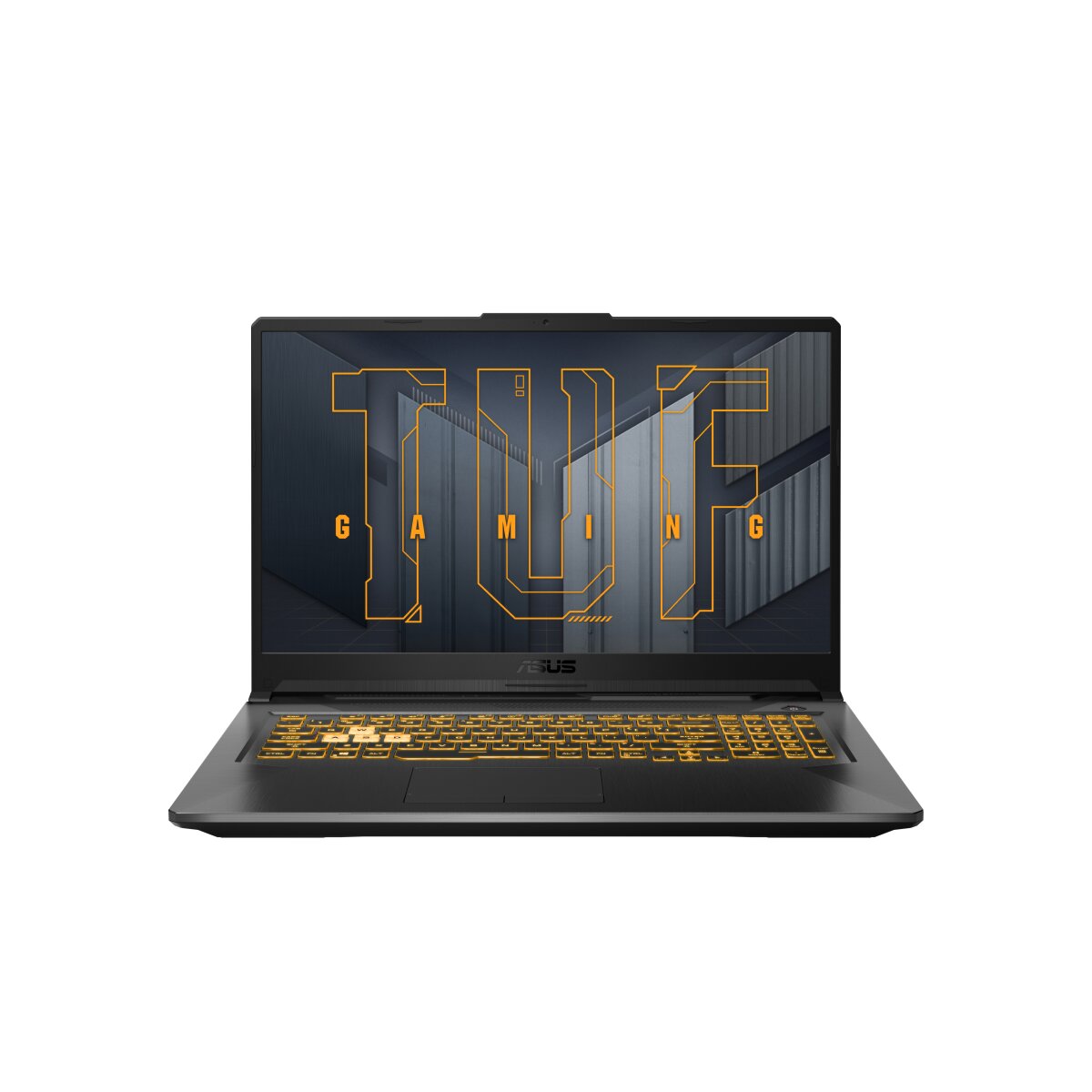
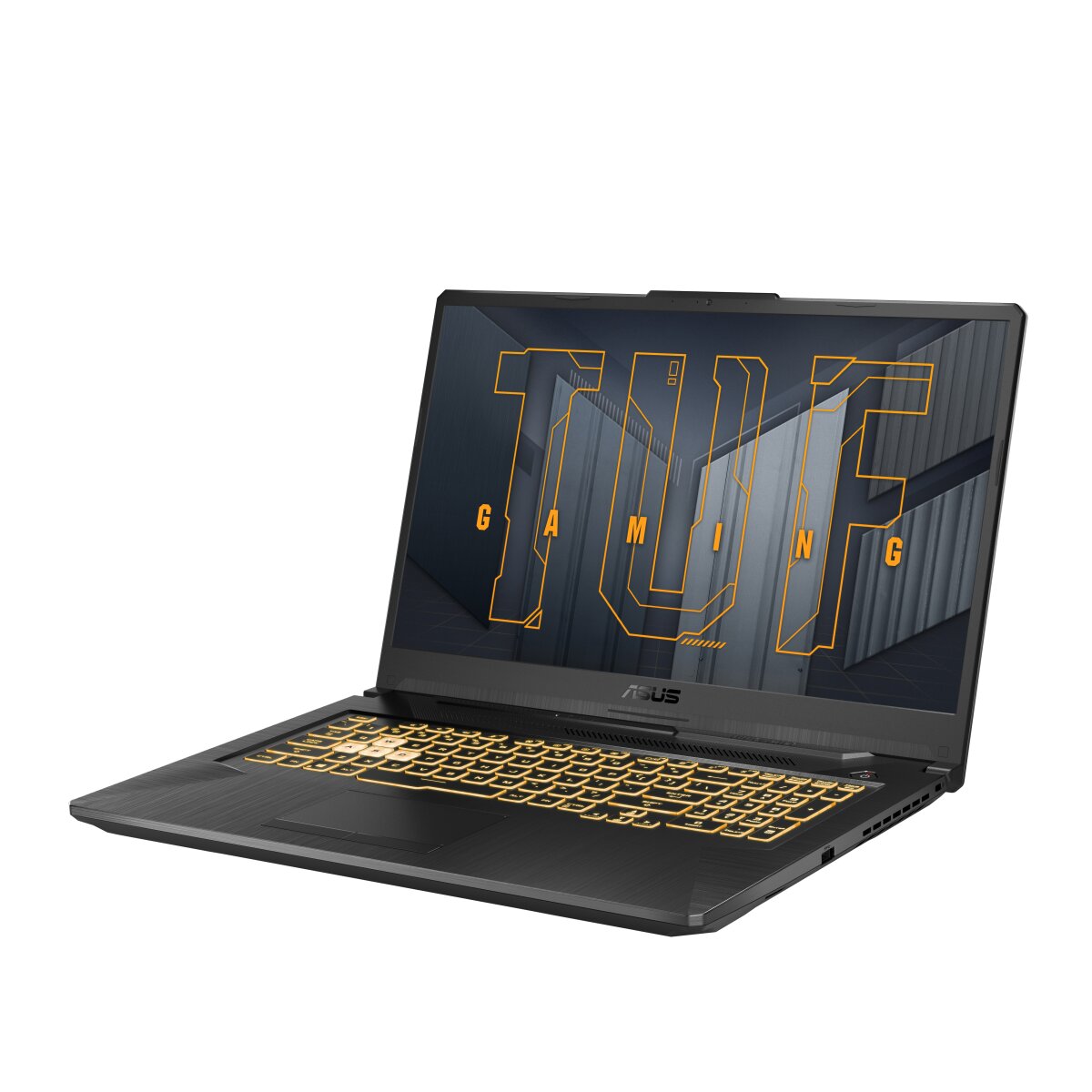
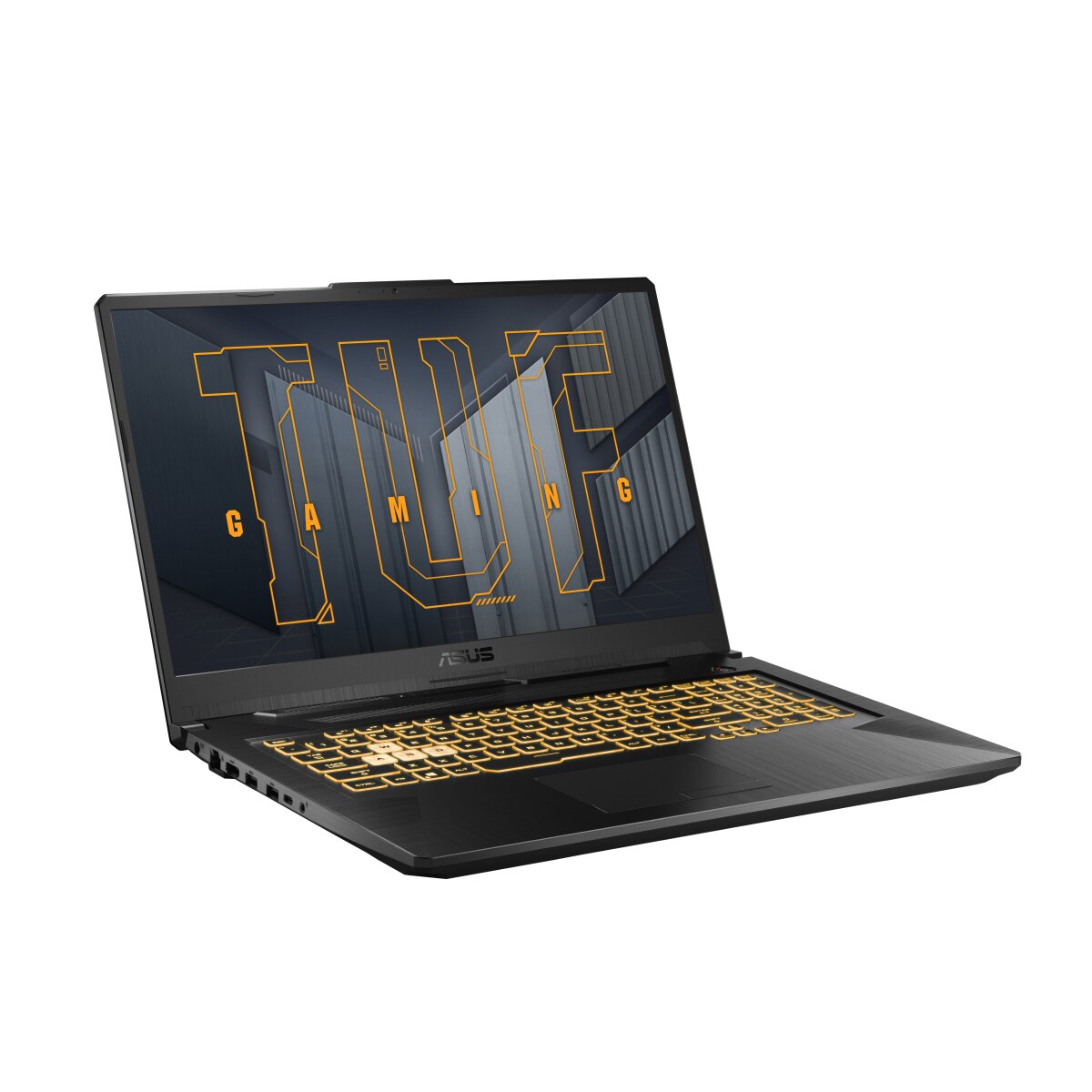
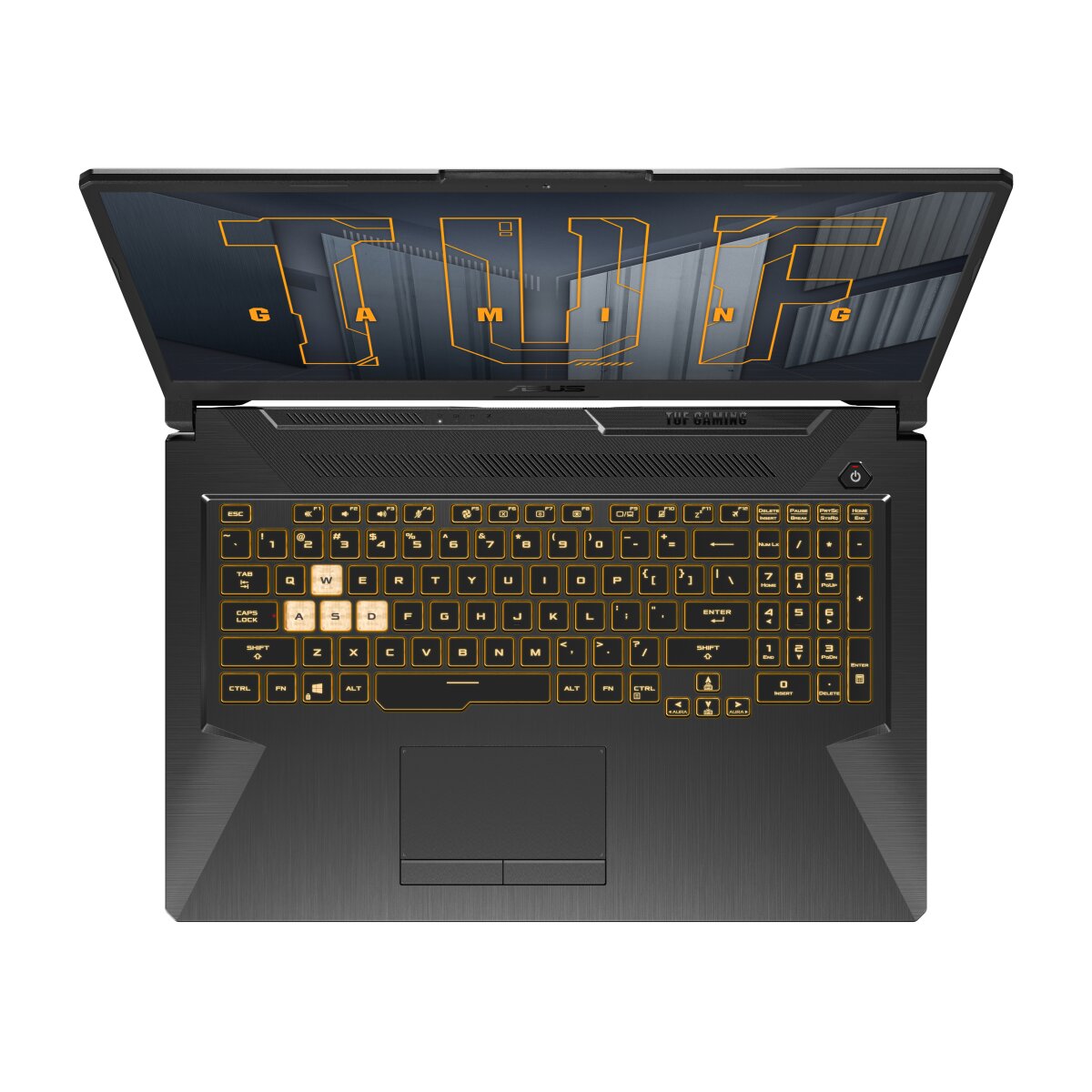
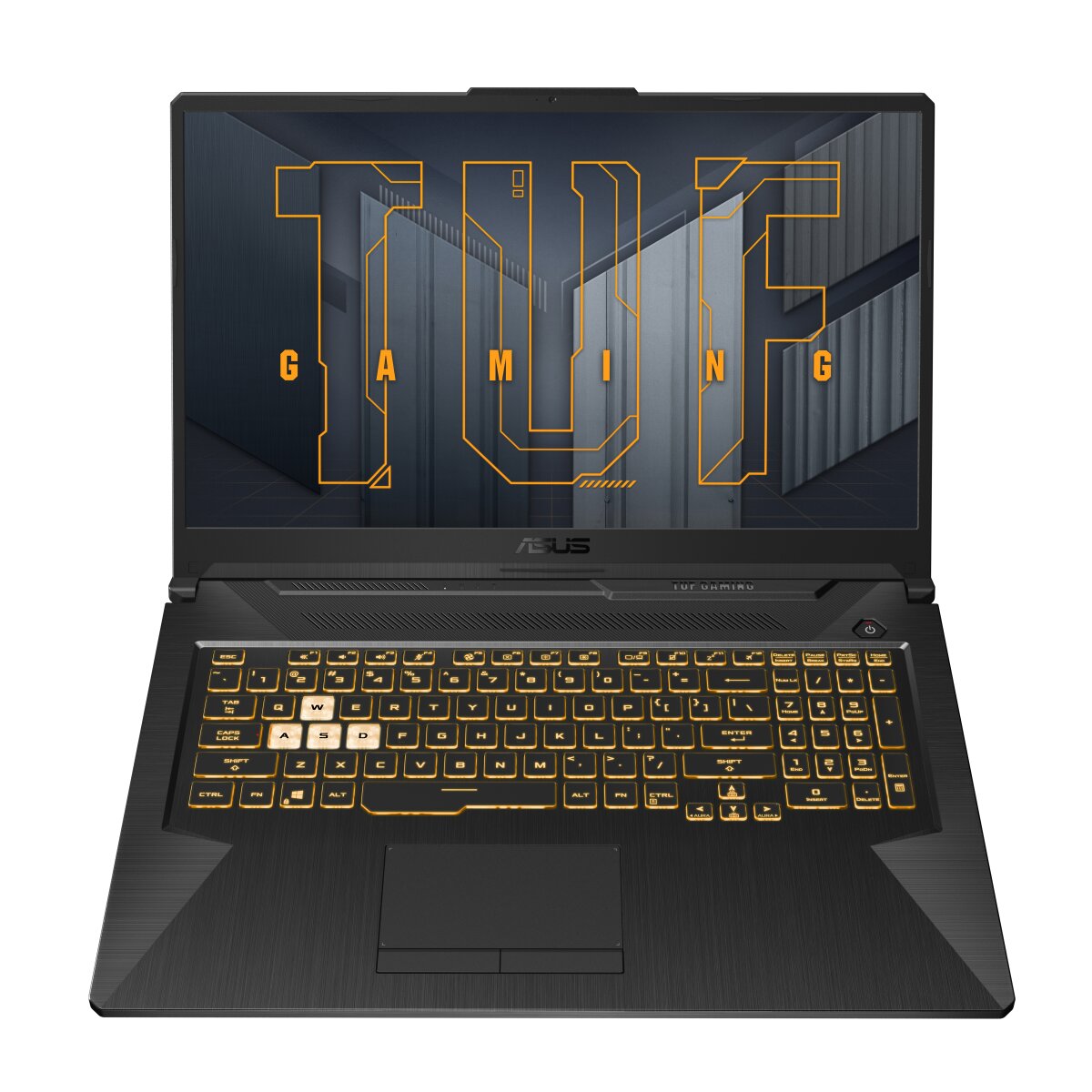
The ASUS TUF Gaming FX706HC-HX008T features DDR4-SDRAM memory upgrade specifications with two SO-DIMM slots supporting maximum capacity of 32 GB total. The laptop accepts DDR4 modules operating at 3200 MHz frequency. Compatible memory upgrades utilize the SO-DIMM form factor standard for laptop installations. Maximum supported RAM capacity reaches 32 GB when both memory slots are fully populated with appropriate DDR4-SDRAM modules at specified frequencies and specifications.
Memory Upgrade Specifications
| Specification | Value |
|---|---|
| Memory slots | 2x SO-DIMM |
| Form factor | SO-DIMM |
| Memory type | DDR4-SDRAM |
| Frequency | 3200 MHz |
| Maximum RAM | 32 GB |
| Voltage | 1.2V |
| Number of pins | 260-pin |
| Interface | PC4 |
| PC Speed Rating | PC4-3200 (PC4-25600) |
| Bandwidth | 25.6 GB/s |
| Laptop Release date | 26 September 2021 |
Additional Notes
- The ASUS TUF Gaming FX706HC-HX008T enforces a 16 GB per slot ceiling, preventing the use of higher-density 32 GB modules that would otherwise be compatible with DDR4 SO-DIMM form factor specifications.
- Both memory channels must operate at identical speeds due to dual-channel architecture requirements, meaning mixed frequency configurations will downclock all modules to the slowest installed module's rated speed.
- The 3200 MHz specification represents JEDEC standard operation without requiring XMP profile activation, ensuring plug-and-play compatibility but limiting access to higher-binned overclocking headroom available in premium modules.
- The SO-DIMM slots typically reside beneath a bottom panel secured by warranty-void stickers or hidden screws, requiring careful disassembly documentation to maintain service eligibility.
- Installing non-matching capacity modules across the two slots will force asymmetric dual-channel operation, where only the matched portion runs in dual-channel mode while excess capacity defaults to slower single-channel bandwidth.
- DDR4-3200 timing variations between manufacturers can cause POST instability when mixing brands, as the memory controller defaults to the loosest common timings rather than optimizing for either module's native profile.
- The 32 GB ceiling derives from chipset memory mapping limitations rather than physical slot constraints, making future upgrades beyond this threshold impossible regardless of technological advancements in module density.
- Thermal throttling may occur during sustained memory-intensive operations if aftermarket modules lack integrated heat spreaders, as gaming laptop chassis prioritize GPU cooling over RAM thermal management.
- Voltage mismatches between standard 1.2V DDR4 modules and low-voltage 1.1V variants can trigger boot failures or automatic underclocking, requiring BIOS intervention to stabilize non-standard configurations.
- Single-rank versus dual-rank module architecture affects effective bandwidth even at identical frequencies, with dual-rank configurations providing marginal performance gains in memory-bound gaming scenarios at the cost of slightly higher power consumption.