ASUS TUF Gaming FX706HC-HX038W RAM upgrade specifications
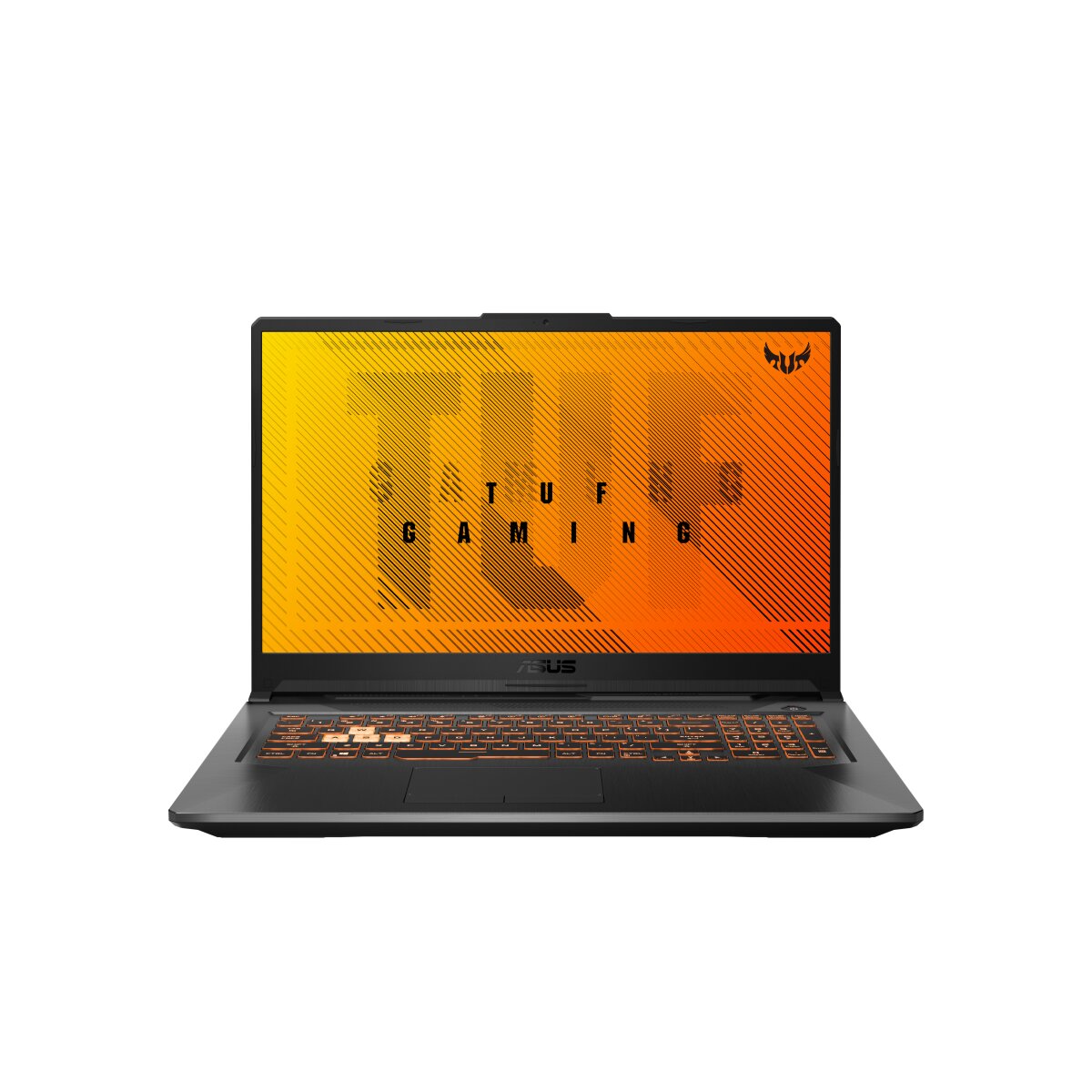
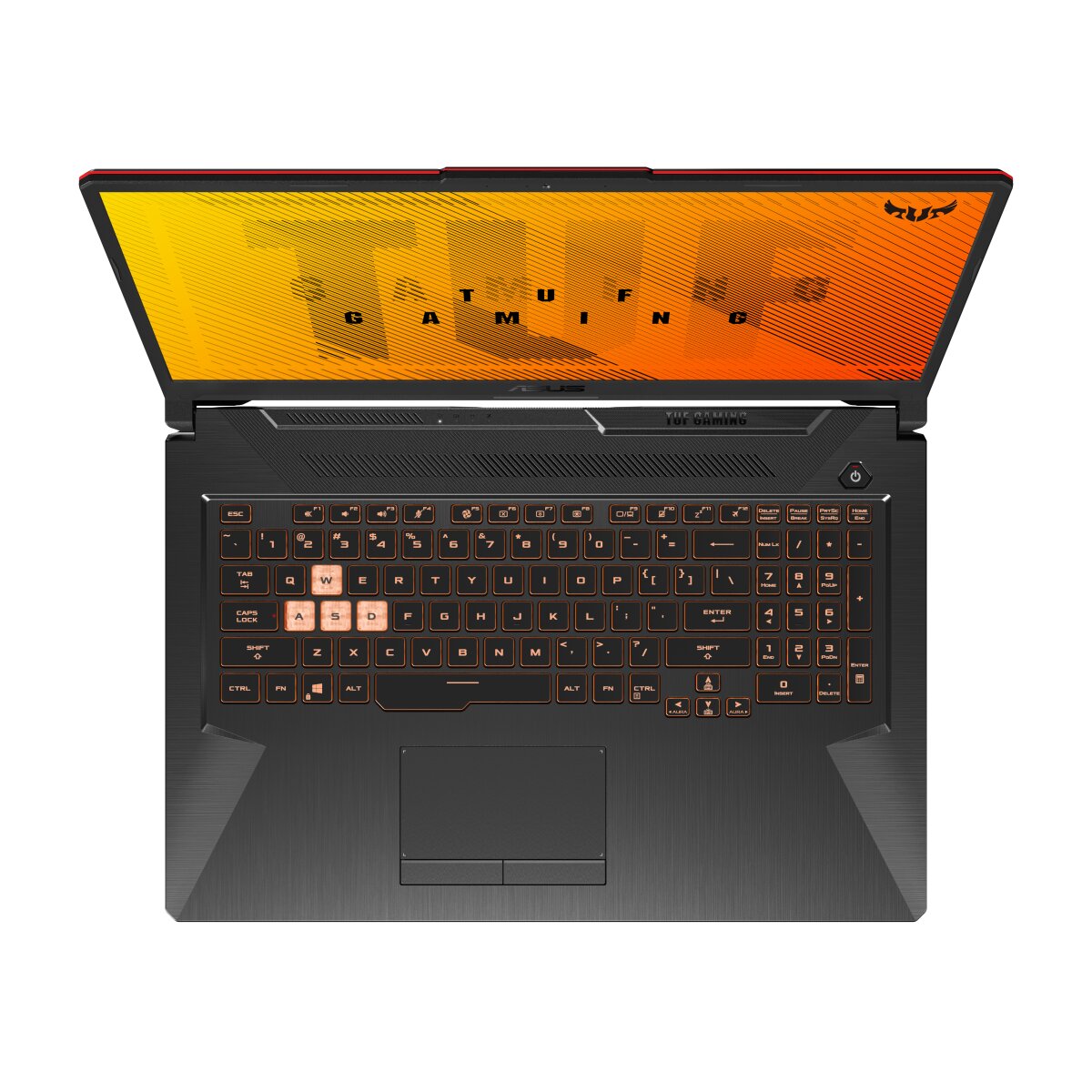
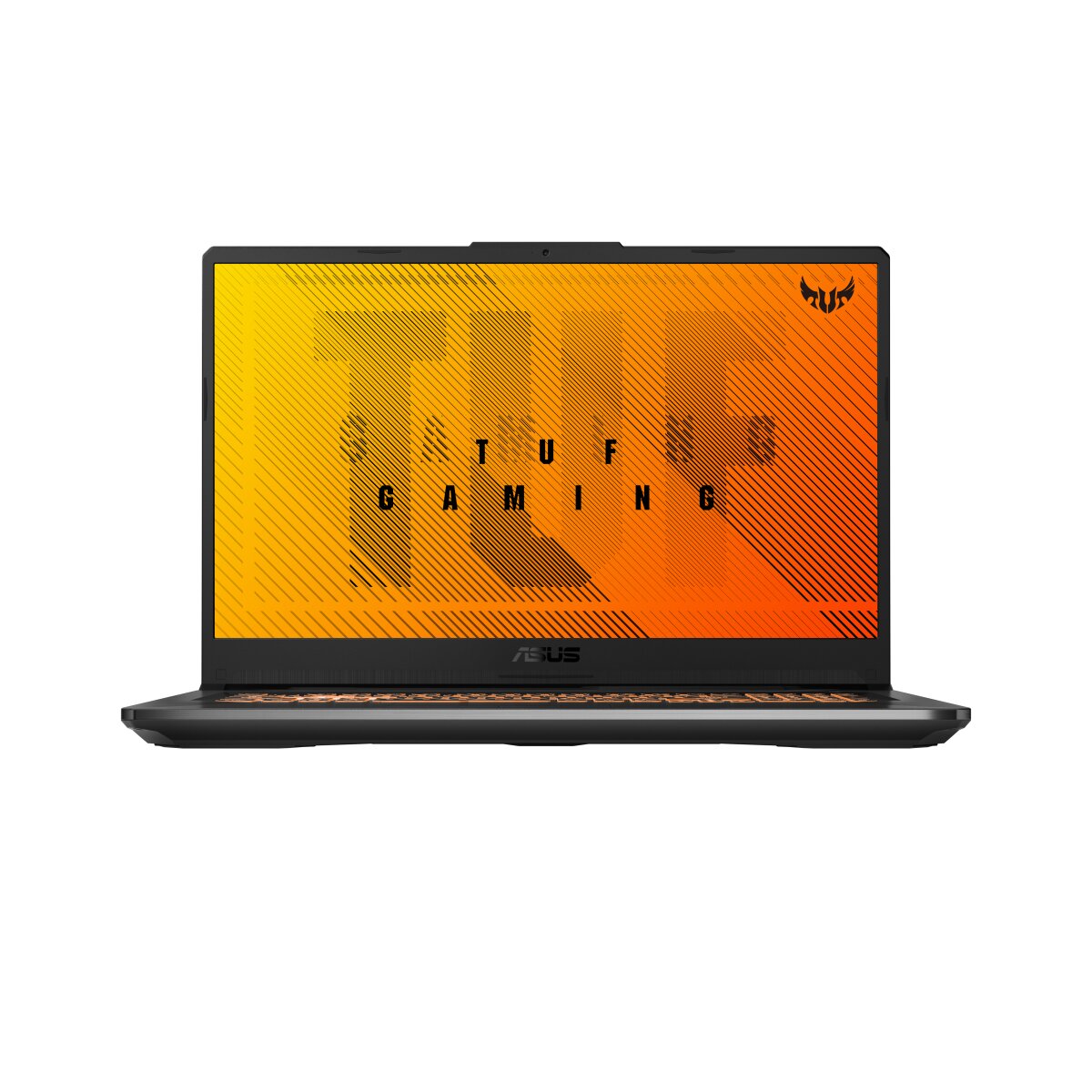
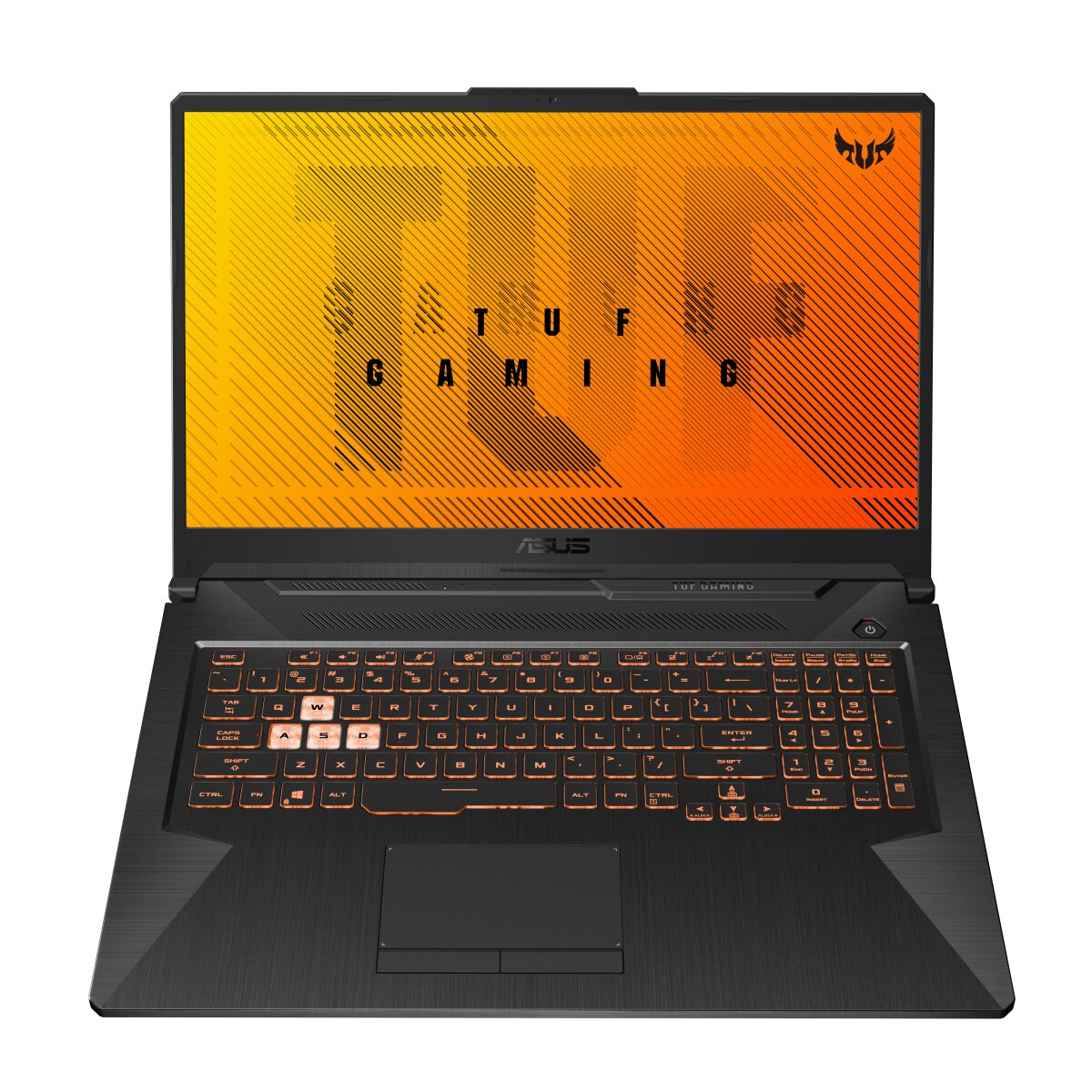
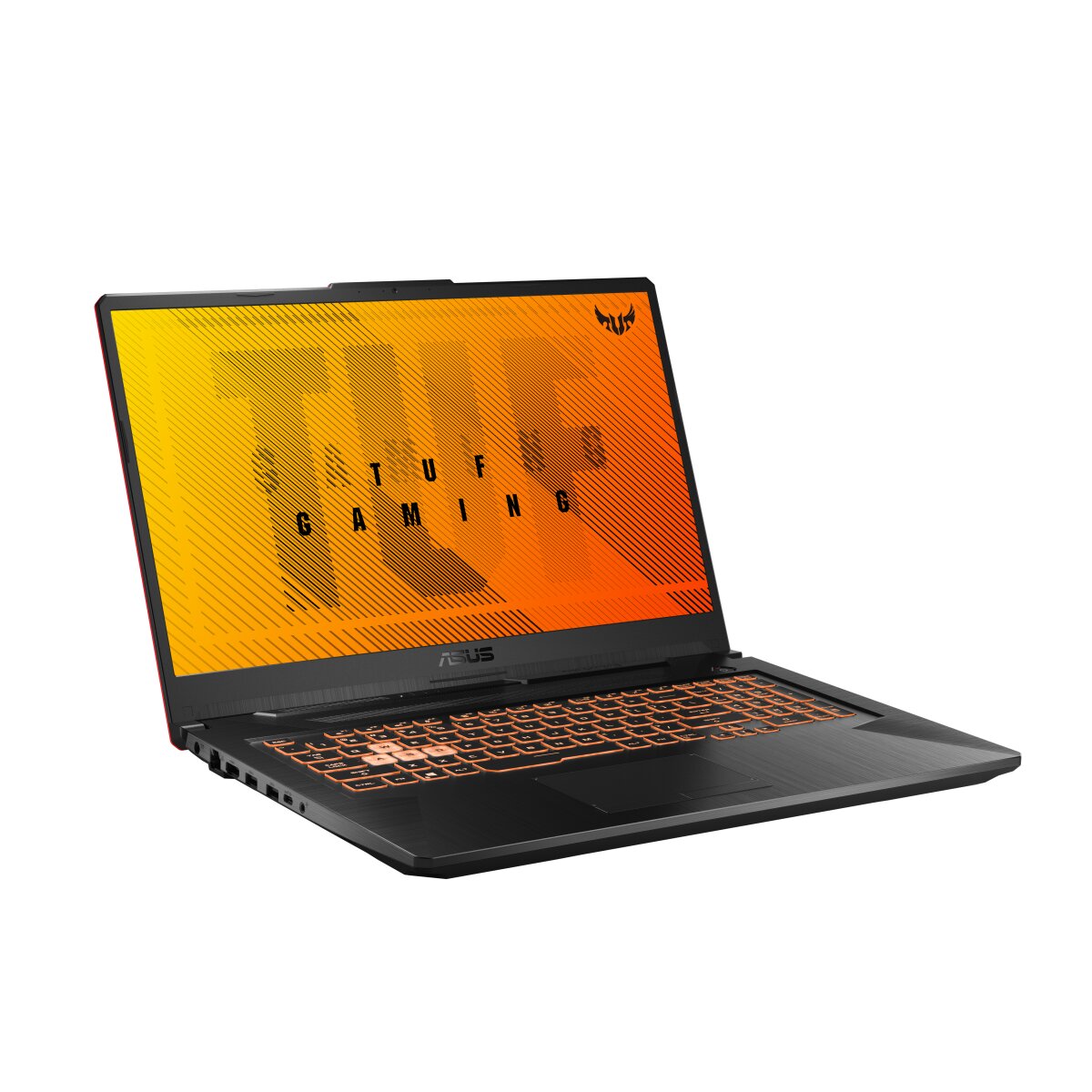
The ASUS TUF Gaming F17 FX706HC-HX038W features DDR4-SDRAM memory with two SO-DIMM slots supporting maximum capacity of 32 GB RAM. Compatible memory modules operate at 3200 MHz frequency. Upgrade specifications indicate the laptop accommodates SO-DIMM form factor memory modules, enabling users to expand system memory from factory configuration to the maximum supported 32 GB capacity through compatible DDR4 memory upgrades.
Memory Upgrade Specifications
| Specification | Value |
|---|---|
| Memory slots | 2x SO-DIMM |
| Form factor | SO-DIMM |
| Memory type | DDR4-SDRAM |
| Frequency | 3200 MHz |
| Maximum RAM | 32 GB |
| Voltage | 1.2V |
| Number of pins | 260-pin |
| Interface | PC4 |
| PC Speed Rating | PC4-3200 (PC4-25600) |
| Bandwidth | 25.6 GB/s |
Additional Notes
- The ASUS TUF Gaming FX706HC-HX038W relies on dual-channel architecture through 2 SO-DIMM slots, meaning single-module configurations will operate at half the available memory bandwidth.
- The 32 GB ceiling requires 2 modules of 16 GB each, as individual SO-DIMM modules exceeding 16 GB per slot are not standard for DDR4 consumer platforms.
- DDR4-3200 represents the JEDEC standard specification, but actual operating frequency depends on CPU memory controller support and motherboard validation.
- Modules rated below 3200 MHz will function but force the entire memory subsystem to downclock to the lowest installed module speed.
- SO-DIMM installation in gaming laptops typically requires full bottom panel removal, exposing all internal components and potentially voiding seals on certain warranty programs.
- Mixing modules with different latency timings (CL ratings) may cause system instability or force all modules to operate at the slowest timing profile.
- Both slots must remain accessible without motherboard removal, as soldered memory configurations would contradict the upgradeable specification.
- DDR4 voltage is standardized at 1.2V for SO-DIMM, but high-performance XMP profiles requiring 1.35V may not activate without BIOS support in mobile platforms.
- Thermal throttling becomes more probable with dual-rank high-density modules in confined laptop chassis compared to single-rank equivalents at identical capacities.
- Non-ECC unbuffered modules are required, as gaming laptop chipsets lack error-correction hardware found in workstation-class systems.