ASUS TUF Gaming FX706HC-HX086T RAM upgrade specifications


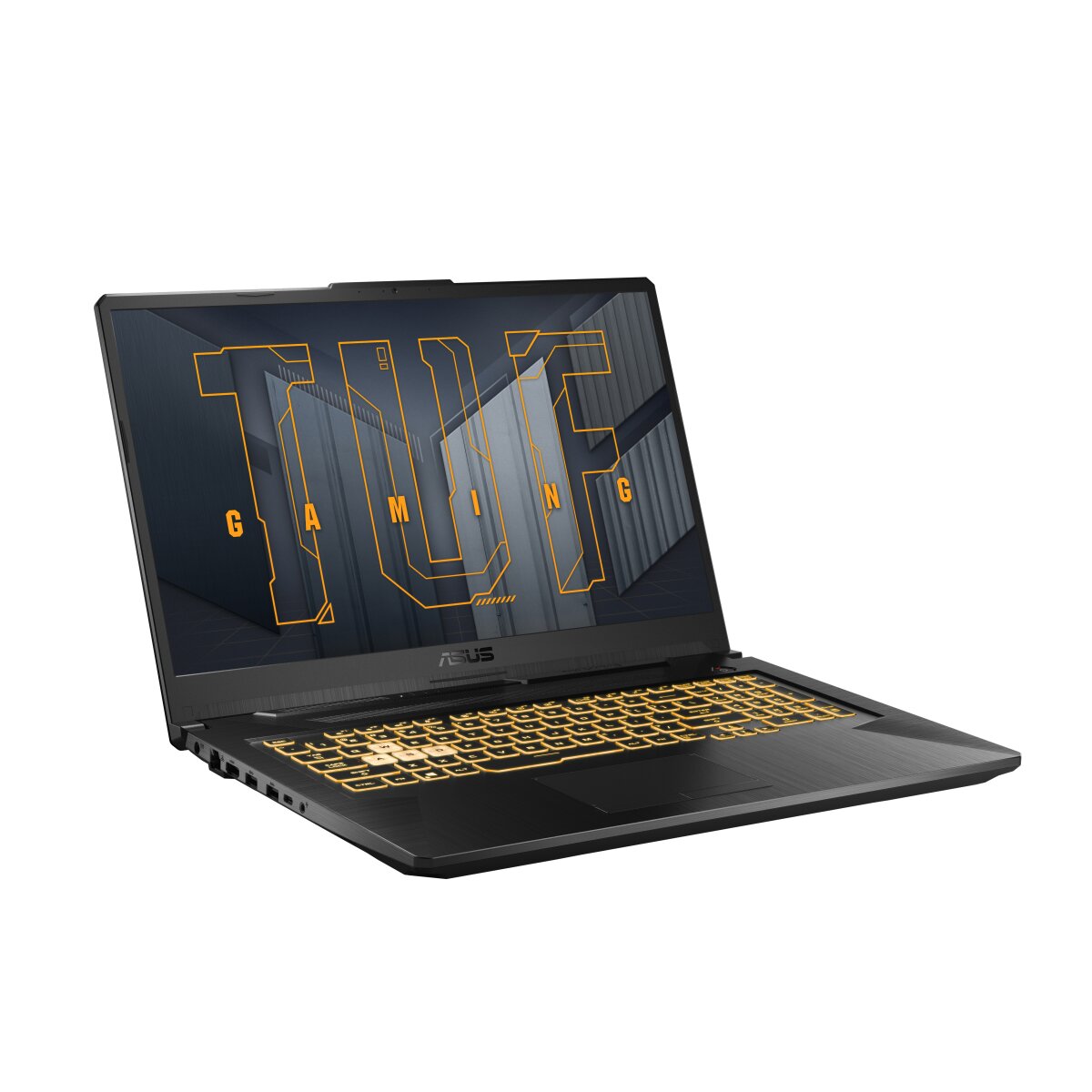


ASUS TUF Gaming FX706HC-HX086T RAM upgrade specifications include DDR4-SDRAM memory compatible with 2x SO-DIMM slots. Maximum upgrade capacity reaches 32 GB total memory. Compatible memory modules operate at 3200 MHz frequency with SO-DIMM form factor. Upgrade slots support standard DDR4 specifications for enhanced multitasking and gaming performance in the F17 series laptop.
Memory Upgrade Specifications
| Specification | Value |
|---|---|
| Memory slots | 2x SO-DIMM |
| Form factor | SO-DIMM |
| Memory type | DDR4-SDRAM |
| Frequency | 3200 MHz |
| Maximum RAM | 32 GB |
| Voltage | 1.2V |
| Number of pins | 260-pin |
| Interface | PC4 |
| PC Speed Rating | PC4-3200 (PC4-25600) |
| Bandwidth | 25.6 GB/s |
| Laptop Release date | 31 October 2021 |
Additional Notes
- The ASUS TUF Gaming FX706HC-HX086T relies on DDR4 architecture, which physically prevents installation of newer DDR5 modules due to different notch positioning and voltage requirements.
- Both SO-DIMM slots support dual-channel operation when populated with identical capacity modules, effectively doubling memory bandwidth compared to single-channel configurations.
- The 32 GB ceiling requires 2x16 GB modules to reach maximum capacity, as single 32 GB SO-DIMM sticks exceed the controller's per-slot addressing limit.
- Installing 3200 MHz modules on a system currently running lower frequencies will typically result in all modules operating at the slowest installed speed.
- Mixed-capacity configurations remain functional but sacrifice dual-channel benefits for the amount exceeding the smaller module's size.
- The SO-DIMM form factor necessitates laptop-specific modules, as desktop DIMM memory is physically incompatible with the smaller slot design.
- Upgrading beyond factory-installed capacity may void warranties with certain retailers, though component replacement typically falls within consumer-accessible maintenance.
- Systems shipping with soldered memory alongside SO-DIMM slots permanently limit upgrade flexibility to the remaining available slot.
- Frequency compatibility depends on CPU and chipset specifications, where older processors may downclock 3200 MHz modules to their supported maximum.
- Mixing brands or latency timings forces the memory controller to apply conservative settings, potentially reducing performance despite matching frequency ratings.