ASUS TUF Gaming FX706HEB-HX114W RAM upgrade specifications




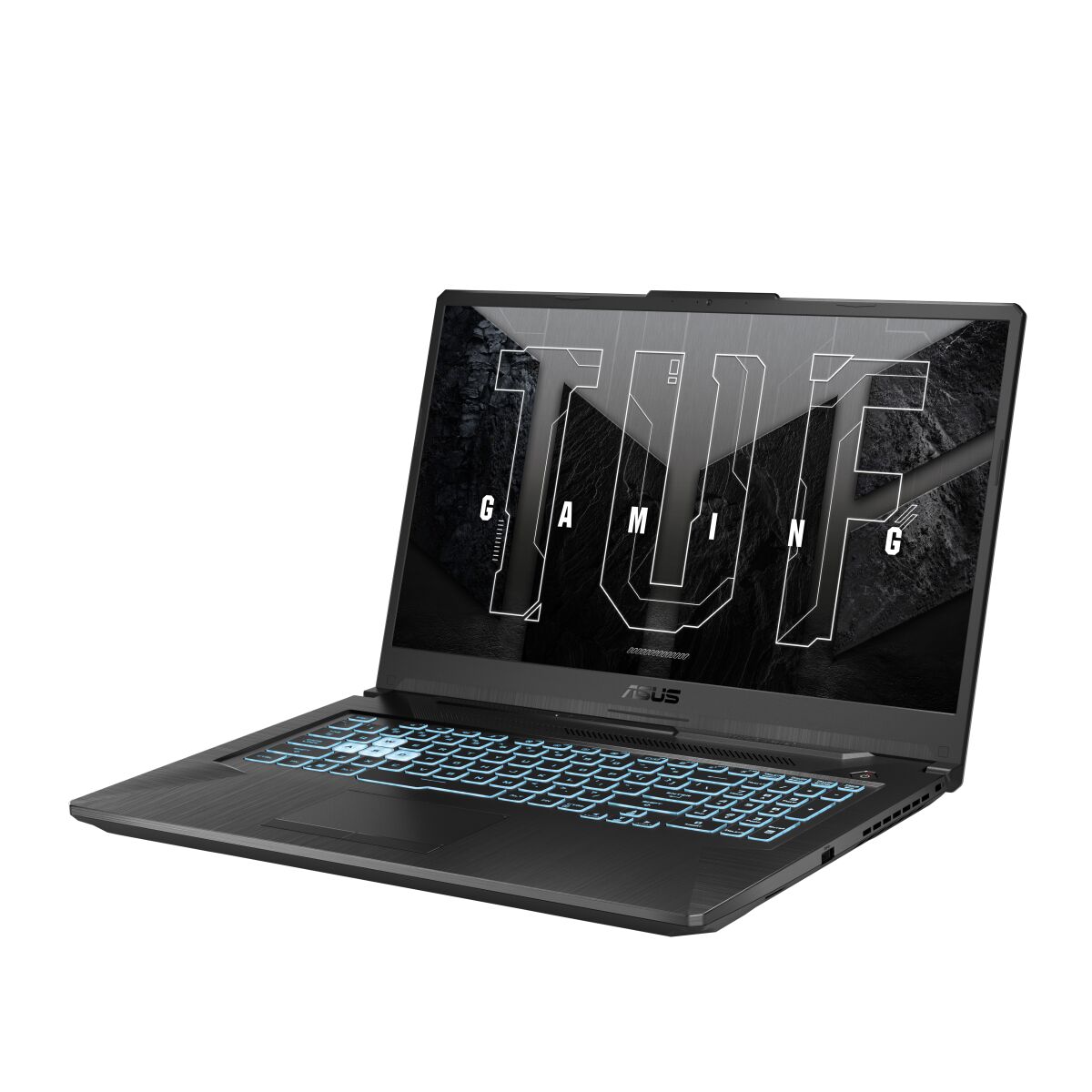
The ASUS TUF Gaming F17 series FX706HEB-HX114W laptop features DDR4-SDRAM memory with two SO-DIMM slots supporting maximum capacity of 32 GB. Compatible memory upgrades operate at 3200 MHz frequency specifications. The laptop's memory upgrade slots accommodate standard SO-DIMM form factor modules, enabling users to expand RAM capacity for enhanced system performance. Maximum supported specifications allow for up to 32 GB total memory when fully upgraded across both available slots.
Memory Upgrade Specifications
| Specification | Value |
|---|---|
| Memory slots | 2x SO-DIMM |
| Form factor | SO-DIMM |
| Memory type | DDR4-SDRAM |
| Frequency | 3200 MHz |
| Maximum RAM | 32 GB |
| Voltage | 1.2V |
| Number of pins | 260-pin |
| Interface | PC4 |
| PC Speed Rating | PC4-3200 (PC4-25600) |
| Bandwidth | 25.6 GB/s |
| Laptop Release date | 20 January 2022 |
Additional Notes
- The ASUS TUF Gaming FX706HEB-HX114W supports dual-channel architecture through 2 SO-DIMM slots, enabling symmetric memory configurations for optimal bandwidth utilization across both memory controllers.
- Upgrading to 32 GB total requires either 2x16 GB modules or replacing existing stock memory, as the slot count prevents additive expansion beyond the maximum capacity threshold.
- DDR4-3200 MHz operation depends on BIOS compatibility with installed module SPD profiles; mixing older DDR4 speeds below 3200 MHz will trigger downclocking to the lowest module frequency, reducing effective bandwidth by up to 12.5 percent compared to rated specification.
- SO-DIMM form factor requires low-profile modules (typically 30 mm height) to clear internal cooling ducting and WiFi card placement; standard UDIMM desktop modules cannot physically install in these notebook slots.
- Memory upgrade operations remain covered under manufacturer warranty provided modules meet JEDEC DDR4 standards; third-party SO-DIMM kits certified for this platform model eliminate compatibility verification overhead.
- Latency performance in applications sensitive to sub-50 nanosecond response times may experience measurable degradation if aftermarket modules operate with timing profiles higher than CAS 16, though gaming workloads typically remain unaffected below CAS 20.